What is the population of Vancouver?
Short answer
The city of Vancouver has a population of approximately 662,248 residents, according to the 2021 census data from Statistics Canada. However, the greater Vancouver metropolitan area, known as Metro Vancouver, is significantly larger, housing roughly 2.6 million people. These figures reflect the distinction between the municipal boundaries and the broader urban region.
On this page
How is the population of Vancouver measured?
Population counts for Vancouver are primarily determined by Statistics Canada, the national statistical agency. Every five years, the agency conducts a comprehensive census to track demographic shifts across the country. This process involves collecting data on age, housing, and household composition to provide an accurate snapshot of the urban landscape.
The distinction between the "City of Vancouver" and "Metro Vancouver" is the most common point of confusion for researchers and visitors alike. The city proper covers a specific geographic area of about 115 square kilometers. In contrast, the metropolitan area encompasses 21 municipalities, one electoral area, and one treaty First Nation. When people discuss the population of Vancouver in a practical sense, they are often referring to the entire region, which includes suburbs like Burnaby, Surrey, and Richmond.
- Census data is collected every five years to ensure accuracy.
- Municipal boundaries define the city proper.
- Regional districts define the metropolitan area.
- Data is adjusted for undercounting to ensure reliability.
Why does the population of Vancouver change?
Vancouver experiences population growth driven by both international immigration and domestic migration. As a primary gateway for new Canadians, the city attracts thousands of international arrivals annually, contributing to a diverse and expanding demographic. Additionally, the city’s robust economy, centered on technology, film production, and tourism, draws professionals from across Canada seeking high-quality employment opportunities.
However, growth is also tempered by significant challenges related to housing affordability and the cost of living. High real estate prices have led some residents to relocate to more affordable municipalities within the Metro Vancouver region or to other provinces entirely. This internal migration creates a constant flux in the population density of the urban core. Urban planning initiatives, such as the development of high-density residential towers, are frequently implemented to accommodate this ongoing influx of new residents while managing space constraints.
What are the common mistakes when looking up population data?
A frequent error is conflating the population of the city with the population of the entire Lower Mainland region. If you search for the population of Vancouver and receive a number significantly higher than 700,000, you are likely looking at regional data rather than municipal data. Always check the specific geographic scope of the data source to ensure you are comparing the correct entities.
Another mistake is relying on outdated statistics. Because the census occurs every five years, interim figures provided by various organizations are often estimates or projections rather than hard counts. These projections can vary widely depending on the methodology used, such as how they account for non-permanent residents or international students. To avoid inaccuracies, always look for the date of the data and verify whether the source is an official government entity or a third-party analytical firm.
- Confusing the city limits with the metropolitan area.
- Using outdated census figures from previous years.
- Failing to account for temporary residents or students.
- Misinterpreting growth projections as actual historical counts.
How does population density affect life in Vancouver?
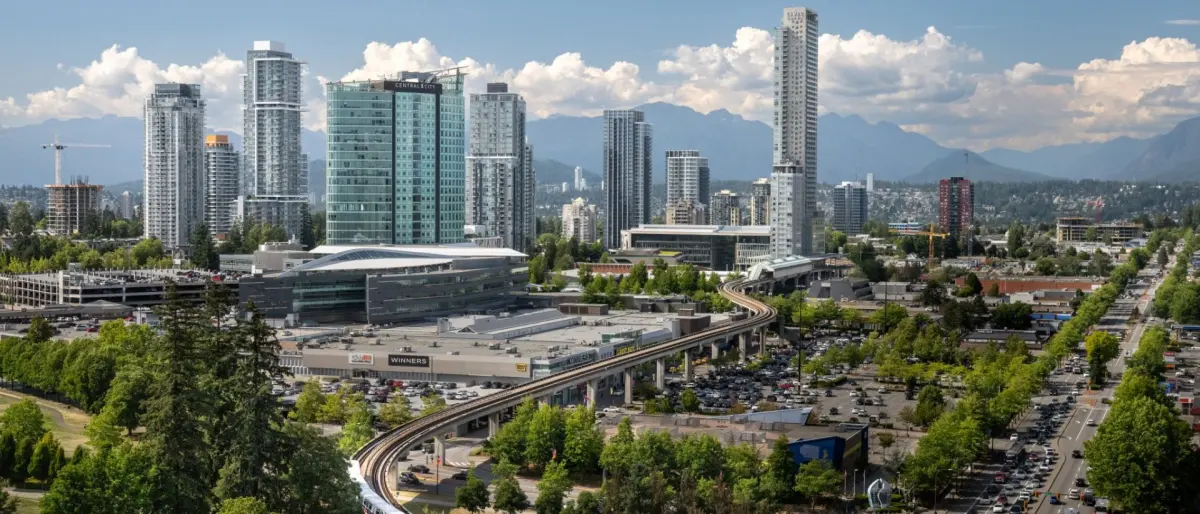
Vancouver is consistently ranked as one of the most densely populated cities in Canada. This density shapes the daily experience of residents, influencing everything from the efficiency of public transit to the availability of green spaces. High-density living is a necessity in a city constrained by mountains to the north and the Pacific Ocean to the west, limiting the ability for outward expansion.
Living in a dense urban environment requires a sophisticated infrastructure to maintain quality of life. The city relies heavily on the SkyTrain rapid transit network, which connects the downtown core to suburban hubs, effectively managing the movement of millions of people. While density can lead to increased traffic and competition for housing, it also supports a vibrant cultural scene, walkable neighborhoods, and a diverse array of amenities that would be unsustainable in a less populated, sprawling environment.
Where can I find the most recent population updates?
For the most reliable information, the Statistics Canada website remains the gold standard for demographic data. Their "Census Profile" tool allows users to drill down into specific geographic areas, providing detailed breakdowns by age, gender, and language. This is the best resource for anyone needing precise, verified numbers for professional or academic purposes.
If you require more frequent updates, the BC Stats agency provides annual population estimates for British Columbia and its various regional districts. These reports are particularly useful for those tracking short-term trends between the five-year census cycles. By utilizing these government-backed resources, you can ensure that your understanding of Vancouver’s population is grounded in the most accurate and current information available.
- Visit the Statistics Canada website and navigate to the Census Profile section.
- Enter "Vancouver" in the search bar to view the municipal data.
- Select "Metro Vancouver" or the specific regional district for broader data.
- Review the "Population and dwelling counts" table for the latest official figures.
Key facts
- The City of Vancouver had a population of 662,248 according to the 2021 Canadian census.
- The Metro Vancouver regional district serves a much larger population of approximately 2.8 million people.
- Vancouver is the most densely populated city in Canada, with over 5,700 people per square kilometer.
- Population estimates are updated periodically by Statistics Canada and the provincial government.
- When researching data, always distinguish between the "City of Vancouver" and the "Metro Vancouver" area.
- Avoid using outdated census data from 2016 or earlier, as the region has experienced significant growth since then.
The bottom line
Understanding Vancouver's population requires distinguishing between the specific municipal limits and the broader metropolitan area. While the city proper houses over 660,000 residents, the surrounding region supports a diverse population of nearly three million. As one of Canada’s fastest-growing urban centers, Vancouver continues to face unique housing and infrastructure challenges, making accurate census data essential for researchers, urban planners, and prospective residents looking to understand the region.
People also ask
What is the difference between the City of Vancouver and Metro Vancouver?
The City of Vancouver refers specifically to the municipal boundaries, while Metro Vancouver is a regional district encompassing 21 municipalities. Many people mistakenly use the terms interchangeably, but the regional district includes suburbs like Surrey, Burnaby, and Richmond.
Is Vancouver the largest city in Canada by population?
No, Vancouver is the eighth-largest municipality in Canada. Toronto is the most populous city in the country, followed by Montreal and Calgary.
How fast is the population of Vancouver growing?
The region consistently experiences steady growth driven largely by international migration. Between 2016 and 2021, the population of the metropolitan area grew by approximately 7.3 percent.
Where can I find the most recent official population counts?
The best source for accurate data is the Statistics Canada website, which publishes findings from the national census every five years. You can also consult the BC Stats portal for annual provincial estimates.
Does the population count include temporary residents like students?
Census data generally counts people who consider the city their usual place of residence. This includes international students and temporary workers who have lived in the country for more than six months.
Why does the population density vary so much across the region?
Vancouver is geographically constrained by mountains and the ocean, forcing high-density development in the downtown core. Suburban areas in the Fraser Valley are less dense and focus more on single-family housing and lower-rise developments.
This answer was created with the help of AI research tools and reference sources. Spotted an error? Let us know — we correct mistakes quickly. See our editorial policy.