How is steel made?
Short answer
Steel is produced by refining iron ore to reduce its carbon content and remove impurities like sulfur and phosphorus. This process typically involves melting iron in a furnace, adjusting the chemical composition with alloying elements, and casting the molten metal into specific shapes for industrial, construction, or consumer product applications.
On this page
How is steel made from raw materials?
The modern steelmaking process primarily utilizes two main routes: the Basic Oxygen Furnace (BOF) and the Electric Arc Furnace (EAF). In the BOF route, molten pig iron—produced by smelting iron ore, coke, and limestone in a blast furnace—is combined with recycled steel scrap. Oxygen is then blown into the furnace at high speeds, which oxidizes the excess carbon and impurities, transforming the iron into steel. This method is highly efficient for large-scale production.
Alternatively, the EAF route relies almost entirely on recycled steel scrap or direct-reduced iron. High-power electric arcs are used to melt the metal, allowing for precise control over the chemical composition. This process is generally more flexible and environmentally friendly, as it consumes less energy than traditional blast furnace operations. Regardless of the method, the final liquid steel undergoes "secondary steelmaking" to achieve the exact metallurgical properties required for its intended use.
How long does it take to produce steel?
The duration of the steelmaking process depends heavily on the technology employed and the desired grade of the final product. In a modern Basic Oxygen Furnace, a single "heat" or batch of steel can be produced in approximately 40 to 60 minutes. However, the entire journey from raw iron ore to a finished steel coil can take several days when accounting for mining, pelletizing, and the initial blast furnace smelting.
Secondary steelmaking, which involves refining the molten metal in a ladle furnace, adds another 30 to 90 minutes to the cycle. During this phase, technicians perform the following critical tasks:
- Adjusting the temperature to ensure proper casting conditions.
- Adding alloying elements like chromium, nickel, or manganese to improve strength or corrosion resistance.
- Removing dissolved gases, such as nitrogen and hydrogen, through vacuum degassing.
- Stirring the melt with argon gas to ensure chemical homogeneity.
What are the different types of steel?
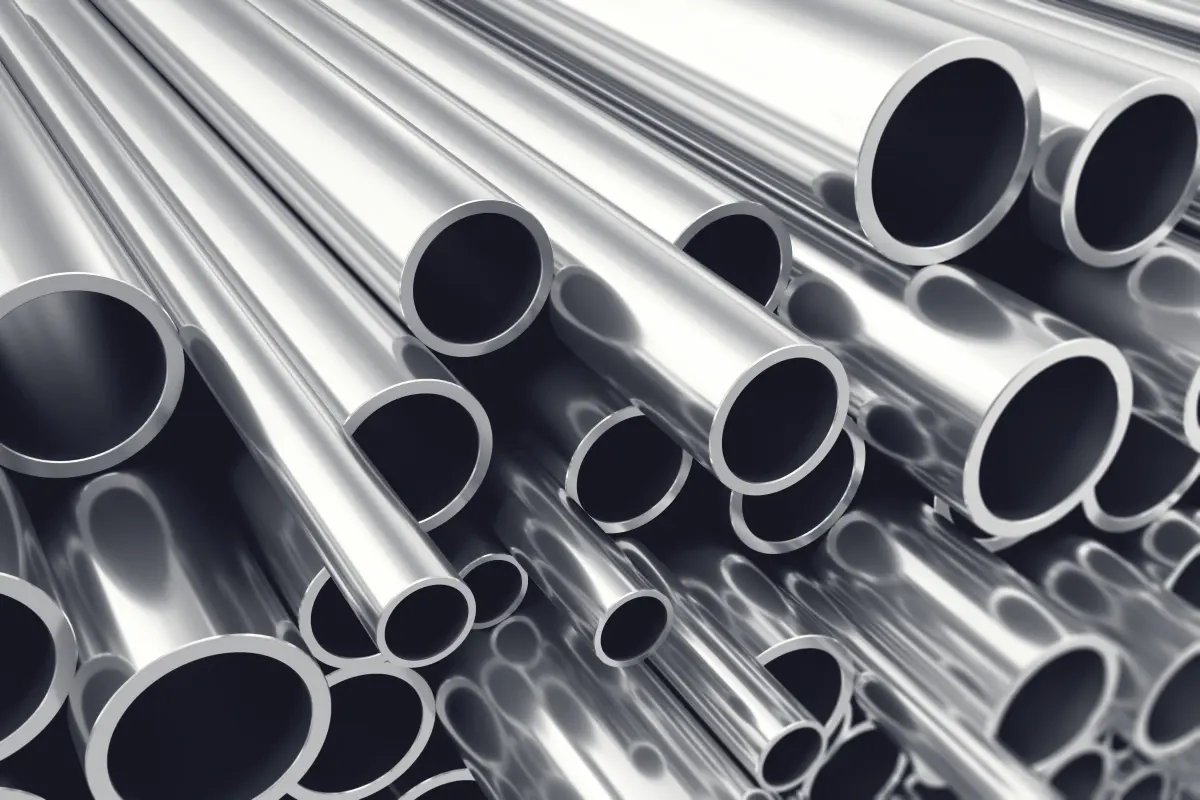
Steel is not a single material but a broad category of alloys defined by their chemical makeup. The most common classification is carbon steel, which accounts for the vast majority of global production. These are categorized by their carbon content: low-carbon (mild), medium-carbon, and high-carbon steel. Each type offers a different balance of ductility, hardness, and weldability, making them suitable for everything from car bodies to bridge cables.
Beyond carbon steel, engineers produce specialized alloys to meet extreme environmental demands. These include:
- Stainless steel: Contains at least 10.5% chromium, which creates a passive layer that prevents rust.
- Tool steel: Highly durable and heat-resistant, used for cutting and shaping other metals.
- Alloy steel: Contains elements like vanadium or molybdenum to enhance specific mechanical properties.
- Weathering steel: Designed to develop a stable, rust-like appearance that eliminates the need for painting.
Common mistakes when processing steel
Manufacturing high-quality steel requires strict adherence to temperature and chemical parameters. One of the most frequent errors is "over-oxidation," which occurs when too much oxygen is introduced during the refining phase. This leads to the formation of excessive iron oxides, which makes the metal brittle and prone to cracking during subsequent rolling or shaping processes. Proper monitoring of oxygen sensors is essential to avoid this structural failure.
Another common pitfall involves improper cooling rates during the casting process. If the steel cools too rapidly, it can develop internal stresses or unwanted crystalline structures that weaken the final product. Operators must follow these guidelines to maintain quality:
- Maintain consistent pouring temperatures to prevent thermal shock in the molds.
- Ensure that slag, the byproduct of impurities, is completely separated from the molten metal.
- Monitor the cooling water flow to prevent uneven solidification.
- Verify the chemical composition using spectroscopy before moving to the casting stage.
Why steel is essential for modern infrastructure
Steel serves as the backbone of modern civilization due to its unique combination of strength, cost-effectiveness, and recyclability. It is the most recycled material in the world, with the ability to be melted down and reformed indefinitely without losing its inherent mechanical properties. This circular lifecycle makes steel a critical component in sustainable development strategies, as it reduces the need for virgin raw material extraction.
The versatility of steel allows it to be shaped into everything from microscopic medical needles to massive skyscraper beams. Its high strength-to-weight ratio enables architects to design taller, safer buildings that can withstand seismic activity and extreme weather. As global demand for infrastructure grows, the steel industry continues to innovate by developing "green steel" technologies, such as using hydrogen instead of coal to reduce carbon emissions during the smelting process. This ongoing evolution ensures that steel remains the primary material for future technological and construction advancements across the globe.
Key facts
- Steel is primarily an alloy of iron and carbon, with carbon content typically ranging between 0.02% and 2.1% by weight.
- The Basic Oxygen Steelmaking (BOS) process accounts for approximately 70% of global steel production.
- Electric Arc Furnaces (EAF) are primarily used to recycle scrap steel, making them a more energy-efficient production route.
- Adding elements like chromium creates stainless steel, which contains at least 10.5% chromium to resist corrosion.
- Molten steel is cast into semi-finished shapes like slabs, blooms, or billets before being rolled into final products.
- Continuous casting is the industry-standard method for turning liquid steel into solid shapes efficiently.
The bottom line
Modern steelmaking relies on two primary methods: the Basic Oxygen process for refining raw iron ore and the Electric Arc process for recycling scrap metal. By precisely controlling carbon levels and adding alloying elements, manufacturers create materials tailored for everything from skyscrapers to surgical tools. Understanding these processes highlights why steel remains the world’s most essential industrial metal for infrastructure, transportation, and global economic development.
People also ask
What is the difference between iron and steel?
Iron is a chemical element, while steel is an alloy made by combining iron with a small amount of carbon. This addition of carbon significantly increases the metal's strength and resistance to fracture compared to pure iron.
Why is scrap metal important in steel production?
Scrap metal is a vital raw material because it can be melted down and reused indefinitely without losing its structural properties. Using recycled scrap in an Electric Arc Furnace consumes significantly less energy than extracting new iron from ore.
How does carbon content affect the properties of steel?
Higher carbon content makes steel harder and stronger, but also more brittle and difficult to weld. Lower carbon steels are more ductile and easier to shape, making them ideal for automotive bodies and construction beams.
What is the purpose of "slag" in the steelmaking process?
Slag is a byproduct formed by combining impurities like silica and phosphorus with fluxing agents like limestone. It floats on top of the molten metal, allowing workers to remove it easily to refine the steel's chemical composition.
Can steel be recycled infinitely?
Yes, steel is the most recycled material in the world and can be melted down repeatedly without degrading its quality. This circular lifecycle makes it a cornerstone of sustainable industrial manufacturing.
What makes stainless steel different from regular steel?
Stainless steel contains a minimum of 10.5% chromium, which reacts with oxygen to form a thin, invisible layer that prevents rust. Regular carbon steel lacks this protective layer and will oxidize when exposed to moisture.
This answer was created with the help of AI research tools and reference sources. Spotted an error? Let us know — we correct mistakes quickly. See our editorial policy.