Where do beavers live?
Short answer
Beavers live in freshwater ecosystems across the Northern Hemisphere, primarily in North America and Eurasia. They inhabit streams, rivers, ponds, and lakes where they construct elaborate lodges and dams. These semi-aquatic rodents require access to woody vegetation and deep, stable water levels to protect themselves from predators and harsh winter conditions.
On this page
Where do beavers build their homes?
Beavers are highly selective about their environment, choosing locations that offer both food security and protection. They prefer slow-moving or still water, such as small streams, marshes, and the edges of lakes. By constructing dams, they manipulate the landscape to create deep ponds, which provide the necessary depth to keep lodge entrances submerged and protected from predators like wolves, bears, and coyotes.
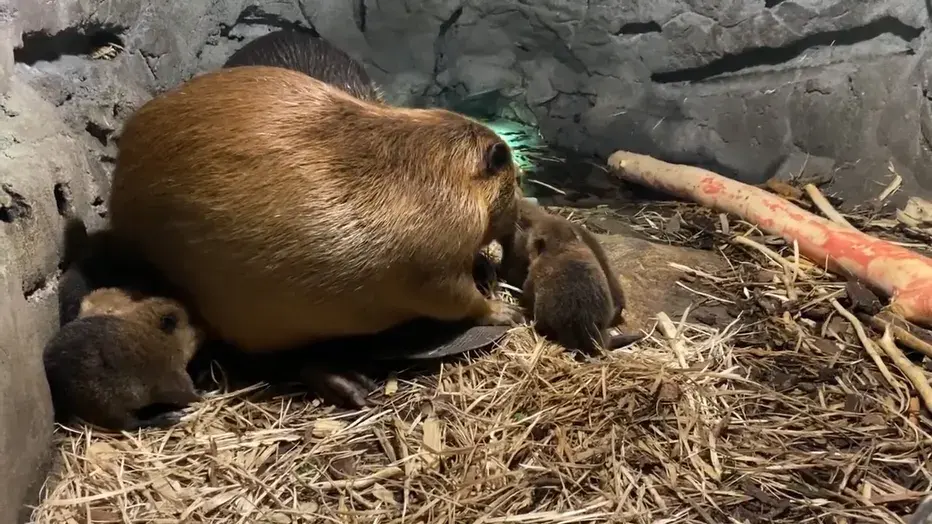
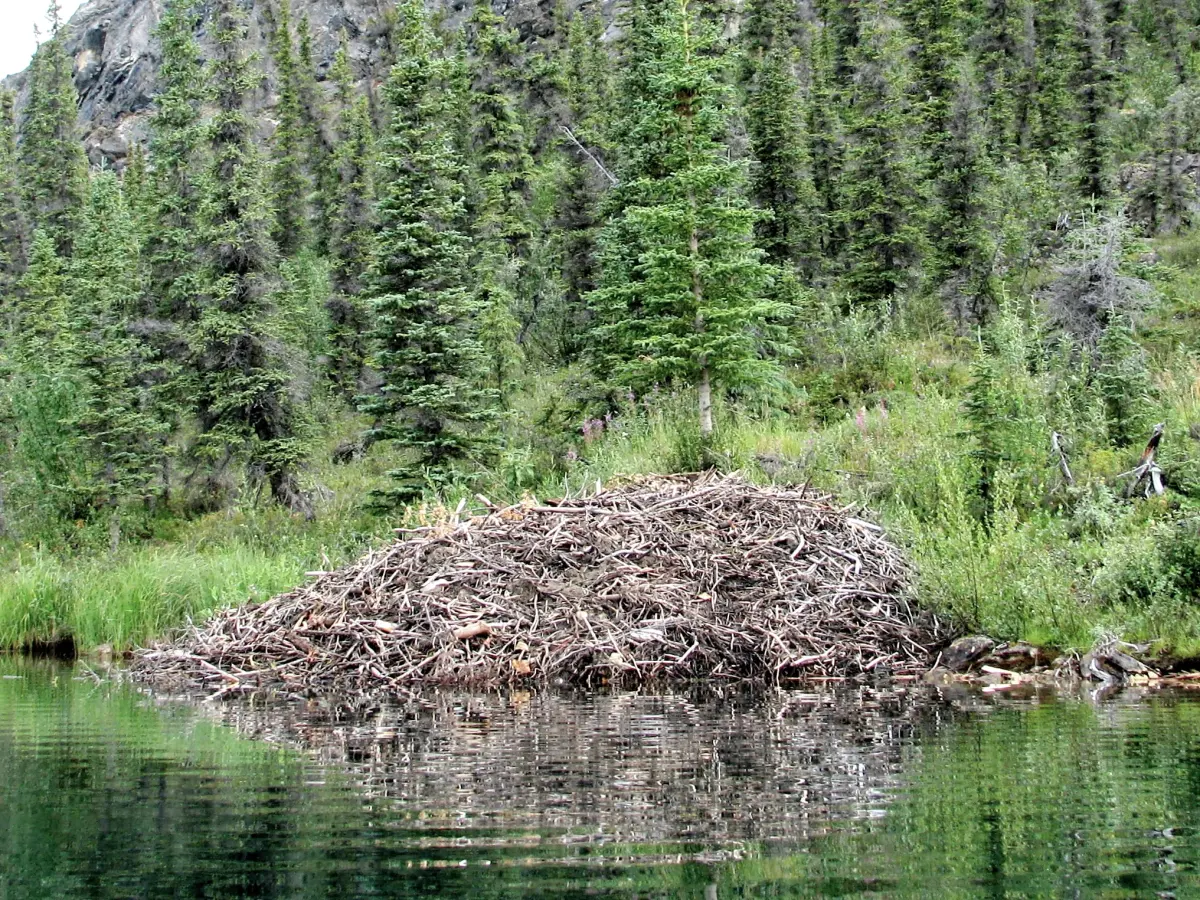
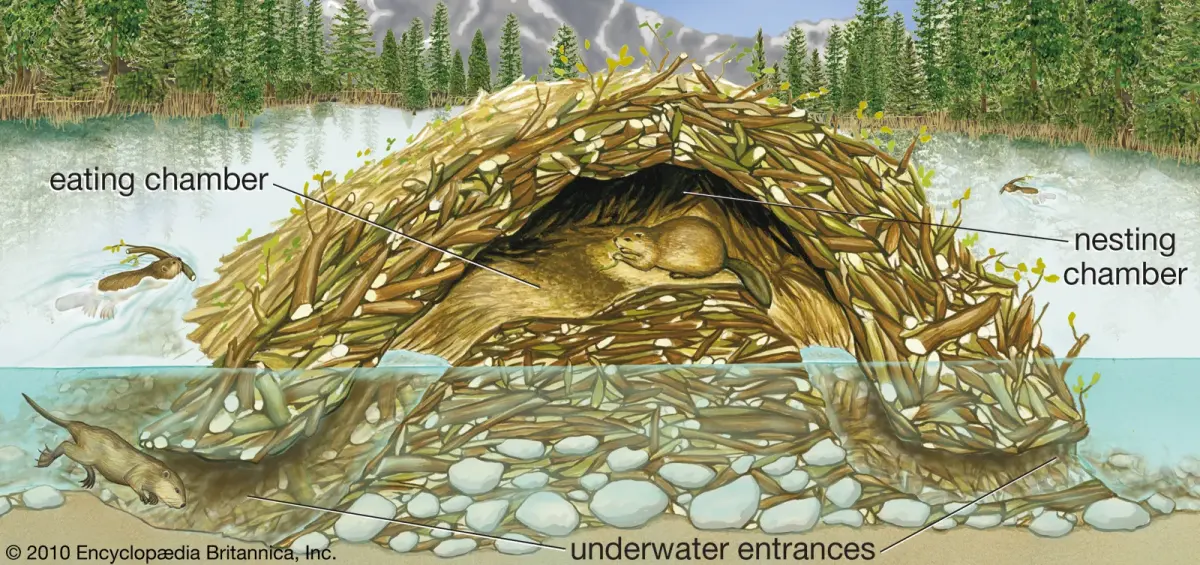
The lodge itself is a fortress of sticks, mud, and rocks, often situated in the middle of a pond or against a steep bank. These structures have underwater entrances that lead to a dry, elevated chamber inside. This design ensures that the beaver remains safe from land-based threats while maintaining a stable temperature throughout the year. When searching for a habitat, beavers look for specific environmental indicators:
- Abundant deciduous trees like aspen, willow, birch, and poplar for food and building materials.
- A steady, reliable source of freshwater that does not dry up during summer months.
- Soft, muddy banks that are easy to excavate for burrowing or lodge foundations.
- Relatively flat surrounding terrain that allows for the creation of canals to transport wood.
How do beavers change their environment?
Beavers are recognized as ecosystem engineers because they actively transform their surroundings to suit their needs. When a stream is too shallow or fast-moving, they build dams to raise the water level. This activity creates wetlands that support a vast array of biodiversity, including fish, amphibians, waterfowl, and various aquatic insects. By slowing down water flow, they also help mitigate downstream flooding and improve water quality by filtering out sediments.
The process of building a dam is a communal effort that can take several weeks of intensive labor. Beavers use their powerful incisors to fell trees, then drag the logs and branches into the water. They pack the gaps with mud, stones, and aquatic vegetation to create a watertight barrier. Common mistakes when observing these structures include:
- Assuming every pile of sticks is an active lodge, as beavers often maintain secondary lodges for emergency shelter.
- Misidentifying old, abandoned dams as active ones; active dams usually show signs of fresh mud and recent gnawing.
- Overlooking the importance of canals, which beavers dig to safely float heavy logs from distant trees to their ponds.
What is the range of beavers?
There are two distinct species of beavers: the North American beaver (Castor canadensis) and the Eurasian beaver (Castor fiber). The North American species is found across nearly the entire continent, from the tundra of northern Canada and Alaska down to the southern United States and northern Mexico. They are highly adaptable and have successfully reclaimed many territories following historical declines caused by the fur trade.
The Eurasian beaver occupies a range that stretches across Europe and parts of Asia, including Russia, China, and Mongolia. While their populations were once fragmented, conservation efforts have led to significant reintroductions in countries like the United Kingdom and Germany. Both species share similar habitat requirements, though the Eurasian beaver is slightly smaller and historically faced different pressures from human encroachment. In both regions, beavers are most successful in temperate forests where the winter is cold enough to freeze the pond surface, which provides an extra layer of security against predators.
How do beavers survive the winter?
Winter is a critical season for beavers, and their habitat choices are heavily influenced by the need to survive freezing temperatures. As water bodies ice over, the beaver remains active within its lodge and the surrounding pond. They do not hibernate, so they must prepare their food caches well in advance of the first frost. This involves anchoring branches and logs to the bottom of the pond near their lodge entrance.
This underwater "pantry" allows the beaver to access fresh bark and twigs even when the pond is covered by thick ice. The lodge walls are often plastered with additional mud in the autumn, which freezes solid and acts as an effective insulator against the biting cold. To ensure survival, beavers must avoid these common errors:
- Failing to maintain a deep enough pond, which can lead to the water freezing all the way to the bottom, trapping the beaver inside.
- Establishing a food cache in an area with high currents, which can wash away their winter sustenance.
- Neglecting to keep the lodge vent open, as proper airflow is essential for preventing carbon dioxide buildup inside the living chamber.
Can you find beavers near human settlements?
Beavers are increasingly found near human-populated areas, especially as forest cover returns to abandoned agricultural lands. While their presence is generally beneficial for the environment, it can occasionally lead to conflicts with landowners. Beavers may inadvertently flood roads, clog drainage culverts, or fell ornamental trees in residential gardens. Understanding their behavior is key to managing these interactions without resorting to lethal removal.
If you suspect beavers are living near your property, look for signs such as freshly gnawed tree stumps, piles of debris in local streams, or the presence of canals. If they cause damage, there are practical ways to coexist:
- Wrap the trunks of valuable trees with heavy-duty wire mesh to prevent gnawing.
- Install "beaver deceivers" or pond levelers, which are specialized pipes that control water height and prevent flooding without destroying the dam.
- Consult with local wildlife management agencies before attempting any modifications to a dam, as many regions have strict regulations protecting these animals and their structures.
By implementing these non-lethal strategies, humans can enjoy the ecological benefits of beaver-created wetlands while protecting their own infrastructure.
Key facts
- Beavers inhabit freshwater ecosystems across North America, Europe, and parts of Asia, typically near streams, rivers, and lakes.
- They are ecosystem engineers that construct dams using logs, branches, mud, and stones to create deep-water ponds.
- A beaver lodge is a dome-shaped structure built of sticks and mud, featuring underwater entrances for protection against predators.
- These animals require a constant supply of woody vegetation, such as willow, aspen, and birch, for both food and building materials.
- To identify a beaver habitat, look for "chew marks" on tree trunks that appear as distinct, conical notches.
- Avoid disturbing beaver dams, as they are essential for flood control and maintaining biodiversity in riparian zones.
The bottom line
Beavers are resourceful architects that thrive in freshwater environments by constructing dams and lodges. By modifying their surroundings, they create vital wetlands that support diverse wildlife and stabilize local water tables. Understanding their habitat needs reveals why these rodents are considered keystone species. Whether you are observing them in the wild or studying their impact, protecting their natural dams remains essential for healthy, resilient ecosystems.
People also ask
Do beavers hibernate during the winter?
Beavers do not hibernate. Instead, they remain active throughout the winter, relying on food caches they have anchored to the bottom of their pond to survive when the surface freezes.
How large can a beaver lodge get?
A lodge can reach up to 10 feet in height and 20 feet in diameter. The interior consists of a dry, elevated chamber where the family sleeps and stays warm.
Why do beavers build dams?
Dams create deep, still water that protects beavers from predators like wolves and bears. The resulting ponds also provide easy access to food and allow for safe travel through the landscape.
Can beavers live in saltwater environments?
No, beavers are strictly freshwater animals. They cannot survive in saltwater, so you will never find them living in the ocean or in coastal estuaries.
How do beavers affect the surrounding environment?
By creating wetlands, beavers improve water quality, recharge groundwater, and provide habitats for fish, birds, and amphibians. Their work effectively transforms dry landscapes into lush, productive ecosystems.
Are beavers territorial animals?
Yes, beavers are highly territorial and will mark their boundaries using scent mounds made of mud and castoreum. They defend their home range against other beavers to ensure sufficient resources for their colony.
This answer was created with the help of AI research tools and reference sources. Spotted an error? Let us know — we correct mistakes quickly. See our editorial policy.