Where do polar bears live?
Short answer
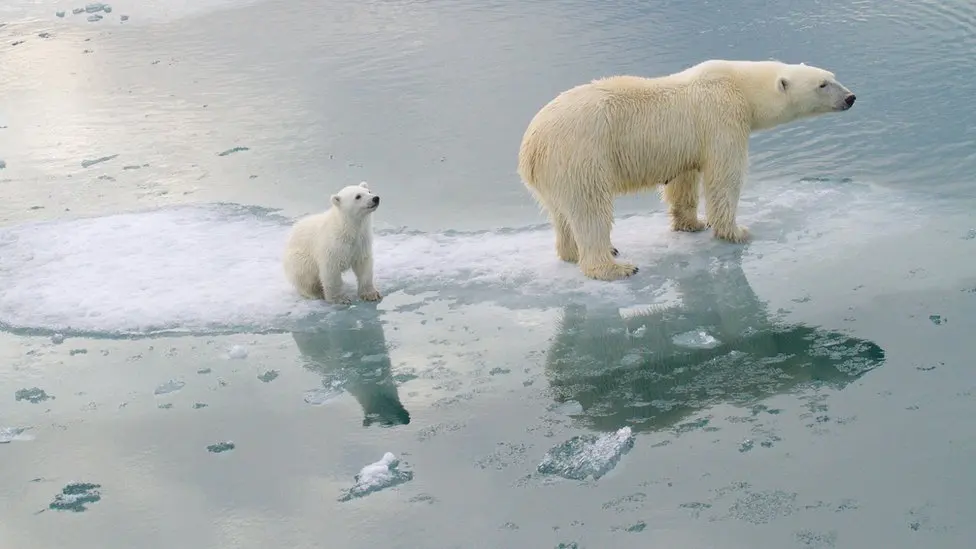
Polar bears live throughout the ice-covered waters of the Arctic Circle. Their range encompasses five nations: Canada, the United States (Alaska), Greenland, Norway, and Russia. They primarily inhabit the annual sea ice over the continental shelf, which provides essential access to their main prey, ringed and bearded seals, throughout the year.
On this page
Where exactly do polar bears live?
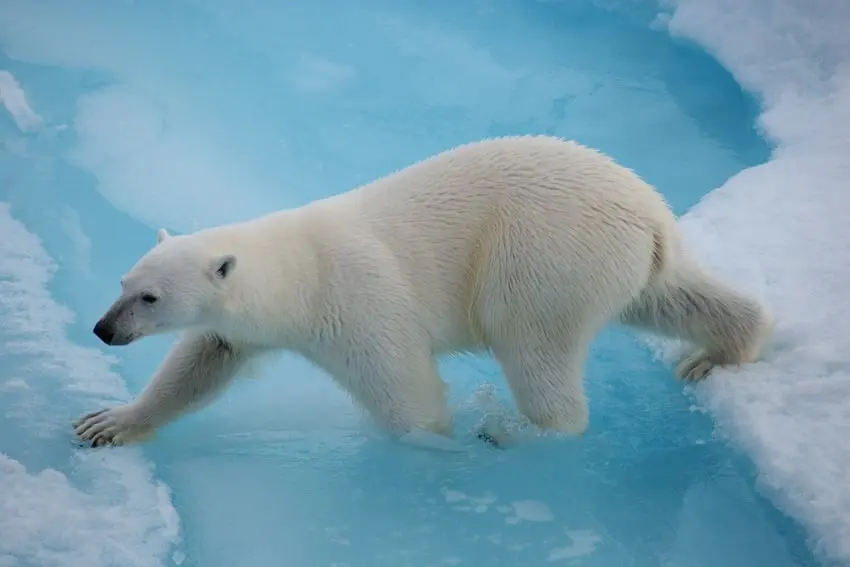
Polar bears are circumpolar, meaning they inhabit the regions surrounding the North Pole. They are not found in the Antarctic, which is a common misconception. Their distribution is dictated by the presence of sea ice, which serves as a platform for hunting, traveling, and mating. While they are most commonly associated with the frozen ocean, they also spend significant time on coastal land during the summer months when the ice melts.
The global population is divided into 19 distinct subpopulations, each occupying different geographic areas across the Arctic. These zones range from the high Arctic islands of Canada and Russia to the southern reaches of Hudson Bay. Because these bears rely on the sea ice to reach their prey, their range is dynamic and shifts seasonally based on the freezing and thawing cycles of the Arctic Ocean.
How do polar bears survive in the Arctic?
Polar bears possess specialized physiological adaptations that allow them to thrive in extreme cold. Their thick fur is not actually white but translucent, appearing white due to light reflection, while their skin is black to absorb heat. Beneath this, a layer of blubber up to four inches thick provides essential insulation against freezing temperatures and icy waters.
Their survival strategy is centered on energy conservation and opportunistic hunting. They are classified as marine mammals because they spend most of their lives on sea ice. To survive the harsh environment, they rely on several key behaviors:
- Using their keen sense of smell to detect seal breathing holes from over a mile away.
- Engaging in "still-hunting," where they wait patiently by a breathing hole for a seal to surface.
- Swimming long distances between ice floes, aided by their slightly webbed front paws.
- Entering a state of "walking hibernation" during periods of food scarcity to lower their metabolic rate.
Why do polar bears migrate seasonally?
The movement of polar bears is fundamentally tied to the seasonal cycle of sea ice. In the winter, the ice expands, allowing bears to travel far from the coast to hunt seals in the productive waters of the continental shelf. As temperatures rise in the spring and summer, the ice begins to recede, forcing many bears to retreat to land.
During these ice-free periods, bears in regions like Hudson Bay must fast for several months. They rely on the fat reserves they built up during the winter hunting season. This period of fasting is critical, as their ability to survive depends entirely on how much weight they gained during the previous months. As climate change continues to shorten the ice season, these forced fasts are becoming longer, which poses a significant challenge to their long-term survival and reproductive success.
Common mistakes when tracking polar bears
Many people assume that polar bears are strictly terrestrial animals that live on glaciers or snowy plains. This is a significant error in understanding their ecology. Polar bears are fundamentally dependent on the sea ice; without it, they cannot access their primary food source, seals. Assuming they can simply move further inland to find food is incorrect, as they are not adapted to hunt land-based prey effectively.
Another common mistake is believing that polar bears are evenly distributed across the Arctic. In reality, they are highly concentrated in areas where sea ice is most productive. When attempting to observe or study these animals, experts follow strict protocols to avoid negative impacts:
- Maintain a significant distance to avoid disturbing natural hunting or resting behaviors.
- Use specialized, low-impact equipment to minimize noise and environmental disruption.
- Never approach a bear on foot, as they are highly unpredictable and dangerous predators.
- Respect local regulations regarding protected habitats and buffer zones in Arctic territories.
How does climate change affect their habitat?
The most pressing threat to polar bear habitat is the rapid loss of Arctic sea ice. Satellite data collected since the late 1970s shows a clear downward trend in both the extent and thickness of the ice. Because polar bears require this ice to hunt, the reduction of their hunting platform directly correlates with lower body condition, reduced cub survival rates, and smaller population numbers in certain regions.
The loss of habitat is not uniform across the Arctic. Some areas, such as the High Arctic archipelago, retain ice longer than lower-latitude areas like Hudson Bay. Consequently, the impacts of climate change are felt unevenly by different subpopulations. Scientists monitor these changes by tracking bear health and movement patterns, providing essential data for international conservation efforts. Protecting the remaining sea ice is the primary goal for ensuring the future of the species, as there is no viable alternative environment to which these specialized predators can migrate. The continued health of the Arctic ecosystem depends on maintaining the delicate balance of the ice-ocean interface that these bears call home.
Key facts
- Polar bears inhabit the circumpolar Arctic, spanning five nations: Canada, the United States, Russia, Greenland, and Norway.
- They are classified as marine mammals because they spend most of their lives on the sea ice of the Arctic Ocean.
- The global population is estimated at 22,000 to 31,000 individuals, divided into 19 distinct subpopulations.
- Polar bears rely on sea ice as a platform to hunt seals, their primary source of fat and energy.
- They do not live in Antarctica; polar bears are found exclusively in the Northern Hemisphere.
- Avoid the common mistake of assuming they live in permanent dens; they are nomadic and only den during the winter to give birth.
The bottom line
Polar bears are specialized marine mammals that reside exclusively within the Arctic Circle, primarily on the shifting sea ice of the Arctic Ocean. Their survival is intrinsically linked to the presence of ice, which they use as a platform for hunting seals. Because they are restricted to these frozen northern regions, they are highly vulnerable to habitat loss caused by rising global temperatures and retreating sea ice.
People also ask
Do polar bears live in Antarctica?
No, polar bears live only in the Arctic regions of the Northern Hemisphere. Antarctica is home to penguins, but it has never been a natural habitat for polar bears.
How far do polar bears travel in a year?
Polar bears are highly mobile and can travel thousands of miles annually following the movement of sea ice. Some individuals have been tracked moving over 2,000 miles in a single year to find food.
Do polar bears live on land or ice?
While they are capable of walking on land, polar bears are sea-ice specialists. They spend the majority of their time on the frozen surface of the Arctic Ocean hunting prey.
Where do polar bears go during the summer?
As sea ice melts in the summer, many polar bears are forced onto land. They remain in a state of "walking hibernation" to conserve energy until the ice reforms in the autumn.
Are there polar bears in the wild in zoos?
No, polar bears in zoos are captive animals and do not exist in the wild. Wild populations are restricted to the remote, harsh environments of the high Arctic.
Can polar bears survive in warmer climates?
Polar bears are biologically adapted to extreme cold and cannot survive in warmer climates. Their thick fur and heavy layers of blubber cause them to overheat quickly in temperatures above freezing.
This answer was created with the help of AI research tools and reference sources. Spotted an error? Let us know — we correct mistakes quickly. See our editorial policy.