Are polar bears endangered?
Short answer
Polar bears are currently classified as vulnerable, not endangered, by the International Union for Conservation of Nature. While they face significant threats from climate change and habitat loss, they are not yet considered to be in immediate danger of global extinction. Their status remains a subject of intense scientific monitoring and debate.
On this page
Why are polar bears considered vulnerable?
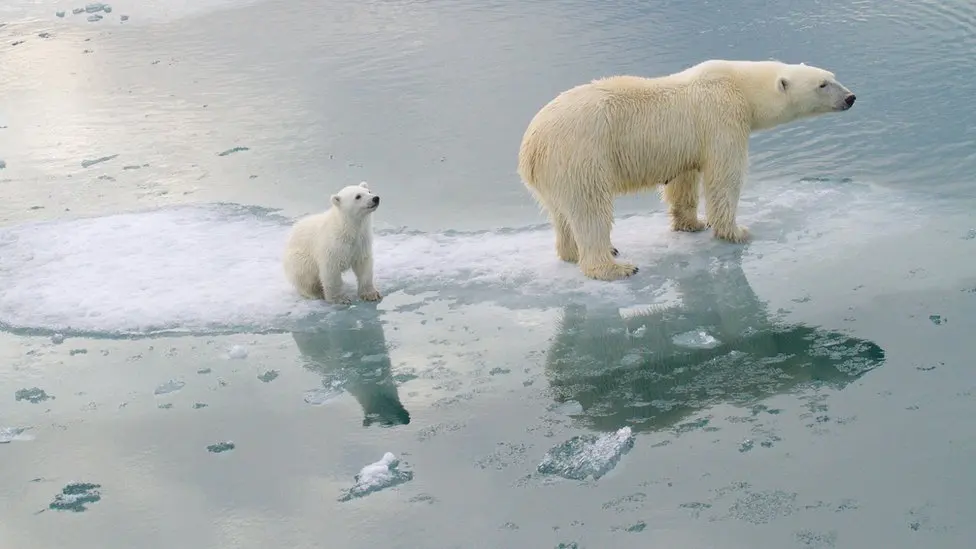
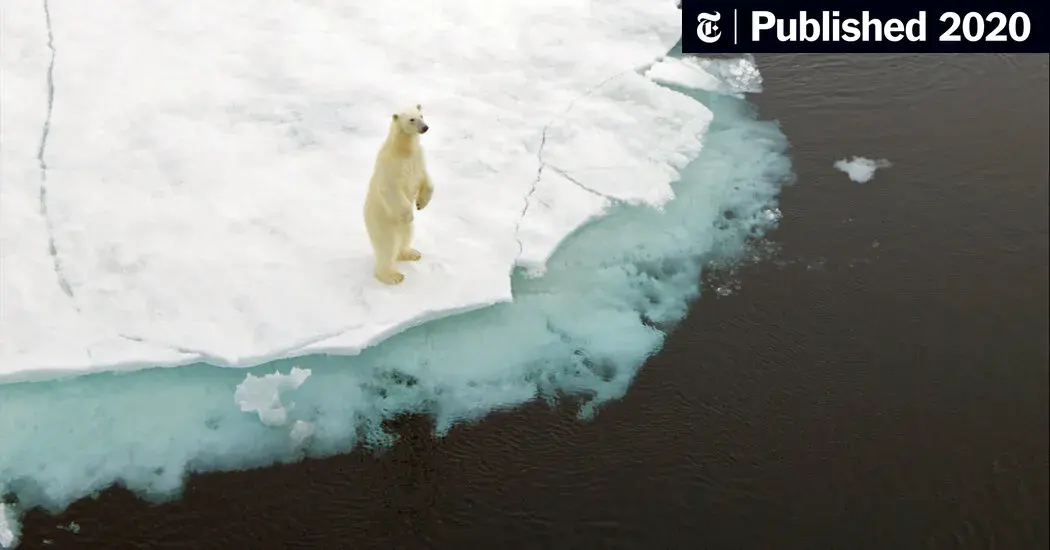
Polar bears are officially listed as vulnerable because their primary habitat—Arctic sea ice—is rapidly disappearing. These animals rely on sea ice as a platform to hunt seals, their main source of caloric intake. As global temperatures rise, the ice-free season in the Arctic lengthens, forcing bears to spend more time on land where food is scarce.
This nutritional deficit leads to lower body weights, reduced reproductive success, and higher mortality rates among cubs. Scientists estimate that if greenhouse gas emissions continue at current levels, the species could face severe population declines by the end of the century. The vulnerability classification reflects this long-term risk rather than an immediate collapse of the total population.
How do scientists count polar bears?
Counting polar bears is notoriously difficult due to their vast, remote range and solitary nature. Researchers use a combination of aerial surveys, satellite tracking, and mark-recapture methods to estimate numbers across 19 distinct subpopulations. These subpopulations are categorized into four groups based on their long-term trends:
- Increasing: Populations that have shown growth despite environmental changes.
- Stable: Groups that maintain consistent numbers over several decades.
- Declining: Populations suffering from reduced survival rates due to ice loss.
- Data Deficient: Groups where information is insufficient to determine a trend.
By observing these groups, experts can identify which regions are most at risk. For example, the Southern Beaufort Sea population has experienced significant declines, while other regions in the Canadian Arctic have remained relatively stable. This data is critical for international conservation agreements.
What are the biggest threats to polar bears?
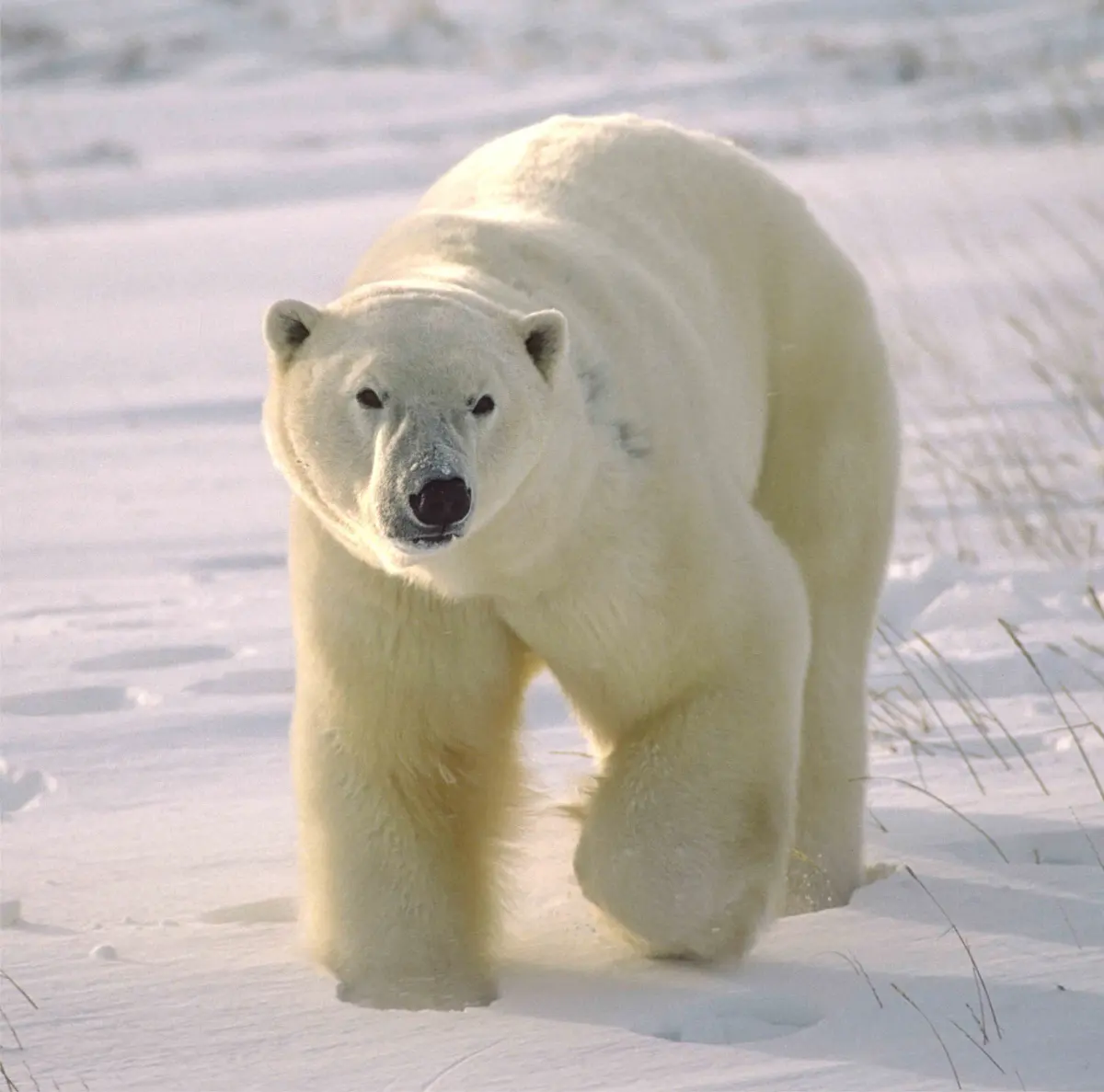
Climate change is the overarching threat to the species, but other factors exacerbate the problem. Industrial development, such as oil and gas exploration, increases the risk of oil spills and human-bear conflicts. As bears are forced to spend more time on land, they are more likely to encounter human settlements, leading to dangerous interactions and potential culling.
Pollutants like mercury and persistent organic pollutants also accumulate in the Arctic food chain. These toxins affect the bears' immune systems and reproductive health, making them less resilient to environmental stressors. Conservationists focus on several key areas to mitigate these dangers:
- Reducing global greenhouse gas emissions to stabilize sea ice.
- Managing human-bear conflicts through community education and deterrents.
- Protecting critical denning habitats from industrial encroachment.
- Monitoring contaminant levels in the Arctic ecosystem.
Common mistakes when discussing polar bear conservation
A frequent misunderstanding is the belief that polar bears are already extinct or that every subpopulation is currently shrinking. While the situation is dire in some areas, such as Western Hudson Bay, other populations are currently thriving or stable. Generalizing the status of the species ignores the complexity of Arctic ecology and regional differences.
Another mistake is assuming that supplemental feeding is a viable solution for starving bears. Providing food to wild bears creates dependency, encourages them to approach human settlements, and disrupts natural ecological behaviors. Conservation efforts must prioritize habitat preservation over short-term interventions that do not address the root cause of the population decline.
What can be done to help polar bears?
The most effective way to support polar bear survival is by advocating for policies that address the root cause of climate change. Reducing carbon footprints at the individual, corporate, and governmental levels is the only way to preserve the sea ice they require. Supporting organizations that fund Arctic research and protect critical habitats also provides essential resources for conservationists.
If you are interested in contributing to the protection of these animals, consider these practical steps:
- Support international treaties that regulate Arctic industrial activity.
- Educate others about the specific climate challenges facing the Arctic.
- Participate in carbon-offset programs or energy-saving initiatives at home.
- Donate to reputable wildlife organizations that prioritize science-based habitat management.
By focusing on systemic change, society can help ensure that the Arctic ecosystem remains viable for future generations of polar bears. While the challenges are immense, the species remains resilient, and informed action can significantly improve their long-term prospects for survival in a warming world.
Key facts
- The International Union for Conservation of Nature (IUCN) currently classifies polar bears as "Vulnerable" rather than "Endangered."
- There are approximately 22,000 to 31,000 polar bears remaining in the wild across 19 distinct subpopulations.
- The primary threat to the species is the loss of sea ice habitat caused by global climate change.
- Polar bears rely on sea ice as a platform to hunt seals, their primary source of fat and energy.
- Reducing your personal carbon footprint helps mitigate the long-term warming trends that melt Arctic ice.
- Avoid supporting tourism or research activities that disturb polar bear dens or interrupt critical hunting behaviors.
The bottom line
While polar bears are currently classified as vulnerable rather than endangered, their future remains precarious due to the rapid decline of Arctic sea ice. As climate change continues to shrink their hunting grounds, these apex predators face significant nutritional challenges. Protecting this species requires global commitment to reducing carbon emissions, as preserving their icy habitat is the only way to ensure their long-term survival in the wild.
People also ask
Where do polar bears live?
Polar bears are found throughout the Arctic Circle, inhabiting countries including Canada, the United States (Alaska), Greenland, Norway, and Russia. They spend most of their lives on the sea ice of the Arctic Ocean.
Read the full answer →Why is sea ice important for polar bears?
Sea ice acts as a hunting platform that allows bears to reach ringed and bearded seals. Without this ice, bears are forced onto land where food sources are scarce, leading to nutritional stress.
How does climate change affect polar bear reproduction?
Rising temperatures result in shorter ice seasons, meaning females have less time to hunt and gain the fat stores needed for nursing. This leads to lower cub survival rates and smaller litter sizes.
Can polar bears survive on land?
While they can scavenge for bird eggs or berries on land, these foods do not provide enough calories to sustain a large predator. Polar bears are biologically specialized to thrive on a high-fat diet derived from marine mammals.
What is the biggest challenge in counting polar bear populations?
The vast, remote, and harsh nature of the Arctic makes it difficult for scientists to conduct accurate surveys. Researchers often use satellite imagery and aerial surveys to estimate numbers in inaccessible regions.
What can individuals do to help polar bears?
The most effective action is to reduce greenhouse gas emissions by choosing energy-efficient appliances and supporting renewable energy policies. Collective global efforts to curb warming are essential for preserving the Arctic ecosystem.
This answer was created with the help of AI research tools and reference sources. Spotted an error? Let us know — we correct mistakes quickly. See our editorial policy.