Where do skunks live?
Short answer
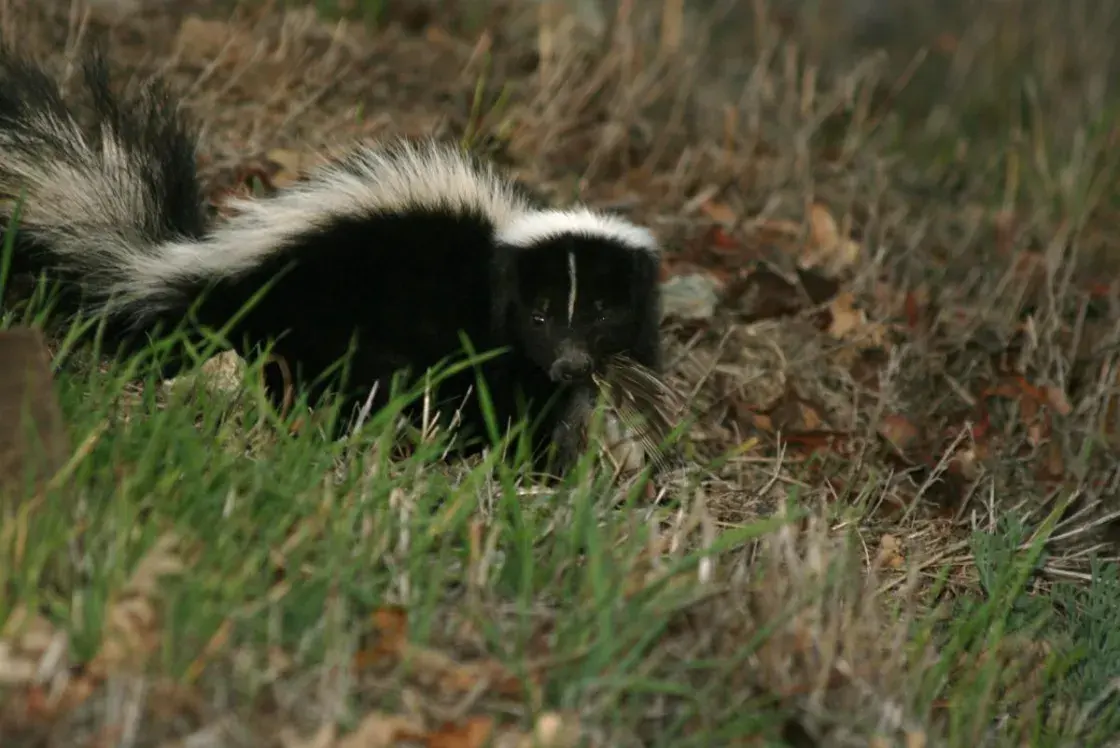
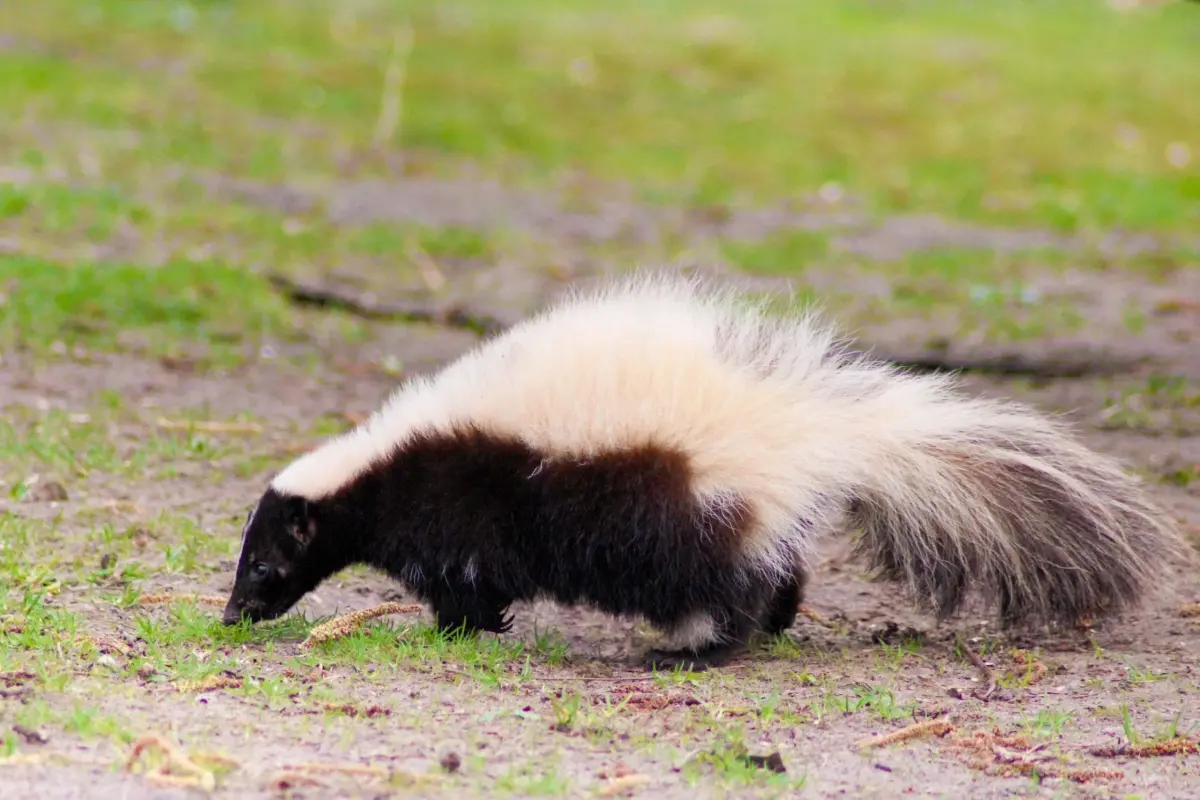
Skunks live primarily throughout the Americas, ranging from southern Canada to central South America. They are highly adaptable mammals that inhabit diverse environments, including forests, grasslands, deserts, and suburban areas. While they prefer staying near water sources, they frequently den in abandoned burrows, hollow logs, rock crevices, or under man-made structures.
On this page
Where do skunks live in the wild?
Skunks are native exclusively to the Western Hemisphere, with the striped skunk being the most widespread species in North America. They thrive in a variety of habitats that offer a mix of cover and food sources, such as forest edges, open prairies, and brushy fields. Because they are not strictly tied to one ecosystem, they are frequently found in agricultural regions where insects and small rodents are abundant.
These animals are generally solitary and nocturnal, meaning they prefer to remain hidden during the day. They rely on established dens for protection against predators and extreme weather. In the wild, they typically select locations that provide natural insulation and security. Common natural denning sites include:
- Abandoned burrows previously dug by woodchucks or foxes.
- Hollow logs or stumps that are partially buried in the ground.
- Deep crevices in rocky outcrops or caves.
- Dense thickets or brush piles that offer overhead concealment.
Why do skunks live near human homes?
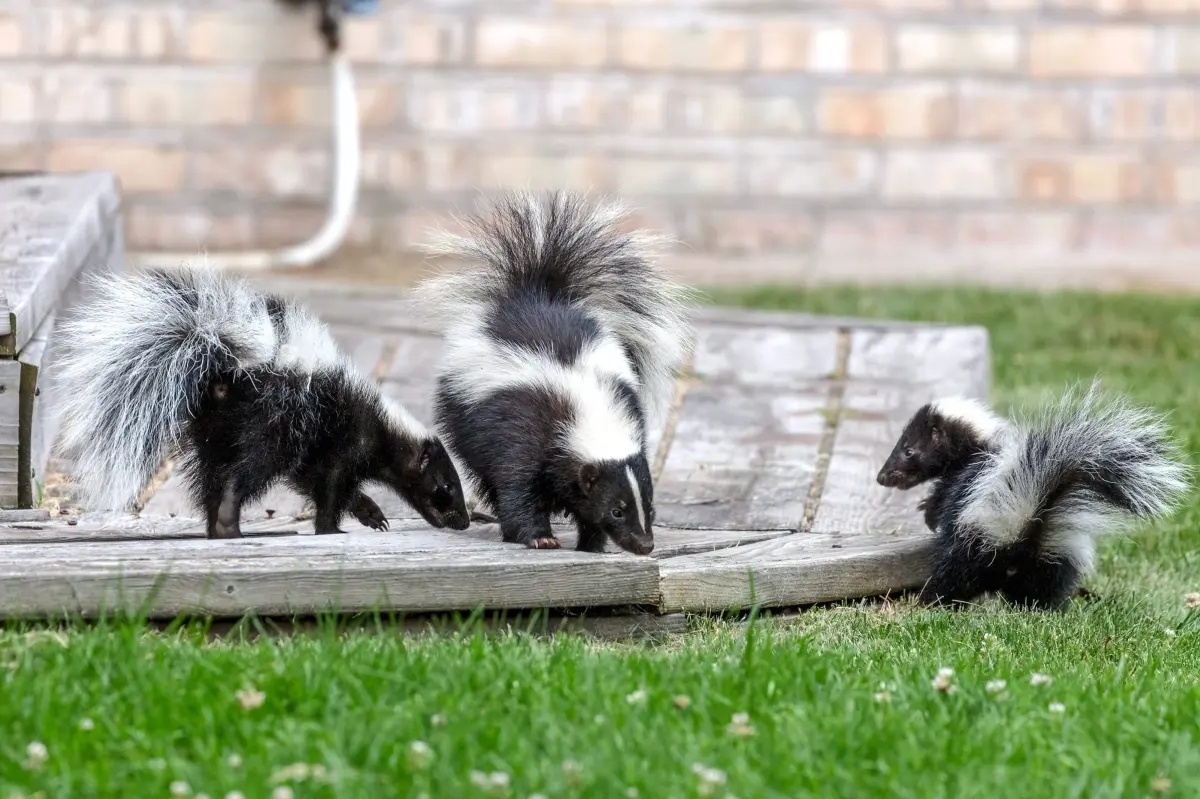
As human development expands into natural habitats, skunks have proven to be exceptionally opportunistic neighbors. Suburban and urban environments provide an abundance of food, such as pet food left outdoors, compost piles, and garbage. Furthermore, the architecture of residential areas offers numerous artificial denning sites that mimic the safety of natural rock crevices or hollow logs.
The presence of skunks near homes is usually driven by the search for shelter and consistent food supplies. When a skunk finds a secure, dark, and dry space under a residential structure, it often settles there for the duration of the season. Common man-made denning locations include:
- The crawl spaces beneath wooden decks or porches.
- Voids under concrete slabs or tool sheds.
- Unsealed openings in foundations or basements.
- Spaces beneath mobile homes or abandoned vehicles.
How to identify skunk dens on your property
Identifying a skunk den requires looking for specific physical evidence around your home or yard. Skunks are not particularly tidy, and they often leave behind distinct signs of their presence. The most reliable indicator is the entrance hole, which is typically about 8 to 10 inches in diameter. Unlike the messy mounds left by groundhogs, skunk burrow entrances are often smaller and may have loose dirt piled nearby.
You can confirm the presence of a den by observing the area during the early evening when the animals emerge to forage. Look for these specific signs to determine if you have a visitor:
- Examine the perimeter of your deck or shed for fresh, loose soil or scratch marks near the base.
- Check for a faint, musky scent, which is often present near an active den site.
- Look for small, cone-shaped holes in your lawn, which indicate the skunk has been digging for grubs or insects.
- Use a flashlight at night to look for reflective eyes near the suspected entrance.
Common mistakes when dealing with skunks
Many homeowners make the mistake of attempting to seal a den while the skunk is still inside. This is highly counterproductive, as the trapped animal may die under your structure, leading to significant odor issues and potential structural damage. Another common error is using harsh chemicals or poisons to drive them away, which is often illegal, ineffective, and dangerous to pets or local wildlife.
Avoid these frequent pitfalls when trying to manage a skunk on your property:
- Do not attempt to block holes during the spring, as this is the season when mothers often have dependent kits inside the den.
- Avoid using bright lights or loud noises as a permanent solution; skunks are resilient and will usually wait for the disturbance to cease.
- Do not leave pet food or unsecured garbage outside, as this acts as an invitation for the skunk to stay.
- Avoid trying to handle a skunk yourself, as they are primary carriers of rabies in many regions and can spray when threatened.
Best ways to discourage skunks from living nearby
The most effective strategy for managing skunks is to make your property less attractive to them. This involves removing the factors that drew them in the first place, specifically food and shelter. By hardening your home against intrusion, you encourage the animal to move on to a more suitable, natural environment.
To successfully discourage skunks, follow these professional recommendations:
- Install heavy-gauge hardware cloth or wire mesh around the base of decks and sheds, burying the bottom edge at least 12 inches deep to prevent digging.
- Secure all garbage cans with locking lids and store pet food indoors, especially overnight.
- Clear away brush piles, wood stacks, and tall grass where skunks might hide while moving across your property.
- Utilize motion-activated sprinklers, which can startle the animals and encourage them to avoid your yard without causing them any physical harm.
- If you suspect a den is occupied, wait until the skunk leaves at night before sealing the entrance with one-way exclusion doors, which allow the animal to exit but prevent it from re-entering.
Key facts
- Skunks are native to the Americas, ranging from Canada through the United States and into South America.
- They are highly adaptable and thrive in diverse environments, including forests, grasslands, deserts, and suburban neighborhoods.
- Most skunks are nocturnal, meaning they are active at night and sleep in dens during the day.
- They do not hibernate, but they may enter a state of torpor, or reduced activity, during extreme winter weather.
- Skunks are opportunistic denners; they often occupy abandoned burrows made by woodchucks, foxes, or badgers.
- To prevent skunks from living under your porch, seal all gaps larger than three inches with heavy-duty hardware cloth or buried wire mesh.
The bottom line
Skunks are incredibly adaptable mammals that inhabit a wide range of ecosystems across the Americas, from dense forests to quiet suburban backyards. While they prefer solitary living in repurposed burrows, their opportunistic nature often brings them into contact with humans. By securing your property and removing accessible food sources, you can easily coexist with these nocturnal neighbors without inviting them to take up residence under your home.
People also ask
Do skunks live in groups?
Most skunks are solitary animals that prefer to live alone. However, during the winter, females may share a communal den to conserve body heat.
How do I know if a skunk is living under my house?
Look for small, cone-shaped holes in your lawn where they have dug for grubs. You may also notice a faint musky odor or hear scratching sounds coming from beneath the structure at night.
What should I do if I find a skunk in my yard?
Keep your distance and keep pets inside. Skunks are generally shy and will leave on their own if they do not feel threatened or find an easy food source.
Are skunks dangerous to humans?
Skunks are not aggressive, but they can carry rabies and will spray a potent, foul-smelling musk if cornered. Avoid direct contact and never attempt to handle or feed them.
What do skunks eat?
They are omnivores that consume insects, grubs, small rodents, fruit, and human garbage. Their varied diet allows them to survive in almost any environment near human settlements.
Read the full answer →Can I use mothballs to get rid of a skunk?
No, mothballs are ineffective and toxic to both pets and the environment. Use bright lights or motion-activated sprinklers to make the area uncomfortable for the animal instead.
This answer was created with the help of AI research tools and reference sources. Spotted an error? Let us know — we correct mistakes quickly. See our editorial policy.