How do you make tomato sauce?
Short answer
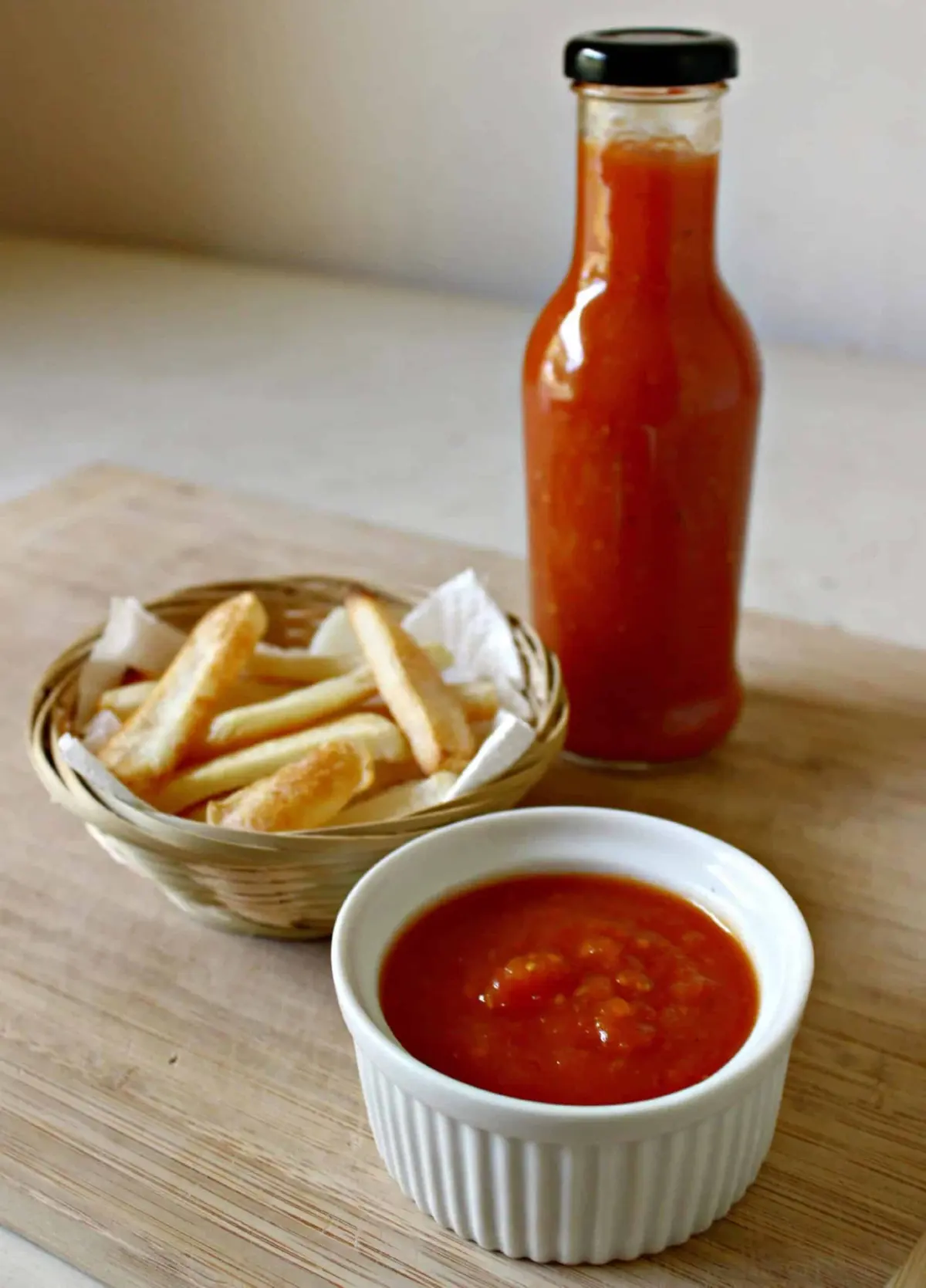
Tomato sauce is made by simmering tomatoes with aromatics like onions, garlic, and herbs until they break down into a thickened, flavorful base. Whether using fresh or canned tomatoes, the process relies on gentle heat to concentrate sugars and reduce water content, creating a versatile foundation for pasta, pizza, or stews.
On this page
How to choose the best tomatoes for sauce
The foundation of any great tomato sauce is the quality of the fruit. For the most authentic results, professional chefs prefer plum or Roma tomatoes because they contain less water and fewer seeds than round slicing varieties. These elongated fruits provide a meaty texture that thickens naturally during the cooking process. If you are cooking out of season, high-quality canned San Marzano tomatoes are often superior to fresh supermarket tomatoes, which are frequently harvested before they reach peak ripeness.
When selecting canned options, look for labels that indicate "DOP" status, which certifies the tomatoes were grown in the volcanic soil near Mount Vesuvius. Avoid cans with added calcium chloride, a firming agent that prevents the tomatoes from breaking down properly in the sauce. If using fresh garden tomatoes, ensure they are fully ripe and soft to the touch. You can easily remove the skins by scoring an 'X' on the bottom and blanching them in boiling water for thirty seconds before plunging them into an ice bath.
How long does it take to cook tomato sauce
The cooking time for tomato sauce depends largely on the desired depth of flavor and the water content of your chosen tomatoes. A quick, fresh-tasting sauce can be prepared in as little as 20 to 30 minutes, which is ideal for light pasta dishes or seafood. This method preserves the bright, acidic notes of the fruit. However, a traditional slow-cooked ragu or a deep, complex marinara often requires simmering for two to four hours on low heat.
During a long simmer, the natural sugars in the tomatoes caramelize, and the acidity mellows, resulting in a richer, sweeter profile. To determine if your sauce is finished, observe the texture and the oil separation.
- Bring the sauce to a gentle bubble, ensuring it does not scorch on the bottom.
- Stir occasionally to prevent sticking, especially as the volume reduces.
- Continue simmering until the sauce coats the back of a spoon and the oil begins to separate from the tomato solids.
- Taste frequently to adjust salt and seasoning as the flavors concentrate.
How to build flavor in tomato sauce
Building a complex flavor profile requires a layered approach, starting with the aromatics. Finely diced onions, carrots, and celery—a combination known as soffritto—form the aromatic base of many classic Italian sauces. Sauté these vegetables in high-quality olive oil over medium heat until they are soft and translucent, but not browned. Adding minced garlic during the final minute of sautéing prevents it from burning and becoming bitter, which is a common error that ruins the entire batch.
Beyond the base, herbs and seasonings play a critical role in defining the final character of your dish. Fresh basil is best added at the very end of cooking to maintain its aromatic oils, while dried oregano or thyme should be added early to infuse the liquid. If your sauce tastes too acidic, avoid the temptation to add sugar. Instead, add a small knob of butter or a pinch of baking soda to neutralize the acidity, or simply simmer it longer to allow the natural sugars to develop fully.
Common mistakes when making tomato sauce
One of the most frequent mistakes is failing to salt the sauce properly at each stage of the cooking process. Salt is not just a seasoning; it is a flavor enhancer that draws out the moisture and sweetness from the tomatoes and onions. Another common pitfall is using too much heat, which can cause the sauce to splatter and burn, creating a harsh, charred flavor. Always use a heavy-bottomed pot to distribute heat evenly and keep the flame at the lowest setting once the sauce reaches a simmer.
Additionally, many home cooks neglect the importance of properly crushing the tomatoes. Whether you use a food mill, a potato masher, or your hands, ensure the texture is consistent before you begin simmering. Leaving large, tough chunks of skin or stem in the sauce creates an unpleasant mouthfeel. Finally, avoid over-processing the sauce in a blender, which can incorporate too much air and turn the vibrant red color into a pale, unappealing orange.
Best tools for beginners to use
For a beginner, the right equipment can make the process significantly more approachable and successful. A large, enameled cast-iron Dutch oven is the gold standard for tomato sauce because it retains heat exceptionally well and is non-reactive, meaning it will not impart a metallic taste to the acidic tomatoes. You will also need a wooden spoon for stirring, as its flat edge is perfect for scraping the bottom of the pot to prevent sticking.
If you plan on making large batches, a food mill is an invaluable investment. It separates the skins and seeds from the pulp, resulting in a smooth, professional-grade texture that is difficult to achieve with a knife alone.
- Dutch oven or heavy-bottomed stainless steel pot
- Food mill or immersion blender
- Wooden spoon or heat-resistant silicone spatula
- Fine-mesh strainer for removing excess seeds
- Sharp chef's knife for uniform vegetable preparation
By mastering these basic tools and techniques, you can reliably produce a high-quality tomato sauce that serves as the perfect base for countless culinary creations.
Key facts
- Use plum or Roma tomatoes for sauce because they have lower water content and more flesh than round slicing tomatoes.
- Sauté aromatics like onions and garlic in olive oil until soft before adding tomatoes to build a deep flavor base.
- Simmer the sauce uncovered to allow evaporation, which concentrates the natural sugars and thickens the texture.
- Add a pinch of sugar or a grated carrot to balance the natural acidity of the tomatoes if the sauce tastes too sharp.
- Fresh herbs like basil should be stirred in at the very end of cooking to preserve their delicate volatile oils and bright color.
- Avoid using aluminum pots for long-simmering tomato sauces, as the acidic nature of the fruit can react with the metal and create a metallic taste.
The bottom line
Making high-quality tomato sauce at home relies on choosing the right tomatoes, building a flavorful foundation with aromatics, and allowing the sauce to simmer until it reaches your desired thickness. By balancing acidity with small amounts of sugar or carrots and incorporating fresh herbs at the end, you can create a versatile, delicious sauce that serves as the perfect base for countless pasta dishes and recipes.
People also ask
Should I peel and seed the tomatoes before cooking?
Peeling and seeding is optional but recommended for a smoother, more refined texture. You can easily peel tomatoes by scoring an "X" on the bottom and blanching them in boiling water for 30 seconds.
Can I use canned tomatoes instead of fresh ones?
Canned whole peeled tomatoes are often superior to fresh ones, especially out of season, because they are packed at peak ripeness. They provide a consistent flavor and texture that is ideal for reliable, year-round sauce production.
Why is my tomato sauce turning out watery?
Watery sauce usually happens when the tomatoes are not simmered long enough to evaporate excess moisture. Ensure you simmer the sauce over low heat for at least 30 to 45 minutes without a lid.
How long can I store homemade tomato sauce?
Homemade sauce will stay fresh in an airtight container in the refrigerator for up to five days. For longer storage, you can freeze the sauce in freezer-safe bags or containers for up to six months.
Is it necessary to add wine to tomato sauce?
Wine is not necessary, but adding a splash of dry red or white wine can add complexity and acidity. If you use wine, add it after the aromatics and let it reduce by half before adding the tomatoes.
What is the best way to thicken a thin sauce without more simmering?
You can whisk in a small amount of tomato paste to add body and depth. Alternatively, blending a portion of the cooked vegetables or using a cornstarch slurry can quickly adjust the consistency.
This answer was created with the help of AI research tools and reference sources. Spotted an error? Let us know — we correct mistakes quickly. See our editorial policy.