How is soy sauce made?
Short answer
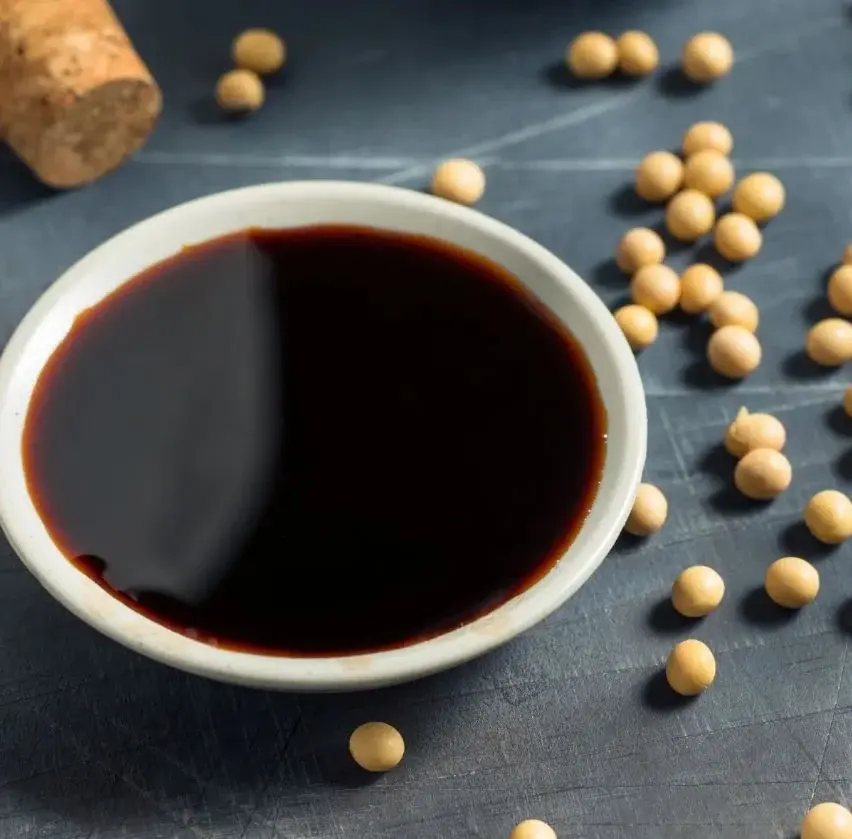
Soy sauce is produced through a traditional fermentation process involving soybeans, wheat, salt, and water. These ingredients are combined with a specific mold culture, typically Aspergillus oryzae, to create a mash. Over several months, enzymes break down proteins and starches into amino acids and sugars, resulting in a savory, umami-rich liquid condiment.
On this page
How is soy sauce made traditionally?
Traditional soy sauce production, known as the honjozo method, relies on natural fermentation to develop complex flavors. The process begins by steaming soybeans and roasting wheat, which are then mixed with a starter culture called koji-kin (Aspergillus oryzae). This mixture, known as koji, is left to incubate in a controlled environment for several days until the mold covers the grains.
Once the koji is ready, it is submerged in a brine solution of salt and water to create a mash called moromi. This mash is stored in large vats, traditionally made of cedar wood, where it undergoes a slow aging process. During this time, lactic acid bacteria and yeast work alongside the mold enzymes to transform the raw ingredients into a dark, aromatic liquid. The entire maturation phase typically lasts between six months and two years.
How long does it take to make soy sauce?
The duration of the fermentation process is the primary factor determining the quality and depth of the final product. While industrial methods can accelerate production using acid hydrolysis to break down proteins in just a few days, these versions lack the nuanced flavor profile of naturally brewed sauce. Authentic, high-quality soy sauce requires a minimum of six months of aging.
- Preparation of the koji culture takes approximately 3 days.
- The moromi mash is aged in vats for 6 to 24 months.
- The liquid is pressed from the solids, pasteurized, and filtered.
- Final bottling occurs after the sauce has settled and been clarified.
Some artisanal producers age their soy sauce for three to five years to achieve a richer, more viscous texture. This extended time allows for the development of deeper color and a more pronounced umami character that simply cannot be replicated through rapid chemical processing.
What ingredients are in soy sauce?
At its core, soy sauce is a simple product made from four fundamental ingredients. The quality of these components directly impacts the final taste, as there are no artificial additives in a traditional brew. Manufacturers often source non-GMO soybeans and high-quality wheat to ensure the best enzymatic breakdown during fermentation.
- Soybeans: Provide the essential proteins that break down into amino acids.
- Wheat: Offers carbohydrates that convert into sugars, balancing the saltiness.
- Salt: Acts as a preservative to prevent harmful bacteria from growing during aging.
- Water: Serves as the solvent for the mash and determines the final consistency.
- Aspergillus oryzae: The beneficial mold culture that initiates the entire biochemical transformation.
While some modern variations exist, such as tamari—which is made with little to no wheat—the basic chemistry remains consistent. The balance between protein and starch is crucial, as too much wheat can make the sauce overly sweet, while too much soy can result in a bitter or overly pungent profile.
Common mistakes when making soy sauce at home
Attempting to brew soy sauce at home is a challenging project that requires strict adherence to hygiene and temperature control. One of the most frequent errors is failing to maintain the correct salt concentration in the brine. If the salinity is too low, the mash will likely spoil due to the growth of pathogenic bacteria or unwanted molds rather than the desired koji.
- Using non-sterile equipment, which introduces competing microbes into the mash.
- Neglecting to stir the moromi regularly, which prevents even fermentation.
- Exposing the mash to extreme temperature fluctuations that kill the beneficial enzymes.
- Harvesting the liquid too early, resulting in a thin, underdeveloped, and overly salty taste.
Beginners should also be wary of the environment in which the mash is kept. It must be protected from direct sunlight and pests. Because the process takes months, patience is essential; rushing the pressing stage will yield a weak product that lacks the complex amino acid profile of a properly aged sauce.
Best soy sauce for beginners to try
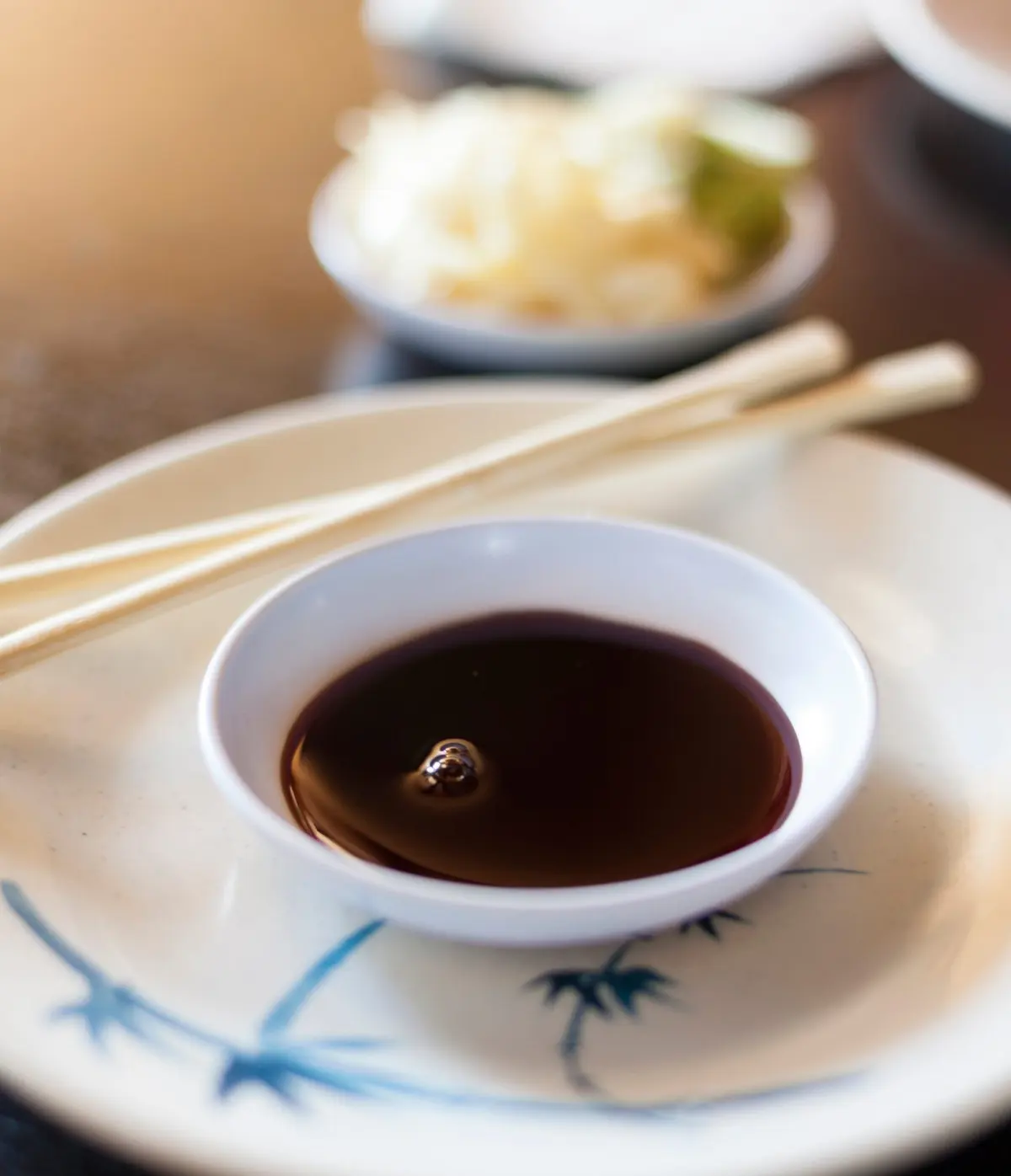
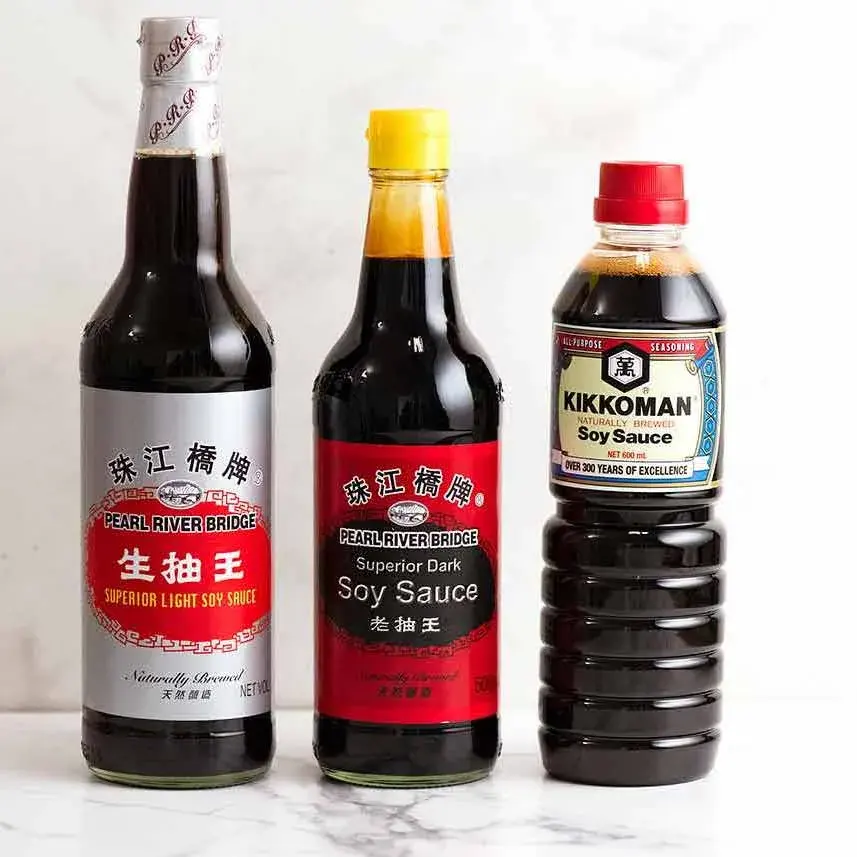
For those new to the world of authentic soy sauce, navigating the variety of labels can be confusing. It is helpful to understand the difference between light and dark varieties. Light soy sauce (usukuchi) is typically saltier and thinner, making it ideal for seasoning soups and stir-fries without significantly darkening the dish. Dark soy sauce (koikuchi) is aged longer, resulting in a thicker, sweeter, and more intense flavor that works best as a dipping sauce or for braising meats.
When shopping, look for bottles labeled "naturally brewed" or "traditionally fermented." These labels indicate that the product was made using the time-honored methods described above rather than chemical hydrolysis. Brands that highlight the region of production, such as those from the Shodoshima island in Japan, often provide a superior experience for the palate. By starting with a high-quality, naturally brewed koikuchi sauce, you can establish a baseline for understanding the true potential of this versatile condiment in your daily cooking.
Key facts
- Traditional soy sauce production relies on the fermentation of soybeans, wheat, salt, and water.
- The process begins by creating a "koji," a mixture of steamed soybeans and roasted wheat inoculated with Aspergillus oryzae mold.
- A brine solution is added to the koji to create "moromi," a mash that ferments for several months to years.
- Authentic brewing uses natural aging in cedar barrels, whereas mass-produced versions often use acid-hydrolyzed vegetable protein.
- The resulting liquid is pressed from the mash, pasteurized to stop fermentation, and filtered for clarity.
- Store soy sauce in a cool, dark place to maintain its complex flavor profile and prevent oxidation.
The bottom line
The production of high-quality soy sauce is an intricate biological process that transforms simple ingredients into a complex condiment through controlled fermentation. By balancing the roles of mold, brine, and time, brewers unlock deep umami flavors that define global cuisine. Whether choosing a traditionally brewed bottle or a quick-process alternative, understanding these methods helps consumers appreciate the craftsmanship behind this essential pantry staple.
People also ask
Is there a difference between light and dark soy sauce?
Light soy sauce is thinner and saltier, primarily used for seasoning, while dark soy sauce is thicker, darker, and slightly sweeter due to added caramel or longer aging.
Can I make soy sauce at home?
Home production is possible but difficult, as it requires precise temperature control and a long fermentation period to ensure safety and proper flavor development.
Does soy sauce contain gluten?
Most traditional soy sauces contain wheat, making them unsuitable for those with celiac disease or gluten sensitivities, though gluten-free tamari is a popular alternative.
How long does an opened bottle of soy sauce last?
An opened bottle can last for several years if kept in a cool, dark cupboard, though it is best consumed within six months for peak flavor.
Why is some soy sauce cheaper than others?
Mass-produced soy sauce is often chemically synthesized in days using acid hydrolysis, which lacks the depth and nuance achieved through months of natural fermentation.
What is the white mold that appears on the soybeans during production?
The mold is Aspergillus oryzae, often called koji-kin, which produces enzymes that break down proteins and starches into amino acids and sugars, creating the sauce's savory umami taste.
This answer was created with the help of AI research tools and reference sources. Spotted an error? Let us know — we correct mistakes quickly. See our editorial policy.