What is algae?
Short answer
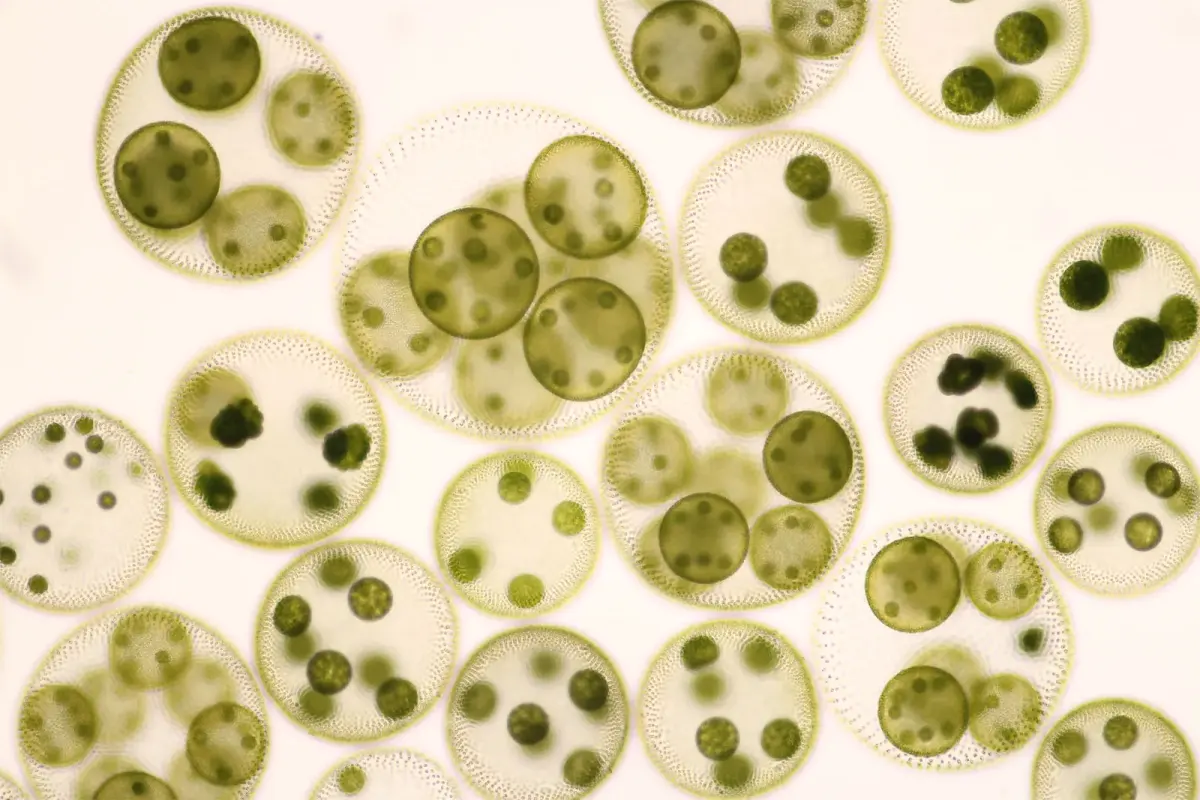
Algae are a diverse group of photosynthetic organisms that lack the complex structures of land plants, such as true roots, stems, and leaves. Ranging from microscopic, single-celled phytoplankton to massive, multi-cellular seaweeds, they inhabit aquatic and moist environments worldwide. They serve as primary producers, forming the essential foundation of global aquatic food webs.
On this page
What are the different types of algae?
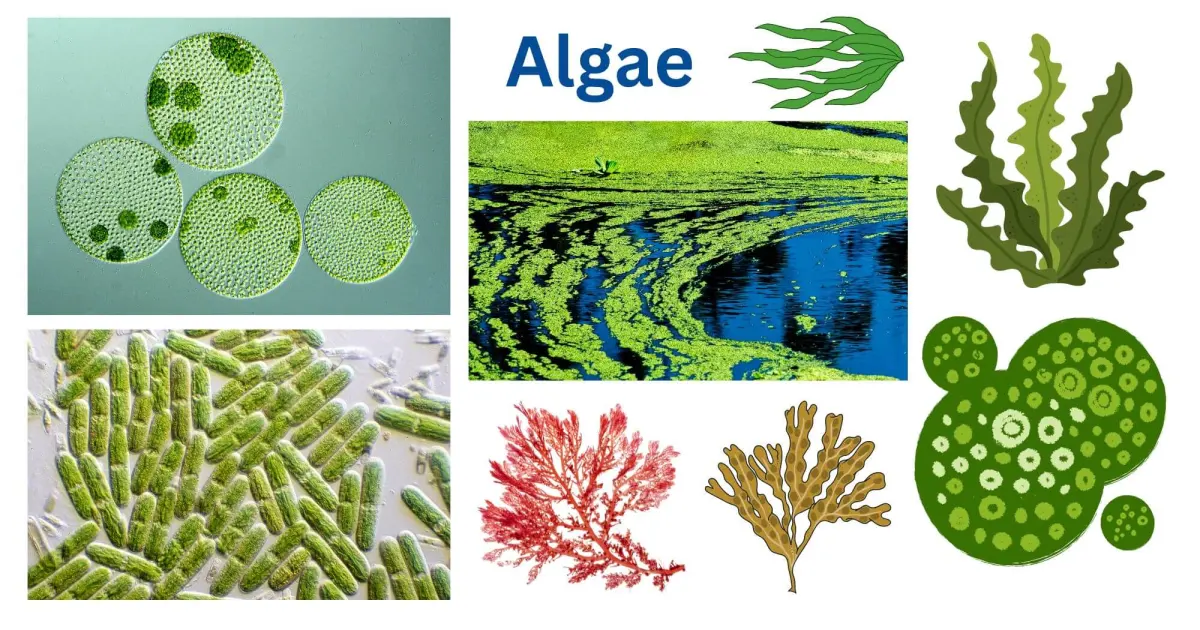
Algae are not a single taxonomic group but rather a polyphyletic collection of organisms. They are broadly categorized based on their pigmentation, cell wall composition, and storage products. Microalgae, such as diatoms and dinoflagellates, are typically microscopic and float in the water column. Macroalgae, commonly referred to as seaweeds, include green, brown, and red varieties that attach to rocks or other substrates in coastal zones.
The classification of these organisms relies heavily on their cellular structure and photosynthetic pigments. While all algae contain chlorophyll, many possess accessory pigments that give them distinct colors. These pigments allow them to absorb light at different depths, enabling survival in various marine and freshwater habitats. Common examples include:
- Green algae (Chlorophyta): Found in freshwater and marine environments; ancestors to land plants.
- Brown algae (Phaeophyceae): Large, complex seaweeds like kelp that thrive in cooler waters.
- Red algae (Rhodophyta): Primarily marine organisms often found in deeper, tropical waters.
- Diatoms (Bacillariophyceae): Single-celled organisms encased in unique silica shells called frustules.
Why is algae important for the environment?
Algae perform a critical role in the Earth’s ecosystem by producing approximately 50 to 80 percent of the world's oxygen. Through photosynthesis, they convert sunlight and carbon dioxide into chemical energy, effectively acting as a massive carbon sink. By sequestering carbon, algae help mitigate the impacts of climate change, making them vital to the health of the atmosphere and oceans.
Beyond oxygen production, algae serve as the primary food source for countless aquatic species. They form the base of the marine food web, supporting everything from microscopic zooplankton to massive whales. When algae populations fluctuate, it can have cascading effects on the entire ecosystem, influencing fish populations and the health of coral reefs. Their presence is a primary indicator of water quality, as they respond rapidly to nutrient changes in their surroundings.
How to identify algae in water bodies?
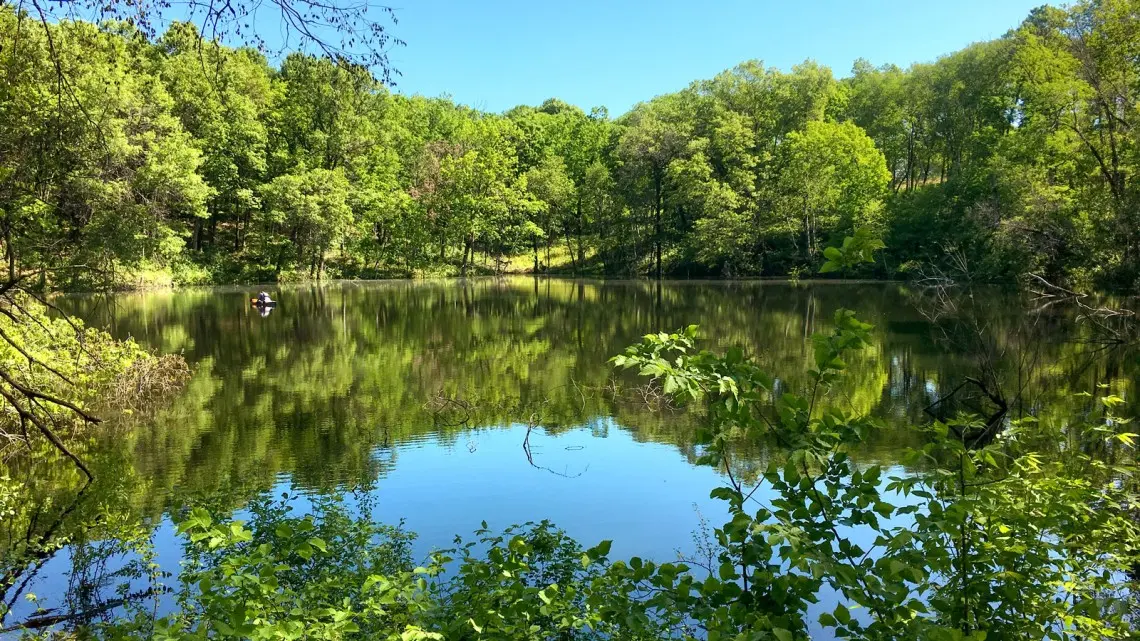
Identifying algae requires observing the color, texture, and growth patterns of the organism. Green, slimy mats floating on the surface of a pond are often filamentous green algae, while a murky, pea-soup appearance usually indicates a bloom of single-celled phytoplankton. Brown or golden-colored coatings on rocks often point to the presence of diatoms or certain types of brown algae.
When assessing a body of water, look for these specific characteristics:
- Color: Bright green often suggests high nutrient levels, while dark brown or red may indicate specific species or environmental conditions.
- Texture: Some algae feel slimy or gelatinous, while others, like kelp, are leathery and firm.
- Growth habit: Determine if the algae is free-floating, attached to a substrate, or forming long, hair-like strands.
- Odor: A strong, pungent smell often accompanies decaying algal blooms, which can indicate poor water quality.
How to manage algae in a home pond?
Managing algae in a backyard pond requires a balance of nutrients, light, and circulation. Excessive algae growth, often called an "algal bloom," usually results from an abundance of nitrogen and phosphorus, often caused by fish waste or lawn fertilizer runoff. To control these populations, you must limit the nutrients available for the algae to consume.
Follow these steps to maintain a clear pond:
- Install a biological filter to process fish waste and maintain water clarity.
- Add aquatic plants like water lilies to provide shade and compete with algae for nutrients.
- Use a pond vacuum to remove organic debris and sludge from the bottom.
- Limit the amount of fish food provided, as uneaten food quickly decays into nutrients.
- Introduce beneficial bacteria products that consume excess nutrients before algae can utilize them.
Common mistakes when dealing with algae?
A frequent error is the immediate use of chemical algaecides without addressing the underlying nutrient imbalance. While these chemicals may kill the visible algae, the decaying matter releases more nutrients back into the water, often triggering a secondary, more aggressive bloom. This cycle creates a dependency on chemicals that can harm beneficial aquatic plants and fish.
Another mistake is failing to provide adequate surface agitation or oxygenation. Stagnant water is a breeding ground for many types of algae, particularly blue-green algae, which are technically cyanobacteria. By failing to ensure proper water movement, you allow these organisms to thrive. Furthermore, many people overlook the impact of direct sunlight; failing to provide shade for at least part of the day will almost certainly lead to rapid growth. Always prioritize physical removal and nutrient management over chemical intervention to ensure long-term, sustainable water health.
Key facts
- Algae are a diverse group of photosynthetic organisms that lack the complex structures of land plants, such as true roots, stems, and leaves.
- They range in size from microscopic, single-celled organisms like phytoplankton to giant multicellular kelp that can grow up to 60 meters long.
- Algae produce approximately 50 to 80 percent of the world's oxygen through the process of photosynthesis.
- Most algae live in aquatic environments, including oceans, lakes, rivers, and even damp soil or snow.
- To grow algae at home, provide a clear container, filtered water, a source of light, and a liquid fertilizer containing nitrogen and phosphorus.
- Avoid over-fertilizing home algae cultures, as this can lead to bacterial blooms that deplete oxygen and kill the algae.
The bottom line
Algae represent a vital biological foundation for life on Earth, serving as the primary producers in aquatic food webs and the planet's most significant oxygen source. Ranging from invisible microbes to massive underwater forests, these organisms offer immense potential for sustainable food, energy, and carbon sequestration. Understanding their role helps clarify how these simple, ancient life forms continue to shape our global climate and ecosystems.
People also ask
Is algae considered a plant?
While algae were traditionally classified as plants, modern biology categorizes them as protists. They perform photosynthesis like plants but lack the specialized vascular tissues required to transport water and nutrients.
Can humans eat all types of algae?
Not all algae are edible, and some species produce potent toxins that can cause severe illness or death if ingested. Common culinary algae include nori, kelp, and spirulina, which are generally safe when sourced from reputable suppliers.
Why does algae turn swimming pools green?
Green water is caused by a rapid bloom of microscopic algae, usually triggered by low chlorine levels or high sunlight exposure. This occurs when the pool's chemical balance shifts, allowing algae spores to multiply uncontrollably.
What is the difference between algae and seaweed?
Seaweed is a common term used to describe large, multicellular marine algae. While all seaweed is technically algae, not all algae are seaweed, as many species are microscopic or inhabit freshwater.
How does algae contribute to climate change?
Algae act as a significant carbon sink by absorbing massive amounts of carbon dioxide from the atmosphere during photosynthesis. Scientists are currently researching ways to use industrial-scale algae farms to sequester carbon emissions.
Can algae be used as a fuel source?
Yes, certain species of algae are rich in lipids that can be extracted and converted into biodiesel. These biofuels are considered more sustainable than traditional crops because they do not require arable land or fresh water to grow.
This answer was created with the help of AI research tools and reference sources. Spotted an error? Let us know — we correct mistakes quickly. See our editorial policy.