How do you make fried rice?
Short answer
Fried rice is a versatile dish made by stir-frying pre-cooked rice with aromatics, proteins, and vegetables in a hot wok or skillet. The secret is using day-old, chilled rice to ensure individual grains remain distinct rather than mushy. Season with soy sauce, sesame oil, and aromatics for a classic, savory finish.
On this page
Why use day-old rice for fried rice
The most critical factor in achieving restaurant-quality fried rice is the moisture content of the grains. Freshly cooked rice contains excess steam and surface starch that causes it to clump together and turn mushy when exposed to high heat and liquid seasonings. By using rice that has been refrigerated for at least 12 to 24 hours, the grains dry out slightly, allowing them to separate easily during the stir-fry process. This ensures that each grain is coated in oil and seasoning rather than becoming a soft, gummy mass.
If you do not have leftovers, you can simulate the texture by spreading freshly cooked rice onto a large baking sheet and placing it in the refrigerator or freezer for 30 minutes. This rapid cooling process helps firm up the exterior of the grains. Always avoid using hot, steaming rice straight from the rice cooker, as it will inevitably result in a soggy final product that lacks the desired chewy texture.
How to prepare ingredients for stir-frying
Efficiency is paramount because the actual cooking process happens very quickly over high heat. Before turning on your stove, ensure that all components are prepped, chopped, and measured. This technique, known as mise en place, prevents your aromatics from burning while you scramble to find a missing ingredient. Proteins should be cut into small, uniform pieces to ensure they cook through rapidly, while vegetables should be diced to a size that allows them to soften without losing their structural integrity.
- Dice proteins like chicken, shrimp, or tofu into half-inch cubes.
- Finely mince aromatics, including garlic, ginger, and scallions.
- Whisk your sauce mixture, typically a blend of soy sauce, oyster sauce, and a dash of sesame oil, in a small bowl.
- Prepare your vegetables, such as peas, carrots, or corn, ensuring they are dry to prevent steaming.
Best cooking techniques for beginners
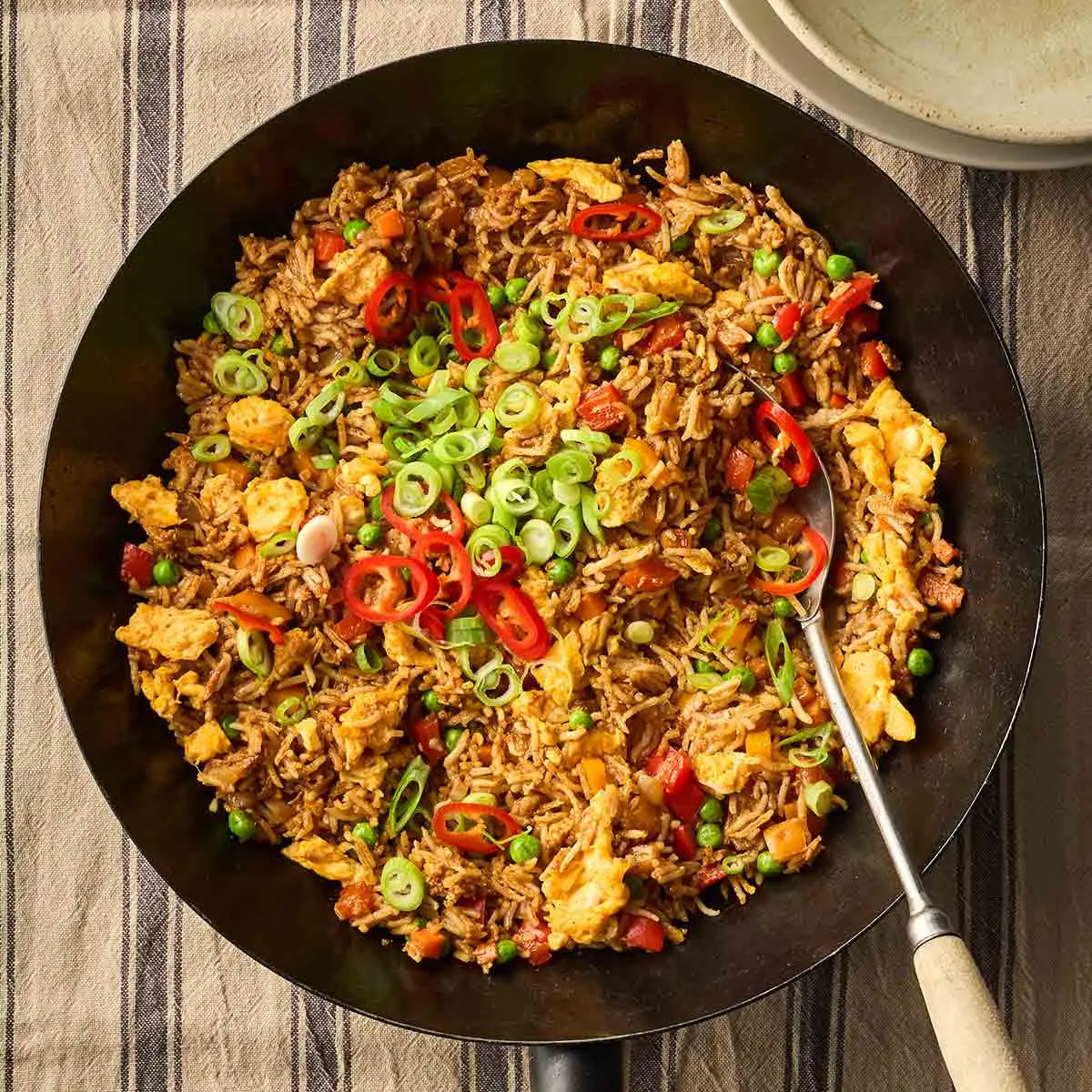
Using a wok is ideal because its shape allows for easy tossing and high heat distribution, but a large, heavy-bottomed stainless steel or cast-iron skillet works perfectly well for home cooks. The goal is to create a "wok hei," or the breath of the wok, which refers to the distinct charred, smoky flavor imparted by high-heat stir-frying. Start by heating your oil until it shimmers, then add your aromatics. Once fragrant, push them to the side to cook your protein, then add the rice and break up any clumps with a spatula.
The cooking process should be performed in stages to maintain the temperature of the pan. If you add too many ingredients at once, the pan temperature will drop, causing the rice to stew in its own moisture rather than fry. Keep the heat on high throughout the process and keep the ingredients moving constantly. This constant motion prevents burning and ensures that the heat is evenly distributed across every grain of rice in the pan.
Common mistakes when making fried rice
One of the most frequent errors is overcrowding the pan. When the pan is too full, the ingredients steam instead of browning, which results in a bland, pale dish. If you are cooking for a large group, it is better to work in two separate batches rather than trying to fit everything into one pan at once. Another common mistake is neglecting the oil; fried rice requires enough fat to coat the grains, so do not be afraid to add a tablespoon or two if the pan looks dry.
- Adding too much soy sauce, which makes the rice dark, salty, and wet.
- Failing to break up rice clumps before adding them to the pan.
- Using too many watery vegetables, such as fresh tomatoes or zucchini, which release liquid during cooking.
- Forgetting to season the protein separately before adding it to the rice mixture.
- Turning the heat down too low, which prevents the rice from developing a crisp texture.
How to customize your fried rice
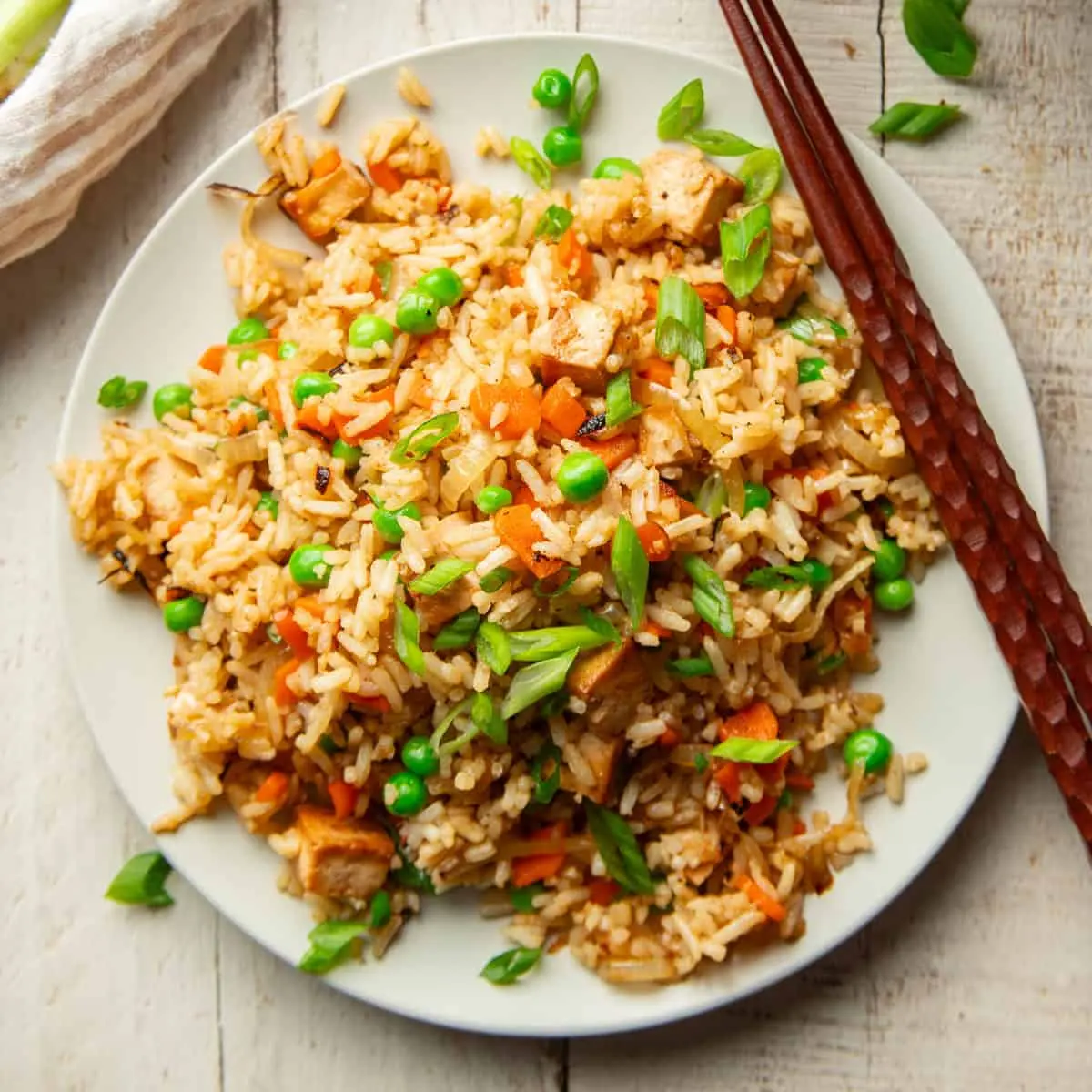
Fried rice is a foundational dish that serves as a canvas for various flavor profiles and leftovers. While the classic version relies on soy sauce and scallions, you can easily adapt the dish to suit your preferences or what is currently in your refrigerator. For a Thai-inspired version, add fish sauce, lime juice, and chili flakes. For a Japanese twist, incorporate furikake or bits of nori. The protein can range from traditional Cantonese-style char siu pork to simple scrambled eggs or even leftover steak.
To elevate the dish, consider finishing it with a drizzle of chili crisp or a sprinkle of toasted sesame seeds for added texture. If you prefer a vegetarian version, mushrooms provide a deep, umami-rich flavor that mimics the savoriness of meat. Regardless of the additions, always taste the dish before serving and adjust the seasoning with salt or white pepper as needed. By mastering the basic technique of high-heat frying with chilled rice, you can create a professional-grade meal from simple pantry staples in under fifteen minutes.
Key facts
- Use day-old, refrigerated rice to ensure the grains remain firm and separate during frying.
- High heat is essential to achieve "wok hei," the smoky flavor characteristic of authentic fried rice.
- Avoid overcrowding the pan, as this causes the rice to steam rather than fry, resulting in a mushy texture.
- Scramble eggs separately before adding them to the rice to prevent them from coating the grains in a raw, sticky layer.
- Use a neutral oil with a high smoke point, such as canola, vegetable, or grapeseed oil.
- Incorporate aromatics like minced garlic, ginger, and scallions at the beginning to build a deep flavor base.
The bottom line
Successful fried rice relies on moisture control and high-temperature cooking. By using cold, day-old rice and cooking in small batches, you ensure each grain remains distinct and flavorful. Remember to prepare your proteins and vegetables beforehand, as the frying process moves very quickly. With these techniques, you can transform simple pantry staples into a professional-quality meal that balances texture, aromatics, and savory depth perfectly.
People also ask
Can I use freshly cooked rice for fried rice?
Freshly cooked rice contains too much moisture, which will turn your dish into a clumped, soft mess. If you must use fresh rice, spread it onto a baking sheet and let it cool and dry in the refrigerator for at least an hour.
What is the best type of rice to use?
Long-grain white rice, such as Jasmine, is ideal because it has a lower starch content and stays distinct when stir-fried. Avoid using short-grain or sushi rice, as these varieties become too sticky and soft under high heat.
Why does my fried rice turn out soggy?
Soggy rice is usually the result of using too much liquid, such as soy sauce, or cooking at a temperature that is too low. Always add sauces sparingly and ensure your pan is hot enough to evaporate excess moisture immediately upon contact.
Should I use a wok or a frying pan?
A carbon steel wok is preferred because its shape allows for easy tossing and even heat distribution. If you do not have a wok, a large, wide-bottomed stainless steel or cast-iron skillet works well to provide enough surface area for frying.
How do I prevent the rice from sticking to the pan?
Ensure the pan is thoroughly preheated before adding oil and the rice. A well-seasoned wok or a high-quality non-stick skillet will significantly reduce sticking, provided you keep the ingredients moving constantly.
Can I add raw meat to the rice while frying?
It is best to cook your proteins, such as chicken, shrimp, or pork, separately and remove them from the pan before frying the rice. Adding raw meat directly to the rice often leads to uneven cooking and can release too much liquid into the dish.
This answer was created with the help of AI research tools and reference sources. Spotted an error? Let us know — we correct mistakes quickly. See our editorial policy.