How do you make butter chicken?
Short answer
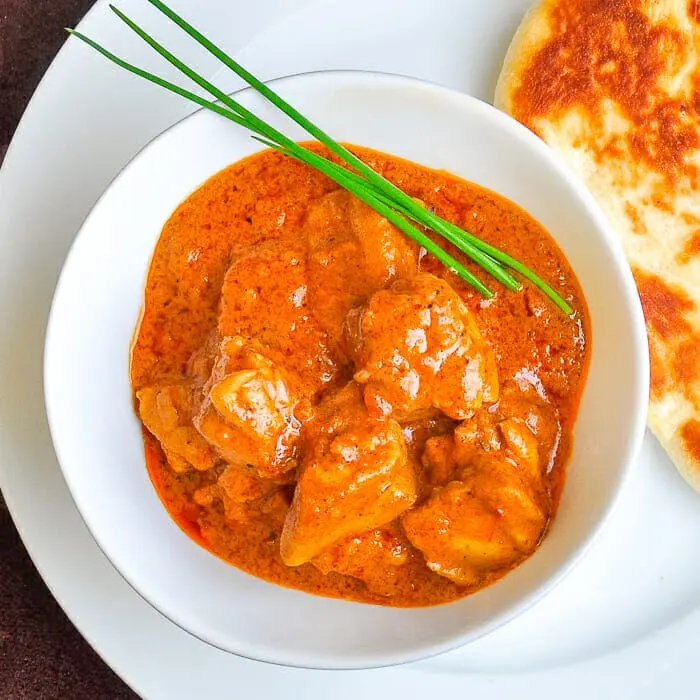
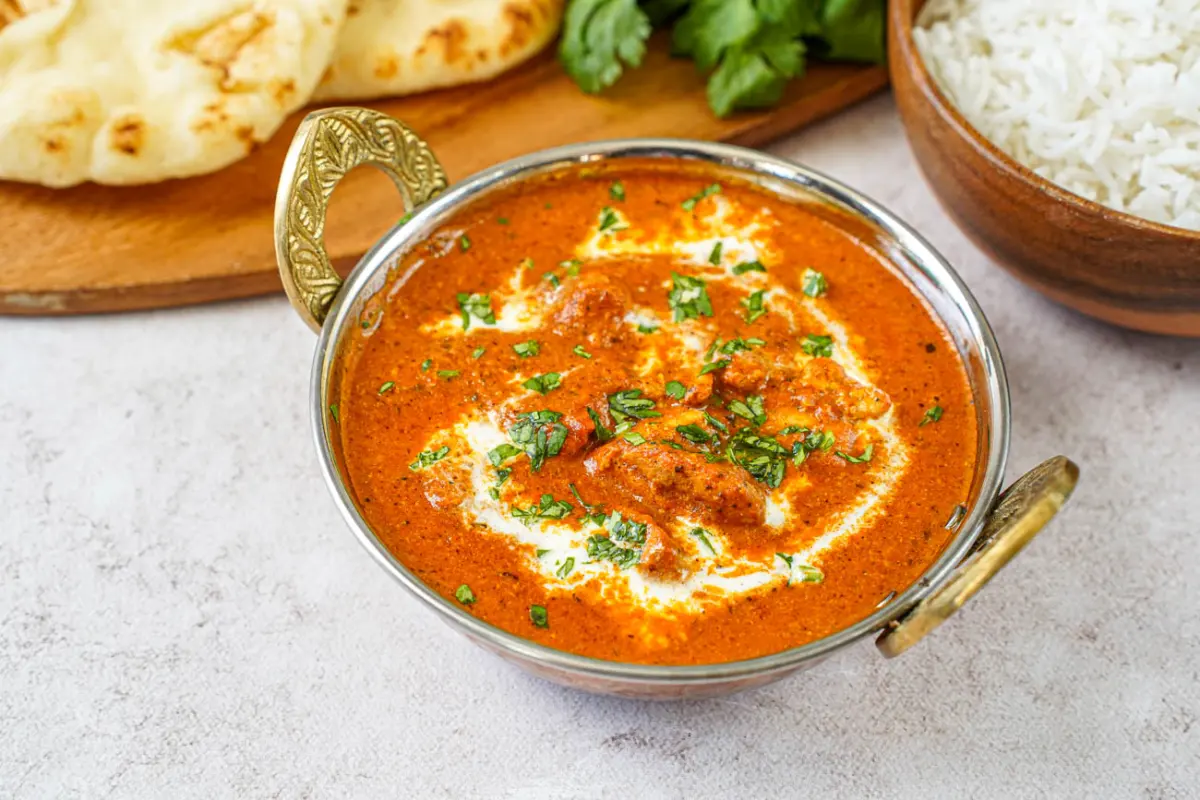
Butter chicken, or murgh makhani, is a classic North Indian dish featuring tender, marinated chicken simmered in a silky, spiced tomato-cream sauce. To make it, marinate chicken in yogurt and spices, grill or sear it, then combine with a rich gravy made from tomatoes, butter, cream, ginger, garlic, and garam masala.
On this page
How to prepare the chicken marinade
The foundation of authentic butter chicken lies in the marinade, which tenderizes the meat and infuses it with deep flavor. You should combine boneless, skinless chicken thighs with plain, full-fat Greek yogurt, lemon juice, ginger-garlic paste, and a blend of Kashmiri chili powder, turmeric, cumin, and garam masala. The acidity of the yogurt breaks down the muscle fibers, ensuring the chicken remains succulent even after cooking.
For the best texture and flavor, allow the chicken to marinate for at least four hours, though overnight is ideal. This extended time allows the enzymes in the yogurt to penetrate the meat thoroughly. Ensure your chicken pieces are cut into uniform, bite-sized cubes to guarantee even cooking. Avoid using chicken breast if possible, as thighs provide a higher fat content that stays moist during the high-heat searing process required for this dish.
How to cook the chicken and sauce
Cooking butter chicken involves a two-stage process: searing the chicken and building the complex sauce. First, sear the marinated chicken in a hot pan or under a broiler until it develops a slight char. While the chicken cooks, prepare the sauce in a separate pot by sautéing aromatics and simmering tomatoes until they break down into a smooth, thick base.
- Heat oil or ghee in a heavy-bottomed pan and sauté onions until soft.
- Add ginger, garlic, and green chilies, cooking until the raw smell dissipates.
- Stir in tomato purée, Kashmiri chili powder, and salt, simmering until the oil separates from the sides.
- Fold in the cooked chicken pieces and a splash of water if the sauce is too thick.
- Finish by stirring in heavy cream, butter, and a pinch of dried fenugreek leaves (kasuri methi).
How long does it take to make butter chicken
From start to finish, the active preparation time for butter chicken is approximately 45 to 60 minutes, excluding the marination period. The sauce requires patience, as the tomatoes must be cooked down slowly to remove their acidity and achieve a balanced, sweet-savory profile. If you rush this step, the sauce will taste sharp and one-dimensional rather than rich and velvety.
The cooking process is relatively straightforward once the prep work is complete. You should plan for about 15 minutes of chopping and mixing, 10 minutes of searing the chicken, and 30 minutes for the sauce to simmer and meld. If you are serving this for a dinner party, prepare the sauce ahead of time, as the flavors often improve after sitting for a few hours. Always keep the heat at a medium-low setting once the cream is added to prevent the sauce from breaking or curdling.
Best ingredients for beginners
To achieve a restaurant-quality result, the quality of your spices and fats is paramount. Use Kashmiri chili powder, which provides a vibrant red color without excessive heat, and high-quality unsalted butter to create the signature richness. Kasuri methi, or dried fenugreek leaves, is the secret ingredient that provides the dish’s distinctive, slightly bitter, and aromatic finish. Do not skip this, as it differentiates butter chicken from other tomato-based curries.
When selecting tomatoes, use high-quality canned tomato purée or passata rather than fresh tomatoes, which can vary in acidity and water content. Using a consistent base ensures your sauce reaches the desired velvety consistency every time. Additionally, using ghee instead of vegetable oil adds a nutty, traditional depth of flavor that is difficult to replicate with neutral oils. Ensure your ginger-garlic paste is fresh, as pre-packaged versions often contain preservatives that can alter the taste of the final gravy.
Common mistakes when making butter chicken
One of the most frequent errors is failing to sear the chicken properly, which results in a boiled texture rather than the charred, smoky flavor expected in this dish. Another common mistake is adding the cream while the sauce is at a rolling boil, which can cause the dairy to separate and create an unappealing, grainy texture. Always reduce the heat to low or remove the pan from the burner entirely before stirring in the cream and butter.
- Overcrowding the pan during the searing process, which causes the chicken to steam rather than brown.
- Using too much water, resulting in a thin, watery sauce that lacks the necessary coating consistency.
- Neglecting to strain the sauce if you prefer a perfectly smooth, restaurant-style texture.
- Adding too much sugar; while a small amount balances the tomatoes, the dish should remain savory.
- Skipping the final step of crushing the dried fenugreek leaves between your palms to release their essential oils before adding them to the pot.
Key facts
- Butter chicken, or murgh makhani, originated in the 1950s at the Moti Mahal restaurant in Delhi, India.
- The dish was created by repurposing leftover tandoori chicken in a tomato-based gravy to prevent the meat from drying out.
- A key component is the use of kasuri methi, or dried fenugreek leaves, which provides the signature earthy aroma.
- Authentic recipes prioritize a velvety texture, often achieved by straining the sauce through a fine-mesh sieve.
- The "butter" in the name refers to the generous addition of butter or heavy cream added at the final stage of cooking.
- Unlike spicy curries, butter chicken is characterized by its mild, slightly sweet, and rich flavor profile.
The bottom line
Butter chicken is a beloved culinary classic that balances tender, marinated poultry with a rich, aromatic tomato gravy. By focusing on high-quality ingredients like kasuri methi and ensuring the sauce is perfectly smooth, you can recreate this restaurant-quality dish at home. Remember to avoid overcooking the chicken and balance the acidity of the tomatoes with cream to achieve the signature, indulgent flavor profile that defines this meal.
People also ask
Can I use chicken breast instead of thighs?
You can use chicken breast, but thighs are preferred because they remain succulent during the simmering process. If using breast meat, be careful not to overcook it, as it tends to dry out quickly in the sauce.
What is the difference between butter chicken and chicken tikka masala?
While similar, butter chicken typically features a creamier, milder tomato sauce with a higher butter content. Chicken tikka masala is often spicier, uses more onions in the base, and has a more pronounced roasted flavor profile.
Do I need a tandoor oven to make authentic butter chicken?
A traditional clay tandoor is ideal for the smoky flavor, but you can replicate the result at home using a heavy cast-iron skillet or a broiler. Marinating the chicken with yogurt and spices is the most important step for tenderness.
How can I thicken the sauce without adding more cream?
You can thicken the sauce by simmering it longer to reduce the liquid or by blending a portion of the cooked onions and tomatoes. Adding a small amount of cashew paste is another traditional method to achieve a rich, thick consistency.
Is it necessary to marinate the chicken overnight?
Marinating for at least four hours is recommended to allow the yogurt and spices to tenderize the meat. Overnight marination is even better, as it ensures the flavors penetrate deep into the chicken fibers.
How do I store leftover butter chicken?
Store the dish in an airtight container in the refrigerator for up to three days. When reheating, add a splash of water or cream to loosen the sauce, as the fats will solidify when chilled.
This answer was created with the help of AI research tools and reference sources. Spotted an error? Let us know — we correct mistakes quickly. See our editorial policy.