How do you make brownies?
Short answer
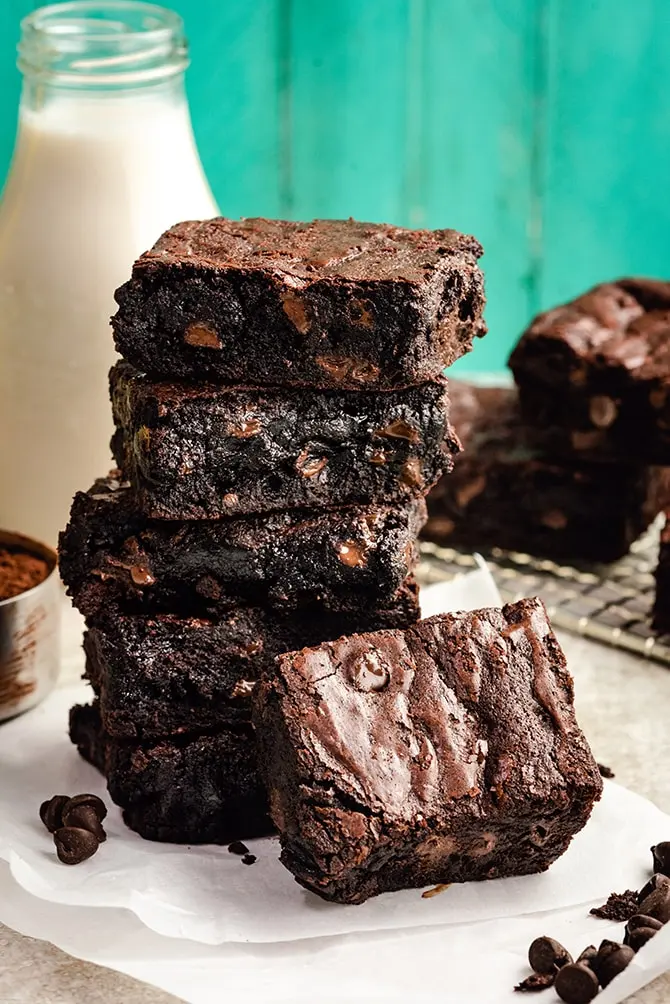
Making brownies involves melting butter and chocolate, whisking in sugar, eggs, and vanilla, then folding in flour and cocoa powder. Bake the batter at 350°F (175°C) in a square pan for 25 to 30 minutes. The result is a dense, fudgy dessert that balances rich cocoa flavors with a delicate, crackly crust.
On this page
How long does it take to bake brownies
Preparing a batch of brownies typically takes about 45 to 50 minutes from start to finish. You will spend roughly 10 to 15 minutes assembling the ingredients and mixing the batter. The baking duration usually ranges from 25 to 35 minutes depending on the desired texture and the specific depth of your baking pan.
It is essential to account for cooling time before slicing, which adds another 30 to 60 minutes. Cutting into them while they are piping hot often results in a messy, crumbling texture rather than clean squares. Patience during this final stage ensures the structure sets properly, allowing for the characteristic fudgy consistency that defines a high-quality brownie.
Best ingredients for beginners
To achieve professional results, prioritize the quality of your cocoa powder and chocolate. Using high-quality Dutch-processed cocoa provides a deeper, darker color and a smoother flavor profile compared to standard natural cocoa. Similarly, using real butter rather than margarine improves the richness and mouthfeel of the final product.
When selecting your components, consider the following essentials:
- Unsalted butter: Allows you to control the exact salt content.
- Granulated sugar: Creates the signature crackly top crust.
- Large eggs: Provide the necessary structure and leavening.
- Pure vanilla extract: Enhances the depth of the chocolate notes.
- All-purpose flour: Use sparingly to maintain a dense, chewy texture.
Why do brownies become cakey or fudgy
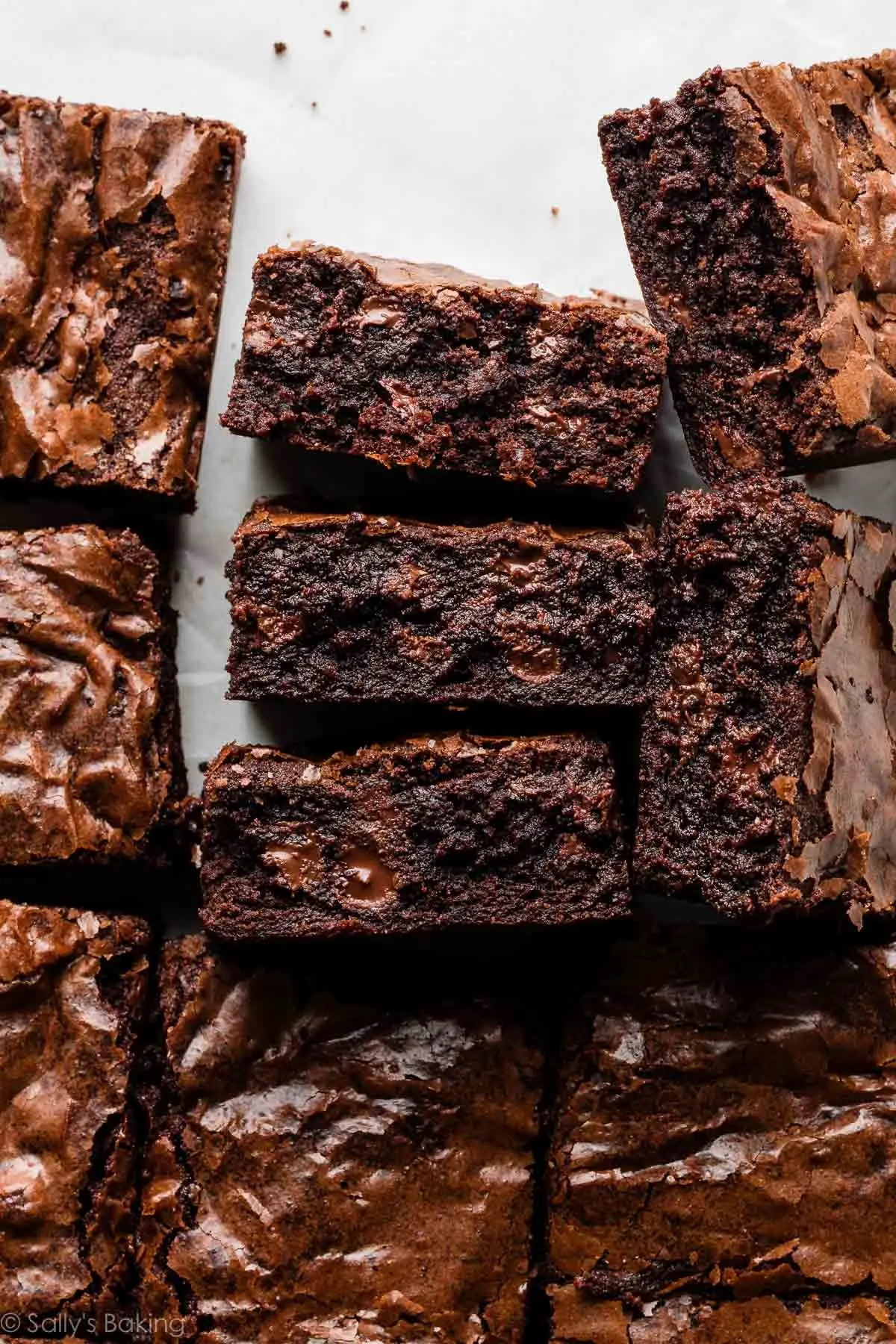
The distinction between cakey and fudgy brownies lies primarily in the ratio of fat to flour and the amount of leavening used. Fudgy brownies contain a higher proportion of fat, such as butter and chocolate, and very little to no baking powder. This high fat-to-flour ratio prevents the crumb from expanding, resulting in a dense, moist interior.
Conversely, cakey brownies incorporate more flour and often include baking powder or baking soda to encourage aeration. This creates a lighter, more porous structure similar to a traditional sponge cake. If you prefer a fudgy result, avoid over-mixing the batter once the flour is added, as excessive agitation develops gluten, which toughens the final texture and pushes the brownie toward a bread-like consistency.
Common mistakes when baking brownies
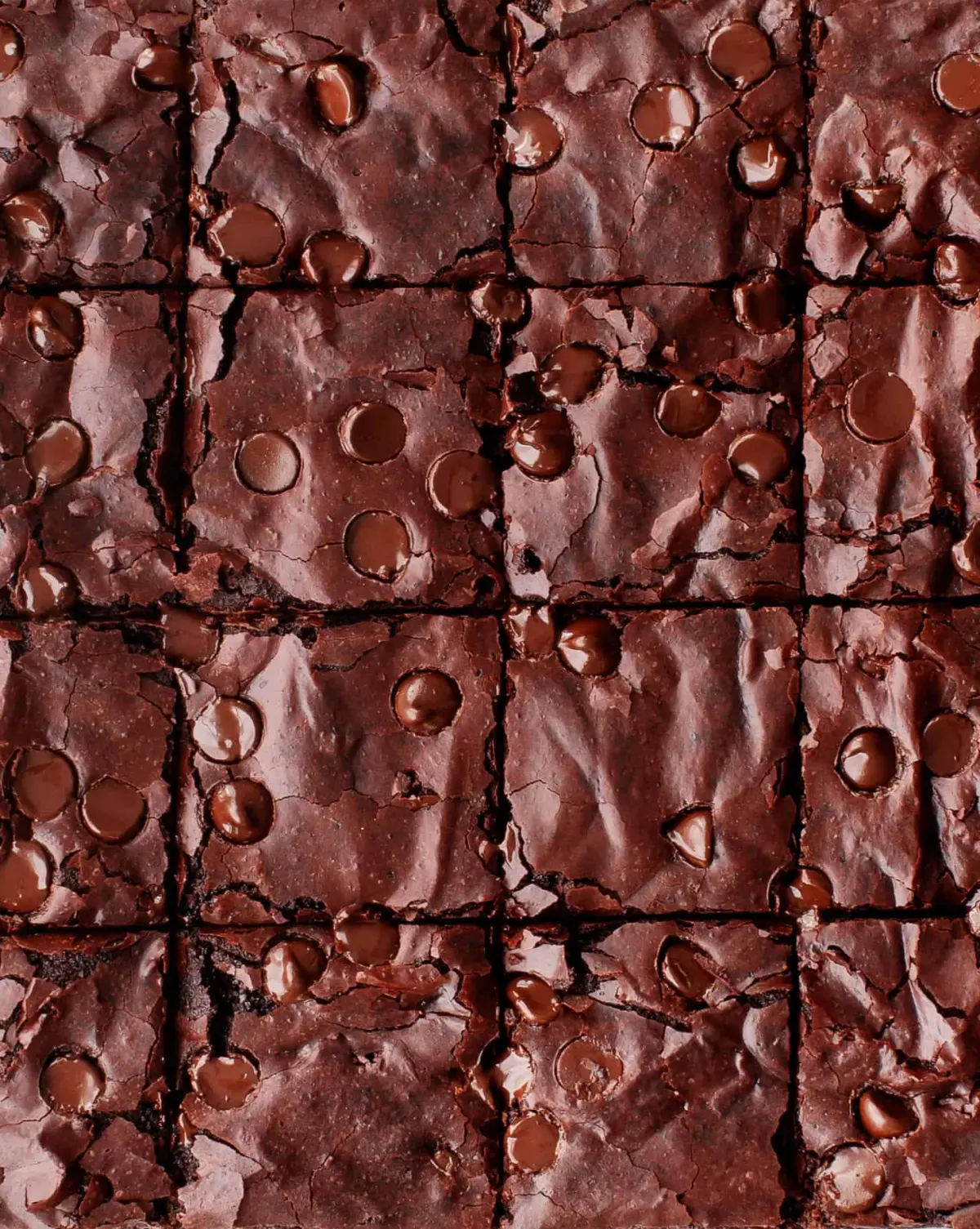
Many home bakers accidentally overbake their brownies, which is the most frequent cause of a dry or chalky texture. Because brownies continue to cook from residual heat after being removed from the oven, they should be pulled when a toothpick inserted into the center comes out with a few moist crumbs attached. If the toothpick comes out clean, the center is already overcooked.
Follow these steps to avoid common pitfalls during the process:
- Measure flour by spooning it into the cup rather than scooping directly, which prevents packing and excess flour.
- Use a metal pan instead of glass, as metal conducts heat more efficiently for an even rise.
- Line your pan with parchment paper to ensure easy removal without breaking the edges.
- Allow the brownies to cool completely in the pan to maintain their structural integrity.
How to store and serve brownies
Proper storage is vital for maintaining the moisture of your brownies over several days. Keep them in an airtight container at room temperature for up to three days to preserve their soft texture. If you need to keep them longer, wrapping them tightly in plastic wrap and placing them in the refrigerator extends their shelf life to about a week.
For an elevated serving experience, warm individual squares in the microwave for ten seconds before adding a scoop of vanilla ice cream. This contrast between the warm, dense chocolate and the cold, creamy dairy creates a classic dessert pairing. If you intend to freeze them, wrap each square individually in foil and place them in a freezer bag to prevent freezer burn, allowing you to enjoy a treat whenever you desire.
Key facts
- Use high-quality cocoa powder or melted bittersweet chocolate to determine the intensity of the flavor.
- Room temperature eggs emulsify better into the batter, resulting in a smoother, more consistent texture.
- Do not overmix the batter once the flour is added; excessive stirring develops gluten, leading to cakey rather than fudgy brownies.
- Line your baking pan with parchment paper, leaving an overhang on the sides to easily lift the cooled brownies out for slicing.
- Brownies continue to cook from residual heat after being removed from the oven, so pull them out when a toothpick comes out with a few moist crumbs.
- Allow brownies to cool completely in the pan before cutting to ensure clean, sharp edges.
The bottom line
Making the perfect brownie relies on precision and timing. By choosing high-quality ingredients, avoiding overmixing, and pulling the pan from the oven while the center is still slightly moist, you ensure a decadent, fudgy result. Cooling the brownies completely before slicing is essential for clean presentation. With these fundamental techniques, you can master the balance of texture and flavor required for a professional-grade homemade dessert.
People also ask
Why did my brownies turn out dry and cakey?
Dry brownies are typically the result of overbaking or using too much flour in the recipe. Ensure you measure your flour by spooning it into the cup rather than scooping it directly to avoid packing.
Should I use butter or oil in my brownie recipe?
Butter provides a richer, more complex flavor, while oil creates a moister, fudgier texture. Many professional bakers use a combination of both to achieve the best balance of taste and mouthfeel.
How can I tell if my brownies are fully baked?
Insert a toothpick into the center of the pan; it should come out with a few damp crumbs attached. If it comes out clean, the brownies are likely overbaked, and if it has wet batter, they need more time.
Can I substitute cocoa powder for melted chocolate?
These ingredients are not directly interchangeable because melted chocolate contains cocoa butter, which adds fat and structure. If you swap them, you must adjust the fat content in the recipe to maintain the correct consistency.
Why do my brownies have a paper-thin, crackly top?
A crackly top is achieved by fully dissolving the sugar into the eggs or melted butter before adding the dry ingredients. Whisking the eggs and sugar vigorously until the mixture is pale and thick is the secret to this texture.
How should I store leftover brownies?
Keep brownies in an airtight container at room temperature for up to three days to maintain their moisture. For longer storage, wrap them tightly and freeze them for up to three months.
This answer was created with the help of AI research tools and reference sources. Spotted an error? Let us know — we correct mistakes quickly. See our editorial policy.