How many babies do pandas have?
Short answer
Giant pandas typically give birth to one or two cubs at a time. While twins are relatively common, occurring in about half of all births, the mother usually only raises one cub in the wild. This survival strategy ensures the strongest infant receives the necessary care and nutrition to reach maturity successfully.
On this page
How often do giant pandas reproduce?
Giant pandas are seasonal breeders, with a very narrow window of opportunity for conception. Females are in estrus for only 24 to 72 hours once per year, typically occurring between March and May. Because this timeframe is so brief, the success rate for mating in the wild is often low, which contributes to the species' overall slow population growth.
Once a female conceives, the gestation period is highly variable, ranging from 95 to 160 days. This irregularity is due to a phenomenon known as delayed implantation, where the fertilized egg floats freely in the uterus before attaching to the uterine wall. This evolutionary adaptation allows the mother to time the birth of her cub to coincide with periods when food resources are most abundant.
Why do pandas often have twins?
Biologists have observed that giant pandas produce twins in approximately 50 percent of pregnancies. Despite this high frequency, the mother rarely attempts to raise both cubs simultaneously. In the wild, the physical and caloric demands of nursing a single cub are immense, and the mother lacks the energy reserves to provide adequate care for two infants at once.
When twins are born, the mother will instinctively choose the healthier or more vigorous cub to nurture. The second cub is often abandoned or ignored, leading to its death. This behavior is not a sign of neglect but rather a survival mechanism designed to ensure that at least one offspring survives to adulthood in the challenging mountain environments of China.
- The mother gives birth to a tiny, underdeveloped cub.
- She selects the stronger infant to focus her energy on.
- The second cub is left behind to conserve the mother's resources.
- Conservationists sometimes intervene to hand-rear the abandoned twin.
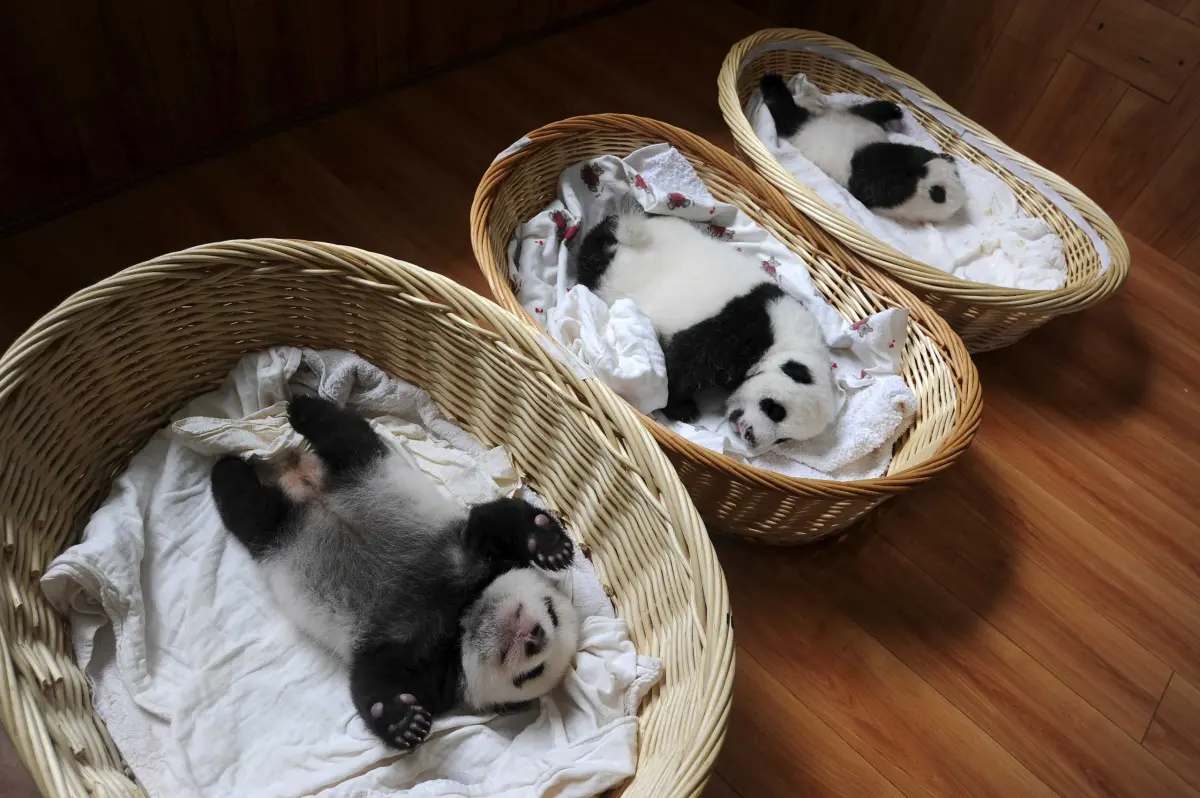
How do researchers support panda cub survival?
In captivity, conservationists have developed techniques to circumvent the natural abandonment of the second twin. By rotating the cubs between the mother and an incubator, keepers can trick the panda into believing she is only caring for one infant. This allows both cubs to receive the benefits of natural nursing and maternal bonding.
This practice, known as "twin swapping," has significantly increased the survival rate of captive-born giant pandas. It requires constant monitoring and precise timing to ensure the mother does not reject the cubs during the exchange process. This human intervention has been a critical component of global efforts to bolster the population of this vulnerable species.
- Monitor the cubs' weight daily to track growth.
- Use scent-masking techniques to prevent the mother from detecting the other cub.
- Provide high-quality bamboo to the mother to maintain her milk production.
- Ensure the incubator environment mimics the warmth of the mother's body.
What are the common mistakes when caring for panda cubs?
One of the most frequent errors in captive breeding programs is failing to provide a quiet, low-stress environment for the mother. Giant pandas are solitary animals and become highly agitated if they perceive threats or excessive human activity near their den. Stress can lead to a mother accidentally injuring her cub or refusing to nurse, which is fatal for the newborn.
Another common mistake is over-handling the cubs, which can disrupt the natural bonding process. While health checks are necessary, they must be performed with extreme caution and minimal contact. Experts emphasize that the mother’s instinctual care is far superior to any artificial method, so keepers should only intervene when it is absolutely necessary for the survival of the cub.
- Creating loud noises or allowing crowds near the nesting area.
- Removing the cub from the mother for too long during checkups.
- Ignoring signs of maternal stress or agitation.
- Improperly regulating the temperature of the artificial nursery.
How do panda cubs grow and develop?
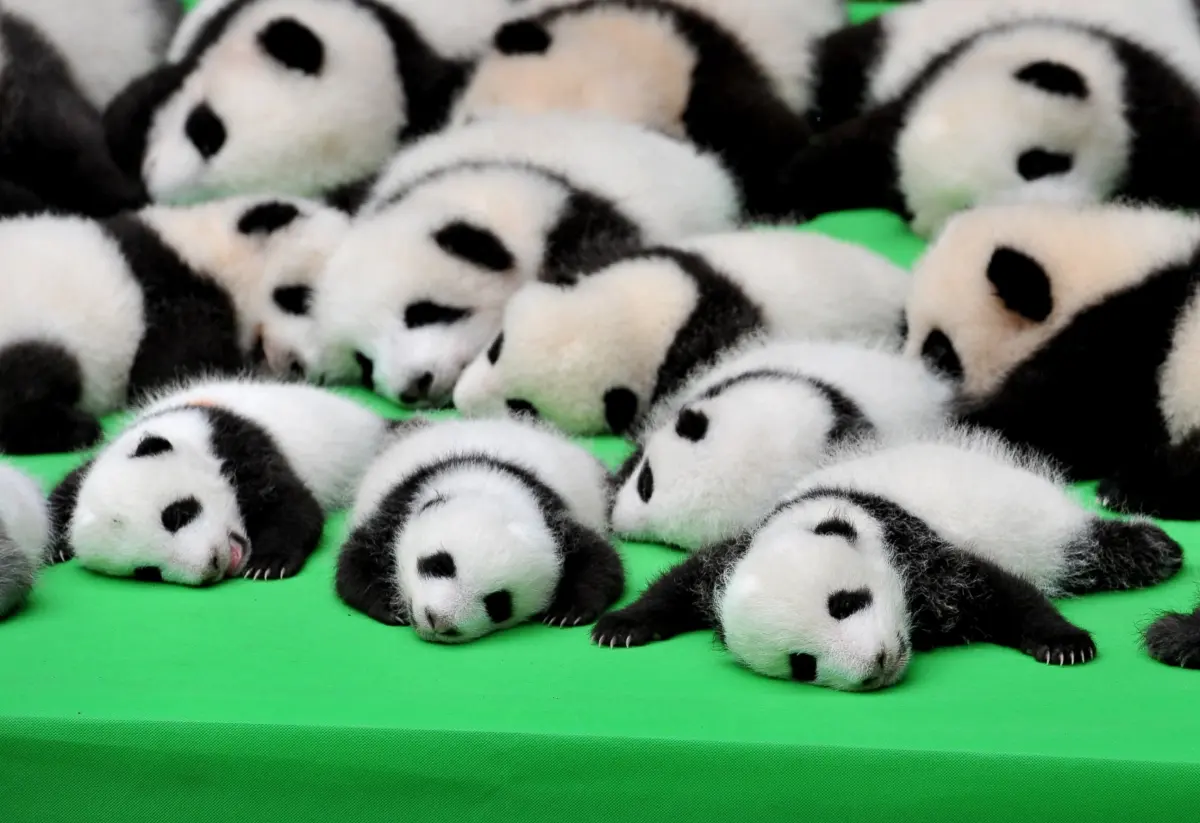
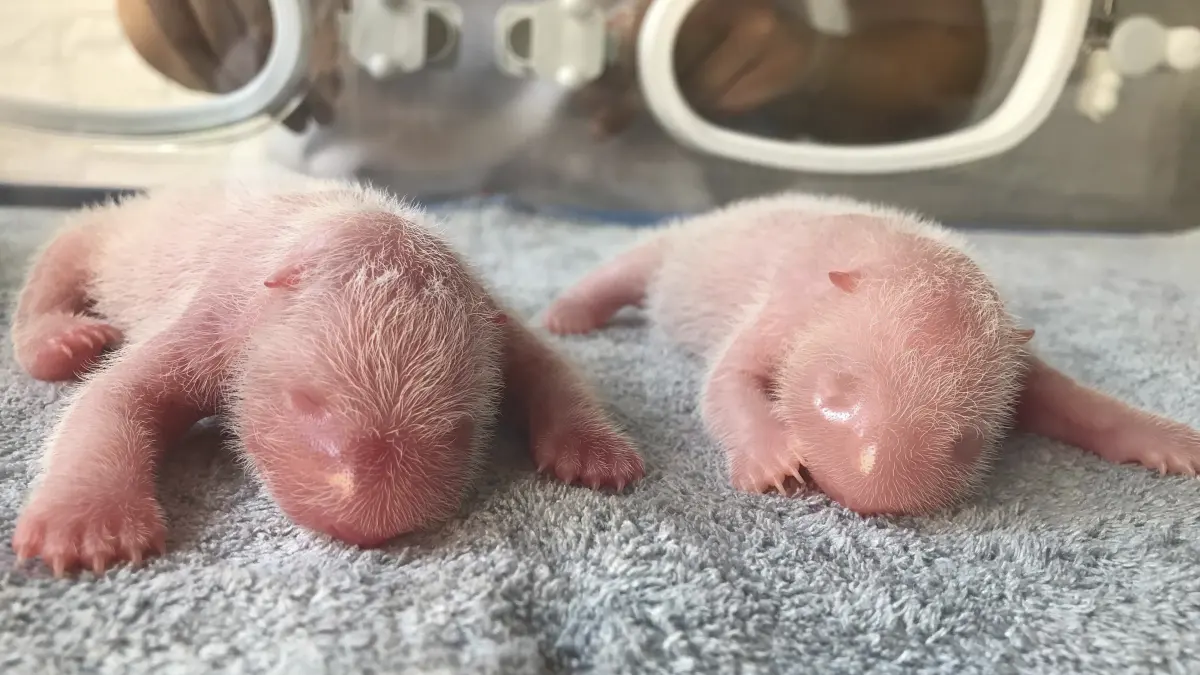
A newborn giant panda is incredibly small, weighing only about 3 to 5 ounces, which is roughly 1/900th of the mother's weight. They are born blind, hairless, and completely dependent on their mother for warmth and nutrition. During the first few weeks, the mother rarely leaves the den, holding the cub close to her chest to maintain its body temperature.
Development is rapid, with the cub beginning to grow its iconic black-and-white fur within a month. By three months, the cub starts to crawl, and by six months, it begins to eat small amounts of bamboo. They remain with their mothers for approximately 18 to 24 months before setting out to establish their own territory, marking the beginning of their independent life in the forest.
Key facts
- Giant pandas typically give birth to only one cub at a time, though twins occur in about 50 percent of pregnancies.
- Newborn pandas are extremely small, weighing only 3 to 5 ounces, which is about 1/900th the size of their mother.
- Female pandas are monoestrous, meaning they are only fertile for a brief window of 24 to 72 hours once per year.
- Mothers often abandon the second cub if they have twins because they lack the energy to raise two vulnerable infants simultaneously.
- Cubs remain entirely dependent on their mothers for milk and warmth until they begin to crawl at approximately 75 to 90 days old.
- Captive breeding programs often rotate twins between the mother and an incubator to ensure both cubs receive adequate nutrition and care.
The bottom line
Giant pandas are biologically programmed for low reproductive output, usually birthing a single, highly vulnerable cub. While twins are relatively common, the mother’s limited energy often results in the survival of only one offspring in the wild. Understanding these reproductive constraints is essential for conservation efforts, as the slow pace of population growth makes the species particularly sensitive to environmental changes and habitat fragmentation across their range.
People also ask
How long do panda cubs stay with their mothers?
Panda cubs typically stay with their mothers for 18 months to two years. During this time, they learn how to forage for bamboo and navigate their environment before becoming independent.
Why are newborn pandas pink and hairless?
Newborn pandas are born in an underdeveloped state because the mother’s gestation period is relatively short. They lack the thick, black-and-white fur characteristic of adults and rely on their mother's body heat for survival.
Do male pandas help raise the cubs?
No, male giant pandas are solitary animals and do not participate in raising offspring. The female is solely responsible for the protection and feeding of the cub throughout its development.
How fast do panda cubs grow?
Cubs grow rapidly, reaching about 100 pounds by the time they are one year old. Their iconic black-and-white markings typically begin to appear within the first few weeks of life.
What is the biggest danger to newborn pandas?
The primary danger is the cub's extreme fragility and small size, which makes them susceptible to accidental injury by the mother. Because the mother is so much larger, she must be very careful when moving or nursing her tiny infant.
Can pandas breed in the wild every year?
While they are biologically capable, wild pandas usually only produce offspring every two to three years. This slow reproductive rate makes it difficult for wild populations to recover quickly from habitat loss or environmental stressors.
This answer was created with the help of AI research tools and reference sources. Spotted an error? Let us know — we correct mistakes quickly. See our editorial policy.