What is the difference between baking soda and baking powder?
Short answer
Baking soda is pure sodium bicarbonate, a base that requires an acidic ingredient to activate. Baking powder is a complete leavening agent containing sodium bicarbonate, one or more dry acids, and a starch buffer. While baking soda needs external acid to rise, baking powder creates its own reaction when moistened.
On this page
What is the chemical difference between baking soda and baking powder?
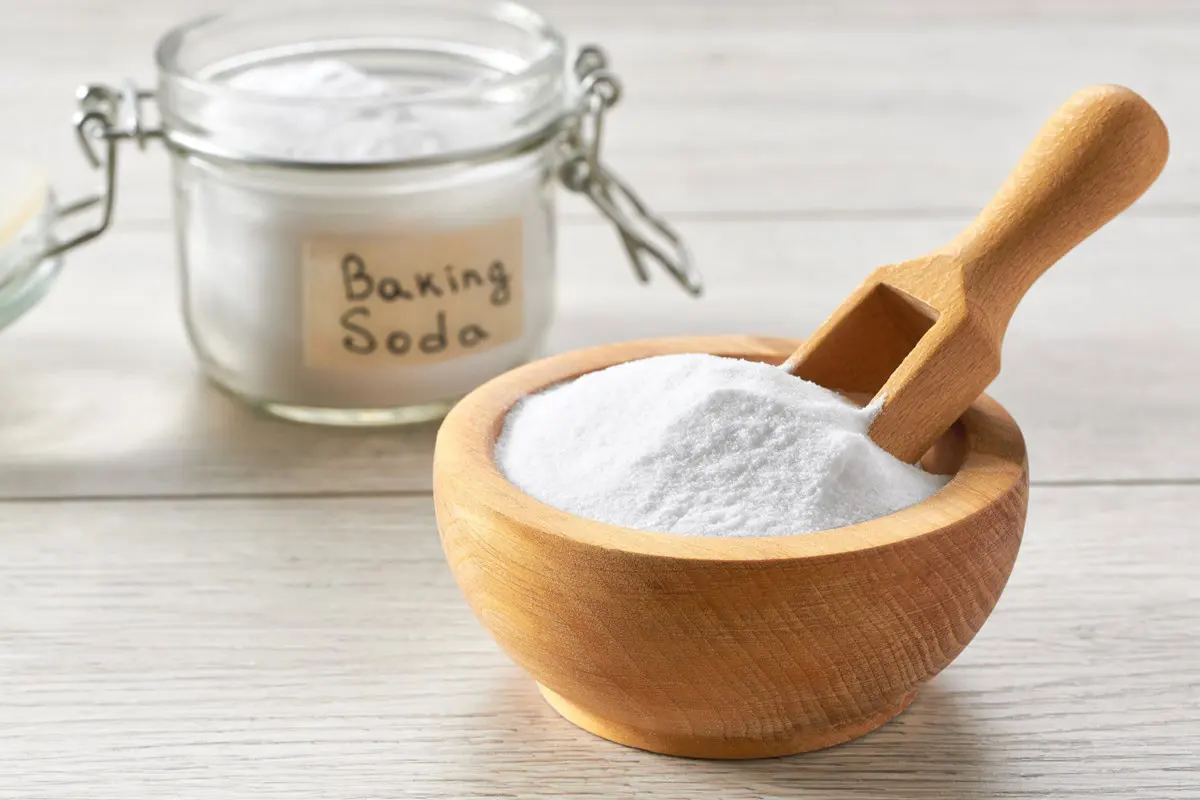
Baking soda, or sodium bicarbonate, is a basic chemical compound that reacts instantly when it encounters an acidic ingredient in a recipe. Common acidic components used in baking include buttermilk, yogurt, lemon juice, vinegar, or molasses. When these substances mix, they produce carbon dioxide gas, which creates bubbles that allow dough or batter to rise. Because it is a pure base, baking soda is approximately three to four times stronger than baking powder.
Baking powder is a pre-mixed compound consisting of sodium bicarbonate combined with a dry acid, such as cream of tartar, and a starch like cornstarch. The starch acts as a stabilizer to prevent the acid and base from reacting prematurely while sitting in the pantry. Because it contains its own acid, baking powder does not require additional acidic ingredients to trigger the leavening process. It is the preferred choice for recipes that lack naturally acidic components, such as simple sponge cakes or basic sugar cookies.
How do you choose the right leavening agent?
Selecting the correct leavening agent depends entirely on the other ingredients listed in your recipe. If a recipe calls for acidic ingredients, baking soda is usually the primary choice to neutralize that acid and provide lift. If you were to use baking powder in a recipe dominated by acidic ingredients, the result might taste metallic or soapy due to an excess of chemical leaveners.
Follow these guidelines when deciding which agent to use:
- Use baking soda when the recipe includes acidic ingredients like buttermilk, honey, or cocoa powder.
- Use baking powder when the recipe relies on neutral ingredients like milk, water, or heavy cream.
- Use a combination of both if a recipe requires more leavening power than the acid present can support.
Always check your recipe’s specific requirements before substituting one for the other. Because baking soda is significantly more potent, swapping them incorrectly will drastically alter the texture and flavor of your final baked good.
Why does baking powder have two types?
Most modern baking powder is labeled as "double-acting," meaning it undergoes two distinct chemical reactions. The first reaction occurs as soon as the powder is mixed with liquid, while the second reaction is triggered by the heat of the oven. This dual-stage process is highly advantageous for home bakers because it provides a safety net if the batter sits on the counter for a few minutes before baking.
Single-acting baking powder, which is less common in retail stores, reacts only once when it comes into contact with moisture. If you use single-acting powder, you must place your pan into the oven immediately after mixing. If you wait too long, the carbon dioxide will escape into the air, and your cake will fail to rise properly. Most commercial products found in grocery stores are double-acting, ensuring consistent results even if your oven takes a few minutes to preheat.
Common mistakes when using leavening agents
One of the most frequent errors in the kitchen is confusing the two powders, which can lead to flat, dense, or oddly flavored results. Another common mistake is failing to check the expiration date of your leavening agents. Over time, these chemicals lose their potency, which means your baked goods will not rise as expected. If you are unsure if your baking powder is still active, you can test it by stirring a half-teaspoon into a cup of hot water; if it bubbles vigorously, it is still good to use.
- Do not exceed the amount of baking soda specified, as too much can leave a bitter, soapy aftertaste.
- Avoid over-mixing batter once leavening agents are added, as this can deflate the air bubbles you are trying to create.
- Ensure your dry ingredients are sifted properly to prevent clumps of baking soda, which can cause unpleasant "salty" pockets in the finished product.
- Keep your containers tightly sealed in a cool, dry place to prevent moisture from activating the leavening agents prematurely.
How to substitute if you run out of ingredients
If you find yourself in the middle of a recipe and realize you are missing one of these agents, you can often make a quick substitution. If you have baking soda but need baking powder, you can create your own by mixing one part baking soda with two parts cream of tartar. This mixture mimics the chemical composition of commercial baking powder perfectly. You can also add a small amount of cornstarch to this mixture to prevent clumping if you plan to store it for future use.
If you have baking powder but need baking soda, the substitution is more difficult because baking powder is much weaker. You would need to use a significantly larger amount of baking powder to achieve the same rise, which will likely introduce unwanted flavors from the extra acids and starches. In most cases, it is better to adjust your recipe to include an acidic liquid or simply head to the store to purchase the correct ingredient. Proper measurement and understanding of these chemical reactions will ensure your baking results are light, airy, and delicious every time you turn on your oven.
Key facts
- Baking soda is pure sodium bicarbonate, a base that requires an acidic ingredient to activate.
- Baking powder is a complete leavening agent containing both sodium bicarbonate and a dry acid like cream of tartar.
- Baking soda is three to four times stronger than baking powder, so use it sparingly to avoid a soapy, metallic taste.
- Double-acting baking powder reacts twice: once when mixed with liquid and again when heated in the oven.
- Store both leaveners in a cool, dry place; moisture will cause them to lose their potency over time.
- To test if your leavener is still active, mix a small amount with water; if it bubbles vigorously, it is ready to use.
The bottom line
The primary difference lies in their chemical composition: baking soda is a pure base requiring an external acid, while baking powder is a self-contained leavening system. Choosing the right one depends on the other ingredients in your recipe. Always check for freshness to ensure your baked goods rise properly, and never confuse the two, as their differing strengths will significantly impact your final texture and flavor.
People also ask
Can I substitute baking powder for baking soda?
You generally cannot swap them directly because baking powder lacks the necessary strength and contains added ingredients. If you must substitute, you would need to use three times as much baking powder as the required baking soda, which may alter the flavor of your recipe.
Why do some recipes call for both baking soda and baking powder?
Recipes often use both to achieve the perfect balance of lift and flavor. Baking soda provides the initial rise and neutralizes acidity, while baking powder provides extra leavening power to ensure a light, airy texture.
How can I tell if my baking powder has expired?
Mix one teaspoon of baking powder with one-third cup of hot water. If the mixture does not bubble or fizz immediately, the leavening agent has lost its potency and should be discarded.
Does baking soda affect the color of baked goods?
Yes, baking soda promotes browning by raising the pH level of the batter. This is why it is frequently used in cookies to achieve a deep golden color and crisp texture.
Can I make my own baking powder at home?
You can create a substitute by mixing one part baking soda with two parts cream of tartar. This mixture is single-acting, so you must bake your batter immediately after mixing to capture the carbon dioxide gas.
What happens if I use too much leavening agent?
Using excessive amounts can cause a cake to rise too rapidly and then collapse in the center. It can also impart a bitter, chemical aftertaste that ruins the flavor of your final product.
This answer was created with the help of AI research tools and reference sources. Spotted an error? Let us know — we correct mistakes quickly. See our editorial policy.