How many babies do foxes have?
Short answer
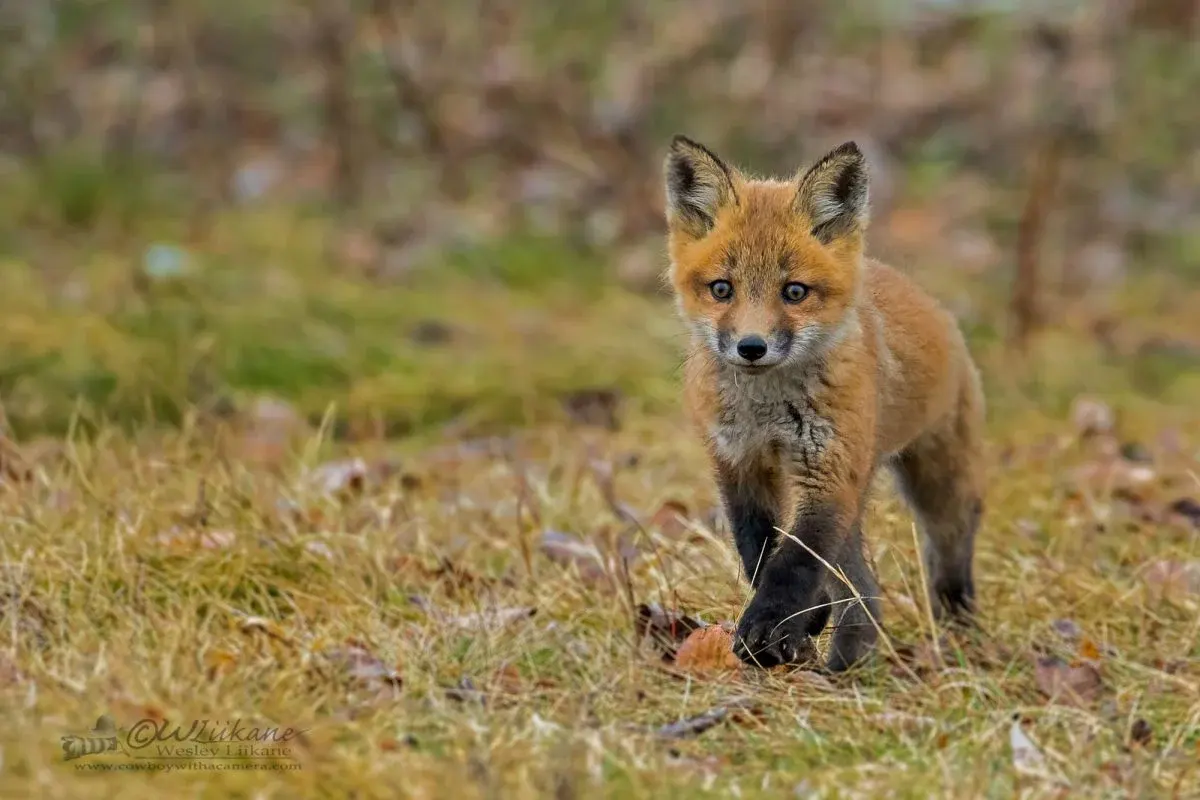
Red foxes typically give birth to a litter of four to six kits, though the number can range from one to twelve. The size of the litter depends on the female’s age, health, and the availability of food in the environment. These young, known as kits or cubs, are born once annually.
On this page
How many babies do foxes have?
A female fox, known as a vixen, produces only one litter per year. While the average litter size is between four and six kits, environmental factors play a significant role in determining the final count. In areas where prey is abundant and the habitat is stable, vixens are more likely to have larger litters. Conversely, in harsh climates or regions with scarce food supplies, the litter size often decreases to ensure the survival of the mother.
The biological cycle of the fox is strictly seasonal, which limits reproductive opportunities. Mating typically occurs in the winter months, specifically between January and March, depending on the latitude. After a gestation period of approximately 51 to 53 days, the kits are born in the spring. Because the vixen must invest significant energy into nursing and protecting her offspring, having more than one litter per year would be physically unsustainable for the animal.
How long does it take for fox kits to grow?
Fox kits are born blind, deaf, and entirely dependent on their mother for warmth and nutrition. They remain inside the den for the first four to five weeks of their lives. During this initial phase, the vixen stays close to provide milk, while the male fox, or dog fox, typically hunts and brings food to the entrance of the den. This division of labor is essential for the survival of the vulnerable litter.
Development happens rapidly once the kits begin to emerge from the den. By the time they are three months old, they are usually weaned and beginning to learn hunting skills. By autumn, the young foxes are typically independent enough to leave their parents and establish their own territories. The following milestones mark their journey toward adulthood:
- Birth: Kits are born with dark, woolly fur and closed eyes.
- Two weeks: Eyes begin to open, and the kits become more mobile.
- Four weeks: Kits start to venture outside the den entrance.
- Eight weeks: Weaning begins as they transition to solid food.
- Six months: Kits reach near-adult size and hunting proficiency.
Why do fox populations fluctuate?
The survival rate of fox kits is heavily influenced by external pressures, which explains why foxes produce relatively large litters. Predation, disease, and habitat loss are the primary drivers of mortality among young foxes. Because the environment is often unpredictable, the strategy of producing several kits at once acts as an evolutionary insurance policy. Even if a portion of the litter does not survive the first year, the species maintains its population density.
Food availability is the most critical factor in determining how many kits survive to adulthood. If a vixen is malnourished during the gestation period, the litter size may be smaller, or the kits may be born with lower birth weights. Furthermore, competition for territory can force younger, less experienced foxes into sub-optimal habitats where resources are limited. This natural regulation ensures that the fox population does not exceed the carrying capacity of the local ecosystem.
Common mistakes when observing fox dens
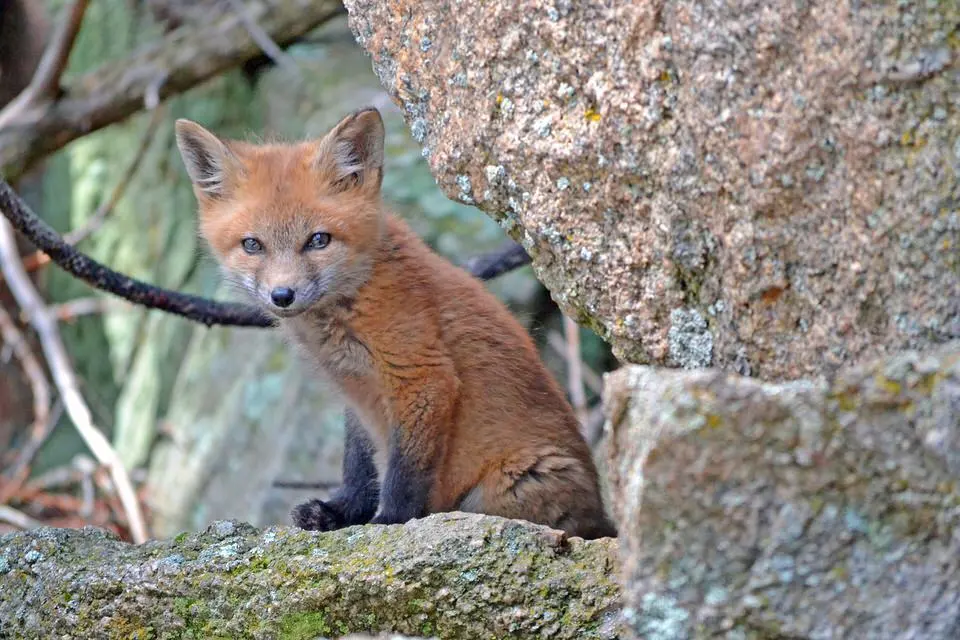
People often make the mistake of approaching a fox den too closely, which can cause significant stress to the mother and her kits. If a vixen feels that her den has been discovered by a potential predator or a human, she may move the entire litter to a secondary location. This relocation process is dangerous for the kits, as it exposes them to the elements and increases the risk of predation. Always maintain a respectful distance to ensure the family remains undisturbed.
Another common error is attempting to feed wild foxes near their den. Providing food can lead to several negative outcomes for the animals:
- Habituation: Foxes may lose their natural fear of humans, leading to dangerous encounters.
- Dependency: Kits may fail to develop the necessary hunting skills required for long-term survival.
- Disease transmission: Concentrating foxes in one area to feed them increases the risk of spreading parasites or illnesses.
- Territorial conflict: Artificial food sources can attract other predators, putting the kits at greater risk.
How to support local fox families
If you are interested in supporting foxes in your area, the best approach is to focus on habitat conservation rather than direct interaction. Creating a "wild" corner in your garden with brush piles or long grass provides natural cover for foxes to hide and rest. Avoiding the use of rodenticides is also vital, as these chemicals can move up the food chain and poison foxes that consume contaminated prey. By keeping the environment healthy, you allow the foxes to thrive naturally.
Respecting the boundaries of wildlife is the most practical way to ensure the health of a fox litter. If you find a kit that appears to be alone, do not assume it is orphaned. Vixens often leave their young for hours at a time to hunt. Unless the kit is visibly injured or in immediate danger, it is best to observe from afar and allow the mother to return. By minimizing human impact, you help these animals successfully raise their young and maintain the balance of the local ecosystem.
Key facts
- A female fox, known as a vixen, typically gives birth to a litter of four to six kits.
- Litters can range in size from one to as many as 12 kits depending on the species and food availability.
- Foxes are seasonal breeders, meaning they produce only one litter per year, usually in the spring.
- Kits are born blind, deaf, and helpless, relying entirely on their mother for warmth and nourishment.
- Mothers stay inside the den with their young for the first two to three weeks of life.
- If you find a kit alone, do not touch it; the mother is likely nearby and will return once you leave the area.
The bottom line
Foxes are highly efficient parents that typically raise a single litter of four to six kits each spring. By working together, the vixen and dog fox ensure their offspring survive the transition from den-bound infants to independent hunters by winter. If you encounter a litter in the wild, the best practice is to observe from a distance and avoid interfering with their natural development process.
People also ask
How long is a fox pregnancy?
The gestation period for a red fox is approximately 51 to 53 days. This relatively short window ensures that kits are born during the favorable conditions of early spring.
At what age do fox kits leave the den
Kits generally begin to emerge from the den at four to five weeks of age to play and explore. They remain dependent on their parents for food until they are about three months old.
Do male foxes help raise the kits?
Yes, the male fox, or dog fox, plays an active role in the family unit. He provides food for the vixen while she stays in the den and later helps bring prey to the growing kits.
What do fox kits eat?
Initially, kits survive solely on their mother's milk. Once they are a few weeks old, the parents begin introducing regurgitated solid food and eventually live prey to teach them hunting skills.
When do young foxes become independent?
Most young foxes reach independence and disperse from their natal territory by the autumn or early winter. They must then find their own home range and potential mates.
Are foxes dangerous to humans?
Foxes are generally shy and avoid human contact whenever possible. They are not aggressive toward people unless they are cornered, sick, or protecting their young from a perceived threat.
This answer was created with the help of AI research tools and reference sources. Spotted an error? Let us know — we correct mistakes quickly. See our editorial policy.