How big do sea otters get?
Short answer
Sea otters are the largest members of the weasel family, though they remain smaller than many other marine mammals. Adult males typically weigh between 60 and 100 pounds and reach lengths of nearly 5 feet. Females are generally smaller, weighing 35 to 60 pounds and measuring about 4 feet in total length.
On this page
How big do sea otters grow?
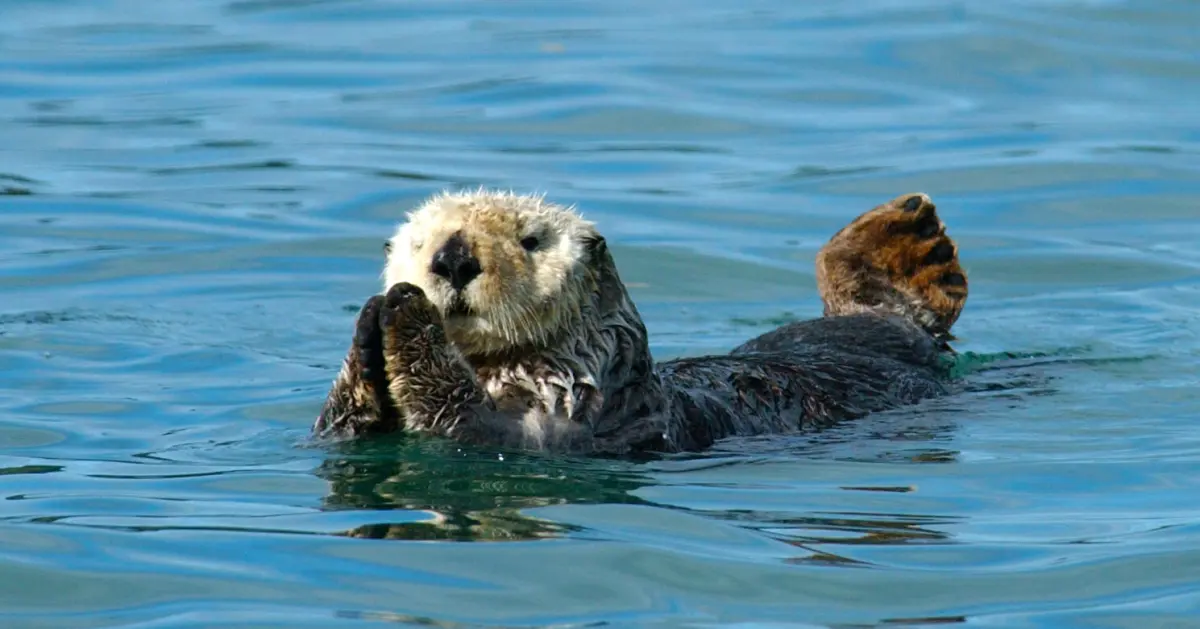
Sea otters exhibit significant sexual dimorphism, meaning males and females differ noticeably in size. An adult male sea otter can weigh up to 100 pounds, while females rarely exceed 60 pounds. In terms of length, these animals are quite elongated, often stretching to 4 or 5 feet from the tip of their nose to the end of their tail. Their size is a crucial adaptation for their life in cold, turbulent ocean waters.
Unlike seals or whales, sea otters do not rely on a thick layer of blubber to stay warm. Instead, they depend on an incredibly dense coat of fur, which is the thickest of any animal in the world. This coat requires them to maintain a high metabolic rate, which influences their overall body mass and daily energy requirements. Their size is a balance between maintaining buoyancy and storing enough energy to survive in frigid Pacific environments.
Where do sea otters live?
Sea otters are primarily found along the rugged coastlines of the North Pacific Ocean. Their range historically stretched from northern Japan, through the Aleutian Islands, and down the western coast of North America to Baja California. Today, they are most commonly observed in protected coastal waters, particularly in areas rich with kelp forests. These forests provide them with essential shelter from heavy waves and predators.
The distribution of sea otters is largely dictated by the availability of their food sources. They prefer shallow coastal waters where they can easily dive to the seafloor to forage. Because they are not migratory, they tend to stay within a relatively small home range throughout their lives. When observing their habitat, you will typically find them in these specific environments:
- Sheltered bays and inlets with calm water.
- Extensive kelp forests that offer protection and resting spots.
- Rocky shorelines where prey like sea urchins and clams are abundant.
- Areas with minimal human disturbance to ensure successful breeding and resting.
How much do sea otters eat?
To maintain their body temperature and support their high metabolism, sea otters must consume a massive amount of food every day. An adult sea otter typically eats 20 to 25 percent of its own body weight in food every single 24-hour period. This equates to roughly 10 to 25 pounds of seafood, depending on the individual's size and the caloric density of the prey.
Their diet consists primarily of marine invertebrates, including sea urchins, abalone, clams, mussels, and crabs. Because they lack the blubber of other marine mammals, this constant caloric intake is a biological necessity rather than a choice. If a sea otter cannot find enough food to meet these high energy demands, it will quickly lose weight and become susceptible to hypothermia or disease. This constant need for food drives their behavior, as they spend a significant portion of their waking hours foraging.
How to identify a sea otter in the wild
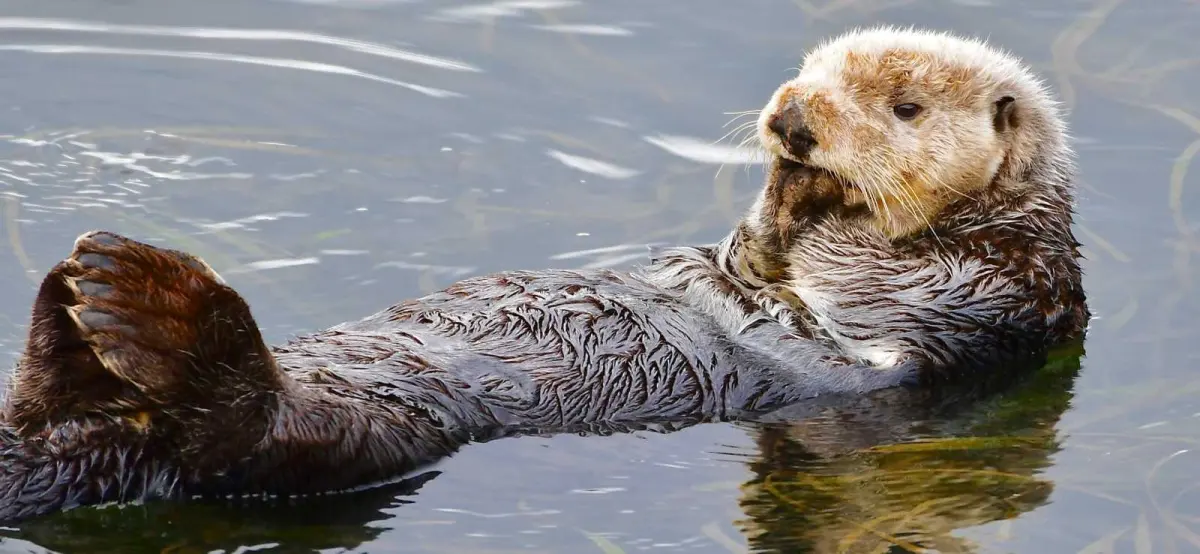
Identifying a sea otter from a distance can be difficult if you are not sure what to look for. The most common mistake people make is confusing them with harbor seals or river otters. Sea otters have a distinct, rounded head and a blunt nose, whereas seals have more elongated, dog-like faces. When resting on the surface, sea otters often float on their backs, a behavior rarely seen in other marine mammals.
If you are trying to spot them, follow these steps to ensure you are identifying them correctly:
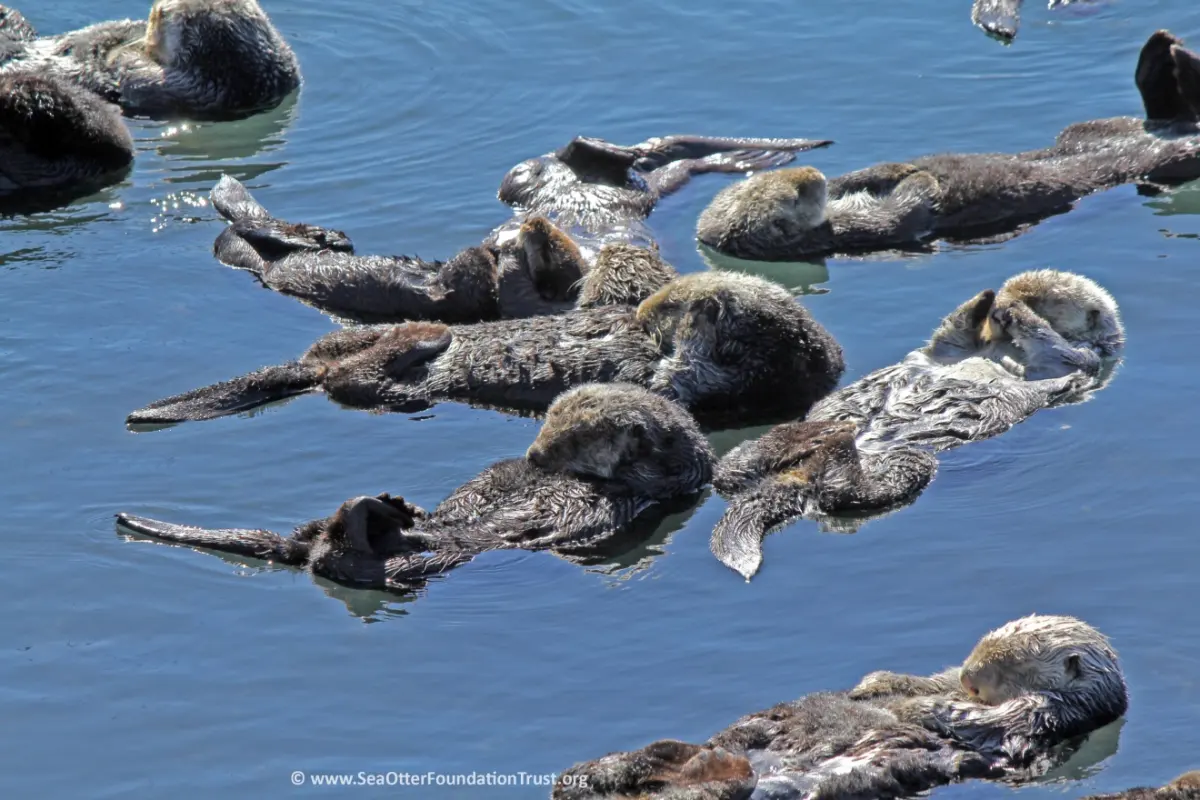
- Use binoculars to look for a "raft" of otters floating together in kelp beds.
- Watch for the characteristic behavior of grooming, as sea otters spend hours cleaning their fur to maintain its insulating properties.
- Observe how they move; sea otters use their large, webbed hind feet to paddle while on their backs.
- Look for the use of tools, such as rocks, which they place on their chests to crack open hard-shelled prey like clams.
Common mistakes when observing sea otters
The most frequent mistake observers make is getting too close, which causes the animals significant stress. Sea otters are sensitive to human presence, and if they feel threatened, they may abandon their resting spots or even leave their pups unattended. Always maintain a respectful distance of at least 50 yards, or use a zoom lens if you are attempting to take photographs. Disturbing their rest is harmful because it forces them to expend precious energy that they need to keep warm.
Another error is assuming that sea otters are tame because they appear playful or curious. While they are highly intelligent and social animals, they are wild creatures with sharp teeth and strong jaws. Feeding them is strictly prohibited and dangerous, as it can cause them to lose their natural fear of humans and lead to aggressive behavior. By keeping your distance and observing quietly, you ensure that these unique marine mammals can continue to thrive in their natural environment without unnecessary human interference.
Key facts
- Adult sea otters typically weigh between 45 and 90 pounds, with males being significantly larger than females.
- Their total body length generally ranges from 4 to 5 feet from the tip of the nose to the end of the tail.
- Sea otters are the heaviest members of the weasel family, yet they are the smallest marine mammals in North America.
- Males in northern populations, such as those in Alaska, often reach larger maximum sizes than those in California.
- A thick layer of dense fur, rather than blubber, provides insulation, which can make them appear larger and fluffier than they actually are.
- When observing otters, avoid assuming a floating otter's size based on its silhouette, as their buoyant fur creates a deceptive visual volume.
The bottom line
Sea otters are impressive marine mammals that balance a compact, streamlined frame with a high-energy lifestyle. Reaching up to 90 pounds and five feet in length, they rely on their dense, specialized fur to survive in cold ocean waters. Understanding their size helps observers appreciate the metabolic demands required to sustain these animals, as they must consume vast amounts of prey daily to maintain their body heat.
People also ask
Do sea otters grow throughout their entire lives?
No, sea otters reach their full physical maturity and maximum size between the ages of four and six. After this period, they maintain a stable weight unless affected by illness or seasonal food scarcity.
How much food does a sea otter need to maintain its size?
Because they lack blubber, sea otters must consume 25 to 30 percent of their body weight in food every single day to maintain their high metabolic rate. This diet consists primarily of sea urchins, clams, mussels, and crabs.
Are male sea otters much larger than females?
Yes, sexual dimorphism is present in the species, with adult males often weighing 15 to 20 pounds more than adult females. Males also possess thicker necks and broader heads, which are used during territorial displays.
How do sea otters keep their fur in good condition?
Sea otters spend a significant portion of their day grooming their fur to remove dirt and maintain the air pockets that provide insulation. If the fur becomes matted or contaminated by oil, the otter can lose its ability to stay warm and may succumb to hypothermia.
Do sea otters in captivity grow larger than those in the wild?
Captive sea otters often appear larger or heavier because they have consistent access to high-quality food and lack the physical demands of constant foraging. However, they generally remain within the biologically normal weight range for their subspecies.
How long can a sea otter live?
In the wild, sea otters typically live between 15 and 20 years. Their size and health remain relatively stable throughout their adult years, provided they have access to a reliable food supply and safe habitat.
This answer was created with the help of AI research tools and reference sources. Spotted an error? Let us know — we correct mistakes quickly. See our editorial policy.