What animal lives the longest?
Short answer
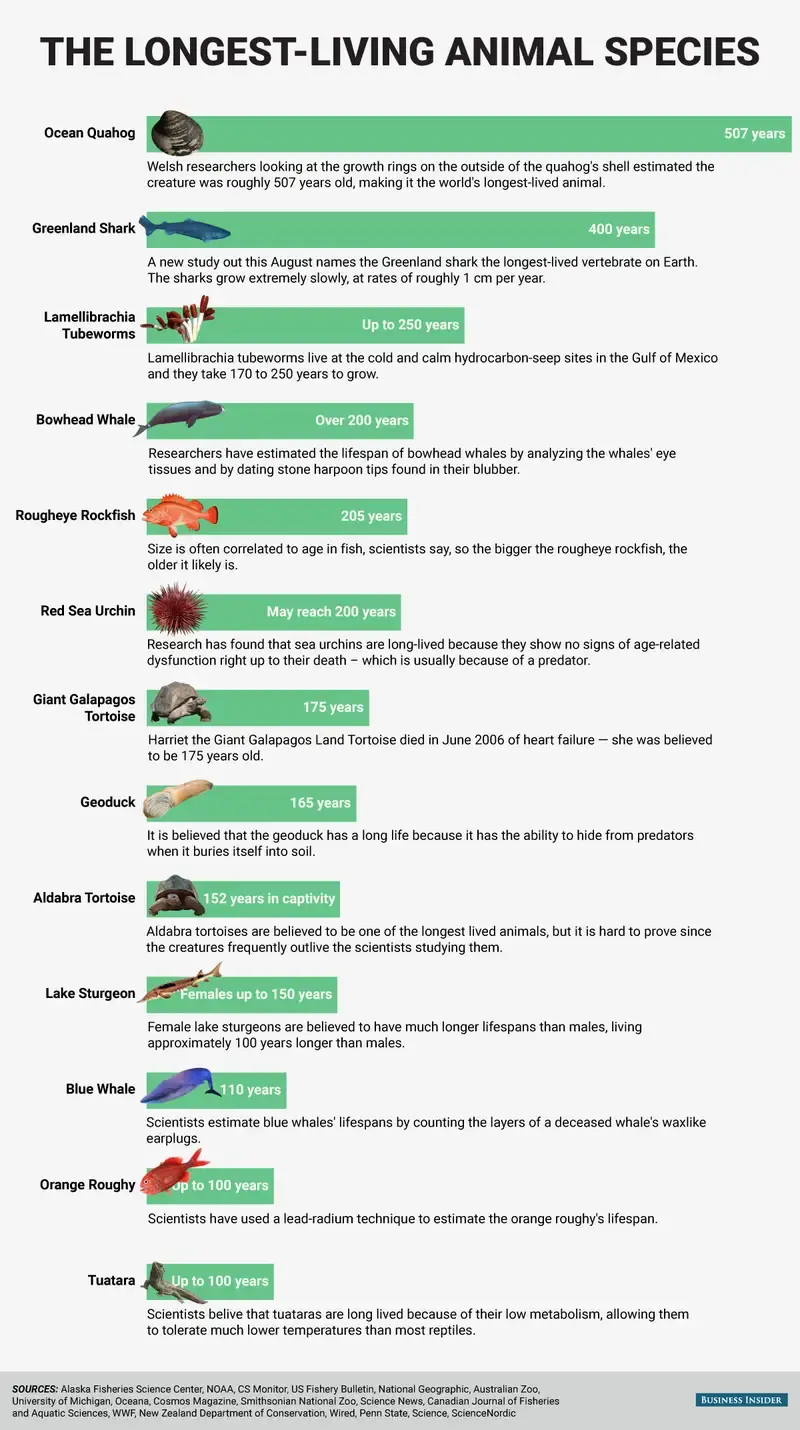
The immortal jellyfish, Turritopsis dohrnii, holds the title for the longest-living animal because it can biologically revert to its juvenile polyp stage indefinitely. Among vertebrates, the Greenland shark is the longest-lived, with some individuals estimated to reach ages of 400 years or more by growing at an extremely slow pace.
On this page
How does the immortal jellyfish live forever?
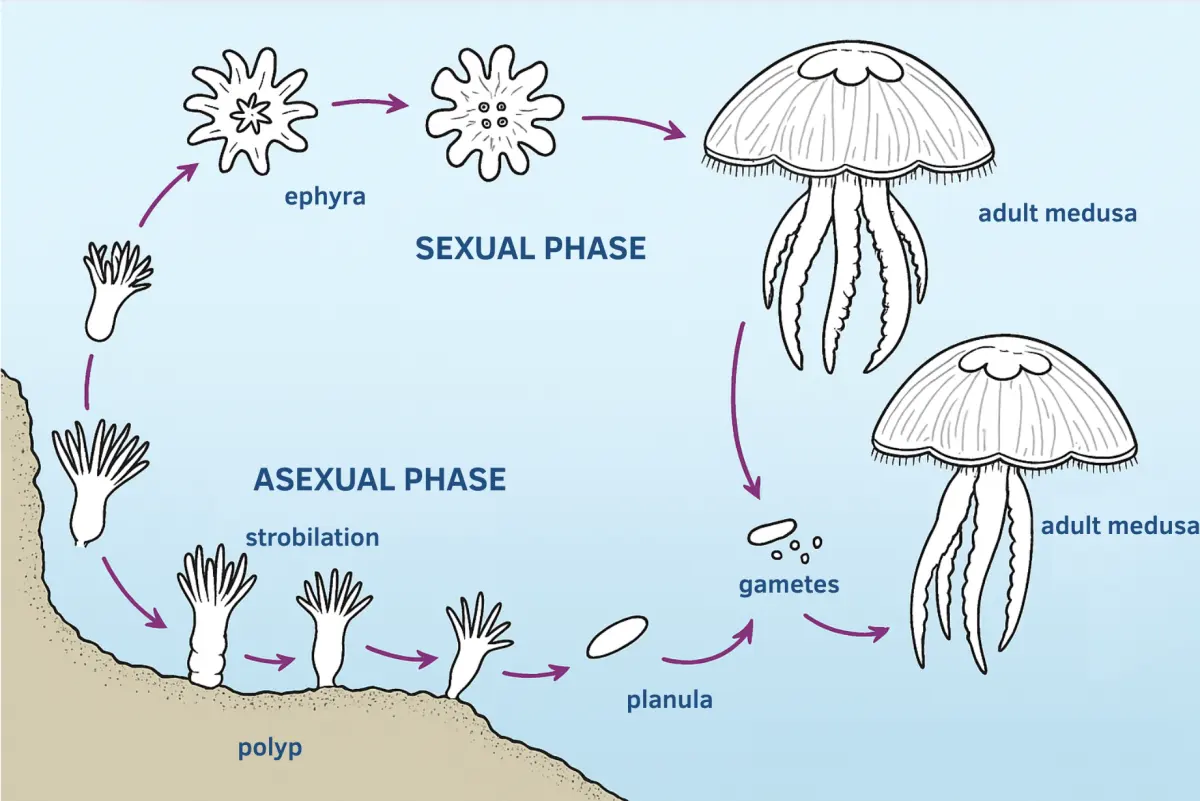
The Turritopsis dohrnii jellyfish is unique in the animal kingdom due to its ability to perform transdifferentiation. When this creature faces physical damage, starvation, or environmental stress, it does not simply die. Instead, it retracts its tentacles, reabsorbs its bell, and settles onto a surface to transform back into a polyp.
This process essentially resets the jellyfish's biological clock, allowing it to begin its life cycle anew. Because this cycle can theoretically repeat indefinitely, the organism is considered biologically immortal. However, in the wild, these jellyfish rarely achieve true immortality. They are frequently consumed by predators or succumb to diseases before they can trigger their regenerative mechanism.
- The jellyfish reverts to a polyp state when stressed.
- Cells transform from one type to another to rebuild the body.
- This process allows the organism to bypass the natural aging death.
- Most individuals are eaten by fish or turtles before they can reset.
Why do Greenland sharks live so long?
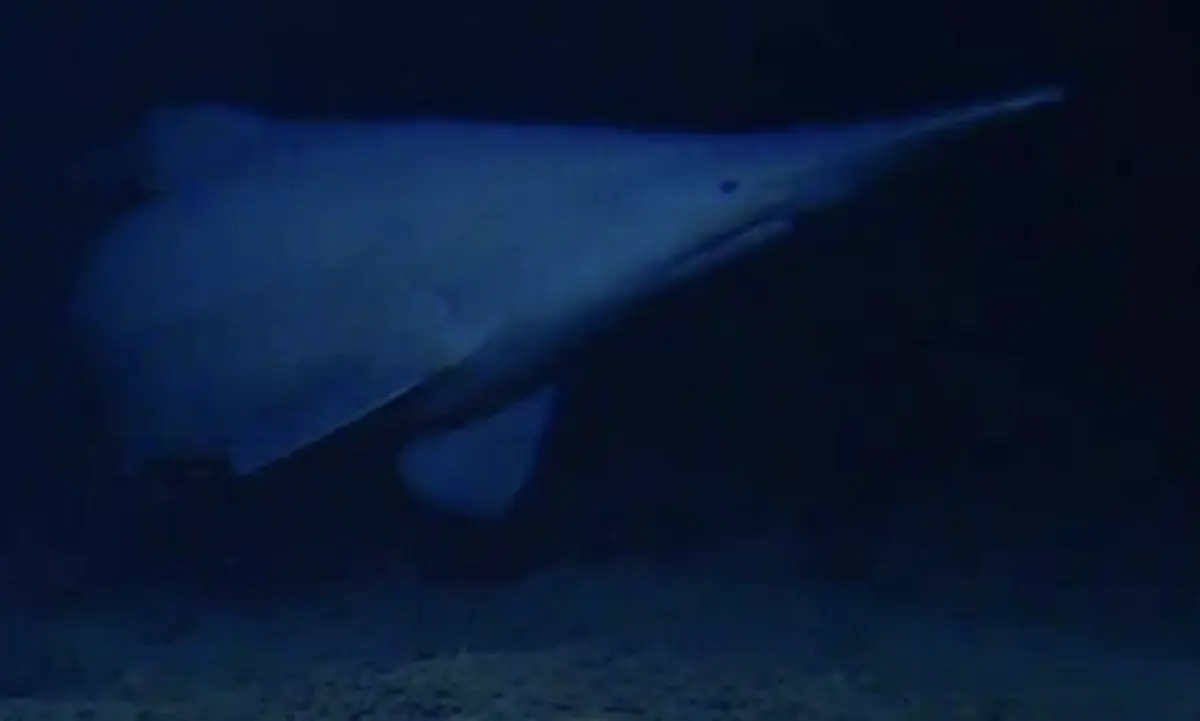
Greenland sharks, found in the cold depths of the North Atlantic, possess the longest lifespan of any vertebrate. Researchers have determined their age by analyzing proteins in the lenses of their eyes using radiocarbon dating. These sharks grow at a rate of less than one centimeter per year, reaching sexual maturity only after they are 150 years old.
The secret to their longevity lies in their extremely slow metabolism, which is a direct adaptation to the freezing temperatures of their deep-sea environment. Their bodies maintain a very low core temperature, which slows down cellular decay and minimizes the accumulation of metabolic damage. This sluggish lifestyle allows them to conserve energy and survive for centuries in an environment where food is often scarce.
- They inhabit deep, frigid waters that suppress metabolic activity.
- Their slow growth rate delays the aging process significantly.
- Cold temperatures protect tissues from rapid cellular breakdown.
- They reach physical maturity at a much older age than other sharks.
Which other animals have extreme lifespans?
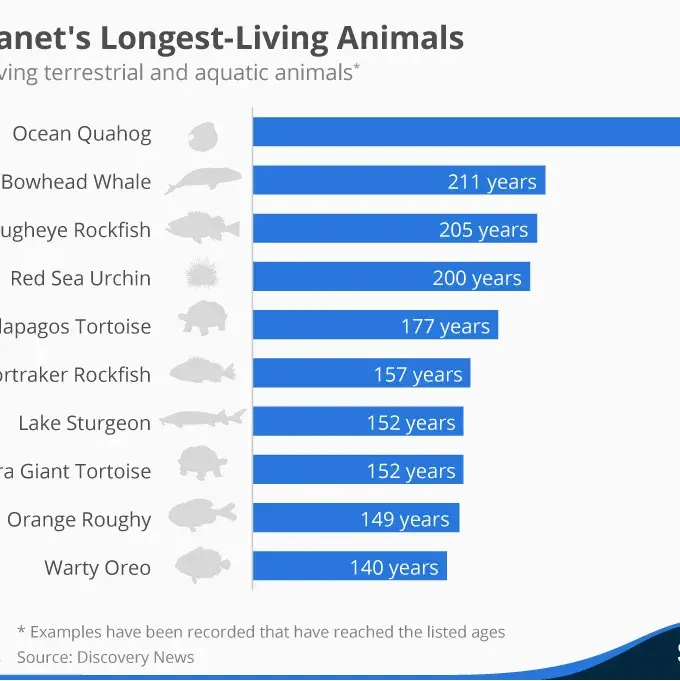
While the immortal jellyfish and Greenland shark are record-holders, other species also exhibit remarkable longevity. The ocean quahog, a type of edible clam, can live for over 500 years. Scientists identify their age by counting the growth rings on their shells, much like counting the rings of a tree. These mollusks thrive in the cold waters of the North Atlantic, where their slow growth rate contributes to their survival.
Bowhead whales are another example of long-lived vertebrates, with some individuals surviving for over 200 years. These massive marine mammals possess unique genetic adaptations that help them repair DNA damage and resist cancer. Their ability to maintain cellular integrity over two centuries provides valuable insights into the mechanisms of aging and disease resistance across different species.
What factors influence animal longevity?
Several biological and environmental factors determine how long an animal can survive. Metabolic rate is one of the most critical elements; generally, animals with slower heart rates and lower body temperatures live longer. This is often observed in deep-sea creatures and cold-blooded animals that do not need to expend massive amounts of energy to maintain homeostasis.
Environmental stability also plays a significant role in lifespan. Animals that live in protected or isolated environments, such as deep ocean trenches or caves, face fewer threats from predators and environmental fluctuations. Additionally, species that have evolved efficient mechanisms for DNA repair are better equipped to combat the cellular mutations that typically lead to aging and death in other organisms.
Common mistakes when studying animal aging
A frequent error in understanding longevity is assuming that all long-lived animals possess the same biological mechanisms. People often conflate biological immortality with invulnerability, forgetting that even the most resilient creatures are still subject to predation and environmental accidents. It is vital to distinguish between a species' maximum potential lifespan and the average life expectancy observed in the wild.
Another mistake is ignoring the role of size and habitat. While large animals like whales often live longer, this is not a universal rule, as seen with the small ocean quahog. When researching these animals, avoid relying on anecdotal evidence or outdated estimates. Always look for studies that use modern techniques like radiocarbon dating or genetic sequencing to ensure the data accurately reflects the animal's true age.
Key facts
- The immortal jellyfish, Turritopsis dohrnii, can theoretically live forever by reverting its cells to an earlier developmental stage.
- Greenland sharks are the longest-living vertebrates, with some individuals estimated to be between 250 and 500 years old.
- Ocean quahogs, a type of edible clam, can live for over 500 years by slowing their metabolism in cold ocean waters.
- Bowhead whales are the longest-living mammals, capable of surviving for more than 200 years in Arctic environments.
- Aging in animals is often determined by metabolic rates, body size, and environmental stressors like predation or temperature.
- Avoid confusing "maximum lifespan" with "average life expectancy," as the former represents the biological limit rather than the typical duration.
The bottom line
Longevity in the animal kingdom is a diverse phenomenon, ranging from the cellular regeneration of the immortal jellyfish to the centuries-long endurance of the Greenland shark. While factors like slow metabolism and cold habitats contribute to these extreme lifespans, most species are governed by biological limits. Understanding these differences provides fascinating insights into the mechanisms of aging, survival, and the remarkable adaptability of life on Earth.
People also ask
Do tortoises live longer than humans?
Yes, certain species like the Giant Tortoise can live well over 150 years. While humans rarely exceed 120 years, these reptiles benefit from slow metabolic rates and stable environments.
Why do some animals live much longer than others?
Longevity is often linked to evolutionary adaptations such as low metabolic rates, large body size, or the ability to repair cellular damage. Animals in safe environments with fewer predators are more likely to evolve longer lifespans.
Can scientists determine the age of a shark?
Researchers estimate the age of Greenland sharks by analyzing the proteins in the lenses of their eyes using radiocarbon dating. This method provides a reliable timeline for creatures that do not have growth rings in their bones.
Does size matter when it comes to living a long life?
Generally, larger animals tend to live longer than smaller ones, a phenomenon known as Peto's paradox. However, there are many exceptions, such as small birds or bats that outlive larger mammals due to specific biological protections.
Is there a limit to how long an animal can live?
Biological aging, or senescence, eventually causes cellular degradation in most species. While some organisms possess unique mechanisms to bypass this, most animals are constrained by the physical limits of their DNA and organ systems.
Are there any animals that do not age at all?
Some organisms, like the hydra or the immortal jellyfish, show negligible senescence. These creatures can replace their cells indefinitely, effectively avoiding the traditional aging process seen in more complex animals.
This answer was created with the help of AI research tools and reference sources. Spotted an error? Let us know — we correct mistakes quickly. See our editorial policy.