How is popcorn made?
Short answer
Popcorn is made when the moisture inside a specific variety of corn kernel, Zea mays everta, turns into superheated steam. As the internal pressure builds to approximately 135 pounds per square inch, the hull ruptures. The starch gelatinizes and expands rapidly, creating the light, crunchy foam structure known as popped corn.
On this page
Why does popcorn pop?
The unique ability of popcorn to explode into a fluffy snack depends on the physical structure of the kernel. Unlike standard field corn, popcorn kernels possess a hard, non-porous outer shell called the pericarp. Inside this shell is a dense starch core and a tiny droplet of water. When heat is applied, the water turns into steam, but the rigid hull prevents the gas from escaping immediately.
As the temperature inside the kernel reaches approximately 355°F (180°C), the internal pressure mounts significantly. The starch inside the kernel begins to gelatinize, turning into a hot, viscous liquid. When the hull finally fails under the pressure, the steam expands instantly, forcing the gelatinized starch out into a foam. This structure solidifies almost immediately as it hits the cooler air, resulting in the characteristic white, airy shape of a popped kernel.
How to make perfect popcorn on the stove
Stovetop popping is widely considered the gold standard for flavor and texture. To achieve the best results, you need a heavy-bottomed pot, which helps distribute heat evenly and prevents the kernels from scorching. Using a pot with a lid that allows steam to escape is essential; if the steam is trapped, the popcorn will become soggy and chewy rather than crisp.
Follow these steps for the best results:
- Pour two tablespoons of high-smoke-point oil, such as coconut, avocado, or canola, into your pot.
- Add three test kernels and heat over medium-high heat until they pop, signaling the oil is ready.
- Add 1/3 cup of kernels, cover the pot, and remove it from the heat for 30 seconds to equalize the temperature.
- Return the pot to the heat and shake it gently until the popping slows to a rate of one pop every two to three seconds.
- Immediately remove the pot from the heat and pour the popcorn into a large bowl to stop the cooking process.
Best oils and seasonings for popcorn
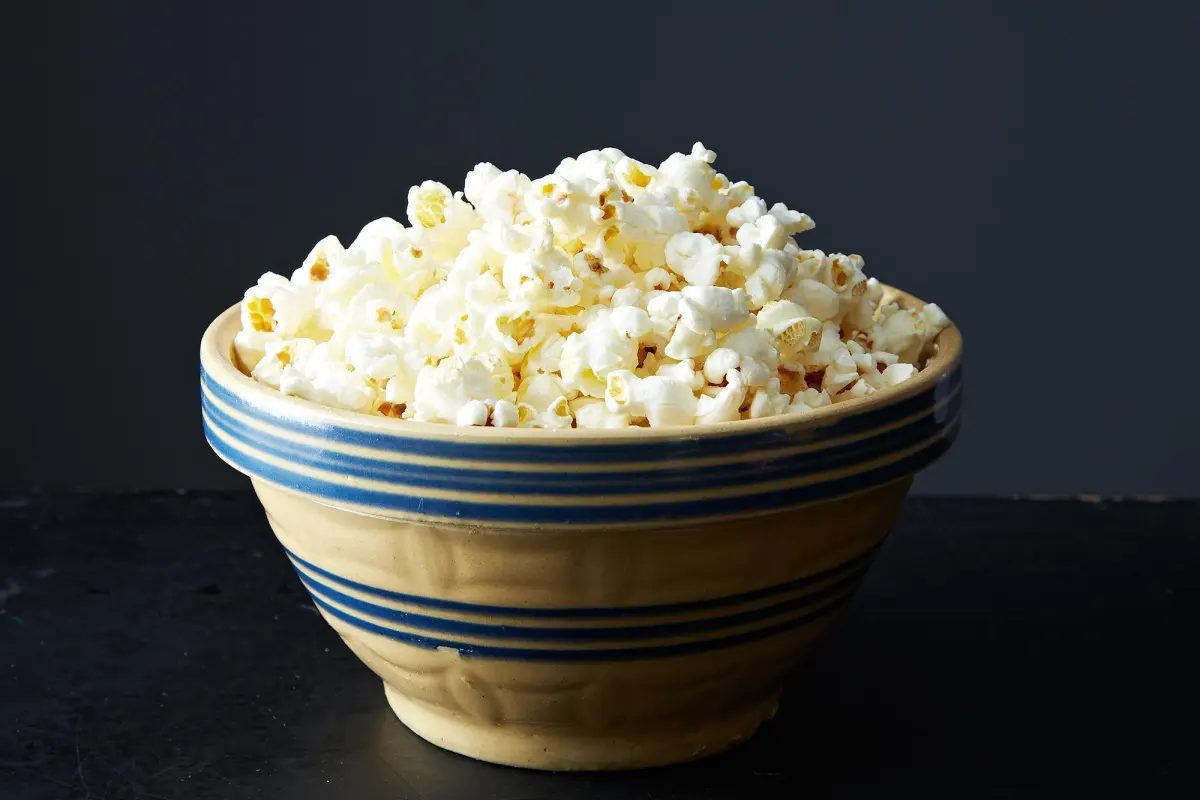
Choosing the right fat is the most important factor in determining the flavor profile of your snack. Coconut oil is the traditional choice used in movie theaters because it has a high smoke point and a neutral, buttery flavor profile. For a richer, more savory taste, clarified butter or ghee is an excellent alternative, as it lacks the milk solids that burn at high temperatures.
Once the popcorn is popped, the timing of your seasoning is critical. Because popcorn is naturally dry, seasonings will not stick well unless applied while the kernels are still hot and coated in a thin layer of oil. To ensure even distribution, consider these tips:
- Use finely ground salt or powdered seasonings to ensure they adhere to the surface of the kernels.
- If using fresh herbs or hard cheeses like Parmesan, toss them in while the popcorn is still steaming.
- For a gourmet twist, try adding nutritional yeast, smoked paprika, or a dash of truffle oil for complexity.
Common mistakes when making popcorn
Even experienced home cooks often struggle with uneven batches or burnt kernels. The most frequent error is using a pot that is too thin, which creates "hot spots" that burn the corn before the internal pressure can build sufficiently. Another common issue is overcrowding the pot; if there are too many kernels, they will compete for space and heat, leading to a high percentage of "old maids," or unpopped kernels.
Avoid these common pitfalls to improve your success rate:
- Do not use butter to pop the kernels, as the milk solids will burn long before the corn pops.
- Avoid lifting the lid during the popping process, as this releases the steam pressure required to expand the starch.
- Do not leave the finished popcorn in the hot pot, as the residual heat will continue to cook the bottom layer and make it bitter.
- Ensure your kernels are fresh; old kernels lose moisture over time and will fail to pop properly.
How to store popcorn for freshness
Proper storage is essential to maintain the moisture content necessary for future popping. Popcorn kernels should ideally contain about 13.5% to 14% moisture to pop effectively. If the kernels are stored in an environment that is too dry, the water will evaporate, and the kernels will become "dead." Conversely, if they are stored in a humid environment, the kernels may become moldy or lose their structural integrity.
To keep your kernels in peak condition, store them in an airtight glass jar or a sealed plastic container. Keep the container in a cool, dark place, such as a pantry, away from direct sunlight or heat sources like an oven. If you live in a particularly dry climate, you can add a tiny amount of water to the jar—no more than a teaspoon—and shake it occasionally to rehydrate the kernels over a few days. Proper storage ensures that your supply remains ready for a quick, healthy snack whenever the craving strikes.
Key facts
- Popcorn kernels contain a small amount of water stored inside a circle of soft starch, surrounded by a hard outer shell called the pericarp.
- As the kernel heats, the water turns into pressurized steam, which gelatinizes the starch and creates internal pressure.
- The hull must be strong enough to withstand pressure up to 135 pounds per square inch before it ruptures.
- When the hull bursts, the steam escapes instantly, causing the starch to expand rapidly and solidify into the white, fluffy foam we eat.
- The ideal moisture content for a kernel to pop successfully is approximately 13.5% to 14%.
- To avoid "old maids" (unpopped kernels), ensure your kernels are fresh and stored in an airtight container to maintain internal moisture.
The bottom line
Popcorn is a unique botanical phenomenon where internal moisture turns to steam, creating enough pressure to explode the kernel's hard shell. By maintaining the right moisture levels and using high-heat oils, you can easily replicate the theater experience at home. The key to perfect popcorn lies in allowing steam to escape while ensuring the kernels remain fresh enough to withstand the rapid expansion of their internal starch.
People also ask
Why do some kernels fail to pop?
Kernels often fail to pop if they are too dry, meaning the steam pressure cannot build sufficiently to rupture the hull. They may also fail if the outer shell is damaged, allowing the steam to leak out slowly rather than exploding all at once.
Is microwave popcorn less healthy than stovetop popcorn?
Microwave popcorn often contains higher levels of sodium, artificial flavorings, and trans fats compared to stovetop methods. Preparing popcorn on the stove allows for complete control over the type and amount of oil and salt used.
What is the best oil to use for popping corn?
Oils with a high smoke point, such as coconut, avocado, or grapeseed oil, are best for stovetop popping. These oils can withstand the high heat required to reach the popping temperature without burning or imparting a bitter flavor.
How can I keep my popcorn from getting soggy?
Steam is the enemy of crisp popcorn, so keep the lid slightly ajar or use a vented bowl to allow excess moisture to escape during the popping process. Adding butter or oil immediately after popping can also soften the texture if too much liquid is applied.
Does the color of the kernel affect the taste?
While white and yellow kernels are the most common, different varieties like red, blue, or black popcorn offer subtle differences in flavor and texture. Yellow kernels generally produce larger, fluffier flakes, while smaller varieties may offer a crunchier texture and a nuttier profile.
How long does popcorn stay fresh?
Properly stored, air-popped popcorn stays fresh for about one to two weeks in an airtight container. However, for the best flavor and texture, it is recommended to consume popcorn within a few days of preparation to prevent it from becoming stale or chewy.
This answer was created with the help of AI research tools and reference sources. Spotted an error? Let us know — we correct mistakes quickly. See our editorial policy.