What do tigers eat?
Short answer
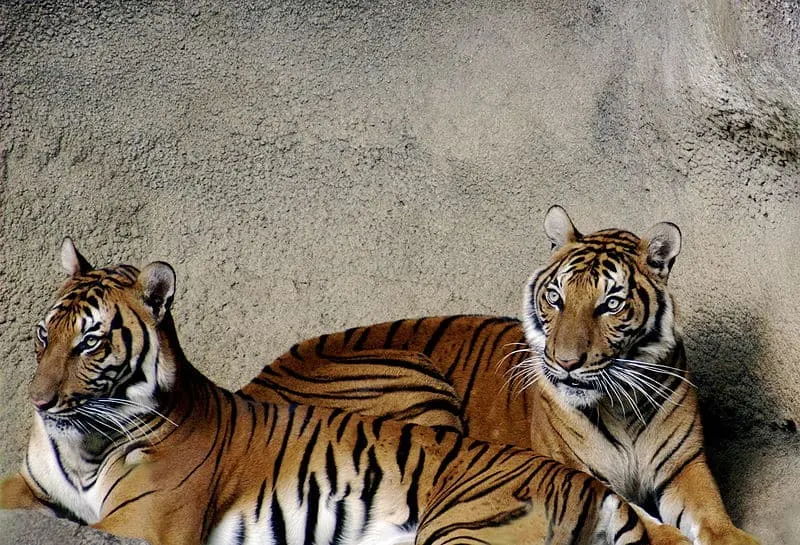
Tigers are apex predators and obligate carnivores that primarily hunt large ungulates. Their diet consists mostly of deer and wild boar, though they are opportunistic hunters capable of taking down water buffalo, gaur, and occasionally smaller prey like monkeys or birds. They require significant protein intake to maintain their massive muscle mass.
On this page
What animals do tigers hunt?
Tigers are highly specialized hunters that focus on medium-to-large-sized prey to meet their high caloric requirements. In their natural habitats across Asia, they primarily target ungulates, which are hoofed mammals. Sambar deer, chital, and wild boar represent the most common components of their diet, as these animals are abundant and provide enough meat to sustain a tiger for several days.
Beyond their preferred prey, tigers are opportunistic and will adapt to local food sources. In regions like the Sundarbans, they may hunt smaller animals or even aquatic life if larger game is scarce. Their diet includes:
- Sambar deer
- Chital (spotted deer)
- Wild boar
- Gaur (Indian bison)
- Water buffalo
- Nilgai (blue bull)
While they prefer large game, they do not turn down smaller opportunities. If a tiger encounters a porcupine, a monkey, or a ground-dwelling bird, it may kill and consume it to supplement its intake. However, these smaller meals are rarely enough to satisfy a tiger’s hunger for long, and they will quickly return to tracking larger ungulates.
How much do tigers eat in one sitting?
A tiger is capable of consuming an enormous amount of meat in a single session. After a successful hunt, an adult tiger can eat up to 40 to 60 pounds of meat at once. This binge-eating behavior is a survival strategy, as tigers do not always make a successful kill every day. By consuming a large portion of the carcass quickly, they ensure they have enough energy to survive until the next hunt.
When a tiger kills a large animal, it does not leave the carcass immediately. It often drags the prey into a secluded area, such as dense brush or near a water source, to protect it from scavengers like hyenas or other tigers. The feeding process typically follows this pattern:
- The tiger consumes the soft tissues and organs first to maximize nutrient intake.
- It then feeds on the muscle mass, often returning to the carcass over several days.
- It guards the remains until the meat is finished or the carcass begins to decay.
Why do tigers need so much protein?
Tigers are massive, muscular predators that require significant energy to maintain their physical condition. A male tiger can weigh over 500 pounds, and this bulk is essential for taking down prey that is often much larger than the tiger itself. Protein is the primary fuel for their muscle tissue, which allows them to sprint, leap, and deliver the powerful bite force necessary to kill large water buffalo or gaur.
Their metabolism is designed for a cycle of intense activity followed by long periods of rest. Hunting requires explosive energy, which is fueled by the high-protein diet they consume. Without a consistent supply of large prey, a tiger would lose the muscle mass needed to defend its territory and secure future kills. This physiological demand makes them strictly carnivorous; their digestive systems are not equipped to process plant matter, meaning they must rely entirely on the success of their hunting skills to survive.
Common mistakes when observing tiger feeding habits
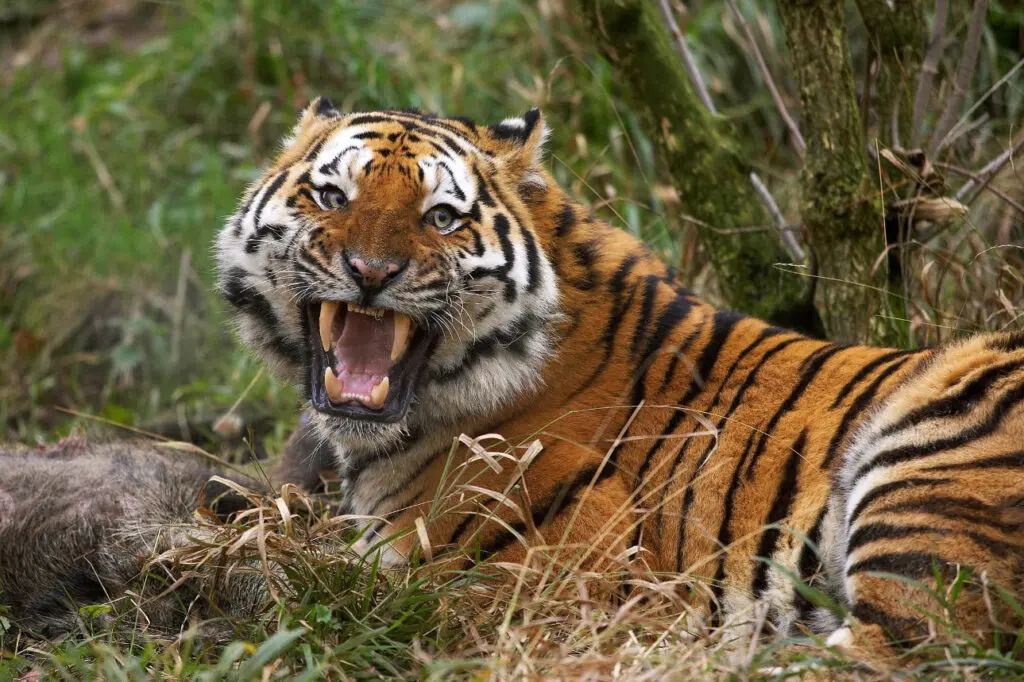
A common misconception is that tigers are indiscriminate killers that hunt for sport. In reality, tigers are calculated and conservative hunters. They rarely attack prey unless they are confident in a successful kill, as an injury sustained during a hunt can be fatal for a solitary predator. A mistake often made by observers is assuming a tiger is "full" simply because it has stopped eating; it may simply be resting before returning to finish the carcass.
Another frequent error is the belief that tigers hunt in packs. Unlike lions, tigers are solitary animals and must handle the entire process of tracking, stalking, and killing alone. Observers often misinterpret the presence of multiple tigers at a kill site, which usually only occurs between a mother and her cubs or during a brief mating encounter. When watching these animals in the wild, it is essential to remember:
- Never assume a tiger is finished with a kill just because it has walked away.
- Avoid underestimating the distance a tiger will drag its prey to keep it hidden.
- Recognize that the tiger’s primary goal is energy conservation, not unnecessary aggression.
How do tigers hunt their prey?
Tigers rely on stealth, camouflage, and ambush tactics rather than long-distance pursuit. Their striped coats provide excellent concealment in the dappled light of forests and tall grasses. A tiger will stalk its prey silently, moving against the wind to mask its scent, until it is within a few meters of the target. Once in range, it uses a sudden burst of speed to close the gap and bring the animal down with a powerful bite to the throat or the back of the neck.
The success of a hunt depends on the tiger's ability to remain undetected until the final moment. If the prey detects the tiger too early, the hunt is usually abandoned, as the tiger lacks the stamina for a prolonged chase. This reliance on the ambush makes the tiger one of the most efficient predators in the natural world. By focusing on the neck, the tiger aims to sever the spinal cord or crush the windpipe, ensuring a quick death that minimizes the risk of the prey fighting back and injuring the hunter.
Key facts
- Tigers are obligate carnivores, meaning they require meat to survive and cannot derive necessary nutrients from plants.
- A single adult tiger can consume up to 88 pounds (40 kilograms) of meat in one sitting, though they often eat smaller amounts daily.
- Their primary prey consists of large ungulates, specifically deer species like sambar and chital, and wild boar.
- Tigers are ambush predators that rely on stealth and power rather than long-distance endurance to secure their food.
- They typically hunt at night or during twilight hours to maximize their chances of catching unsuspecting prey.
- A common mistake is assuming tigers scavenge frequently; they prefer to kill their own fresh prey and will only resort to carrion during extreme food scarcity.
The bottom line
Tigers are apex predators that sustain themselves primarily through the hunting of large ungulates like deer and wild boar. As solitary ambush hunters, they rely on immense physical strength and stealth to secure their meals. While they are opportunistic and may occasionally consume smaller animals or fish, their survival is strictly dependent on a consistent supply of fresh meat within their expansive forest territories.
People also ask
Do tigers eat humans?
Tigers rarely hunt humans as a primary food source, as we are not their natural prey. Attacks usually occur only when a tiger is old, injured, or unable to catch its usual wild game, or if it feels threatened.
How often do tigers need to hunt?
A tiger typically makes a successful kill once every five to seven days. After a large kill, the tiger may remain near the carcass for several days to feed until nothing remains.
Do tigers eat fish or other aquatic animals?
Yes, tigers are excellent swimmers and will occasionally hunt fish, frogs, and even crocodiles. While these are not their main diet, they provide important supplemental nutrition in certain habitats.
How do tigers kill their prey?
Tigers usually kill by biting the throat to cause suffocation or by delivering a powerful bite to the nape of the neck to sever the spinal cord. This allows them to take down animals much larger than themselves.
Do tigers share their food with others?
Tigers are solitary animals and generally do not share food. However, a mother will share her kill with her cubs, and occasionally, a male and female may share a kill during the mating season.
Can tigers survive in captivity without raw meat?
No, captive tigers must be fed a diet of raw meat, often supplemented with vitamins and minerals to mimic the nutritional profile of a wild kill. Providing cooked or processed food is insufficient for their biological needs.
This answer was created with the help of AI research tools and reference sources. Spotted an error? Let us know — we correct mistakes quickly. See our editorial policy.