Where do sea urchins live?
Short answer
Sea urchins inhabit every ocean on Earth, ranging from shallow tide pools to the deepest abyssal plains. They thrive in diverse marine environments, including rocky reefs, kelp forests, and sandy sea floors. While some species prefer tropical coral reefs, others are adapted to the freezing, high-pressure conditions of the polar regions.
On this page
Where do sea urchins live in the ocean?
Sea urchins are found in virtually every marine habitat across the globe, from the intertidal zone down to depths of 5,000 meters. Their distribution is primarily dictated by the availability of food and the presence of stable substrates, such as rocks or coral, to which they can anchor themselves. Most species are benthic, meaning they live on the seafloor, but they occupy a wide variety of specific ecological niches within that vast environment.
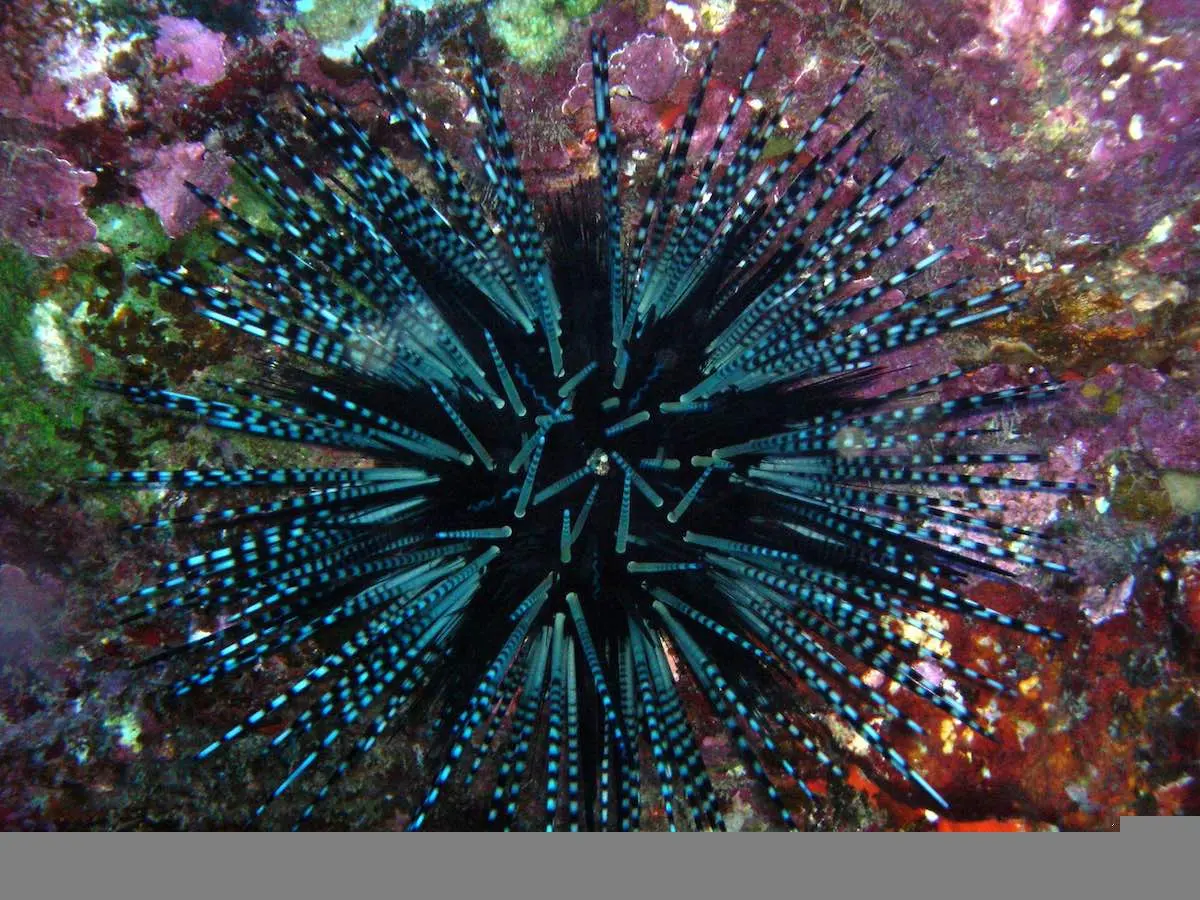
In temperate regions, sea urchins are most commonly associated with kelp forests. These underwater ecosystems provide both shelter from predators and a primary food source. Conversely, in tropical waters, species like the long-spined sea urchin are frequently found nestled within the crevices of coral reefs. These animals are highly adaptable, with some species even capable of boring into solid rock to create protective depressions, which helps them withstand the powerful forces of crashing waves in shallow coastal areas.
How to find sea urchins in tide pools
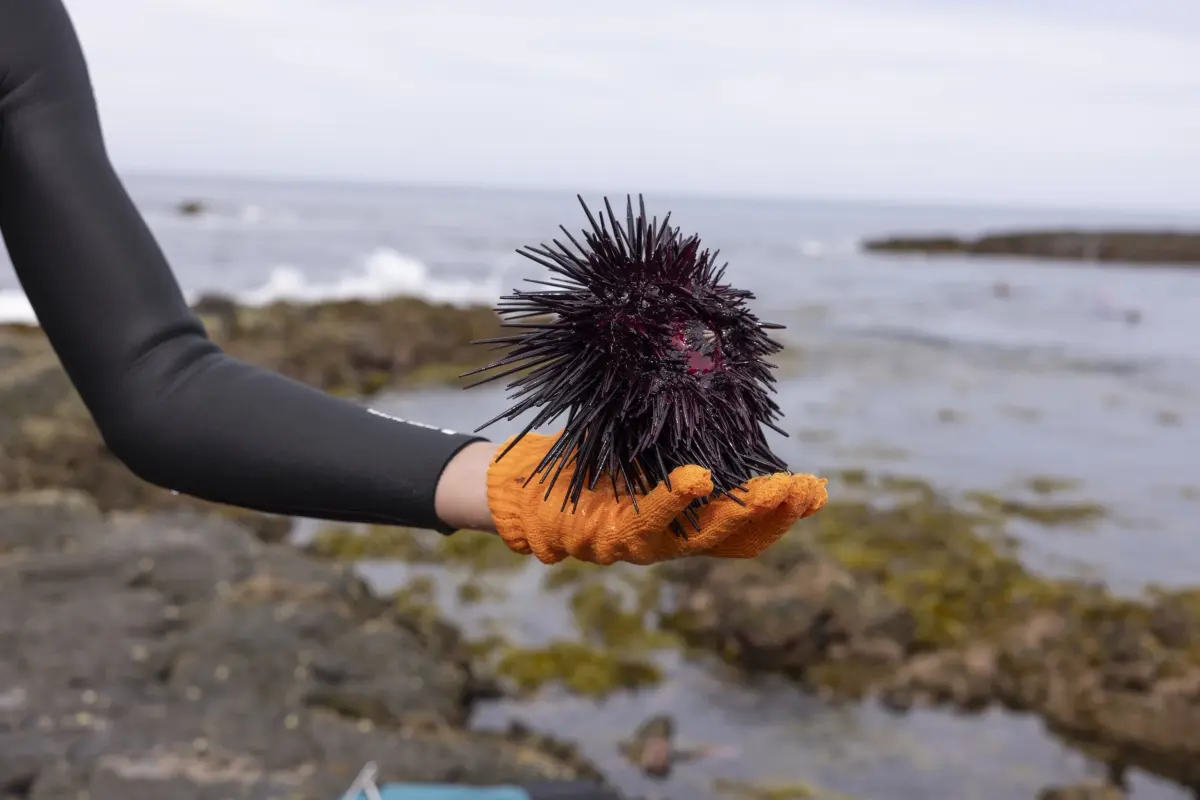
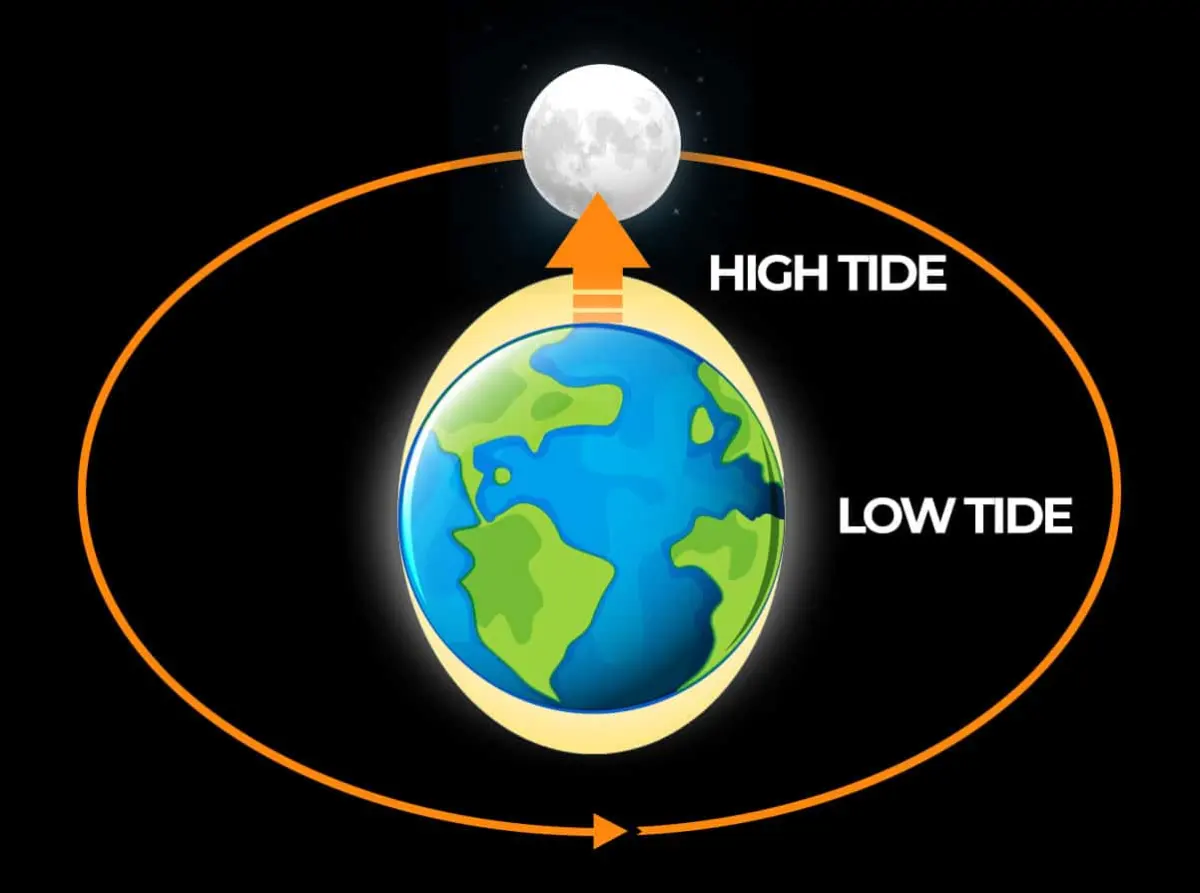
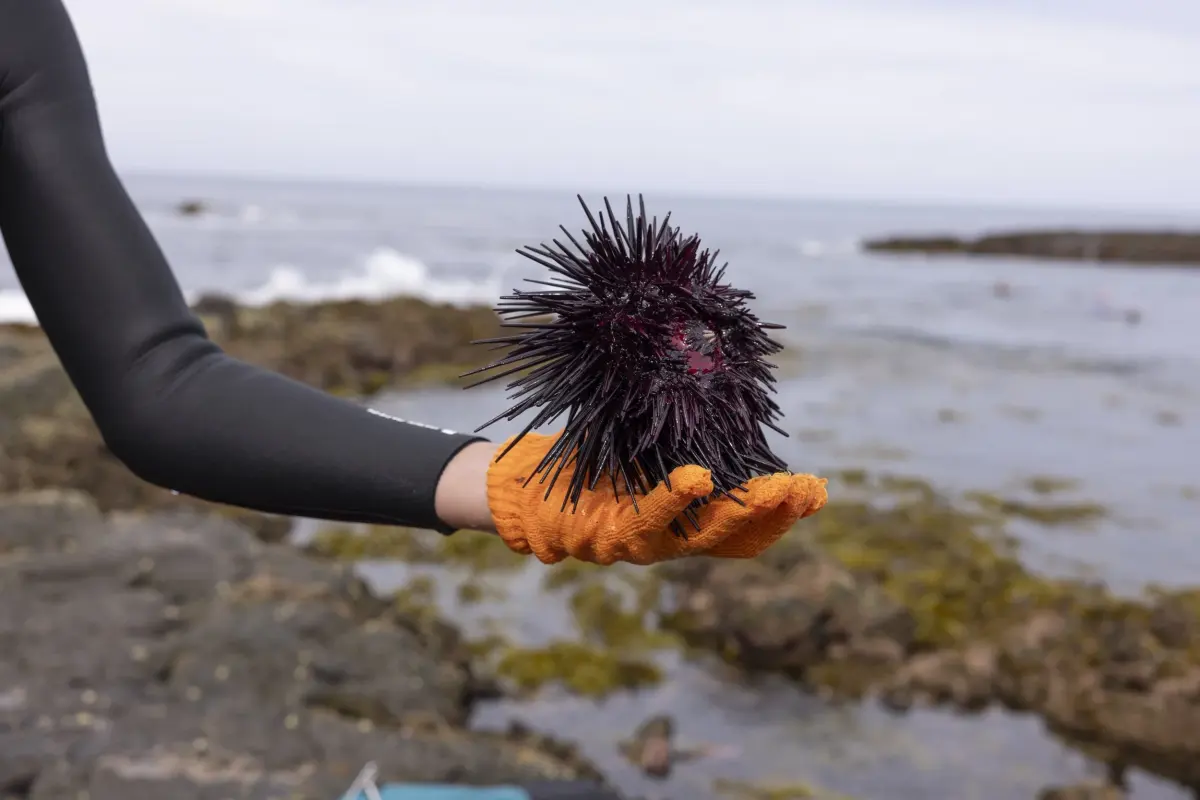
If you are exploring the coast during low tide, you can often spot sea urchins in rocky tide pools. These areas are ideal for observation because the receding water leaves the urchins exposed or just inches below the surface. Look for dark, spherical shapes wedged into small holes or clinging to the undersides of overhanging rocks. They are most active when the tide is coming in, as the influx of fresh seawater brings nutrients and oxygen.
To safely observe them in their natural habitat, follow these simple steps:
- Locate a rocky shoreline with clear, calm water during a low tide event.
- Scan the bottom of tide pools for circular, spiny organisms that appear to be wedged into crevices.
- Use a clear glass-bottom bucket or a snorkel mask to look beneath the water surface without disturbing the animals.
- Keep your hands to yourself, as many species possess sharp spines that can easily pierce skin or break off, causing painful infections.
Why sea urchins choose specific habitats
Sea urchins select their habitats based on three critical factors: food availability, protection from predators, and water current strength. Because they are grazers, they gravitate toward areas with abundant algae, kelp, or detritus. Rocky substrates are particularly favored because they provide a stable surface for the urchin’s tube feet to grip, preventing them from being swept away by strong currents or surge.
Predation also plays a significant role in where these creatures settle. In areas with high populations of sea otters, crabs, or predatory fish, urchins often hide in deep cracks or under rocks during the day. Some species exhibit a behavior called "covering," where they use their tube feet to hold shells, stones, or pieces of seaweed over their bodies. This camouflage helps them avoid detection by visual predators while they forage for food in more exposed, open areas of the reef.
Common mistakes when looking for sea urchins
One of the most frequent mistakes people make is attempting to pick up a sea urchin with bare hands. Many species have fragile, needle-like spines that are designed to snap off upon contact, lodging deep into human tissue. These spines can be difficult to remove and often carry bacteria that lead to localized inflammation or infection. Always wear thick gloves or use a tool if you must move an animal for research or safety purposes.
Another common error is disturbing the environment by overturning rocks or trampling coral. Sea urchins are sensitive to changes in their micro-habitat, and moving the rocks they rely on for shelter can leave them vulnerable to predators or harsh currents. Furthermore, many tide pool organisms are delicate and can be crushed underfoot. When exploring, always:
- Stick to designated paths or bare rock surfaces to avoid stepping on marine life.
- Avoid removing urchins from their homes, as they are often physically wedged into place and can be injured during extraction.
- Refrain from using chemicals, sunscreens, or soaps in the water, as these can pollute the small, contained ecosystems of tide pools.
How deep do sea urchins go?
While most casual observers only see sea urchins in shallow, sunlit waters, the vast majority of the world's sea urchin population lives in the deep sea. Some species have evolved to survive in the abyssal zone, where sunlight never penetrates and temperatures hover just above freezing. These deep-sea urchins often have specialized, flattened bodies or elongated spines that allow them to walk across soft, muddy sediments without sinking.
These deep-dwelling creatures rely on "marine snow"—the constant rain of organic detritus falling from the surface layers—for their nutrition. Unlike their shallow-water cousins that graze on living kelp, these deep-sea varieties are essentially scavengers. Their ability to thrive in such extreme conditions highlights the remarkable evolutionary success of the class Echinoidea. Whether in a shallow tropical reef or the dark, crushing depths of the deep ocean, sea urchins remain a foundational component of marine ecosystems across the entire planet.
Key facts
- Sea urchins inhabit every ocean on Earth, ranging from the freezing waters of the Antarctic to tropical coral reefs.
- Most species live on the seafloor, but they can be found at depths ranging from the intertidal zone to 16,000 feet deep.
- They prefer hard substrates like rock or coral, which provide stable surfaces for their tube feet to grip.
- To avoid injury, never step on a sea urchin; their spines can break off under the skin and cause painful, lingering infections.
- If you are stung, soak the area in hot water—as hot as you can safely tolerate—to help break down the venom proteins.
- Use tweezers to carefully remove any visible spines, but seek medical attention if the spine is near a joint or deep in the tissue.
The bottom line
Sea urchins are highly adaptable echinoderms found in marine environments across the globe, from shallow tide pools to the deep ocean floor. They primarily inhabit rocky surfaces where they graze on algae. While they are fascinating to observe, their sharp spines require caution. Understanding their habitat and behavior helps beachgoers and divers appreciate these unique creatures while avoiding the painful consequences of accidental physical contact.
People also ask
Do sea urchins live in freshwater?
No, sea urchins are exclusively marine animals that require saltwater to survive. They cannot tolerate the low salinity levels found in lakes or rivers.
How do sea urchins move along the ocean floor?
They use a complex system of hydraulic tube feet and movable spines to crawl across rocks and sand. This allows them to navigate uneven terrain and remain anchored during strong currents.
What do sea urchins eat in their natural habitat?
Most sea urchins are herbivores that graze on algae and kelp using a specialized feeding structure called Aristotle’s lantern. Some species also consume sponges, decaying organic matter, or small invertebrates.
Can sea urchins survive outside of water?
Sea urchins can survive for a short time out of water as long as their gills remain moist. However, they will quickly desiccate and die if exposed to air and direct sunlight for an extended period.
Are all sea urchin species venomous?
While many species possess sharp, defensive spines, only a small number of urchins are truly venomous. The flower urchin is one of the most dangerous, as it carries potent toxins in its pedicellariae.
Do sea urchins live in groups or alone?
Many species are social and often congregate in large groups, sometimes numbering in the hundreds. This behavior is thought to provide protection from predators and increase the success rate of external fertilization during spawning.
This answer was created with the help of AI research tools and reference sources. Spotted an error? Let us know — we correct mistakes quickly. See our editorial policy.