Where do sea turtles live?
Short answer
Sea turtles inhabit tropical and subtropical oceans across the globe, excluding only the coldest polar regions. They spend most of their lives migrating through open seas and coastal waters, returning to sandy beaches only to nest. Their specific range depends on the species, with some favoring coral reefs and others deep-ocean currents.
On this page
Where do sea turtles live in the ocean?
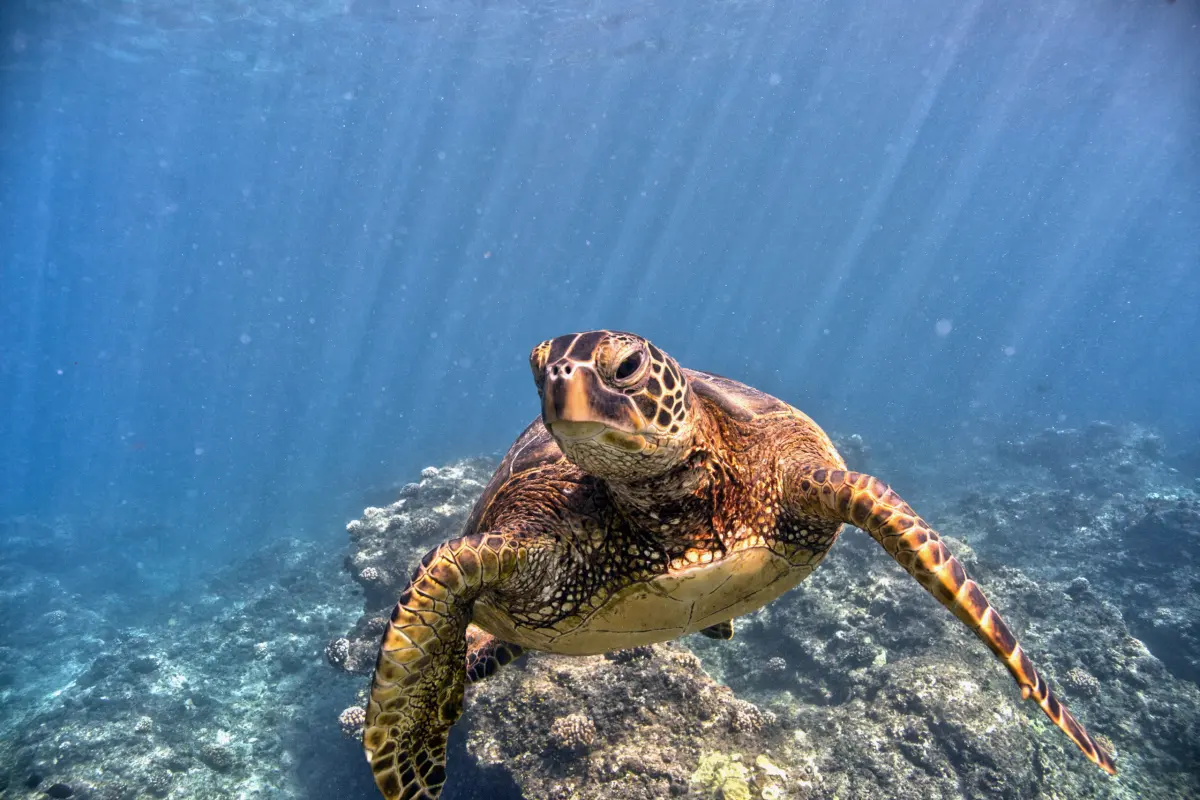
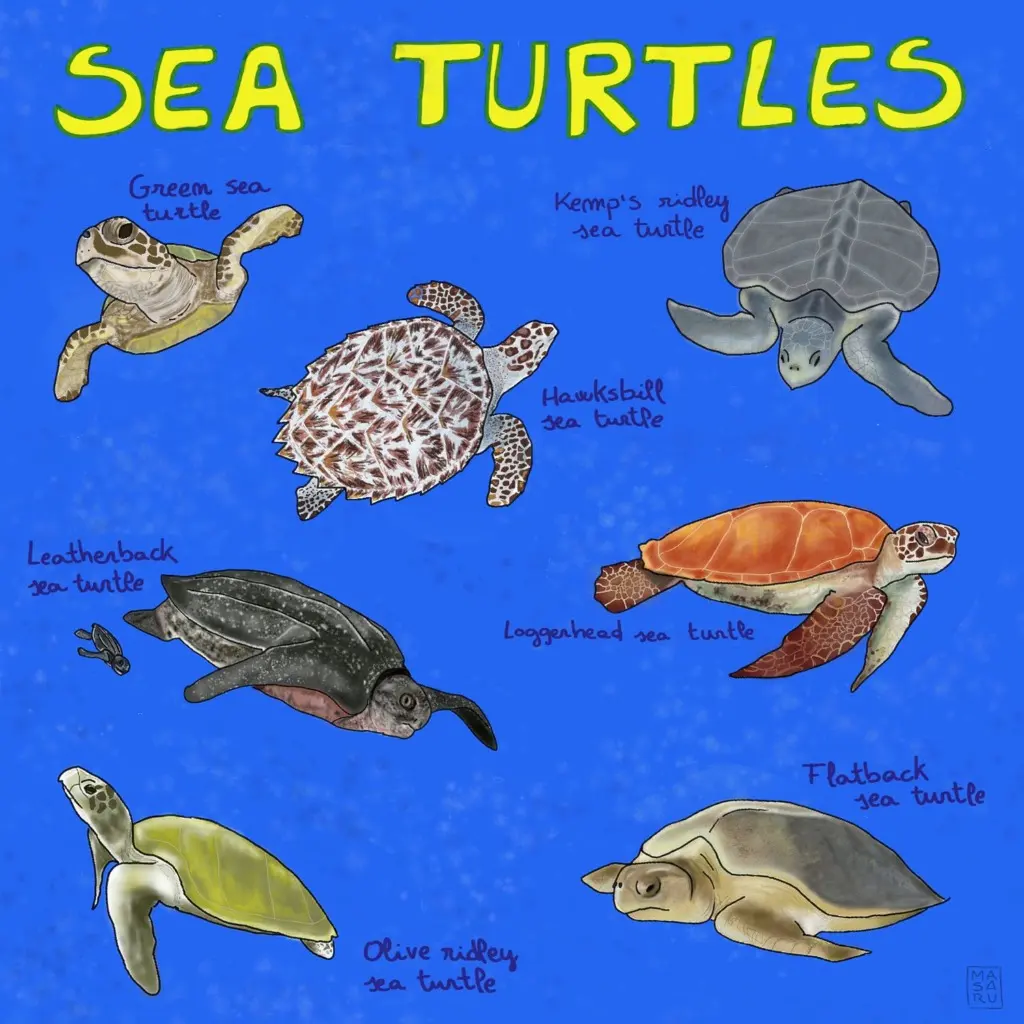
Sea turtles are highly migratory reptiles that occupy diverse marine environments throughout their life cycles. While they are famously associated with tropical beaches, the majority of their existence is spent in the water. Most species, such as the green sea turtle, prefer shallow, coastal waters where seagrass beds and coral reefs provide abundant food sources. Other species, like the leatherback, are pelagic, meaning they spend their lives in the open ocean, diving to extreme depths to hunt jellyfish.
Their distribution is largely dictated by water temperature, as sea turtles are ectothermic and rely on external heat to regulate their metabolism. Consequently, they are rarely found in waters below 50 degrees Fahrenheit (10 degrees Celsius). While they are widely distributed, their presence is concentrated in specific zones:
- The Coral Triangle in Southeast Asia, which hosts six of the seven species.
- The Caribbean Sea and the Gulf of Mexico, primary nesting grounds for Atlantic populations.
- The Pacific coast of Mexico and Central America, vital for the olive ridley turtle.
How do sea turtles choose nesting beaches?
Nesting is the only time sea turtles leave the water, and they are remarkably precise in selecting their sites. Female turtles typically return to the same region, and often the same beach, where they were hatched decades earlier. This phenomenon, known as natal homing, is believed to be guided by the turtle's ability to detect the Earth’s magnetic field. They require specific environmental conditions to ensure the survival of their eggs.
Successful nesting beaches generally share these physical characteristics:
- Soft, fine-grained sand that allows the female to dig a deep egg chamber without the walls collapsing.
- An absence of heavy vegetation or debris that might obstruct the female’s movement or trap hatchlings.
- A gentle slope from the water line, which minimizes the energy required for the heavy mother to crawl ashore.
- Minimal light pollution, as artificial brightness can disorient hatchlings when they emerge and attempt to find the sea.
Why do sea turtles migrate across oceans?
Sea turtles are champions of long-distance navigation, often traveling thousands of miles between their foraging grounds and nesting beaches. These migrations are driven by the need to find optimal feeding areas and safe environments for reproduction. For instance, loggerhead turtles hatched in Japan have been tracked traveling across the entire Pacific Ocean to reach the coast of California, only to return to Japan years later to breed.
These journeys are not random; they follow complex oceanic currents that act as "highways" for the turtles. By riding these currents, they conserve energy while moving between nutrient-rich zones. The primary reasons for these extensive movements include:
- Seeking seasonal food sources that fluctuate with ocean temperatures.
- Escaping predators by moving to deeper, more protected waters during vulnerable life stages.
- Reaching specific mating grounds where males and females congregate during the breeding season.
Common mistakes when observing sea turtles
Many people hope to see sea turtles in their natural habitat, but human interference can be devastating to these endangered animals. A common error is approaching a nesting female on a beach at night. This can cause the turtle to abandon her nesting attempt entirely, leading to the loss of an entire clutch of eggs. Furthermore, using flashlights or camera flashes can blind the turtle and disrupt her ability to return to the ocean safely.
When observing sea turtles in the water or on land, visitors should adhere to these guidelines to ensure the animals remain undisturbed:
- Maintain a distance of at least 50 feet (15 meters) from any turtle on the beach.
- Never touch, feed, or attempt to ride a turtle, as this causes significant stress and can transmit diseases.
- Keep all lights off near nesting beaches, as hatchlings use the reflection of the moon on the water to find the ocean.
- Remove all trash and beach gear, such as chairs and umbrellas, which act as physical barriers to nesting females.
How do sea turtles survive in different habitats?
Adaptation is the key to the sea turtle's success across such vast and varied environments. Their bodies are streamlined for efficient swimming, with powerful flippers that act as oars. Their shells, or carapaces, provide protection from predators, while their specialized salt glands allow them to process the high salinity of seawater. These biological traits enable them to transition between the high-energy environment of the open ocean and the sheltered, low-energy environment of coastal lagoons.
Different species have evolved specific "lifestyles" to thrive in these varied homes:
- Leatherbacks have a flexible, leathery shell that allows them to withstand the intense pressure of deep-sea dives.
- Hawksbills possess a sharp, beak-like mouth perfectly shaped for extracting sponges from the crevices of coral reefs.
- Green sea turtles have serrated jaws designed for grazing on seagrasses and algae, making them the primary herbivores of the sea turtle family.
By occupying these distinct niches, sea turtles play a critical role in maintaining the health of marine ecosystems, from keeping seagrass beds trimmed to controlling jellyfish populations in the deep blue.
Key facts
- Sea turtles inhabit every ocean in the world except for the freezing waters of the Arctic and Antarctic.
- Adult green sea turtles primarily live in shallow, coastal waters where they graze on seagrass and algae.
- Leatherback turtles are the most migratory, traveling thousands of miles across open oceans to reach feeding and nesting grounds.
- Female sea turtles always return to the same beach where they were hatched to lay their own eggs.
- Most sea turtle species prefer tropical and subtropical temperatures to maintain their body functions.
- Avoid disturbing nesting sites; artificial lights near beaches can disorient hatchlings and prevent them from reaching the ocean.
The bottom line
Sea turtles are highly migratory marine reptiles found in tropical and temperate oceans worldwide. They transition between deep-sea foraging grounds and specific coastal nesting beaches throughout their long lives. Protecting these habitats, particularly sandy shorelines, is essential for their survival. By minimizing light pollution and reducing plastic waste, humans can help ensure these ancient creatures continue to thrive in our global marine ecosystems for generations to come.
People also ask
How long do sea turtles spend in the ocean?
Sea turtles spend almost their entire lives in the ocean, often living for 50 years or more. They only leave the water when females come ashore to lay eggs on sandy beaches.
Do sea turtles live in freshwater?
No, sea turtles are strictly marine animals and require saltwater to survive. While some species may occasionally enter estuaries, they cannot live in freshwater lakes or rivers.
Where do baby sea turtles go after hatching?
After hatching, baby turtles instinctively crawl toward the brightest horizon, which is usually the reflection of the moon on the ocean. They then swim to offshore currents where they spend their early years hiding in floating seaweed.
Can sea turtles survive in cold water?
Most sea turtles are cold-blooded and cannot tolerate freezing temperatures. If water temperatures drop too low, they can become "cold-stunned," a condition where they become lethargic and unable to swim or eat.
Do sea turtles have specific home ranges?
Many sea turtles exhibit site fidelity, meaning they return to the same foraging grounds and nesting beaches year after year. They use the Earth's magnetic field to navigate these precise routes across vast distances.
Are sea turtles found in the Mediterranean Sea?
Yes, the Mediterranean is a vital habitat for loggerhead and green sea turtles. These populations rely on specific nesting beaches in countries like Greece, Turkey, and Cyprus to sustain their numbers.
This answer was created with the help of AI research tools and reference sources. Spotted an error? Let us know — we correct mistakes quickly. See our editorial policy.