Where do pigeons live?
Short answer
Pigeons, specifically the rock dove, live globally in diverse environments ranging from rugged sea cliffs to dense urban centers. They thrive in areas providing flat surfaces for nesting and reliable food sources. While originally native to Europe, North Africa, and Asia, they have successfully adapted to almost every human-inhabited climate worldwide.
On this page
Where do pigeons live in the wild?
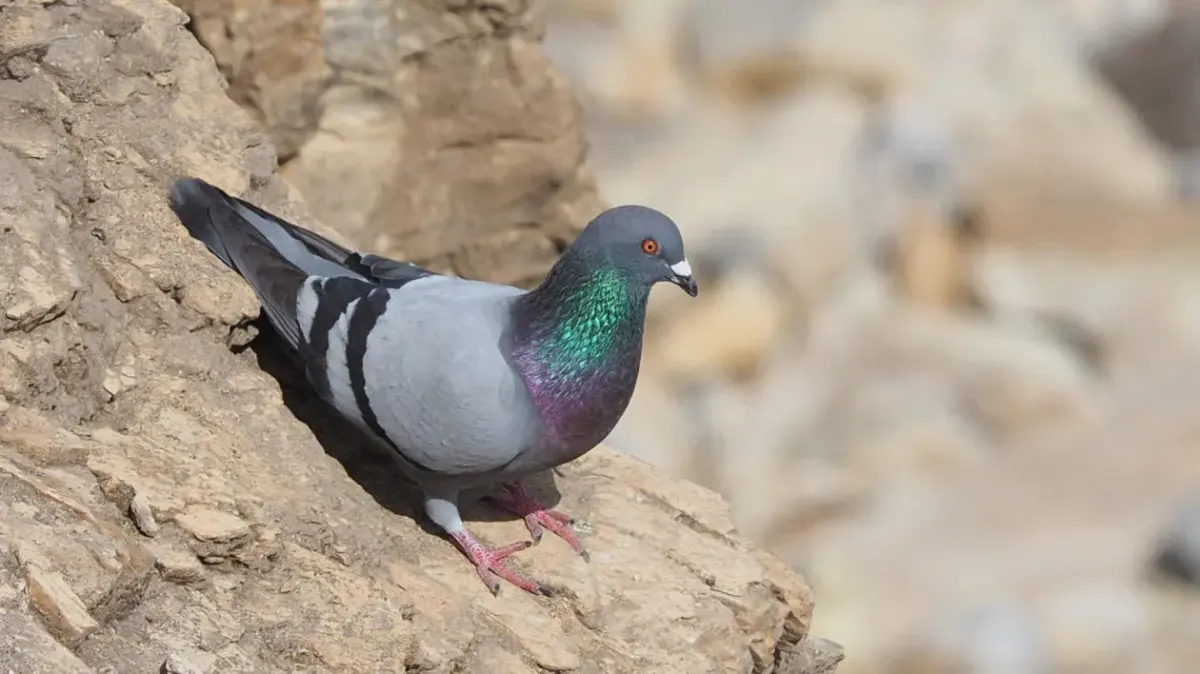
The original habitat of the rock dove (Columba livia) consists of rocky coastal cliffs and inland mountain ranges. These natural environments provide the essential features pigeons require: narrow ledges for nesting and protection from terrestrial predators. By nesting on steep, vertical rock faces, they remain largely inaccessible to foxes, cats, and other ground-dwelling threats.
In these wild settings, pigeons are highly social, often forming large colonies that share nesting sites. They prefer crevices or small caves that offer shelter from harsh winds and rain. Their physiology is perfectly adapted to these environments, as they can navigate strong updrafts and find water sources in rocky terrain. While they have spread globally, these ancestral preferences remain the blueprint for their behavior in man-made structures.
How do pigeons adapt to city life?
Urban environments act as artificial cliffs for pigeons, offering an abundance of ledges, bridges, and building facades that mimic their natural rocky homes. Cities provide a stable climate and a year-round supply of food, which allows pigeons to breed more frequently than they would in the wild. This adaptability has made them one of the most successful urban-dwelling birds in history.
Pigeons have developed specific strategies to survive in these concrete jungles:
- Utilizing window sills, roof eaves, and ventilation shafts as nesting sites.
- Scavenging discarded food scraps and utilizing public parks for foraging.
- Relying on human-provided water sources like fountains and drainage systems.
- Forming large, communal flocks to increase safety from urban predators like hawks.
By treating skyscrapers like mountain cliffs, pigeons have effectively colonized almost every major city on Earth, from New York to Tokyo.
Why do pigeons choose certain buildings?
Pigeons are highly selective when choosing a nesting site, prioritizing safety, stability, and proximity to resources. They look for structures that offer protection from the elements, such as overhanging roofs or enclosed balconies. If a building provides a flat, sheltered surface that is elevated off the ground, it is a prime candidate for a pigeon colony.
Several factors influence their site selection:
- Height: Higher locations provide a better vantage point to spot predators.
- Shelter: Areas protected from prevailing winds are preferred for raising squabs.
- Food access: Buildings near parks, outdoor cafes, or waste disposal sites are prioritized.
- Stability: Pigeons avoid structures that vibrate excessively or experience heavy human traffic.
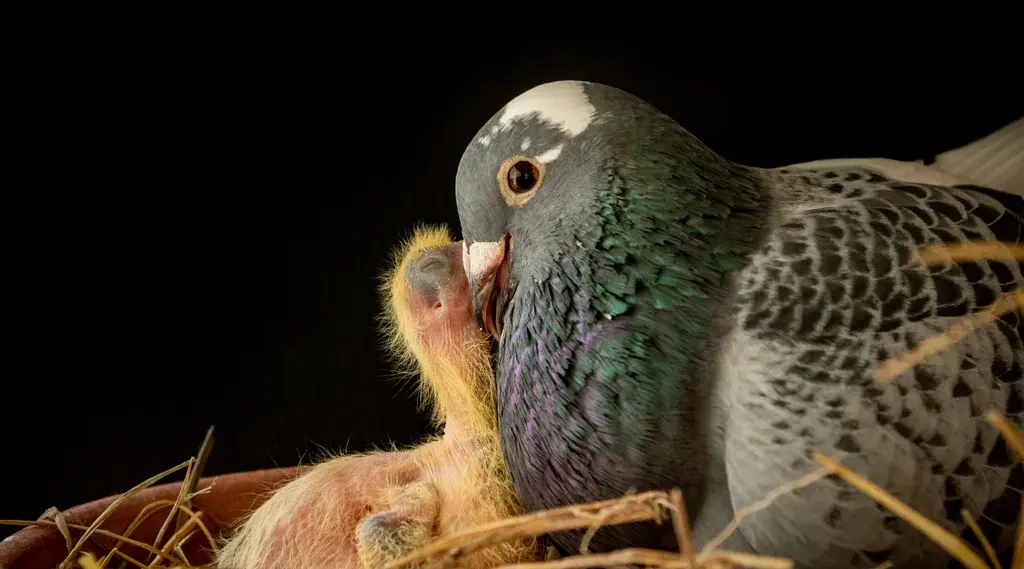
Once a pair establishes a nest, they are known for their site fidelity. They will return to the same location for multiple breeding cycles, often reinforcing the nest with twigs, grass, and debris over several years.
Common mistakes when managing pigeon populations
Many people attempt to discourage pigeons from nesting on their property using ineffective methods. A frequent error is relying on visual deterrents like plastic owls or reflective tape. Pigeons are highly intelligent and quickly realize these objects pose no threat, often ignoring them within days. Another mistake is failing to remove existing nests immediately, which encourages the birds to return.
To effectively manage pigeon presence, consider these practical steps:
- Install physical barriers such as bird spikes or netting on ledges.
- Use sloped surfaces at 45-degree angles to prevent birds from landing.
- Seal off entry points to attics, vents, and crawl spaces with heavy-duty wire mesh.
- Eliminate standing water and food sources that attract them to the area.
- Clean nesting areas thoroughly to remove pheromones that signal the site is safe for future generations.
Best practices for bird-friendly urban planning
Modern urban planning increasingly seeks to balance human needs with wildlife presence. Rather than viewing pigeons solely as pests, some architects design buildings that minimize accidental nesting opportunities while maintaining aesthetic appeal. By incorporating smooth, steep-angled architectural features, designers can prevent pigeons from settling without the need for harsh deterrents or harmful chemical treatments.
Creating a harmonious environment requires consistent maintenance and thoughtful design. When buildings are constructed with fewer crevices and ledges, pigeons naturally move to more suitable locations. Furthermore, public education regarding the risks of feeding wild pigeons helps reduce the density of flocks in high-traffic pedestrian areas. By reducing the reliance on human-provided food, the population naturally stabilizes, leading to a cleaner and more sustainable urban ecosystem for both the residents and the birds themselves. This balanced approach ensures that pigeons can continue to inhabit their chosen niches without becoming a significant nuisance to human infrastructure or public health.
Key facts
- Rock pigeons (Columba livia) are native to the sea cliffs of Europe, North Africa, and South Asia.
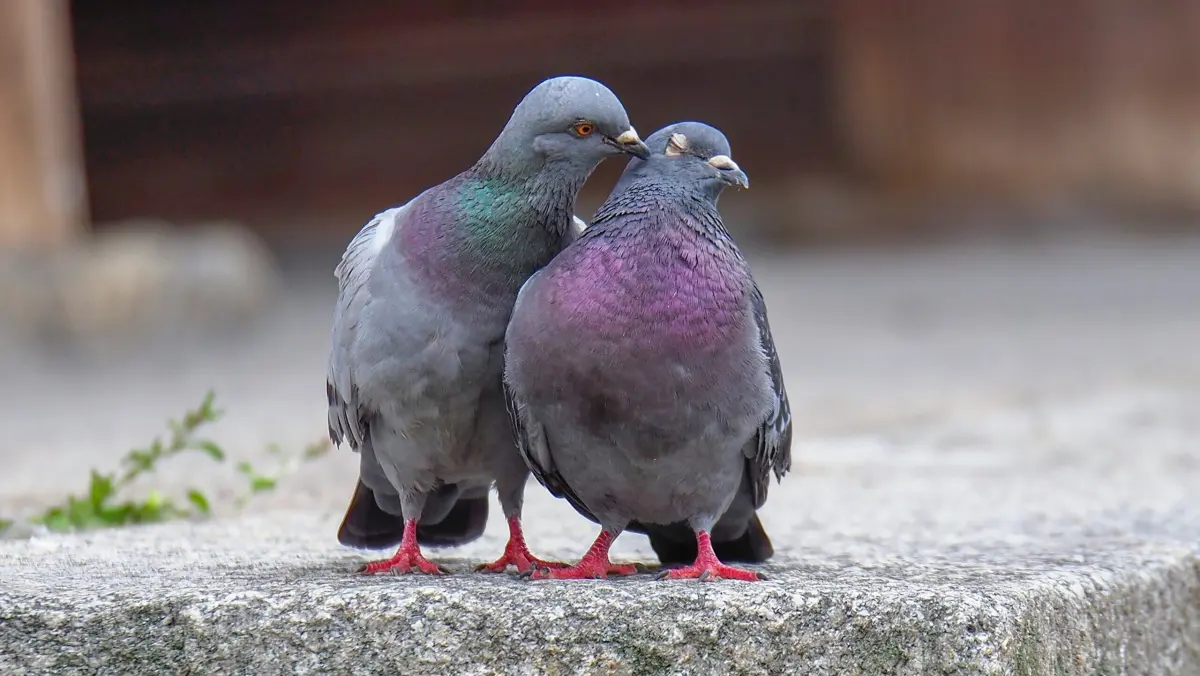
- Urban pigeons thrive in cities because buildings mimic the rocky ledges and crevices of their ancestral cliff habitats.
- Pigeons are highly adaptable and can nest in almost any sheltered, elevated space, including bridges, attics, and window ledges.
- To deter pigeons from nesting on your property, install sloped bird spikes or wire mesh to prevent them from landing on flat surfaces.
- Avoid leaving food scraps or open trash containers nearby, as pigeons will quickly claim any area with a reliable, easy food source.
- Pigeons are social birds that prefer to roost in groups, often returning to the same nesting site year after year.
The bottom line
Pigeons are incredibly resilient birds that have successfully transitioned from natural cliff-dwelling habitats to the concrete jungles of modern cities. By utilizing human architecture as a substitute for rocky ledges, they have secured a permanent place in urban ecosystems worldwide. Understanding their nesting habits and food preferences is the most effective way to manage their presence and maintain a clean, pigeon-free environment around your home.
People also ask
Do pigeons migrate during the winter?
No, pigeons are non-migratory birds that stay in the same general area throughout the year. They are hardy enough to withstand cold temperatures as long as they have access to consistent food and shelter.
How long do pigeons live in the wild?
In urban environments, most pigeons live for three to five years due to predators and disease. However, protected pigeons in captivity or ideal conditions can live for over 15 years.
Why do pigeons bob their heads when they walk?
Pigeons bob their heads to stabilize their vision while moving. Because their eyes are on the sides of their heads, this motion helps them perceive depth and keep their surroundings in focus.
Are pigeons considered an invasive species?
In many parts of the world, including North America, pigeons are considered an introduced and invasive species. They were originally brought to the Americas by European settlers in the early 1600s.
Can pigeons carry diseases that affect humans?
While pigeons can carry pathogens like Salmonella or E. coli, the risk of transmission to humans is low with proper hygiene. Avoid direct contact with droppings and wash your hands after cleaning areas where birds congregate.
How many eggs do pigeons lay at once?
Pigeons typically lay two eggs per clutch. They are prolific breeders and can produce up to six broods per year if the climate and food supply remain favorable.
This answer was created with the help of AI research tools and reference sources. Spotted an error? Let us know — we correct mistakes quickly. See our editorial policy.