What is a food chain?
Short answer
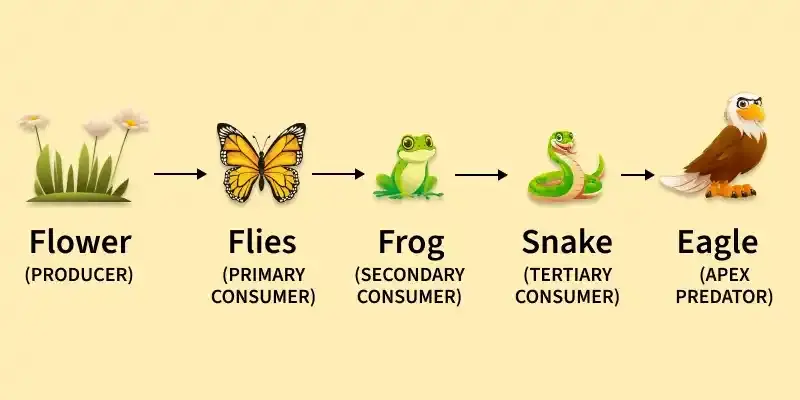
A food chain is a linear sequence of organisms through which nutrients and energy pass as one organism eats another. It begins with a primary energy source, usually the sun, and moves through producers, consumers, and decomposers. This fundamental ecological model illustrates how life sustains itself within a specific environment or ecosystem.
On this page
How does a food chain work?
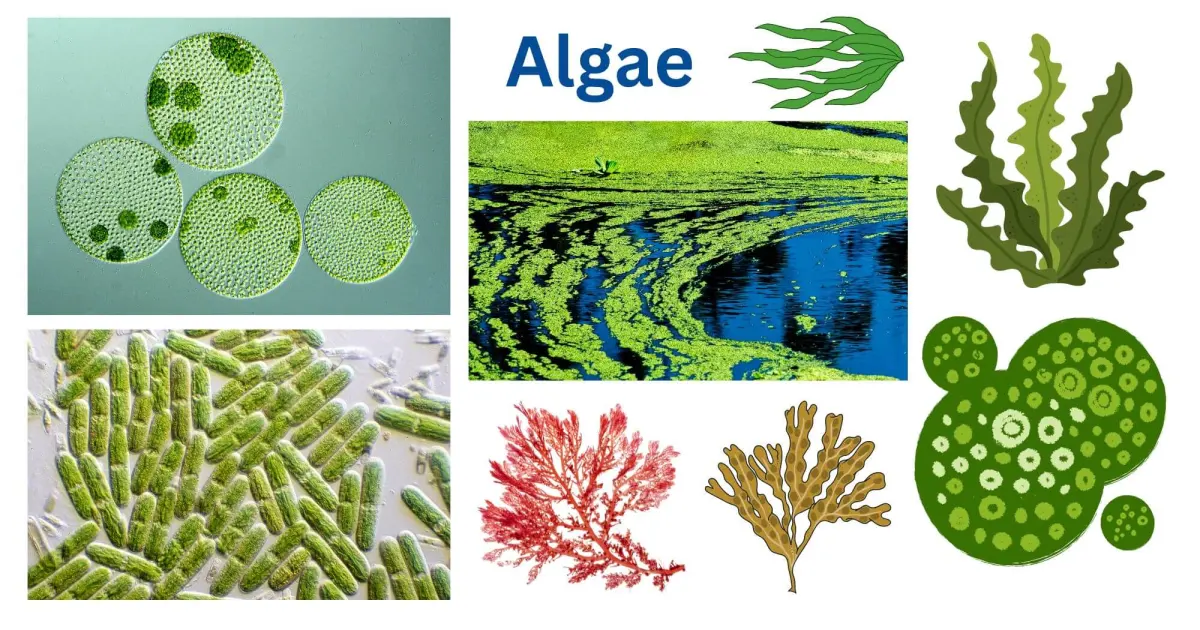
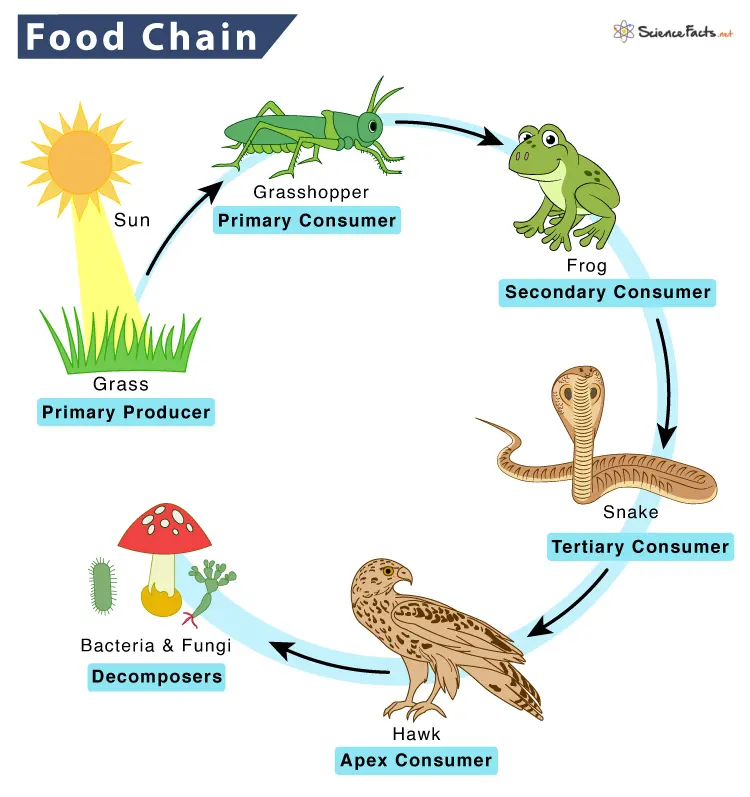
A food chain operates as a transfer system for energy and matter. It starts with producers, such as plants or algae, which capture sunlight to create chemical energy through photosynthesis. This energy is then transferred to primary consumers, like herbivores, when they eat the plants. The chain continues as secondary and tertiary consumers, typically carnivores or omnivores, eat the organisms below them in the hierarchy.
The flow of energy is not perfectly efficient. At each step, a significant portion of energy is lost as heat, which is why food chains rarely exceed four or five links. When an organism dies, decomposers like bacteria and fungi break down the remaining organic matter. This process returns vital nutrients to the soil, allowing the cycle to restart as new plants grow. This movement ensures that ecosystems remain functional and self-sustaining over time.
What are the levels of a food chain?
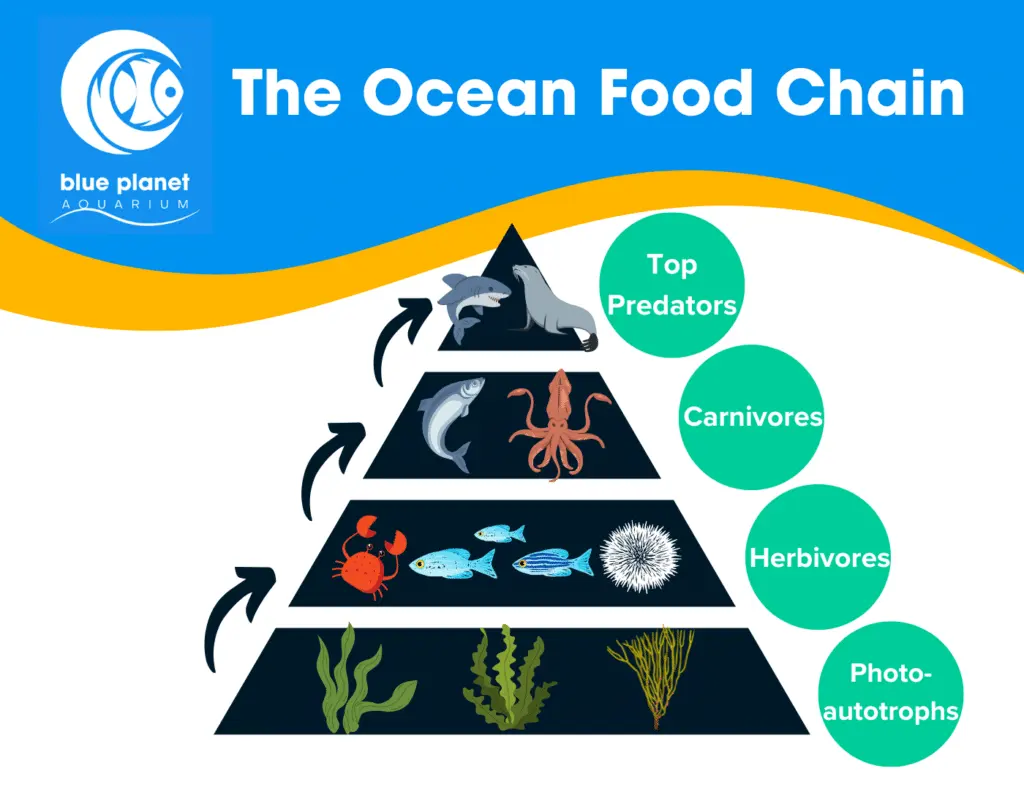
Every food chain is organized into distinct trophic levels that define an organism's role in the energy transfer process. These levels represent the distance an organism is from the primary energy source. Understanding these categories is essential for analyzing how ecosystems maintain their balance and support diverse populations of wildlife.
- Producers: Organisms like grass, trees, and phytoplankton that generate their own food.
- Primary Consumers: Herbivores that eat producers, such as deer, rabbits, or insects.
- Secondary Consumers: Carnivores or omnivores that eat primary consumers, such as frogs or small birds.
- Tertiary Consumers: Apex predators that occupy the top of the chain, such as hawks, lions, or sharks.
- Decomposers: Organisms like fungi and earthworms that recycle nutrients from dead matter.
By categorizing organisms this way, scientists can track how population changes at one level impact the entire structure. If a producer population declines, the entire chain faces a potential collapse.
Why do food chains overlap into food webs?
While a food chain provides a simple model, it is rarely a complete picture of nature. Most animals eat a variety of different foods rather than relying on a single source. When multiple food chains intersect, they form a complex network known as a food web. This interconnectedness provides stability to an ecosystem, as it allows animals to find alternative food sources if one population decreases.
For example, a hawk might eat a snake, a mouse, or a small bird. Each of those prey animals is part of its own distinct food chain. By mapping these connections, researchers can see how the removal of one species might trigger a ripple effect across the entire habitat. Food webs demonstrate that biodiversity is a critical component of environmental health, as complex systems are generally more resilient to external shocks and environmental changes.
How to identify a food chain in nature
Observing a food chain in your own backyard or local park is a practical way to understand ecology. You can start by selecting a common producer and tracing what consumes it. Keep a notebook to document your findings, noting the specific interactions you witness between different species. This exercise helps you visualize the flow of energy in real-time.
- Select a producer, such as a clover plant or a dandelion, as your starting point.
- Observe which insects or small animals feed on that specific plant.
- Identify a predator that hunts those small animals, such as a spider or a robin.
- Record the sequence in your notebook, drawing arrows to show the direction of energy flow.
- Identify any decomposers, like pill bugs, that might be feeding on the remains of the organisms you observed.
Following these steps allows you to see the interconnected nature of life in your immediate environment.
Common mistakes when studying food chains
One common error is assuming that all food chains follow a rigid, straight line. In reality, many animals occupy multiple trophic levels depending on their diet. For instance, a bear might act as a primary consumer when eating berries and a secondary consumer when catching fish. Failing to account for these dietary shifts can lead to an inaccurate understanding of an ecosystem's complexity.
Another mistake is ignoring the role of decomposers. Many students focus exclusively on the predator-prey relationship and forget that energy must be recycled to support future generations of producers. Without decomposers, the nutrients required for plant growth would remain locked in dead organisms, effectively ending the chain. Finally, avoid the assumption that the "top" predator is invincible. Even apex predators eventually die and become food for decomposers, ensuring that the cycle of life remains a closed loop rather than a dead end. By avoiding these oversights, you can gain a much deeper appreciation for the delicate balance that sustains our planet's diverse biological communities.
Key facts
- A food chain is a linear sequence of organisms through which nutrients and energy pass as one organism eats another.
- Every food chain begins with a primary energy source, which is almost always the sun.
- Producers, such as plants and algae, convert solar energy into chemical energy through photosynthesis.
- Consumers are categorized into levels: primary consumers eat plants, while secondary and tertiary consumers eat other animals.
- Decomposers, like fungi and bacteria, break down dead organic matter, returning vital nutrients to the soil.
- Only about 10 percent of the energy at one trophic level is transferred to the next, limiting the length of most food chains.
The bottom line
A food chain illustrates the fundamental flow of energy through an ecosystem, moving from producers to various levels of consumers and finally to decomposers. By understanding these connections, we see how fragile biological communities are and how each organism plays a critical role in maintaining balance. Recognizing these pathways helps us appreciate the efficiency of nature and the vital importance of biodiversity in sustaining life.
People also ask
How does a food chain differ from a food web?
A food chain follows a single direct path of energy, while a food web consists of many interconnected food chains. Food webs provide a more realistic view of an ecosystem where animals often have diverse diets.
What happens if one species is removed from a food chain?
Removing a single species can cause a ripple effect known as a trophic cascade. This often leads to an overpopulation of the species below it or the starvation of the species above it.
Are humans part of a food chain?
Yes, humans are classified as omnivores and typically occupy the role of tertiary or apex consumers. We consume both plant-based producers and various animal-based primary or secondary consumers.
What is a trophic level?
A trophic level is the specific position an organism occupies in a food chain or food web. These levels are defined by how an organism obtains its food and energy.
Why are there rarely more than five levels in a food chain?
Because energy is lost as heat at each transfer, there is eventually not enough energy left to support a higher level of predators. This thermodynamic limitation keeps food chains relatively short.
Do all food chains start with the sun?
Most do, but some deep-sea ecosystems rely on chemosynthesis. In these environments, bacteria convert chemicals from hydrothermal vents into energy, bypassing the need for sunlight entirely.
This answer was created with the help of AI research tools and reference sources. Spotted an error? Let us know — we correct mistakes quickly. See our editorial policy.