How is plastic made?
Short answer
Plastic is manufactured by refining natural materials like crude oil, natural gas, or coal into chemical building blocks called monomers. These monomers undergo a process called polymerization, where they are chemically bonded into long, repeating molecular chains known as polymers. These versatile substances are then molded, extruded, or cast into final products.
On this page
How is plastic made from oil?
The majority of modern plastics originate from fossil fuels, primarily crude oil and natural gas. The process begins in an oil refinery, where raw petroleum is heated in a fractionating column. This distillation separates the crude oil into various components based on boiling points, one of which is naphtha, the essential precursor for most plastics.
Once separated, the naphtha undergoes a process known as "cracking." During this stage, high heat and catalysts break down the long hydrocarbon chains of naphtha into smaller, more reactive molecules called monomers, such as ethylene and propylene. These monomers serve as the fundamental building blocks for all synthetic polymers.
- Crude oil is extracted from underground reservoirs.
- Refineries distill the oil to isolate naphtha.
- Thermal or catalytic cracking converts naphtha into monomers.
- Monomers are purified for the polymerization stage.
How does the polymerization process work?
Polymerization is the chemical reaction that transforms simple monomers into complex, high-molecular-weight polymers. This occurs in a reactor where monomers are combined with catalysts under specific heat and pressure conditions. The catalyst initiates the reaction, causing the monomers to link together in long, repeating chains that define the plastic's physical properties.
There are two primary methods of polymerization: addition and condensation. In addition polymerization, monomers simply bond together without losing any atoms, common in creating polyethylene. In condensation polymerization, monomers react while releasing a small byproduct molecule, such as water or methanol, which is how materials like nylon and polyester are formed.
- Addition polymerization: Monomers join directly to form long chains.
- Condensation polymerization: Monomers join and release a small molecule.
- Catalysts: Chemicals used to speed up and control the reaction rate.
- Molecular weight: Determines the strength and flexibility of the final plastic.
What are the different types of plastic?
Plastics are generally categorized into two main groups: thermoplastics and thermosets. Thermoplastics can be melted, reshaped, and cooled repeatedly without undergoing significant chemical change. These include common materials like polyethylene terephthalate (PET) used in water bottles, and high-density polyethylene (HDPE) found in milk jugs and detergent containers.
Thermosets, conversely, undergo a chemical reaction during the curing process that permanently sets their shape. Once they are heated and molded, they cannot be melted down again. Examples include epoxy resins, polyurethane, and vulcanized rubber. While thermoplastics are highly recyclable due to their reversible nature, thermosets are much more difficult to recycle because their molecular bonds are irreversible.
- PET (Polyethylene Terephthalate): Clear, used for food packaging.
- HDPE (High-Density Polyethylene): Rigid, used for chemical containers.
- PVC (Polyvinyl Chloride): Durable, used in pipes and construction.
- LDPE (Low-Density Polyethylene): Flexible, used for plastic bags.
- PP (Polypropylene): Heat-resistant, used for food storage containers.
How are raw plastics shaped into products?
Once the polymer is synthesized, it is usually produced in the form of small pellets or granules. Manufacturers then use various industrial processes to melt these pellets and shape them into finished goods. Injection molding is the most common technique, where molten plastic is injected into a cooled metal mold to create precise, complex shapes like toys or automotive parts.
Extrusion is another widely used method, where plastic is pushed through a die to create continuous lengths of material, such as pipes, tubing, or film. Blow molding is specifically used for hollow objects like bottles; it involves inflating a heated parison of plastic inside a mold using compressed air. These mechanical processes are highly automated and allow for the mass production of consistent plastic components.
- Feed plastic pellets into a heated barrel.
- Melt the pellets into a viscous liquid.
- Force the material through a die or into a mold.
- Cool the plastic until it solidifies into the desired shape.
Common mistakes when working with plastic
A frequent error in plastic manufacturing is failing to control the moisture content of resin pellets before processing. Many engineering plastics, such as nylon or polycarbonate, are hygroscopic, meaning they absorb moisture from the air. If these pellets are not properly dried before heating, the trapped water vapor creates bubbles, streaks, or structural weaknesses in the final product.
Another common mistake involves improper temperature management during the molding process. If the temperature is too low, the plastic may not flow completely into the mold, leading to "short shots" or incomplete parts. Conversely, if the temperature is too high, the polymer chains can degrade or burn, resulting in discoloration and a significant loss of mechanical strength. Proper calibration of machinery and consistent monitoring of environmental humidity are essential for maintaining quality.
Key facts
- Plastic production begins with the extraction of fossil fuels, primarily crude oil and natural gas, which provide the carbon-rich building blocks.
- The refining process separates these raw materials into hydrocarbons like ethane and propane, which are then converted into ethylene or propylene.
- Polymerization is the critical chemical reaction where these small molecules, called monomers, are linked together into long, repeating chains.
- Additives such as plasticizers, stabilizers, and pigments are mixed into the polymer resin to give the final product specific properties like flexibility or color.
- Most consumer plastics are thermoplastics, meaning they can be melted and reshaped repeatedly without undergoing significant chemical degradation.
- Avoid overheating plastic during any DIY melting projects, as this can release toxic fumes and compromise the structural integrity of the material.
The bottom line
Plastic production is a sophisticated chemical process that transforms raw hydrocarbons into versatile, durable polymers through the mechanism of polymerization. By manipulating molecular chains and incorporating various additives, engineers create materials tailored for specific industrial and consumer needs. Understanding the lifecycle and chemical nature of these materials is essential for responsible consumption, as their persistence in the environment necessitates improved recycling practices and sustainable innovation.
People also ask
Are all plastics made from oil?
While the vast majority of commercial plastics are petroleum-based, some are derived from renewable biomass sources like corn starch or sugarcane. These are known as bioplastics and are increasingly used to reduce reliance on fossil fuels.
What is the difference between thermoset and thermoplastic?
Thermoplastics can be melted and molded multiple times, making them ideal for recycling. Thermoset plastics undergo a chemical change during curing that makes them permanently rigid, meaning they cannot be remelted.
How do manufacturers change the texture of plastic?
Manufacturers add specific chemical agents called plasticizers to make a material softer and more flexible. Conversely, fillers like glass fibers or minerals are added to increase the hardness and heat resistance of the final product.
Is it safe to melt plastic at home?
Melting plastic at home is generally discouraged because it often releases hazardous volatile organic compounds. If you must work with plastic, always ensure you are in a well-ventilated area and use a respirator to avoid inhaling toxic fumes.
Why are there different numbers on plastic containers?
The numbers inside the recycling triangle represent the Resin Identification Code, which identifies the specific type of polymer used. This system helps recycling facilities sort materials because different plastics have different melting points and chemical compositions.
How long does it take for plastic to decompose?
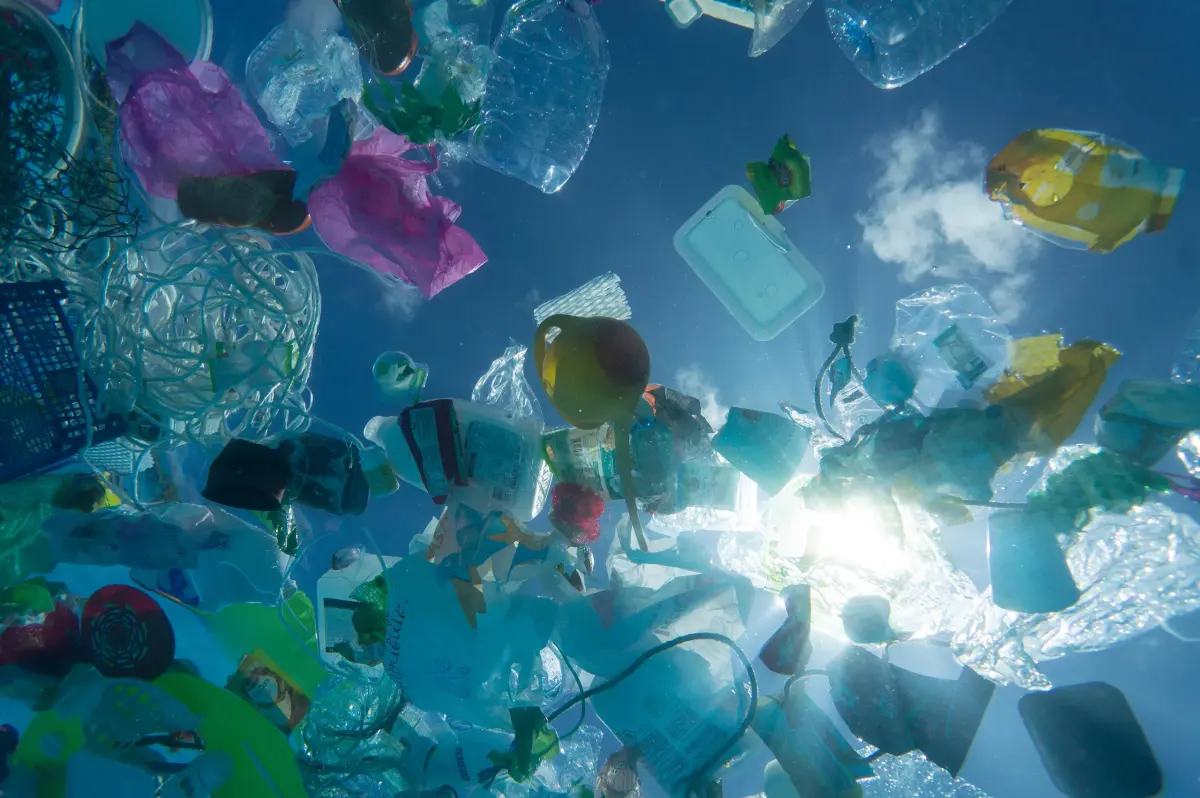
Most conventional plastics are not biodegradable and can persist in the environment for hundreds of years. They do not disappear but instead break down into smaller microplastics that accumulate in soil and water systems.
This answer was created with the help of AI research tools and reference sources. Spotted an error? Let us know — we correct mistakes quickly. See our editorial policy.