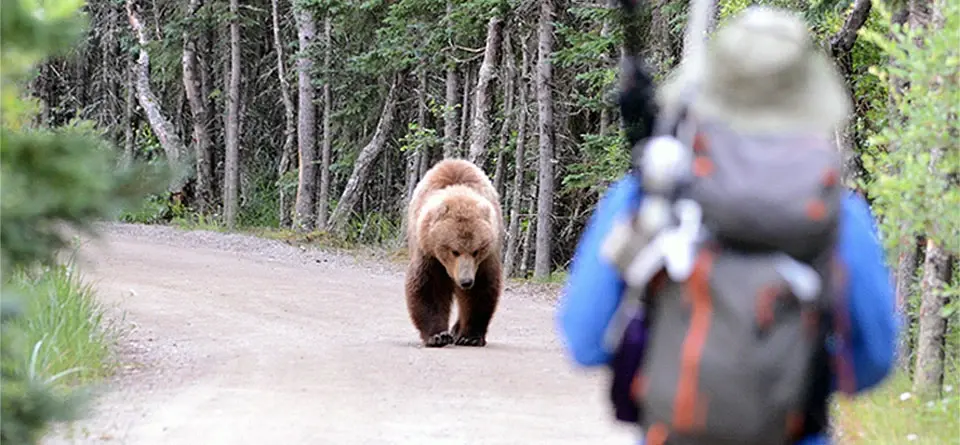
Are cougars dangerous to humans?
Short answer
Cougars are rarely dangerous to humans, as attacks remain statistically extremely uncommon. While these apex predators are physically capable of killing people, they generally avoid human contact. Most encounters occur in remote areas where cougars hunt prey. Exercising caution and following safety protocols significantly reduces the already minimal risk of harm.
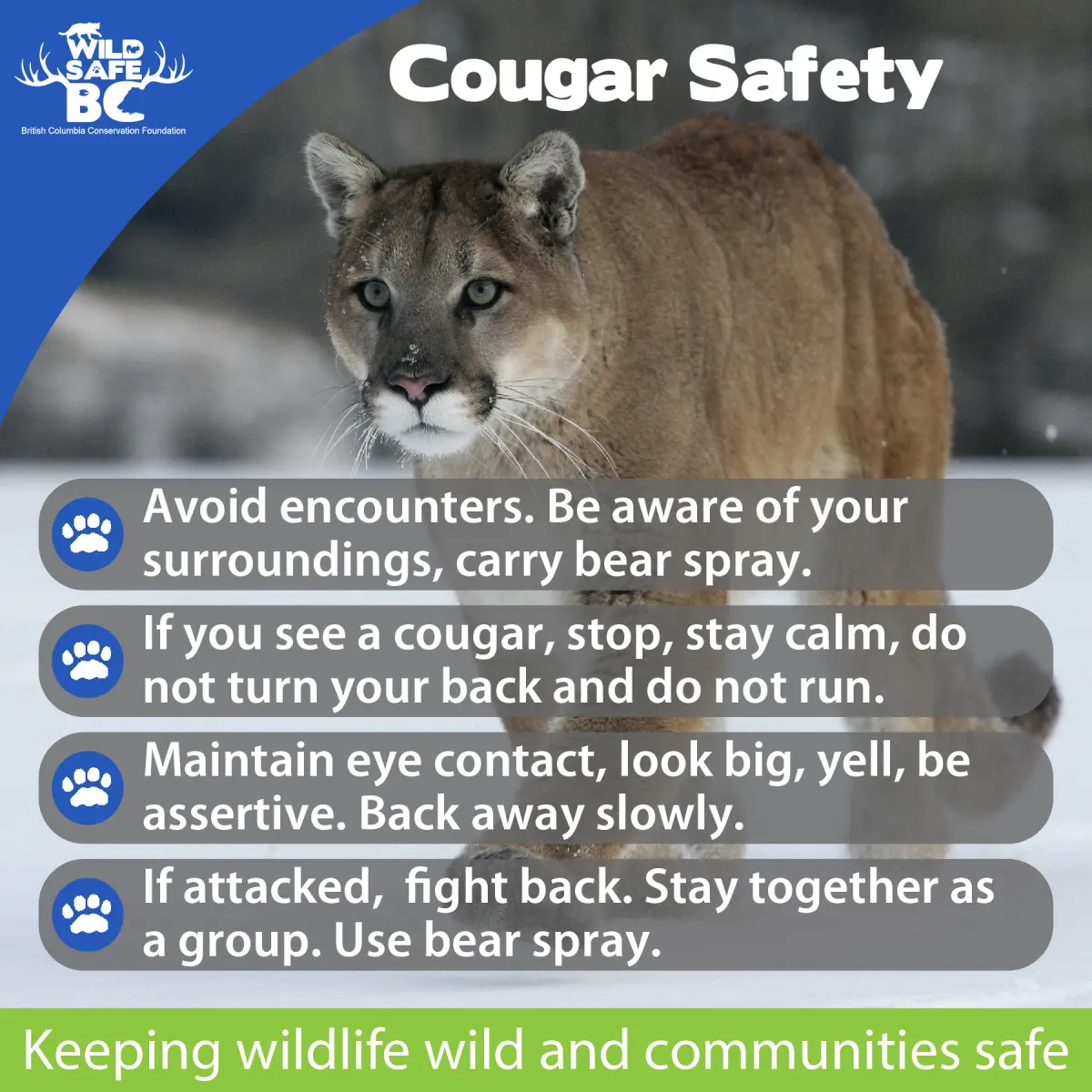
On this page
Are cougars dangerous to humans?
Cougars, also known as mountain lions or pumas, are elusive predators that typically perceive humans as threats rather than potential food sources. While they possess the strength and agility to inflict fatal injuries, documented attacks on humans are rare. In North America, there are fewer than 20 reported fatalities from cougar attacks over the last century. Most incidents involve solitary individuals, particularly children, who may be mistaken for small prey due to their size or behavior.
Understanding the behavior of these cats is essential for safety. Cougars are ambush predators that prefer to stalk their prey from behind, often utilizing dense vegetation or rocky terrain. They are most active during dawn and dusk, which are prime hunting hours. When a human enters their territory, the cat’s instinct is usually to flee or remain hidden. Attacks typically happen only when the animal is cornered, defending its cubs, or suffering from illness or starvation.
How to stay safe in cougar country
When hiking or camping in areas known to host mountain lion populations, situational awareness is your primary defense. Always travel in groups, as cougars are less likely to approach multiple people. Keep children close to you at all times, preferably within arm’s reach, and avoid letting them run ahead on trails. If you are cycling or jogging, be especially vigilant during low-light hours, as your rapid movement can trigger a predator’s chase instinct.
If you encounter a cougar, your response should be deliberate and calculated to discourage the animal. Follow these steps to maintain safety:
- Stop moving immediately and do not run, as fleeing can trigger the cat’s predatory chase response.
- Maintain constant eye contact with the animal to show you are aware of its presence.
- Make yourself appear larger by raising your arms or opening your jacket.
- Speak firmly and loudly to signal that you are not prey.
- Slowly back away toward safety while keeping your eyes on the animal.

What to do if a cougar attacks
If a cougar displays aggressive behavior, such as hissing, growling, or crouching, you must escalate your defensive posture. Do not turn your back or crouch down, as this makes you appear smaller and more vulnerable. If the animal begins to approach, throw rocks, sticks, or any available objects without bending over or turning away. The goal is to convince the cat that you are a dangerous opponent that is not worth the effort of an attack.
In the highly unlikely event of a physical attack, you must fight back with everything you have. Use tools like hiking poles, knives, or even your bare hands to strike the animal’s face and eyes. Many people have successfully repelled mountain lions by aggressively targeting these sensitive areas. Never play dead, as this leaves you completely defenseless against a predator that is accustomed to subduing prey through neck bites. Report any aggressive encounters to local wildlife authorities immediately to help track the animal's behavior.

Common mistakes when encountering wildlife
A frequent error people make is attempting to climb a tree to escape a cougar. Mountain lions are exceptional climbers and can easily reach you in a tree, effectively trapping you in a position where you cannot fight back. Another common mistake is running away in a panic. Because cougars have a natural instinct to chase fleeing prey, running away is the most effective way to turn a neutral encounter into a predatory attack.
Ignoring signs of a cougar’s presence is another major oversight. If you see fresh tracks, scat, or a cache of prey remains covered in leaves or dirt, you are likely in a high-activity area. Rather than investigating, leave the area immediately and quietly. Avoid wearing headphones while hiking, as they prevent you from hearing the subtle sounds of an approaching animal. Staying alert to your surroundings allows you to identify a potential threat long before it becomes a direct confrontation.
Why cougar encounters occur
The frequency of human-cougar interactions is often linked to the expansion of human housing into wildland-urban interfaces. As residential developments encroach further into natural habitats, the probability of overlapping ranges increases. This proximity puts humans in the path of cougars that are simply navigating their established territories. Furthermore, the presence of domestic pets in these areas can attract predators, as cats and small dogs are often viewed as easy targets by hungry mountain lions.
Environmental factors also play a significant role in how often these animals venture near human settlements. During periods of drought or habitat loss, the natural prey base for cougars—such as deer—may decline. This forces the cats to travel further afield in search of food, occasionally leading them into suburban backyards. By managing attractants like pet food, livestock, and dense brush near homes, residents can discourage cougars from lingering in populated areas. Understanding that these animals are a natural part of the ecosystem helps foster a respectful, cautious coexistence that prioritizes safety for both humans and wildlife.
Key facts
- Cougars are ambush predators that typically avoid humans, but attacks can occur if the animal is sick, starving, or protecting kittens.
- If you encounter a cougar, never run; running can trigger the animal's predatory chase instinct.
- Maintain eye contact and make yourself appear larger by raising your arms or opening your jacket.
- Speak firmly and loudly to the animal to signal that you are not prey.
- If a cougar attacks, fight back aggressively using sticks, rocks, or your bare hands, focusing on the eyes and snout.
- Most cougar attacks happen in the late afternoon or at night, which are the animal's peak hunting hours.
The bottom line
While cougar attacks on humans are statistically rare, they remain a serious possibility in regions where these predators roam. The most effective way to stay safe is to remain vigilant, avoid hiking alone during dawn or dusk, and keep children supervised. By understanding cougar behavior and reacting with confidence rather than fear, you can significantly reduce the risk of a dangerous encounter during your outdoor activities.
People also ask
What should I do if I see a cougar cub?
Never approach a cub, as the mother is likely nearby and will be highly protective. Back away slowly while keeping your eyes on the area, and leave the vicinity immediately.
Do cougars stalk people?
While rare, cougars are known to follow humans out of curiosity or territorial assessment. If you feel you are being followed, stop, face the animal, and act aggressively to discourage further interest.
Are certain people at higher risk of an attack?
Small children are at the highest risk because their size and erratic movements can resemble prey. Always keep children close and within sight when hiking in cougar country.
Should I play dead if a cougar attacks?
No, playing dead is ineffective against cougars. Unlike grizzly bears, which may stop attacking if you appear non-threatening, cougars view a passive human as easy prey.
Can I use pepper spray on a cougar?
Yes, bear spray or high-strength pepper spray can be an effective deterrent if deployed correctly. Keep the canister accessible and aim for the animal's face if it approaches.
How can I make my property less attractive to cougars?
Remove sources of food like pet food, fallen fruit, or unsecured trash that attract deer and raccoons. Since cougars follow their prey, reducing these attractants helps keep the cats away.
This answer was created with the help of AI research tools and reference sources. Spotted an error? Let us know — we correct mistakes quickly. See our editorial policy.