How is denim made?
Short answer
Denim is a durable cotton twill textile made by weaving indigo-dyed warp yarns with undyed weft yarns. This specific interlacing pattern creates a diagonal ribbing effect, known as a twill weave. The process involves harvesting raw cotton, spinning it into yarn, dyeing the warp threads, and weaving them on industrial looms.
On this page
How is denim fabric manufactured?
The production of denim begins with raw cotton, which is cleaned, carded, and spun into strong, durable yarns. The defining characteristic of denim is the use of a twill weave, where the warp threads—the vertical yarns—are dyed with indigo, while the weft threads—the horizontal yarns—remain white or uncolored. This contrast is what gives denim its signature blue appearance on the outside and a lighter, whitish hue on the inside.
Once the yarn is prepared, it undergoes a process called slasher dyeing. In this stage, the warp yarns are dipped into vats of indigo dye multiple times. Because indigo does not naturally bond well with cotton, it coats the surface of the yarn rather than penetrating the core. This unique property is essential for the fabric’s ability to fade over time, as the white core of the yarn is gradually revealed through wear and repeated washing.
How do looms create the twill weave?
After dyeing, the yarns are transferred to large industrial looms for the weaving process. Denim is traditionally produced on either shuttle looms or projectile looms. Shuttle looms, which were the industry standard for decades, produce "selvedge" denim. This term refers to the self-finished edge of the fabric, which prevents fraying and is highly prized by denim enthusiasts for its clean, high-quality appearance and historical significance.
Modern mass production often utilizes projectile or rapier looms, which are significantly faster than traditional shuttle looms. While these machines can produce vast quantities of fabric efficiently, they do not create the signature selvedge edge found on vintage-style denim. Regardless of the machine type, the loom follows a specific pattern to ensure the diagonal ribbing, known as the "wale," is consistent across the entire length of the textile.
- The warp yarns are threaded through the loom's harness system.
- The shuttle or projectile carries the weft yarn across the warp.
- The reed beats the weft yarn into place to ensure a tight, dense weave.
- The fabric is inspected for defects before being rolled into large bolts.
How is denim finished and treated?
Once the fabric is woven, it is considered "raw" or "dry" denim. At this stage, the fabric is stiff and often contains excess starch from the weaving process. Many manufacturers subject the denim to a process called sanforization, which is a mechanical pre-shrinking technique. This ensures that the final garment will not shrink significantly when the consumer washes it at home, providing a more predictable fit for the end user.
Other finishing treatments can be applied depending on the desired aesthetic. These include mercerization to increase the fabric's luster and strength, or singeing to remove loose fibers from the surface. For fashion-forward garments, the fabric might also undergo mechanical distressing, such as stone washing or enzyme washing, to soften the material and mimic the appearance of naturally aged denim. These processes transform the rigid, dark raw fabric into the comfortable, lived-in jeans commonly found in retail stores.

Common mistakes when buying denim
When purchasing denim, consumers often make the mistake of assuming all jeans will stretch to fit their body over time. While 100% cotton denim will naturally loosen, modern denim often contains elastane or spandex for stretch. If you buy a pair of stretch jeans that already feels tight, it may lose its shape quickly rather than molding to your body. Always check the garment tag for fiber content to manage expectations regarding fit and longevity.
Another frequent error is washing denim too frequently or using high heat. High temperatures can break down the elastic fibers in stretch denim and cause excessive shrinking in raw cotton. To maintain the integrity of your denim, follow these best practices:
- Turn jeans inside out before washing to minimize surface abrasion.
- Use cold water to prevent color bleeding and fiber degradation.
- Avoid the dryer; hang-dry your denim in a shaded area to prevent sun-fading.
- Spot-clean small stains instead of laundering the entire garment.
How long does it take to break in raw denim?
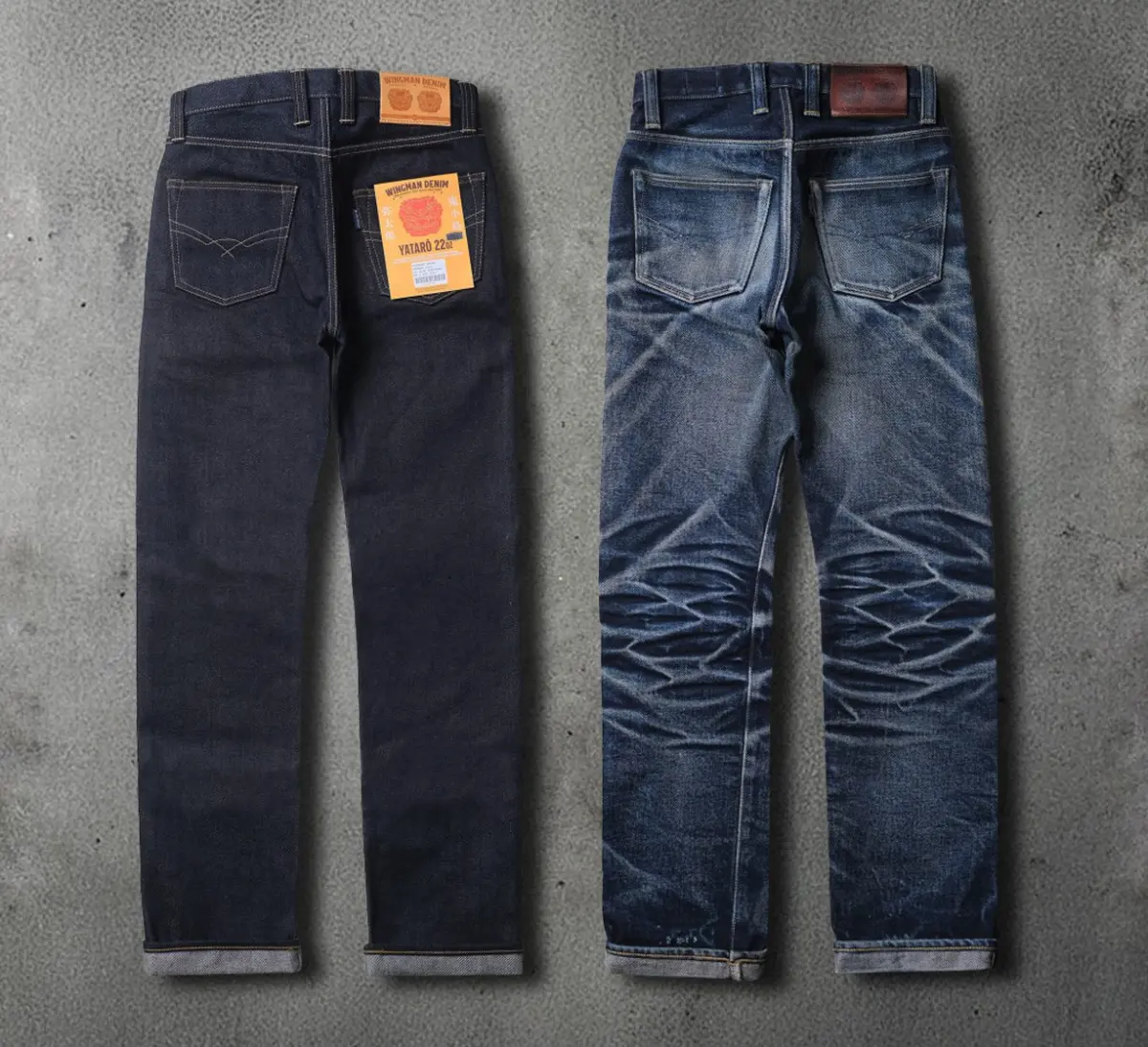
Breaking in raw denim is a gradual process that depends on how often the jeans are worn and the weight of the fabric. Heavyweight denim, often measured in ounces per square yard, is significantly stiffer and takes longer to soften than lightweight alternatives. On average, it can take anywhere from three to six months of consistent daily wear for raw, heavy-duty denim to conform to the wearer's body and develop personalized creases.
The "break-in" period is essentially a molding process where the fabric fibers soften and the indigo dye begins to shift based on the wearer's movement. To speed up the process without damaging the fabric, some enthusiasts recommend wearing the jeans while performing active tasks. However, patience is the most effective tool; the more you wear the denim, the more unique the fades and wear patterns will become. Avoid the temptation to soak or wash the jeans too early, as this can wash away the indigo before it has a chance to set into the specific creases created by your unique lifestyle and body shape.
Key facts
- Denim is a warp-faced textile where the warp threads are dyed with indigo and the weft threads remain white.
- The term "denim" originates from "serge de Nîmes," a sturdy fabric produced in the French city of Nîmes during the 17th century.
- Modern denim is often blended with elastane or spandex to provide stretch, typically ranging from 1% to 3% of the total fiber content.
- Shrink-to-fit denim, or "raw" denim, is unwashed after production and will shrink significantly during the first home laundry cycle.
- The iconic blue color comes from indigo dye, which does not penetrate the core of the cotton yarn, allowing for unique fading patterns over time.
- To maintain denim quality, wash jeans inside out in cold water and avoid high-heat tumble drying to prevent fiber degradation.
The bottom line
Denim production is a precise marriage of traditional weaving techniques and modern textile chemistry. By understanding the difference between raw and treated fabrics, consumers can better care for their garments to ensure longevity. Whether you prefer the rigid structure of selvedge denim or the comfort of blended stretch fabrics, proper maintenance—specifically cold washing and air drying—remains the most effective way to preserve your jeans' integrity.
People also ask
Why do jeans have copper rivets?
Jacob Davis and Levi Strauss patented the use of copper rivets in 1873 to reinforce stress points on work pants. They were added to prevent the pockets of heavy-duty trousers from tearing under the strain of manual labor.
What is the difference between raw and washed denim?
Raw denim is left untreated after the dyeing process, resulting in a stiff texture that molds to the wearer's body shape over time. Washed denim undergoes industrial laundering with stones, enzymes, or chemicals to soften the fabric and create a pre-faded aesthetic.
How can I prevent my dark jeans from fading?
Keep jeans away from direct sunlight while drying and always wash them inside out. Using a detergent specifically formulated for dark colors can also help neutralize chlorine in tap water that strips away indigo dye.
What does "selvedge" mean in denim?
Selvedge refers to the self-finished edge of the fabric roll, created by a continuous cross-yarn on a shuttle loom. It is considered a hallmark of quality because it prevents the fabric from fraying and is visually identified by a colored "ticker" thread.
Why do jeans feel stiff when new?
The stiffness is caused by starch or sizing agents applied during the weaving process to protect the yarn. These agents are designed to wash out after the first few cycles, significantly softening the fabric.
Can I repair denim if it rips?
Yes, darning is the most effective method for repairing denim. By using a sewing machine to replicate the weave with matching thread, you can reinforce the area and prevent the hole from expanding further.
This answer was created with the help of AI research tools and reference sources. Spotted an error? Let us know — we correct mistakes quickly. See our editorial policy.