What are the benefits of cycling?
Short answer
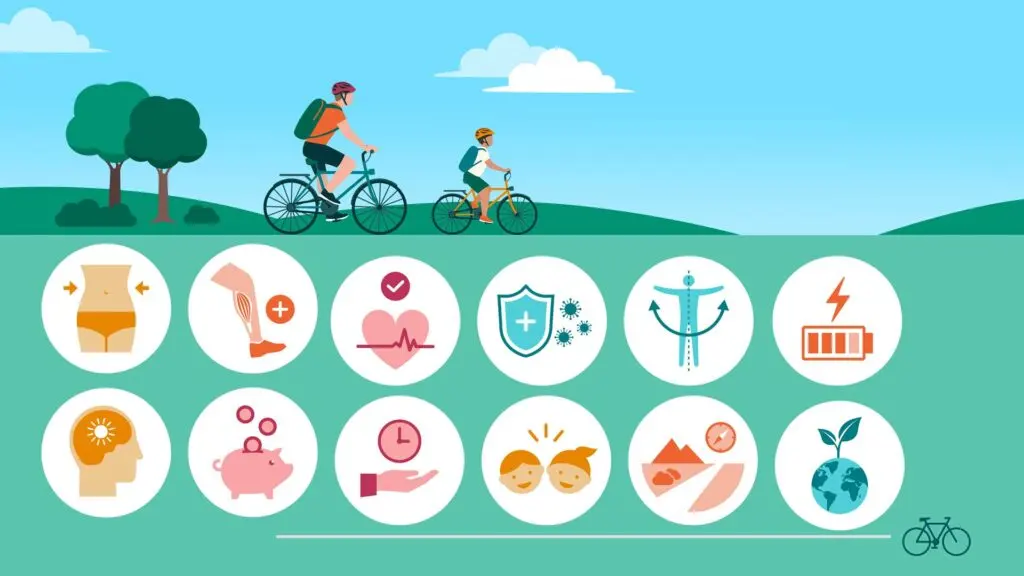
Cycling offers a comprehensive range of health benefits, including improved cardiovascular fitness, enhanced muscular strength, and superior joint mobility. Beyond physical health, it provides significant mental well-being advantages by reducing stress and anxiety. As a low-impact, sustainable mode of transportation, it also fosters environmental sustainability and offers cost-effective daily mobility for commuters.
On this page
How does cycling improve physical health?
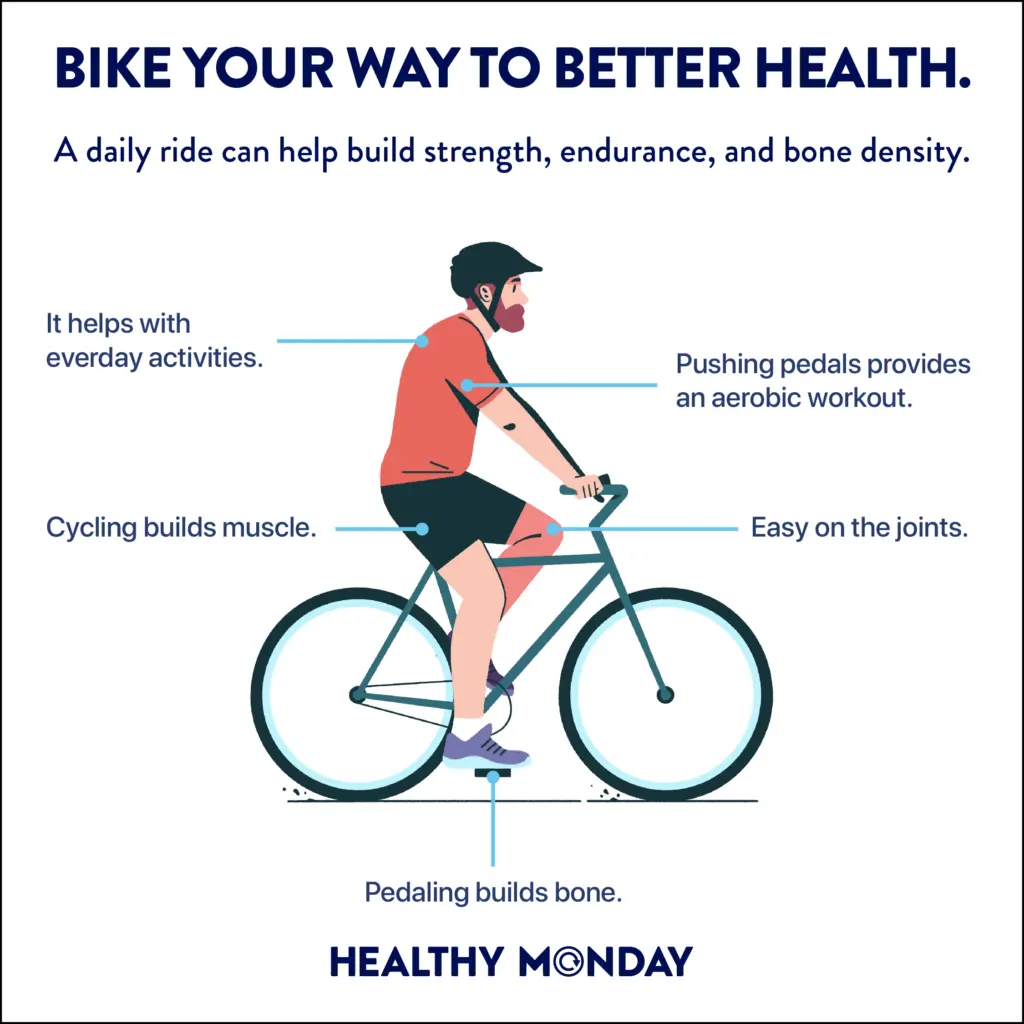
Cycling is a highly effective aerobic exercise that engages major muscle groups, particularly the quadriceps, glutes, hamstrings, and calves. By maintaining a steady cadence, riders improve their heart rate and lung capacity, which lowers the risk of cardiovascular diseases such as hypertension and stroke. Research from the British Medical Journal indicates that regular commuters who cycle to work have a significantly lower risk of developing heart disease compared to those who use sedentary transport methods.
The low-impact nature of cycling makes it an ideal activity for individuals seeking to protect their joints. Unlike running, which places repetitive stress on the knees and ankles, cycling supports the body’s weight through the saddle. This allows people of various fitness levels to engage in vigorous activity without the high risk of impact-related injuries. Consistent riding also promotes bone density, which is essential for long-term skeletal health as the body ages.
Why is cycling good for mental health?
Engaging in rhythmic physical activity like cycling triggers the release of endorphins, the body’s natural mood elevators. This chemical response helps combat symptoms of depression and anxiety, providing a clear psychological boost after even a short ride. The meditative quality of focusing on the road ahead, combined with the sensory input of the outdoors, often leads to a state of mindfulness that reduces cortisol levels and alleviates daily stress.
Beyond the chemical benefits, cycling fosters a sense of accomplishment and autonomy. Mastering a challenging climb or successfully navigating a new route builds confidence and self-efficacy. Many riders also find social benefits by joining cycling clubs or participating in group rides, which combats feelings of isolation. These social connections are vital for emotional resilience and provide a support network that encourages consistent physical activity over the long term.
Best cycling equipment for beginners
Starting a cycling journey does not require expensive professional gear, but selecting the right equipment ensures safety and comfort. A well-fitted bicycle is the most critical investment, whether it is a road bike, mountain bike, or hybrid model. Beginners should prioritize a helmet that meets safety standards, such as those certified by the Consumer Product Safety Commission, to protect against head injuries during falls or collisions.
To ensure a productive and comfortable experience, consider adding these essential items to your kit:
- A set of front and rear lights for visibility in low-light conditions.
- A basic repair kit containing a spare tube, tire levers, and a portable pump.
- A water bottle and cage to maintain hydration during longer rides.
- Padded cycling shorts to prevent chafing and increase comfort during extended periods in the saddle.
- A sturdy U-lock to secure the bicycle when parked in public areas.
How to start a cycling routine safely
Establishing a sustainable routine begins with setting realistic goals rather than attempting long distances immediately. Beginners should start with short, flat routes that allow them to practice shifting gears and braking techniques in a low-traffic environment. Gradually increasing the duration and intensity of rides by no more than 10 percent each week helps the body adapt to the physical demands while minimizing the risk of overuse injuries.
Following a structured approach ensures progress and safety:
- Perform a "M-check" on your bike: inspect the tires, brakes, chain, and quick-release levers before every ride.
- Adjust the seat height so that your leg is almost fully extended at the bottom of the pedal stroke.
- Plan your route in advance, prioritizing dedicated bike lanes or paths away from heavy vehicle traffic.
- Always signal your intentions to drivers by using clear hand gestures before turning or stopping.
- Stay hydrated by drinking water in small, frequent sips throughout your ride.
Common mistakes when starting to cycle
One of the most frequent errors beginners make is neglecting bike maintenance, which leads to mechanical failures and increased safety risks. Riding with under-inflated tires increases the effort required to pedal and makes the bike more susceptible to punctures. Furthermore, failing to clean and lubricate the chain regularly causes premature wear on the drivetrain, leading to costly repairs and a less efficient, noisier ride.
Another common mistake is ignoring proper posture and bike fit. If the handlebars are too low or the reach is too long, riders often experience neck, shoulder, and lower back pain. It is also a mistake to skip warming up; failing to prepare the muscles leads to stiffness and potential strains. Finally, many new cyclists underestimate the importance of wearing high-visibility clothing or using reflective gear, which significantly reduces the likelihood of accidents in traffic. By correcting these oversights early, riders can ensure their cycling experience remains both enjoyable and safe for many years to come.
Key facts
- Cycling at a moderate pace burns between 400 and 600 calories per hour, depending on the rider's weight and intensity.
- Regular cycling can reduce the risk of cardiovascular disease by up to 50 percent compared to a sedentary lifestyle.
- A properly fitted bicycle should allow for a slight bend in the knee when the pedal is at its lowest point.
- Inflating tires to the manufacturer's recommended PSI, printed on the sidewall, significantly reduces pedaling effort and prevents rim damage.
- Always wear a helmet that meets safety standards, such as CPSC or Snell, and replace it after any significant impact.
- Using a U-lock that secures both the frame and the rear wheel to a stationary object is the most effective theft deterrent.
The bottom line
Cycling is an exceptionally efficient way to improve cardiovascular health, build lower-body strength, and lower stress levels. By choosing the right equipment, ensuring a proper bike fit, and maintaining consistent safety habits, riders of all ages can enjoy its life-long benefits. Whether used for commuting or leisure, incorporating cycling into your weekly routine provides a sustainable, low-impact path toward achieving your long-term physical fitness goals.
People also ask
Does cycling build muscle?
Yes, cycling primarily strengthens the quadriceps, hamstrings, glutes, and calves. It also engages the core muscles to maintain balance and stability while riding.
Is cycling better for joints than running?
Cycling is a low-impact exercise, making it much easier on the knees and hips than high-impact activities like running. It allows for cardiovascular improvement without the repetitive jarring force on joint cartilage.
How often should I perform maintenance on my bike?
You should perform a quick "ABC" check—Air, Brakes, and Chain—before every ride. A professional tune-up at a local bike shop is recommended at least once a year.
What is the best way to start cycling for fitness?
Begin with short, flat routes of 15 to 20 minutes to build endurance and comfort. Gradually increase your duration or intensity by no more than 10 percent each week to avoid injury.
Can cycling cause back pain?
Back pain is usually a result of an incorrect bike fit, such as handlebars being too low or a seat that is improperly positioned. Adjusting your reach and saddle height often resolves these issues.
What gear is essential for beginners?
A well-fitting helmet, front and rear lights for visibility, and a basic repair kit containing a spare tube and tire levers are essential. Padded cycling shorts can also significantly improve comfort on longer rides.
This answer was created with the help of AI research tools and reference sources. Spotted an error? Let us know — we correct mistakes quickly. See our editorial policy.