What are the benefits of pottery?
Short answer
Pottery offers significant physical and mental health benefits, including stress reduction, improved fine motor skills, and enhanced cognitive function. By engaging the senses through tactile clay manipulation, practitioners experience a meditative state that lowers cortisol levels. Additionally, pottery fosters creative expression and provides a tangible sense of accomplishment through the production of functional art.
On this page
How does pottery improve mental health?
Engaging with clay acts as a form of mindfulness meditation, grounding the practitioner in the present moment. The repetitive, rhythmic nature of centering clay on a wheel or hand-building coils forces the brain to shift focus away from daily stressors and anxieties. Clinical studies in art therapy have shown that tactile stimulation helps regulate the nervous system, often leading to a measurable decrease in heart rate and blood pressure.
Beyond immediate relaxation, pottery encourages a "flow state," a psychological concept where a person becomes fully immersed in an activity. This deep concentration helps quiet the internal monologue, providing a necessary mental break for those dealing with burnout or high-pressure environments. The process of transforming raw material into a finished object also builds self-efficacy. By successfully navigating the challenges of shaping clay, individuals often report increased confidence and a greater sense of agency in other areas of their lives.
What are the physical benefits of pottery?
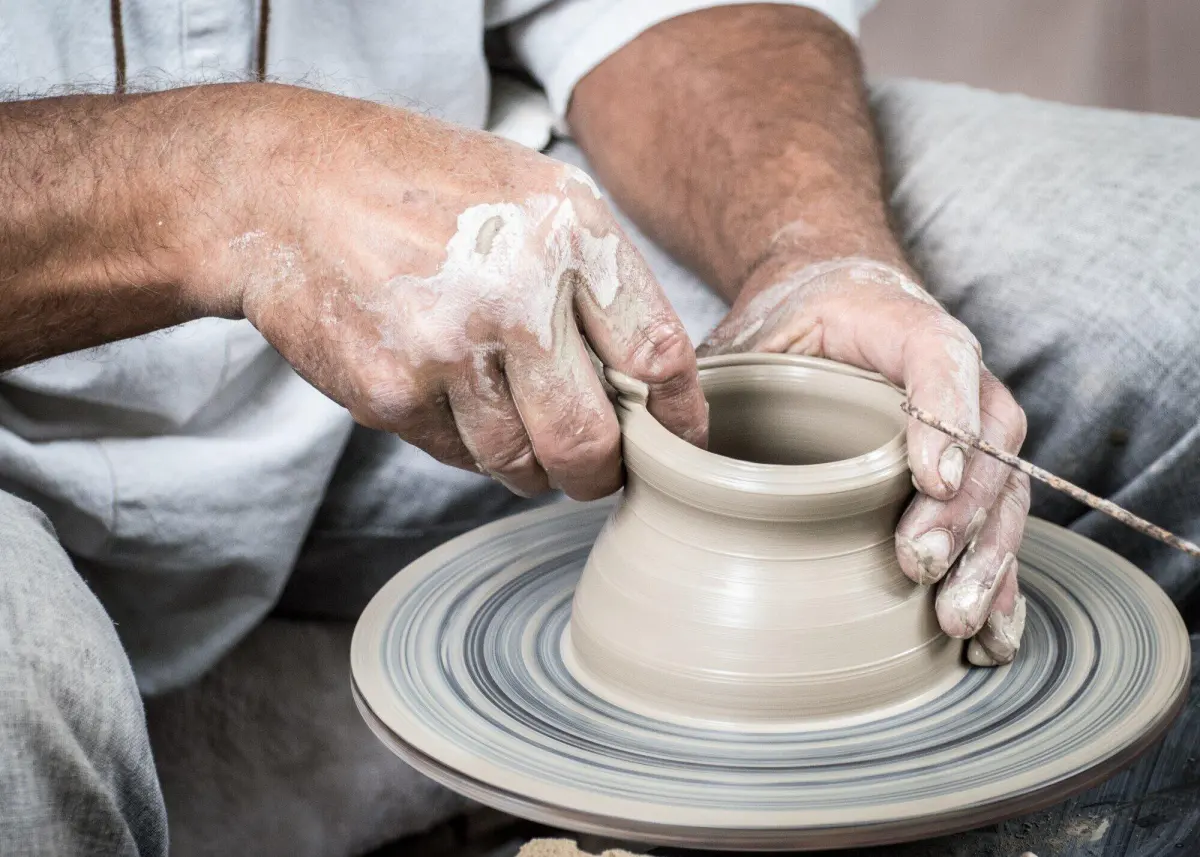
Pottery is an excellent way to maintain and improve physical dexterity, particularly in the hands, wrists, and forearms. The constant manipulation of clay requires precise muscle control, which strengthens the small stabilizing muscles often neglected in daily life. This is particularly beneficial for individuals looking to maintain grip strength or those in physical rehabilitation, as the resistance provided by the clay acts as a gentle, low-impact exercise.
In addition to hand strength, pottery encourages improved posture and core engagement. When working at a potter’s wheel, the body must remain balanced and centered to keep the clay steady. This requires consistent engagement of the abdominal and back muscles to maintain a stable position for extended periods. To maximize these physical benefits, consider the following practices:
- Sit with your feet flat on the floor to provide a stable base.
- Keep your elbows tucked into your torso to transfer your core weight into the clay.
- Take breaks every 30 minutes to stretch your neck and shoulders to prevent strain.
How to get started with pottery for beginners
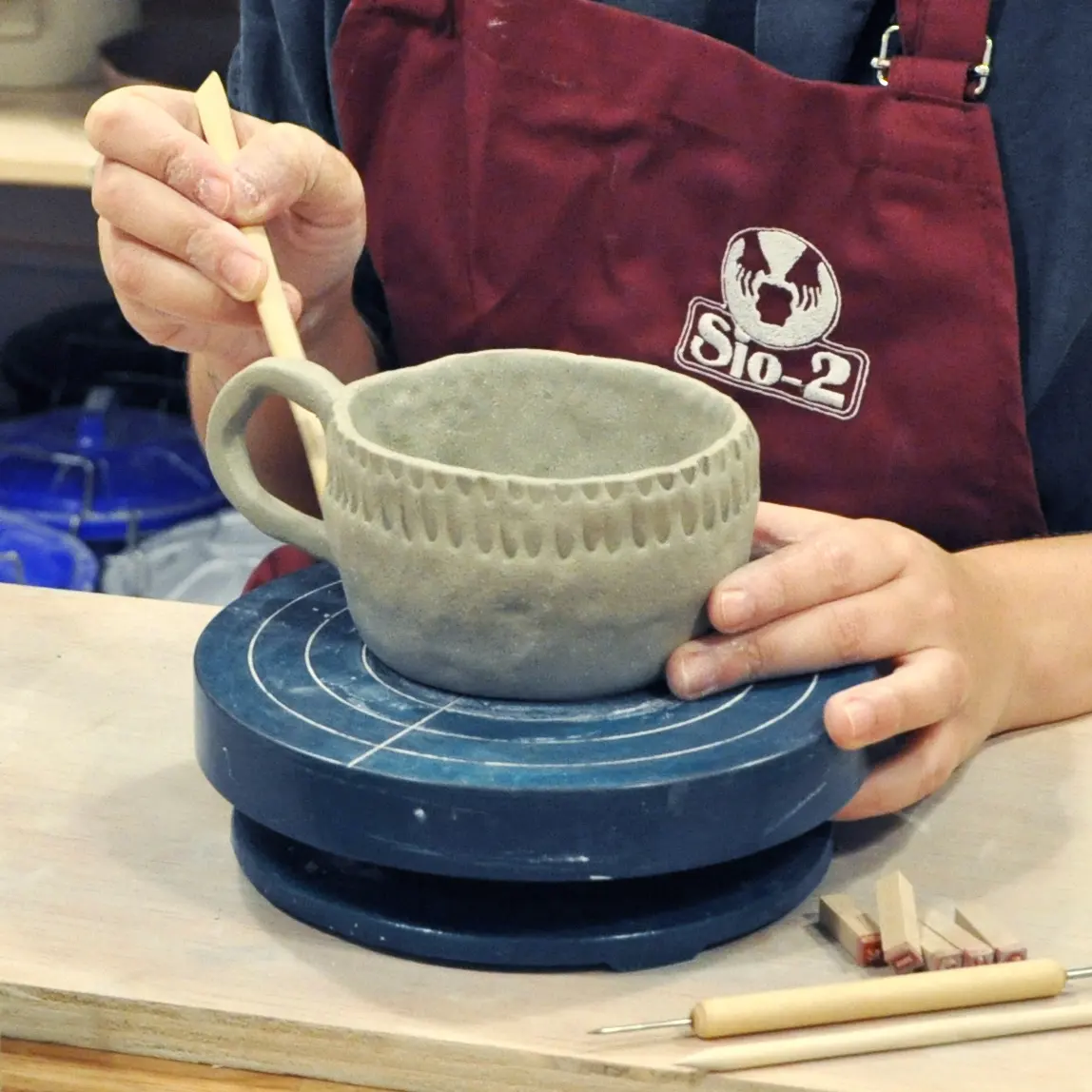
Beginning your pottery journey does not require expensive equipment or a dedicated studio space. Many community centers, art schools, and local studios offer introductory classes that provide access to wheels, kilns, and various clay bodies. For those starting at home, hand-building techniques such as pinch pots, coiling, and slab construction require only basic tools like a wire cutter, a wooden rib, and a sponge.
When choosing a starting point, focus on learning the properties of the clay rather than the complexity of the form. Understanding how clay reacts to moisture and drying times is the foundation of all ceramic work. Follow these steps to ensure a successful first project:
- Wedge your clay thoroughly to remove air pockets that could cause explosions in the kiln.
- Keep your hands moist but not dripping wet to prevent the clay from becoming too soft or "slurry."
- Allow your piece to dry slowly under a plastic cover to prevent cracking from uneven moisture loss.
Common mistakes when working with clay
One of the most frequent errors beginners make is failing to properly compress the base of their pots. If the base is not sufficiently compressed, it will likely develop "S-cracks" during the drying or firing process, rendering the piece unusable. Another common mistake is attempting to pull walls that are too thin too quickly. Without enough structural support, the clay will collapse under its own weight or warp significantly in the kiln.
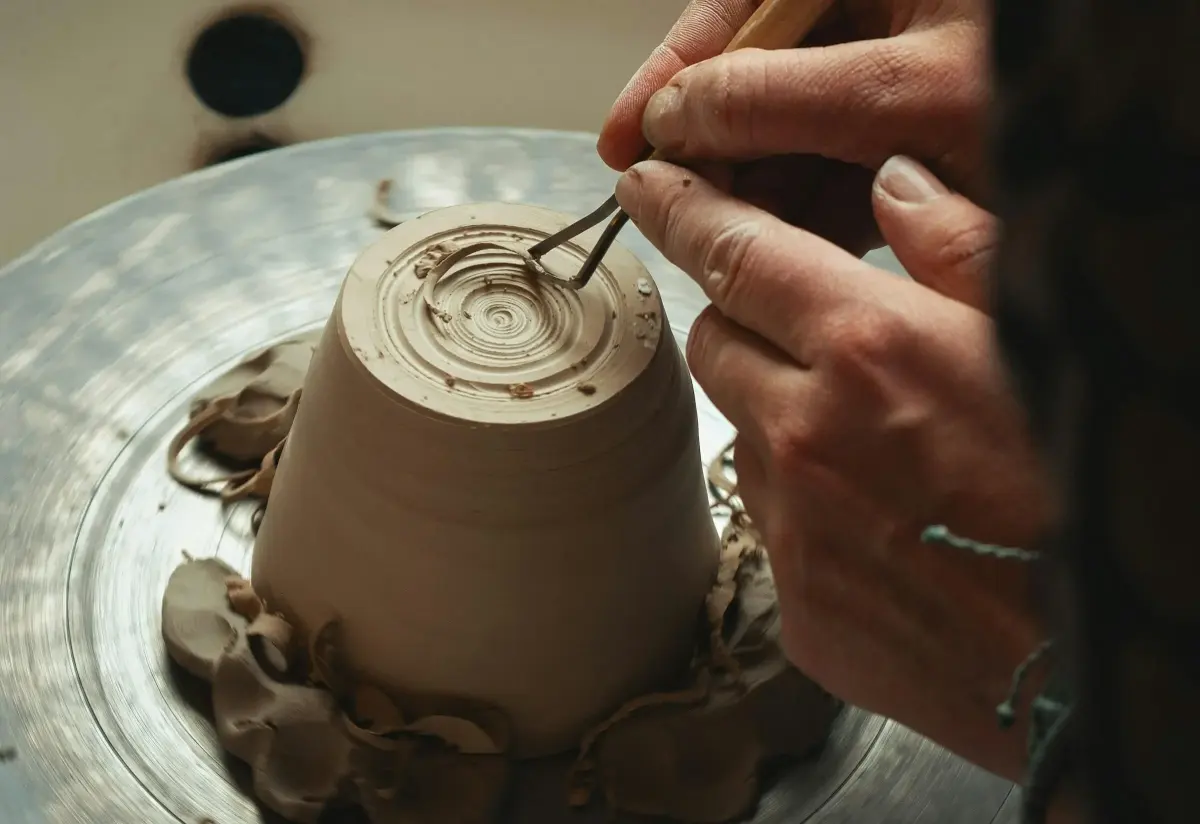
Thickness consistency is also vital for the firing process. If a piece has varying wall thicknesses, the thinner areas will shrink at a different rate than the thicker areas, leading to structural stress and potential breakage. Always use a needle tool to check the depth of the base before removing a piece from the wheel. Furthermore, avoid the temptation to rush the drying process by using a heat gun or placing pieces in direct sunlight; slow, even drying is essential for the integrity of the final ceramic object.
Why is pottery a rewarding hobby?
Pottery provides a unique intersection of utility and artistic expression. Unlike many other art forms, pottery results in functional objects that can be used in daily life, such as mugs, bowls, and plates. There is a distinct satisfaction in drinking coffee from a vessel you have crafted yourself, as it creates a personal connection between the maker and the object. This utility transforms the hobby from a purely aesthetic pursuit into a practical contribution to one's home environment.
Furthermore, the learning curve of pottery is infinite, ensuring that the hobby remains engaging for years. Whether you are mastering the nuances of glazing chemistry, experimenting with reduction firing techniques, or refining your throwing speed, there is always a new skill to acquire. The community aspect of pottery—sharing kilns, exchanging glazing tips, and discussing design challenges—also fosters social connections. By participating in this ancient craft, you join a global tradition that values patience, precision, and the beauty of human-made objects.
Key facts
- Pottery involves shaping clay and firing it in a kiln, typically at temperatures ranging from 1,800°F to 2,400°F.
- Engaging in pottery reduces cortisol levels, as the tactile nature of clay promotes a meditative "flow state" that lowers stress.
- Hand-building techniques include pinch pots, coil construction, and slab building, which require no specialized machinery.
- Centering clay on a potter's wheel requires consistent pressure and body alignment to prevent the clay from wobbling or collapsing.
- Always wedge your clay before use to remove trapped air bubbles, which can cause pieces to explode in the kiln.
- Proper drying is essential; if a piece dries too quickly, uneven shrinkage leads to cracks, a common defect known as "S-cracks."
The bottom line
Pottery offers a unique blend of physical therapy and artistic expression, making it a rewarding pursuit for people of all ages. By mastering fundamental techniques like wedging and controlled drying, you can transform raw earth into functional art. Whether you seek stress relief or a creative outlet, the process of shaping clay fosters patience, focus, and a profound sense of accomplishment with every finished piece.
People also ask
Is pottery a difficult hobby to learn for beginners?
Pottery has a moderate learning curve, particularly regarding wheel-throwing techniques. Beginners often find success starting with hand-building methods, which allow for immediate creative expression without the need for complex motor skills.
Do I need a kiln to start making pottery at home?
You do not need a personal kiln to begin, as many community studios and local art centers offer kiln firing services for a fee. Alternatively, you can use air-dry clay for decorative items that do not require high-temperature firing for durability.
What are the most essential tools for a beginner?
Essential tools include a wire cutter for slicing clay, a wooden rib for smoothing surfaces, a needle tool for trimming, and a sponge for moisture control. These basic items are typically sold in affordable starter kits at most craft stores.
Why does my pottery crack after it dries?
Cracking usually occurs due to uneven drying or trapped air bubbles within the clay body. To prevent this, cover your work loosely with plastic to slow the drying process and ensure you wedge the clay thoroughly before shaping.
How long does the entire pottery process take?
From start to finish, the process takes at least one to two weeks depending on drying times and kiln schedules. Clay must be "bone dry" before its first firing, known as the bisque fire, which takes several hours to complete.
Can I eat or drink from homemade pottery?
You can only use pottery for food if it is fired to maturity and coated with food-safe, lead-free glazes. If you are unsure about the safety of your materials, it is best to keep your creations for decorative purposes only.
This answer was created with the help of AI research tools and reference sources. Spotted an error? Let us know — we correct mistakes quickly. See our editorial policy.