What is mindfulness?
Short answer
Mindfulness is the psychological process of intentionally focusing one’s attention on the present moment without judgment. It involves observing thoughts, emotions, and physical sensations as they arise. By cultivating this state, individuals can reduce stress, improve emotional regulation, and enhance cognitive clarity through consistent practice and deliberate awareness of their lived experience.

On this page
What is mindfulness exactly?
Mindfulness is rooted in ancient contemplative traditions, most notably Buddhist meditation practices like Vipassana. In the late 1970s, Dr. Jon Kabat-Zinn brought these concepts into Western medicine by founding the Mindfulness-Based Stress Reduction (MBSR) program at the University of Massachusetts Medical Center. He defined the practice as paying attention in a particular way: on purpose, in the present moment, and non-judgmentally. This framework strips away religious connotations, focusing instead on the physiological and psychological benefits of sustained attention.
At its core, mindfulness is a mental training exercise. It is not about emptying the mind of thoughts, which is a common misconception, but rather about changing your relationship to those thoughts. Instead of becoming entangled in a narrative about the past or future, you learn to treat thoughts as transient mental events. This shift in perspective allows for a more objective observation of reality, helping to break the cycle of reactive behavior that often characterizes modern, high-stress lifestyles.
How to practice mindfulness daily
You do not need special equipment or hours of free time to practice mindfulness. The goal is to integrate moments of awareness into your existing routine. Whether you are washing dishes, walking to your car, or eating lunch, you can anchor your attention to the immediate sensory input of that activity. Consistency is far more effective than intensity; practicing for five minutes every day is better than a single hour-long session once a week.
To begin a formal practice, follow these simple steps:
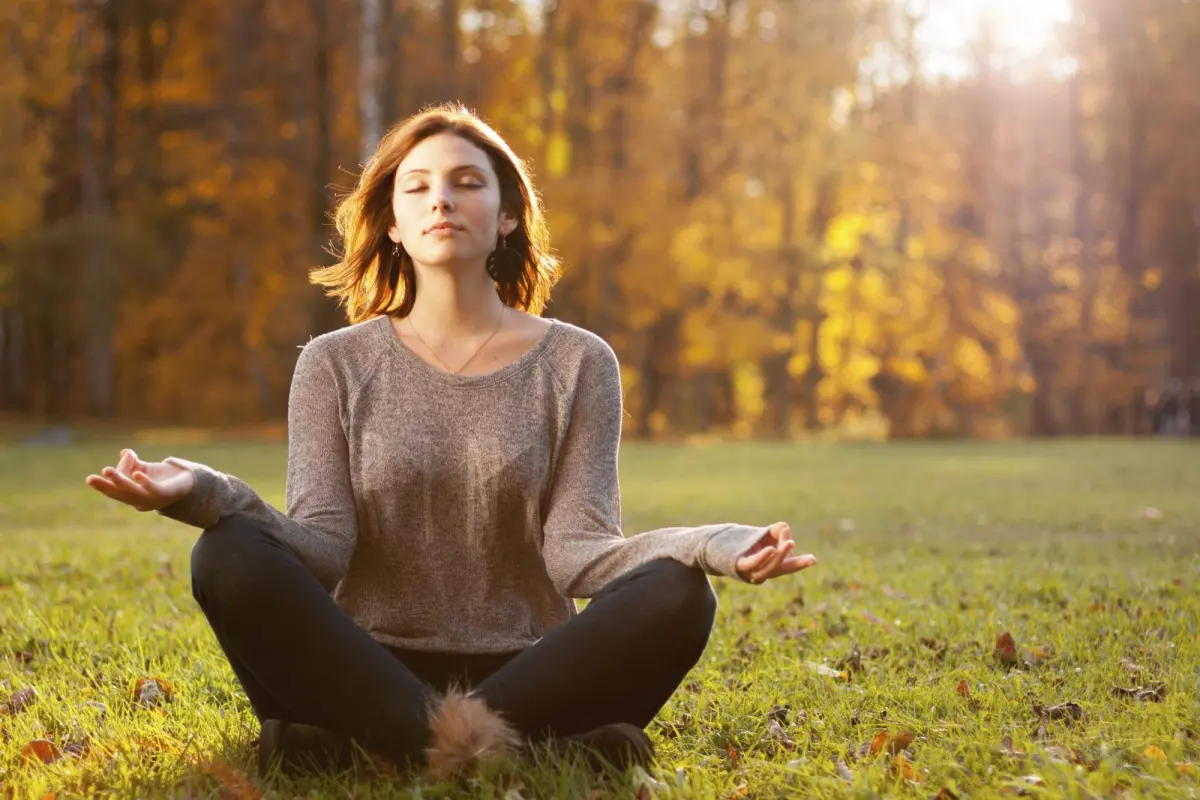
- Find a quiet space and sit in a comfortable, upright position.
- Close your eyes or soften your gaze to reduce visual distractions.
- Direct your focus to the physical sensation of your breath entering and leaving your body.
- When your mind wanders—which it inevitably will—gently acknowledge the distraction without self-criticism.
- Return your focus to the sensation of breathing.
Why mindfulness reduces stress
The physiological impact of mindfulness is largely tied to the nervous system. Chronic stress triggers the "fight or flight" response, flooding the body with cortisol. Mindfulness practice activates the parasympathetic nervous system, which promotes a "rest and digest" state. Research using functional magnetic resonance imaging (fMRI) has shown that long-term practitioners often exhibit increased gray matter density in the hippocampus, an area of the brain associated with learning and memory, and decreased activity in the amygdala, the brain's fear center.
Beyond the neurological changes, mindfulness provides a "cognitive gap." This is the space between a stimulus and your response. Without mindfulness, humans often react impulsively to stressors, such as an angry email or a traffic jam. With practice, you develop the ability to pause during that gap. This pause allows you to choose a response that aligns with your values rather than reacting out of habit or emotional volatility, significantly lowering daily anxiety levels.

Common mistakes when practicing mindfulness
Many beginners abandon mindfulness because they believe they are "failing" when their mind wanders. It is crucial to understand that noticing your mind has wandered is not a failure; it is the entire point of the exercise. The moment you realize you are thinking about your grocery list instead of your breath, you have achieved a moment of mindfulness. The struggle to stay focused is the "repetition" that strengthens your mental muscle, much like lifting weights builds physical strength.
Other frequent errors include:
- Setting unrealistic expectations for immediate "bliss" or relaxation.
- Judging yourself harshly for having "busy" thoughts.
- Trying to force the mind to be quiet instead of observing it.
- Skipping sessions because you feel you do not have enough time.
- Using mindfulness as a tool to suppress difficult emotions rather than acknowledging them.
Best mindfulness exercises for beginners
If sitting still feels daunting, you can use active mindfulness techniques to build your capacity for presence. Body scanning is an excellent starting point, where you systematically direct your attention to different parts of your body, from your toes to the top of your head. This helps you identify and release physical tension that you might not even realize you are holding. Another effective method is the "5-4-3-2-1" technique, which uses your senses to ground you in your physical environment.
To use the 5-4-3-2-1 technique, identify the following in your current surroundings:
- 5 things you can see, such as a lamp, a tree, or a book.
- 4 things you can feel, such as the fabric of your chair or the floor beneath your feet.
- 3 things you can hear, such as distant traffic or the hum of a computer.
- 2 things you can smell, such as coffee or fresh air.
- 1 thing you can taste, or one positive thing about yourself.
These practices provide a concrete way to anchor yourself in the present moment, ensuring that you can maintain a sense of balance regardless of external circumstances.
Key facts
- Mindfulness is a secular practice that does not require any specific religious belief.
- Studies show consistent practice can reduce activity in the amygdala, the brain's "fight or flight" center.
- The "STOP" technique stands for Stop, Take a breath, Observe, and Proceed.
- You can practice informal mindfulness while washing dishes by focusing entirely on the temperature and texture of the water.
- Research suggests that eight weeks of daily practice can lead to measurable changes in brain structure.
- Mindfulness is not about relaxation, though relaxation is often a beneficial side effect.
The bottom line
Mindfulness is a practical tool for grounding yourself in the present, helping you navigate life with greater clarity and less reactive stress. By consistently observing your thoughts without judgment, you can rewire your brain’s response to challenges. Whether through formal meditation or simple daily awareness, this practice empowers you to remain composed, focused, and intentional, regardless of the chaotic circumstances you may encounter each day.
People also ask
Is mindfulness the same as meditation?
Meditation is a formal practice used to cultivate mindfulness, while mindfulness is a state of awareness that can be applied to any activity. You can meditate without being mindful, and you can be mindful without sitting in formal meditation.
How long does it take to see results?
Many practitioners report feeling calmer after a single session, but structural brain changes typically emerge after consistent practice over eight weeks. Long-term benefits depend on integrating the practice into daily routines rather than sporadic sessions.
Can mindfulness help with anxiety?
Yes, it helps by creating distance between a person and their anxious thoughts. By observing thoughts as temporary mental events rather than absolute truths, individuals can reduce the intensity of their emotional reactions.
Do I need special equipment to practice?
No equipment is required, as mindfulness is an internal mental exercise. While cushions or apps can assist beginners, the only essential tools are your attention and your breath.
Can children benefit from mindfulness?
Yes, mindfulness programs in schools have been shown to improve emotional regulation and attention spans in children. Simplified techniques, such as "listening bells" or focused breathing, are often used to teach these skills early.
Is it possible to be too mindful?
While rare, some individuals with severe trauma may find that focusing on internal sensations triggers distressing memories. In such cases, it is advised to practice under the guidance of a qualified mental health professional.
This answer was created with the help of AI research tools and reference sources. Spotted an error? Let us know — we correct mistakes quickly. See our editorial policy.