How do you make bannock?
Short answer
Bannock is a simple, unleavened bread made by mixing flour, baking powder, salt, and water or milk. The dough is shaped into a flat round and cooked by frying, baking, or roasting over an open fire. It originated as a staple food for Indigenous peoples across North America and remains culturally significant today.
On this page
How to make traditional bannock from scratch
Making basic bannock requires only a few pantry staples. To begin, whisk together 2 cups of all-purpose flour, 1 tablespoon of baking powder, and a half-teaspoon of salt in a large mixing bowl. Slowly incorporate about 3/4 cup of water or milk, stirring until a soft, shaggy dough forms. Be careful not to overwork the mixture, as this develops gluten and can result in a tough, chewy texture rather than a light, biscuit-like crumb.
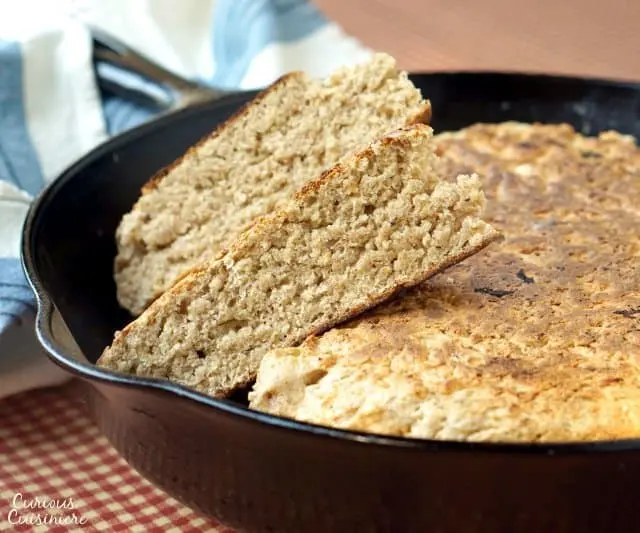
Once the dough is combined, turn it out onto a lightly floured surface and pat it into a round disk about one inch thick. You can leave it plain or score the top with a knife into wedges for easier portioning after cooking. Whether you choose to bake it in a cast-iron skillet or fry it in a small amount of oil, the goal is a golden-brown crust and a fully cooked interior.
How long does it take to cook bannock
The total time required to prepare bannock is usually between 20 and 30 minutes. Preparation time takes approximately five to ten minutes, while the cooking process varies based on the method chosen. Frying in a skillet over medium heat generally takes about 5 to 7 minutes per side. If you are baking the dough in an oven preheated to 400°F (200°C), it typically requires 15 to 20 minutes to achieve a hollow sound when tapped.
When cooking over an open campfire, the timing becomes more subjective and depends entirely on the heat of the coals. It is best to use a heavy-bottomed pan to distribute heat evenly and prevent burning. Monitor the color closely, as the high sugar content in some flours or added fats can cause the exterior to darken quickly before the center has finished rising.
- Prepare your fire or preheat your oven to 400°F.
- Mix dry ingredients thoroughly to ensure the baking powder is evenly distributed.
- Add liquid gradually, stopping as soon as the dough holds together.
- Shape the dough into a flat, uniform disk.
- Cook until the bread sounds hollow when tapped or a toothpick comes out clean.
Best cooking methods for beginners
For those new to making bannock, the stovetop frying method is the most accessible and forgiving. Using a cast-iron skillet with a small amount of lard, butter, or vegetable oil creates a crispy, flavorful crust that is difficult to replicate in an oven. The fat helps conduct heat directly into the dough, ensuring the center cooks through before the outside burns. This method also allows you to visually inspect the progress of the bread at every stage.
If you prefer a healthier or less greasy option, baking is an excellent alternative. Place the dough on a greased baking sheet or directly into a preheated Dutch oven. Baking provides a more consistent, uniform heat that produces a texture similar to a dense scone or soda bread. Regardless of the method, always ensure your baking powder is fresh, as this is the primary leavening agent responsible for the bread's rise.
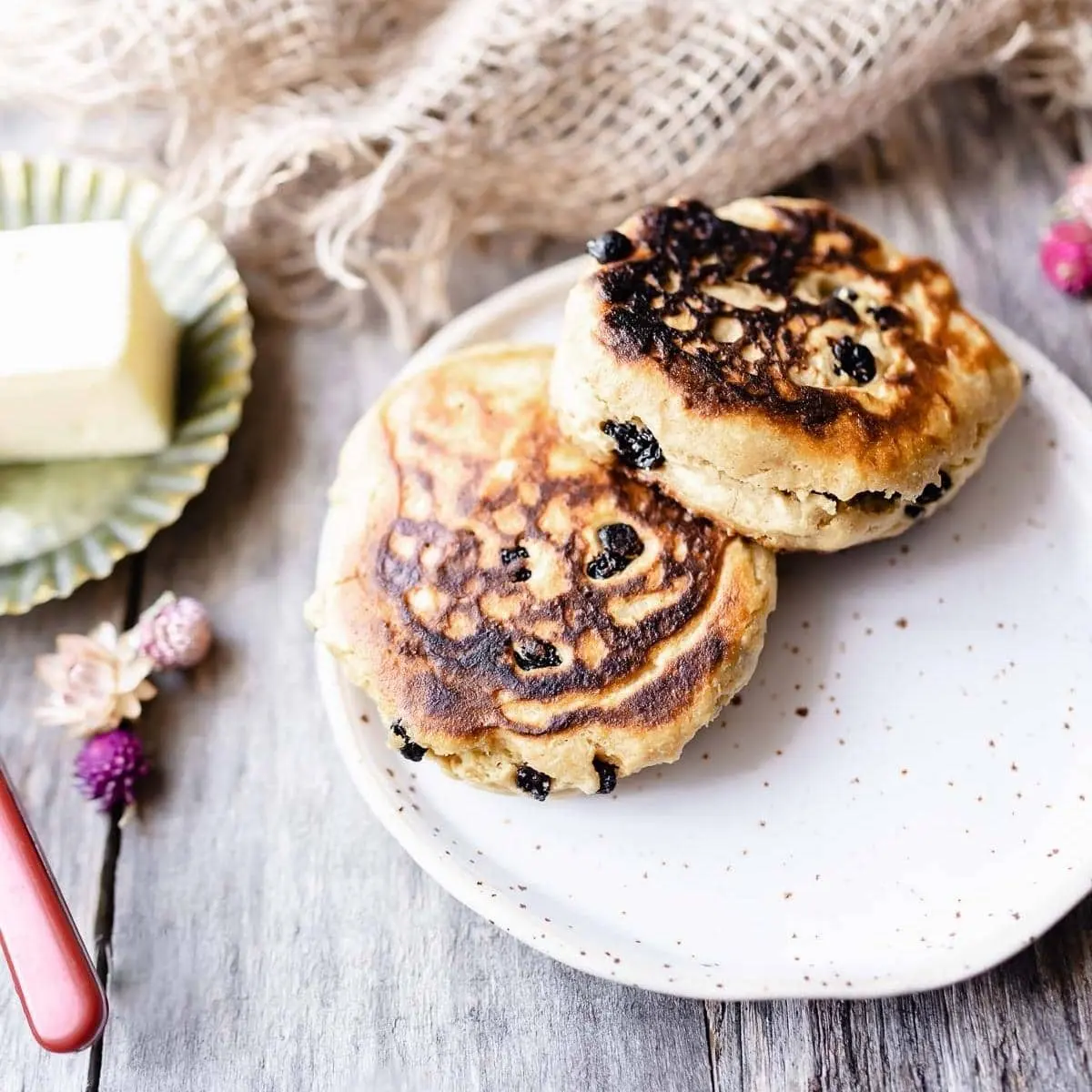
Why dense or tough bannock happens
The most common reason for dense bannock is over-mixing the dough. When flour and liquid are combined, gluten proteins begin to link together; excessive kneading or stirring makes these bonds too strong, resulting in a rubbery final product. Always use a light hand when mixing, stopping as soon as the flour is moistened. Additionally, using too much liquid can lead to a sticky, dense mass that fails to rise properly during the cooking phase.
Another frequent issue is the temperature of the leavening agent or the cooking environment. If your baking powder is old, it will not produce the carbon dioxide bubbles necessary to lift the dough. Similarly, if the cooking surface is not hot enough when the dough is added, the bread will absorb too much fat or dry out before it has a chance to expand. Always test your baking powder by adding a pinch to hot water; if it bubbles vigorously, it is still active.
Common mistakes when making bannock
- Using cold water instead of room temperature or slightly warm liquid, which can inhibit the activation of the baking powder.
- Cutting the dough too thick, which prevents the center from cooking before the outside burns.
- Adding too many heavy mix-ins, such as dried fruit or nuts, which can weigh down the dough and prevent it from rising.
- Failing to let the dough rest for a few minutes after mixing, which allows the flour to fully hydrate.
- Overcrowding the pan, which lowers the cooking temperature and creates steam rather than a crisp crust.
Avoiding these pitfalls ensures a successful outcome every time you prepare this historic bread. Remember that bannock is a flexible recipe designed for utility and sustenance. Feel free to experiment with different types of flour, such as whole wheat or cornmeal, to adjust the flavor and nutritional profile of your bread. With practice, you will develop an intuitive sense for the correct dough consistency and the ideal heat level for your specific cooking setup, allowing you to master this timeless, versatile staple of the wilderness.
Key facts
- Bannock is a traditional flatbread staple that originated in Scotland and was later adopted by Indigenous peoples across North America.
- The basic recipe requires only four ingredients: flour, baking powder, salt, and water or milk.
- Modern variations often include fats like lard, butter, or vegetable oil to improve the texture and richness of the dough.
- The bread can be cooked in various ways, including frying in a pan, baking in an oven, or roasting over an open fire on a stick.
- A common mistake is overworking the dough, which develops too much gluten and results in a tough, chewy texture rather than a light crumb.
- Adding too much liquid makes the dough sticky and difficult to handle; it should be just moist enough to hold together.
The bottom line
Making bannock is a straightforward process that rewards patience and a light touch. By mixing your dry ingredients, incorporating just enough liquid to form a soft dough, and cooking it gently, you can create a versatile bread suitable for any meal. Avoid over-kneading to ensure a tender result, and feel free to experiment with different fats or additions to customize this historic, reliable culinary staple.
People also ask
Can I use whole wheat flour instead of all-purpose flour?
Yes, you can substitute whole wheat flour, but it will result in a denser and heartier loaf. You may need to add slightly more liquid, as whole wheat flour absorbs more moisture than white flour.
How do I know when the bannock is fully cooked?
The bread is done when it is golden brown on the outside and sounds hollow when you tap the bottom. You can also insert a toothpick into the center; if it comes out clean, the bread is ready.
Is it necessary to let the dough rest before cooking?
Letting the dough rest for about 10 to 15 minutes allows the flour to fully hydrate and the baking powder to activate. This simple step leads to a better rise and a more tender final product.
Can I add dried fruit or nuts to the dough?
Absolutely, inclusions like raisins, dried cranberries, or sunflower seeds are popular additions. Mix these dry ingredients into the flour before adding the liquid to ensure they are evenly distributed.
What is the best way to store leftover bannock?
Store your bread in an airtight container at room temperature for up to two days. If you need to keep it longer, wrap it tightly and freeze it to prevent it from drying out.
Why did my bannock turn out gummy inside?
This usually happens if the heat source is too high, causing the exterior to burn before the middle can cook through. Use medium-low heat to ensure the center has enough time to bake properly.
This answer was created with the help of AI research tools and reference sources. Spotted an error? Let us know — we correct mistakes quickly. See our editorial policy.