Why do we have wisdom teeth?
Short answer
Wisdom teeth are vestigial third molars that once served as essential tools for early humans to grind down tough, fibrous plant diets. As human jaws evolved to become smaller due to changes in food preparation and cooking, these teeth became redundant, often lacking the necessary space to erupt properly within the modern dental arch.
On this page
Why do we have wisdom teeth?
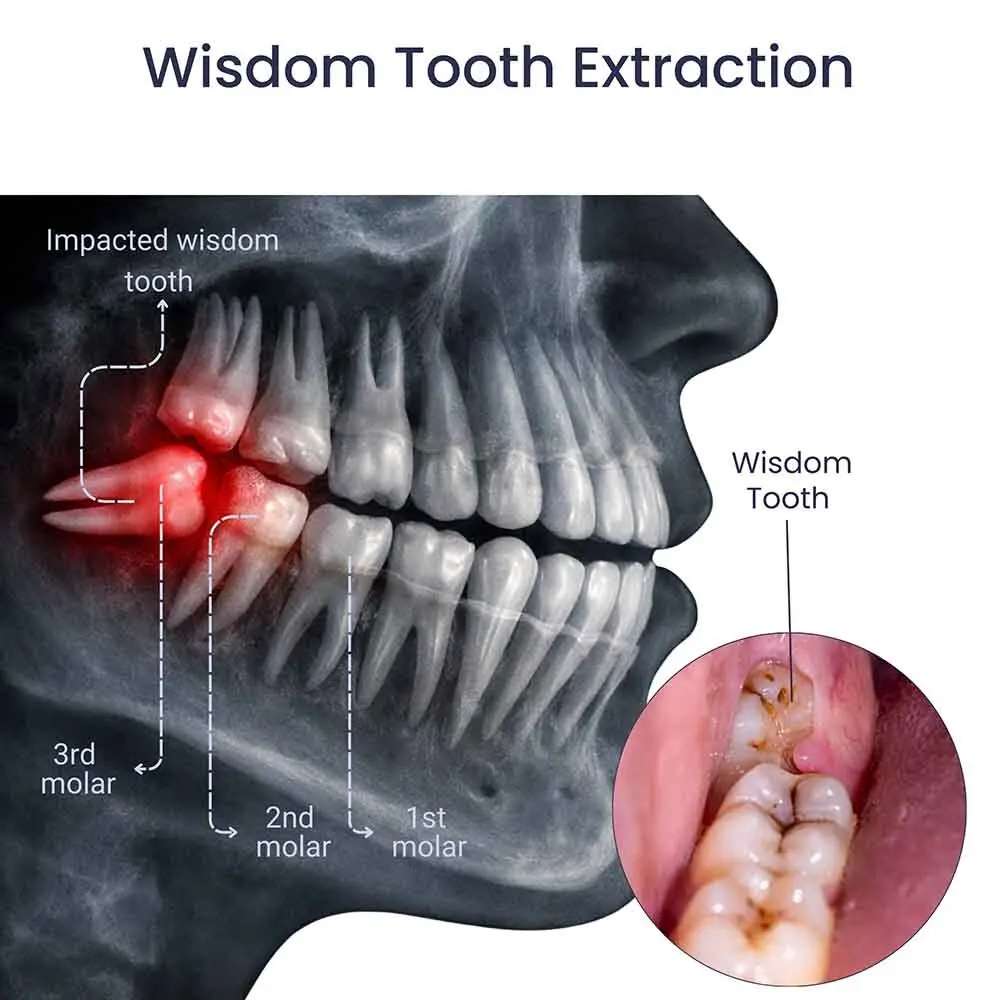
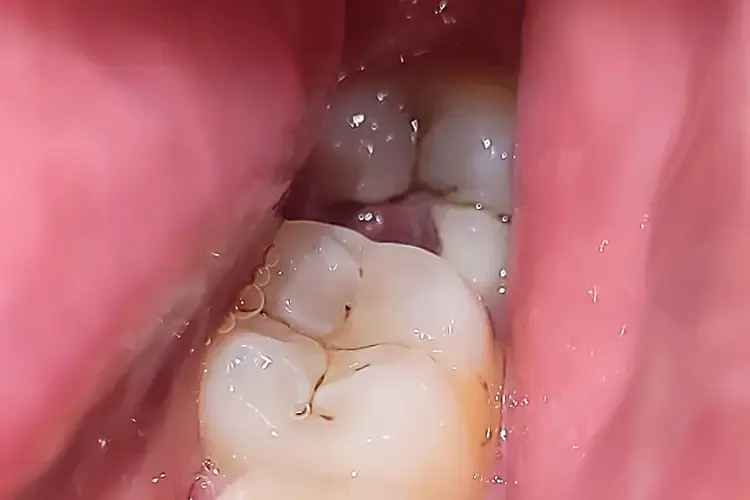
Wisdom teeth, clinically known as third molars, are evolutionary leftovers from our ancestors. Early hominids required these extra teeth to effectively chew raw vegetation, roots, and tough meat, as they lacked the tools to process food. Because their jaws were significantly larger than those of modern humans, there was ample room for these teeth to emerge and function without causing crowding or displacement.
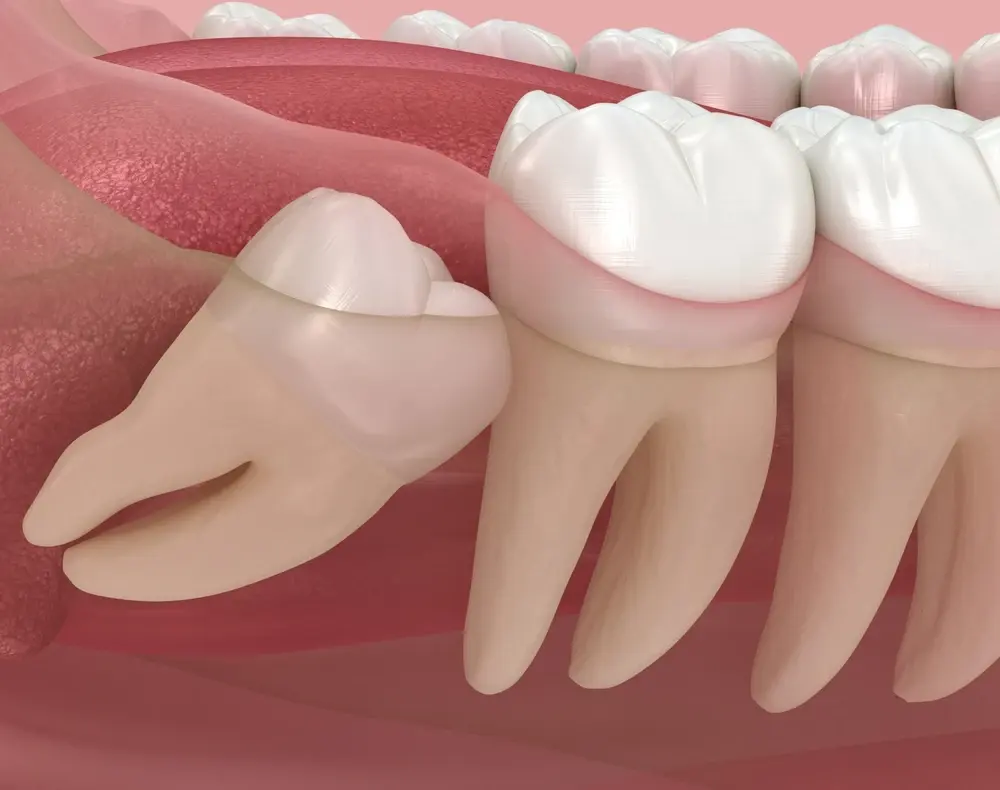
Over millions of years, human diets shifted dramatically toward softer, cooked foods. This dietary evolution, combined with a decrease in jaw size, rendered the third set of molars unnecessary for survival. Today, these teeth serve no functional purpose, yet they continue to develop in most adults. Because the modern human jaw is often too small to accommodate them, they frequently become impacted, meaning they remain trapped beneath the gums or grow at awkward angles.
How do you know if you need them removed?
Not everyone requires the extraction of their wisdom teeth. If the teeth emerge fully, are positioned correctly, and can be kept clean with regular brushing and flossing, they may remain in the mouth indefinitely. However, most dental professionals recommend evaluation during the late teenage years or early twenties to assess their trajectory and potential for future complications.
Common indicators that wisdom teeth are causing problems include:
- Persistent pain or aching in the back of the jaw.
- Swelling, redness, or tenderness in the gum tissue behind the last molar.
- Difficulty opening the mouth or experiencing a bad taste when biting down.
- Evidence of crowding or shifting in the front teeth as the molars push forward.
- Radiographic findings of cysts or damage to adjacent healthy teeth.
What is the recovery process like?
The recovery period following a wisdom tooth extraction typically lasts between three to seven days, depending on the complexity of the procedure. Immediately following surgery, patients are advised to rest and manage swelling with ice packs applied to the outside of the face. Adhering to the surgeon's post-operative instructions is the most effective way to minimize discomfort and prevent complications like dry socket.
To ensure a smooth recovery, follow these steps:
- Keep the gauze pad in place for the first hour to control bleeding.
- Consume only soft, cool foods like yogurt, applesauce, or lukewarm soup for the first 48 hours.
- Avoid using straws, as the suction can dislodge the blood clot necessary for healing.
- Gently rinse with warm salt water starting 24 hours after the procedure to keep the area clean.
- Take prescribed pain medication exactly as directed before the anesthesia wears off completely.
Common mistakes when recovering from surgery
Many patients inadvertently delay their healing process by failing to follow basic hygiene and behavioral guidelines. One of the most frequent errors is the premature return to strenuous physical activity. Raising your heart rate too soon can cause increased bleeding at the extraction site and prolong the inflammatory response, turning a routine recovery into a painful ordeal.
Another major mistake involves oral hygiene negligence. While it is important to be gentle, avoiding the area entirely allows bacteria to accumulate, which significantly increases the risk of infection. Furthermore, many people mistakenly believe that smoking or using tobacco products is acceptable shortly after surgery. Tobacco use is strictly contraindicated because the chemical components and the act of inhaling interfere with blood clotting and significantly delay tissue regeneration. Always prioritize hydration and rest over social or professional obligations during the initial healing phase.
When to see a dentist for wisdom teeth
Regular dental checkups are the best defense against unforeseen complications related to third molars. Because wisdom teeth can remain asymptomatic for years while silently damaging neighboring teeth or creating deep pockets that trap bacteria, professional imaging is essential. Dentists use panoramic X-rays to monitor the development and orientation of these teeth, allowing for proactive rather than reactive treatment plans.
If you suspect your wisdom teeth are causing issues, you should schedule a consultation immediately. Ignoring symptoms like jaw stiffness or localized gum pain can lead to more severe issues, such as abscesses or permanent damage to the roots of your second molars. Early intervention is generally less invasive and results in a faster recovery time than waiting until an acute infection or severe impaction occurs. By keeping up with routine examinations, you ensure that your oral health remains stable and that any necessary surgical interventions are performed under optimal conditions.
Key facts
- Wisdom teeth are the third molars, typically erupting between the ages of 17 and 25.
- They are considered vestigial structures, meaning they served a purpose for our ancestors but are no longer necessary for modern humans.
- Early humans required these extra teeth to grind down coarse, fibrous diets of roots, nuts, and raw meat.
- Modern evolutionary changes, including smaller jaw sizes due to processed diets, often leave insufficient space for these teeth to emerge properly.
- Impacted wisdom teeth occur when the teeth are trapped beneath the gums or bone, potentially causing infection, cysts, or damage to adjacent teeth.
- Dentists recommend monitoring wisdom teeth via X-rays during late adolescence to determine if extraction is necessary before complications arise.
The bottom line
Wisdom teeth are evolutionary remnants that often lack the necessary space in the modern human jaw to erupt properly. While they served our ancestors well, they frequently cause crowding, pain, and infection today. Regular dental checkups during your late teens are essential to determine if extraction is needed. Proactive management prevents long-term oral health issues and ensures that your overall dental alignment remains healthy and intact.
People also ask
Do all people have wisdom teeth?
No, not everyone develops wisdom teeth. Some individuals are born with fewer than four, and a small percentage of the population is born with none at all.
What are the common symptoms of impacted wisdom teeth?
Symptoms include pain in the back of the mouth, swollen or bleeding gums, jaw stiffness, and a persistent bad taste. If you experience these, consult a dentist immediately to prevent infection.
Is it always necessary to have wisdom teeth removed?
Not necessarily, provided the teeth emerge fully, are positioned correctly, and can be kept clean with regular brushing and flossing. If they do not cause pain or crowding, some professionals choose to monitor them rather than extract them.
What is the recovery process like after an extraction?
Recovery typically takes several days, involving rest, ice packs for swelling, and a soft-food diet. It is crucial to avoid using straws, as the suction can dislodge the blood clot and cause a painful condition called dry socket.
At what age should I have my wisdom teeth checked
Most dental professionals suggest an initial evaluation between the ages of 16 and 19. At this stage, the roots are not fully formed, which often makes the extraction procedure easier and recovery faster.
What happens if I choose to ignore wisdom teeth that are causing problems?
Ignoring problematic wisdom teeth can lead to severe gum disease, decay in neighboring teeth, and the formation of fluid-filled cysts in the jawbone. These complications often require more complex and expensive surgical interventions later in life.
This answer was created with the help of AI research tools and reference sources. Spotted an error? Let us know — we correct mistakes quickly. See our editorial policy.