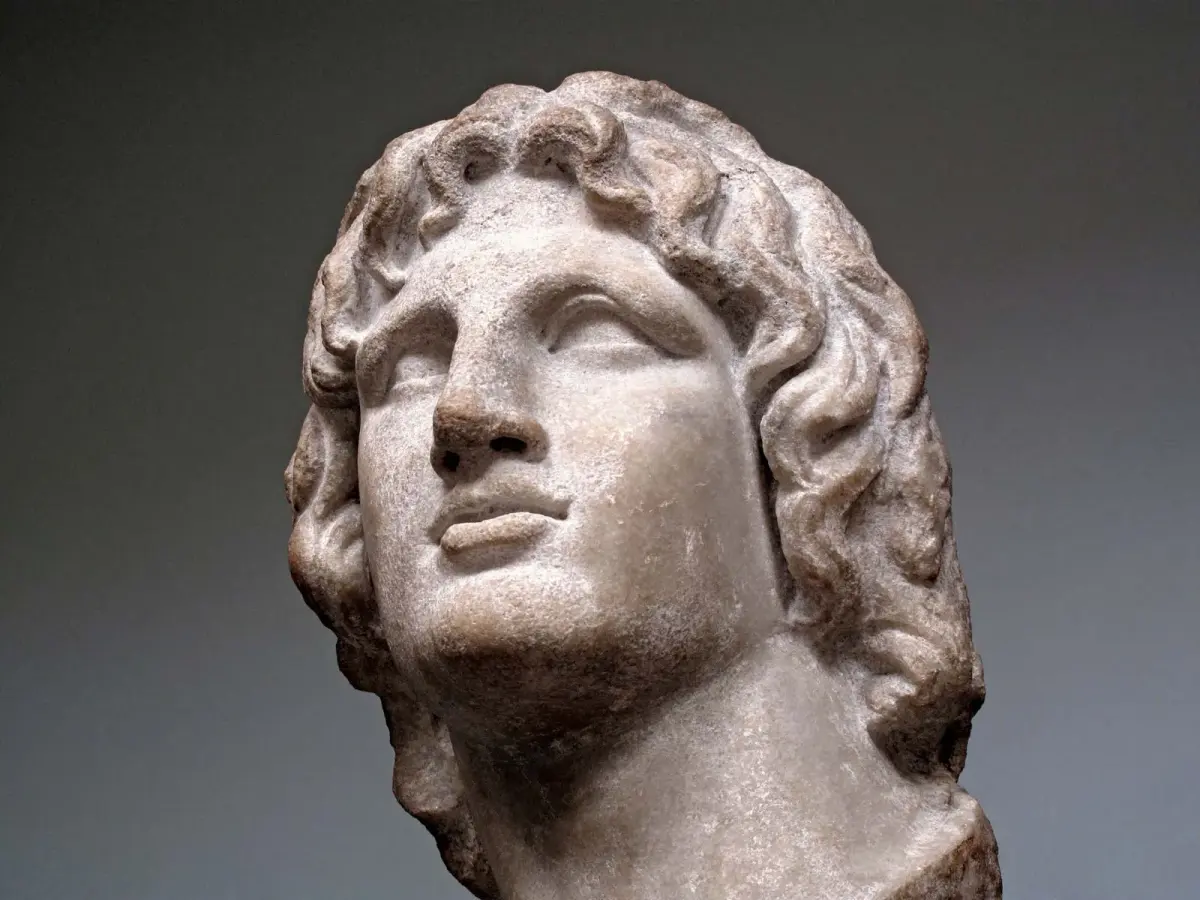
What was the Greek Golden Age?
Short answer
The Greek Golden Age, primarily centered in 5th-century BCE Athens, was a peak period of political, artistic, and intellectual achievement. Following the Persian Wars, Athens dominated the Greek world, fostering advancements in democracy, philosophy, drama, and architecture that laid the foundational principles for much of Western civilization’s subsequent cultural and political development.

On this page
When was the Greek Golden Age?
The Greek Golden Age, often called the Age of Pericles, spanned roughly from 480 BCE to 404 BCE. This era began after the Greek victory over the Persian Empire at the Battle of Salamis and concluded with the Athenian defeat by Sparta in the Peloponnesian War. While the period was relatively brief, its influence on global history remains unparalleled.
Historians identify this era by the rise of Athens as the intellectual and cultural hub of the Mediterranean. Under the leadership of the statesman Pericles, the city-state utilized the wealth of the Delian League to fund massive public works and support the arts. This concentration of resources and talent created a unique environment where innovation flourished across multiple disciplines simultaneously.
What were the major achievements of the Greek Golden Age?
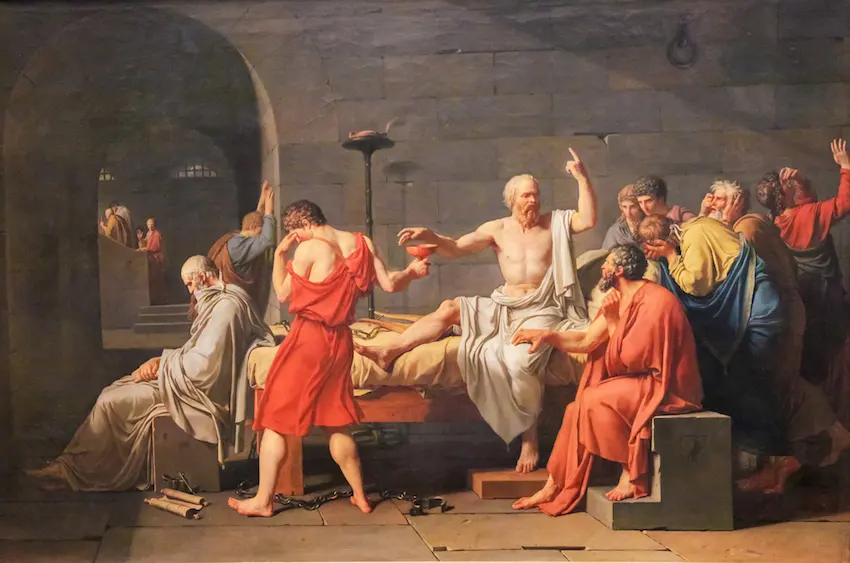
The era is defined by profound breakthroughs in human thought and creative expression. Athenian democracy reached its most radical form, allowing male citizens to participate directly in legislative processes. Simultaneously, philosophers like Socrates began questioning traditional beliefs, shifting focus toward ethics and logic, while playwrights like Sophocles and Euripides revolutionized theater.
Key contributions from this period include:
- The construction of the Parthenon, a masterpiece of Doric architecture.
- The development of the Socratic Method for critical inquiry.
- The perfection of tragedy and comedy as distinct theatrical genres.
- The advancement of historical writing through figures like Thucydides.
- The refinement of sculptural techniques, emphasizing human anatomy and movement.
These achievements were not isolated events but part of a broader cultural shift that prioritized human reason over mythological explanations. By documenting these developments, the Greeks established the standards for Western literature, political science, and aesthetic theory that persisted for centuries.
How did the Athenian democracy function?
Athenian democracy was a direct system, meaning citizens voted on legislation rather than electing representatives. Every adult male citizen had the right to attend the Assembly, known as the Ekklesia, to debate and vote on state policy. This system required high levels of civic participation and a deep commitment to the public good, known as arete.
To ensure the system remained functional and representative, the Athenians utilized several administrative mechanisms:
- The Council of 500, or Boule, which set the agenda for the Assembly.
- Sortition, or the selection of officials by lottery, to prevent corruption.
- Ostracism, a process to exile individuals deemed a threat to the democracy.
- Paid public service, which allowed poorer citizens to hold office.
Despite these innovations, the system was exclusive. Women, enslaved people, and foreign residents were denied political rights, highlighting a significant contradiction between the ideals of equality among citizens and the reality of a stratified society.
Why did the Greek Golden Age decline?
The decline of this era was primarily driven by the Peloponnesian War, a protracted conflict between Athens and Sparta. The war exhausted the financial and human resources of both city-states, leading to political instability and social fragmentation. By the time the war ended in 404 BCE, the Athenian empire had collapsed, and the city’s influence was significantly diminished.
Beyond military defeat, internal tensions also played a role in the decline. The rise of demagogues who manipulated the Assembly, coupled with the plague that devastated Athens early in the war, weakened the city's social cohesion. The intellectual confidence that characterized the early part of the century gave way to skepticism and disillusionment, marking the end of the city-state’s dominance.
Common mistakes when studying the Greek Golden Age
A frequent error is assuming that the Golden Age applied to all of Greece equally. While Athens was the epicenter, other city-states like Sparta, Thebes, and Corinth maintained vastly different social and political structures. Sparta, for instance, remained a militaristic oligarchy, prioritizing physical discipline and state loyalty over the democratic and artistic pursuits that defined the Athenian experience.
When researching this period, avoid these common pitfalls:
- Viewing the era as a peaceful time; it was marked by near-constant warfare.
- Ignoring the role of enslaved labor, which supported the leisure time required for intellectual pursuits.
- Assuming that the "Golden Age" ended abruptly; its cultural influence persisted long into the Hellenistic period.
- Overlooking the contributions of women, who, while excluded from politics, played essential roles in religious and domestic life.
By recognizing these nuances, one gains a more accurate understanding of the period. It was a time of intense contradictions, where the highest ideals of human freedom coexisted with deep social inequalities and brutal imperial ambitions. Understanding these complexities provides a clearer picture of how this historic era shaped the modern world.
Key facts
- The Greek Golden Age, also known as the Age of Pericles, spanned roughly from 480 BCE to 404 BCE.
- Athens served as the epicenter of this period, following the Greek victory over the Persian Empire.
- Democracy flourished in Athens, allowing male citizens to participate directly in government and lawmaking.
- Iconic structures like the Parthenon were constructed on the Acropolis during this era to honor the goddess Athena.
- Philosophers such as Socrates, Plato, and Aristotle laid the foundations for Western logic, ethics, and political science.
- To understand this era, focus on the tension between Athenian democratic ideals and the reality of their reliance on enslaved labor.
The bottom line
The Greek Golden Age represents a transformative period where human inquiry, democratic governance, and artistic expression reached new heights. By fostering an environment where philosophy and architecture could thrive, the Greeks established intellectual frameworks that continue to shape modern society. Understanding this era requires balancing admiration for these profound cultural contributions with a critical awareness of the social limitations and conflicts that defined the ancient world.
People also ask
Why is it called a "Golden Age"?
It is termed a Golden Age because of the unprecedented explosion of achievements in art, architecture, literature, and philosophy. This era set cultural standards that influenced Western civilization for millennia.
What role did Pericles play in this era?
Pericles was a prominent Athenian statesman who championed democratic reforms and oversaw the massive building projects in Athens. His leadership defined the political character of the city-state during its peak.
How did the Golden Age end?
The period effectively ended with the conclusion of the Peloponnesian War in 404 BCE. Athens was defeated by Sparta, leading to a decline in Athenian power and political stability.
Was the Greek Golden Age limited to Athens?
While Athens was the primary driver of these advancements, the influence of the era spread throughout the Greek world. However, many other city-states remained culturally or politically distinct from the Athenian model.
What was the significance of Greek theater during this time?
Theater became a central civic activity, with playwrights like Sophocles and Euripides exploring human nature and morality. These performances were often held during religious festivals to educate and entertain the public.
Did women have political rights in the Golden Age?
No, women in Athens were largely excluded from political life and had limited legal rights. They were expected to manage households, while public life remained the domain of men.
This answer was created with the help of AI research tools and reference sources. Spotted an error? Let us know — we correct mistakes quickly. See our editorial policy.