What are the benefits of gardening?
Short answer
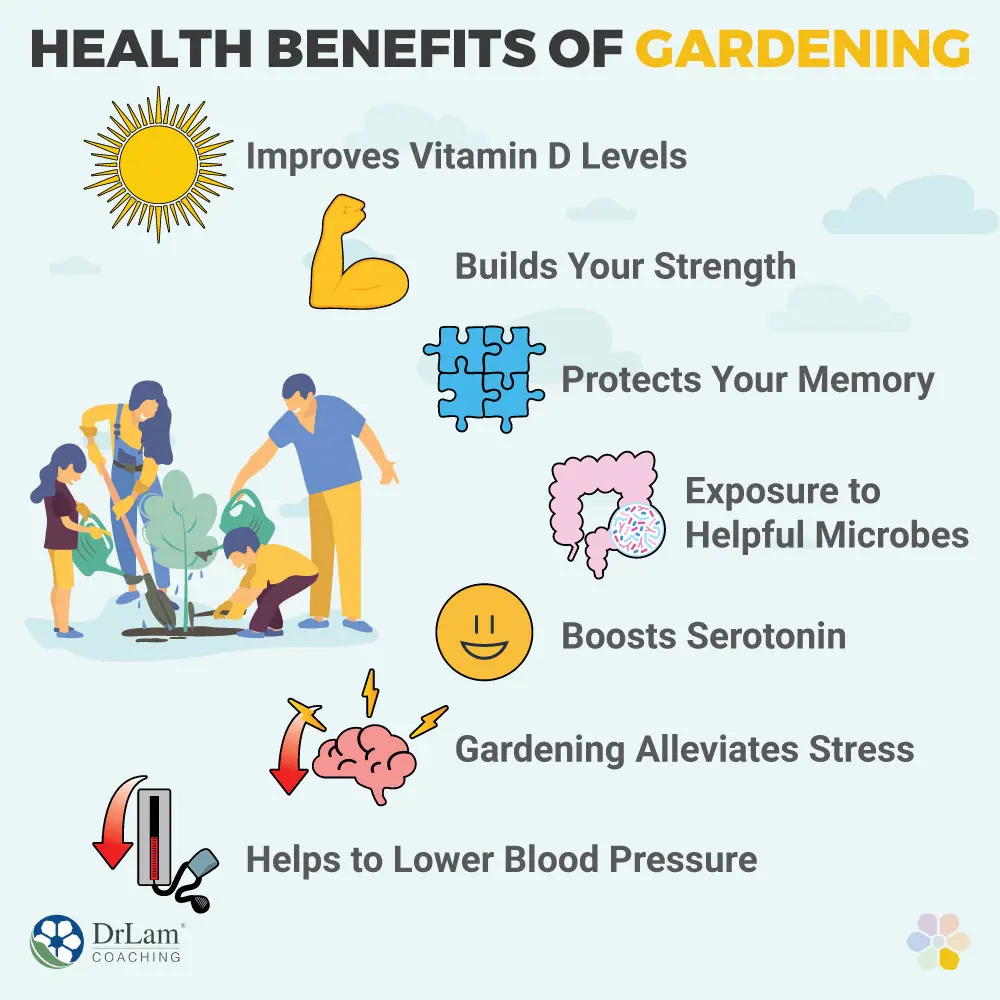
Gardening provides significant physical and mental health benefits, including improved cardiovascular fitness, stress reduction, and increased dietary intake of fresh produce. Engaging with soil and plants fosters a deeper connection to nature, enhances cognitive function, and promotes longevity through regular, low-impact exercise that strengthens muscles and improves overall joint flexibility.
On this page
How does gardening improve physical health?
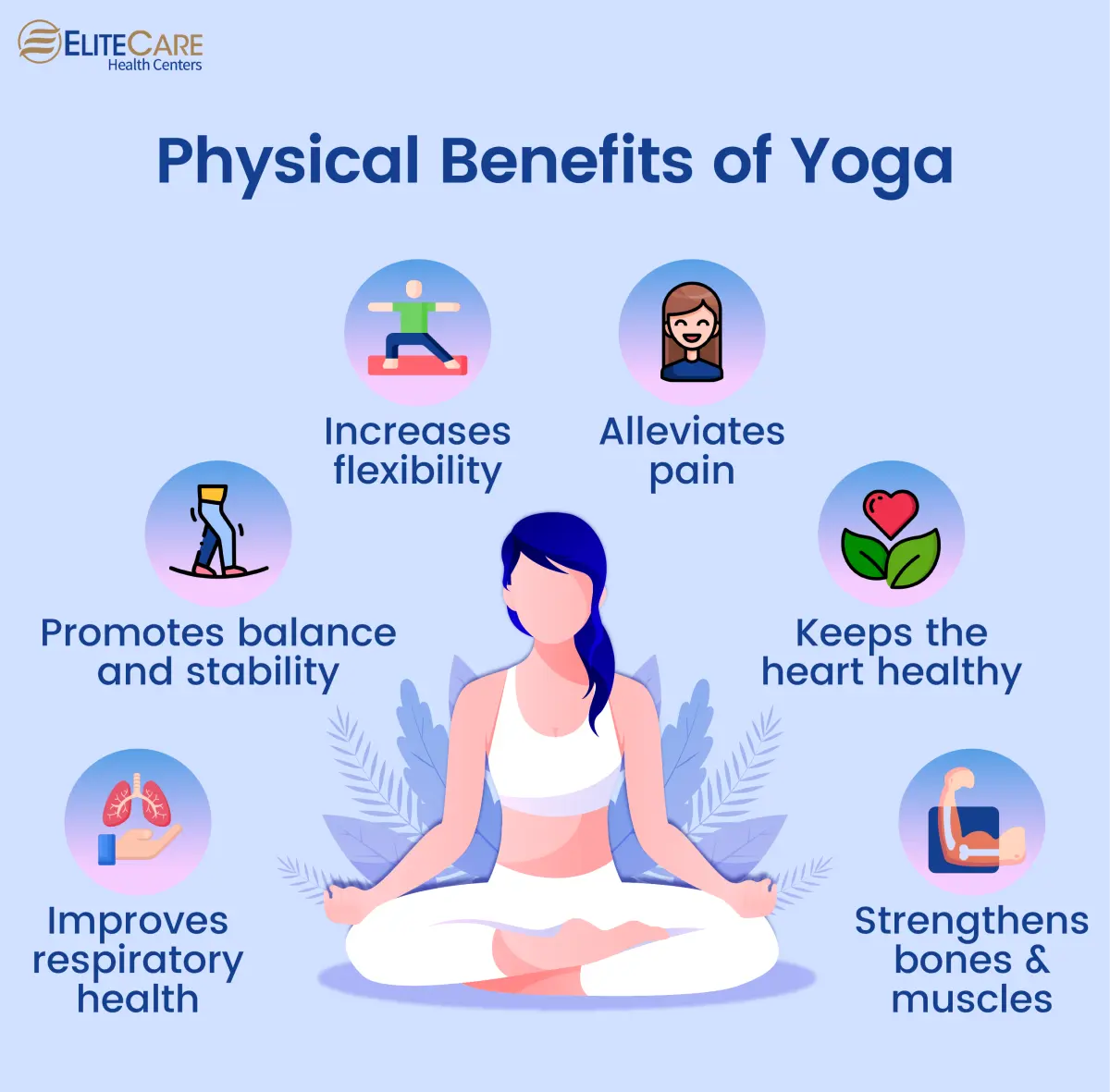
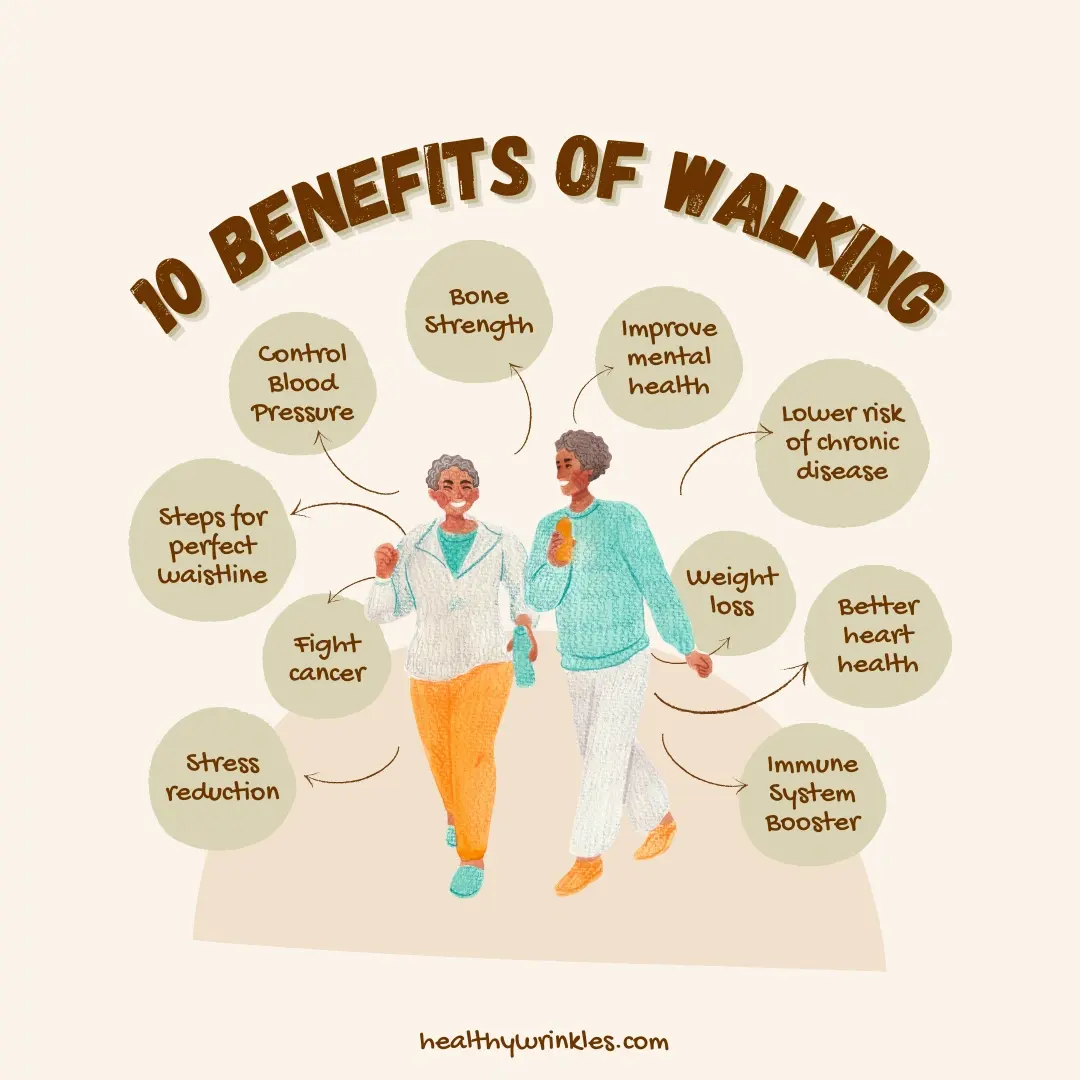
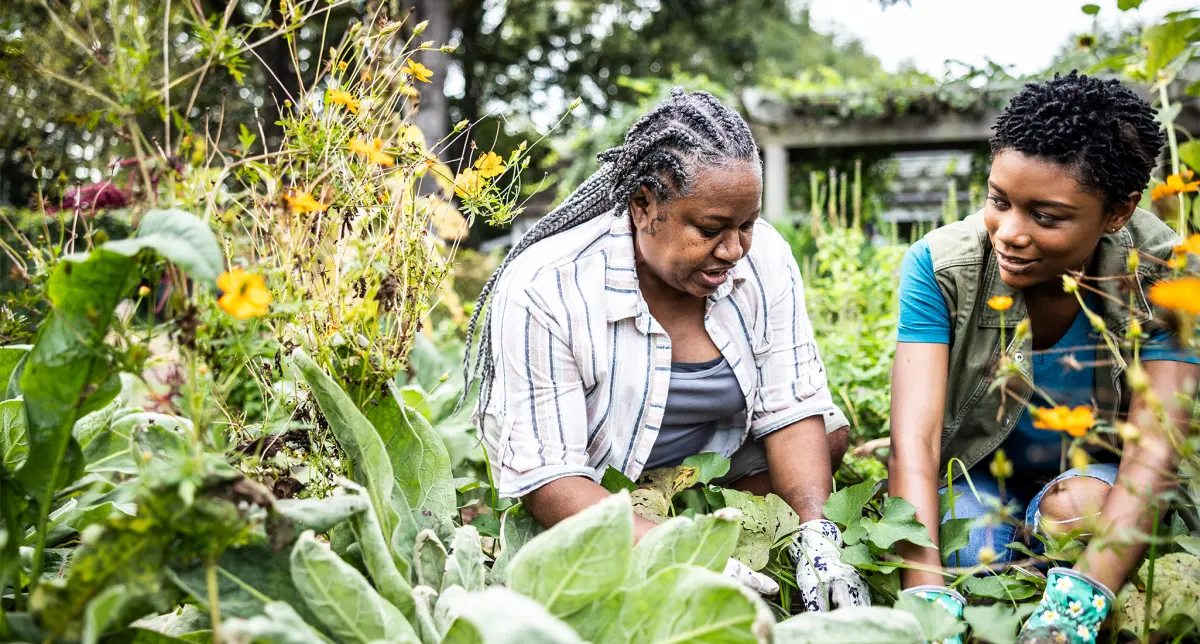
Gardening is a functional form of exercise that engages multiple muscle groups, including the arms, legs, back, and core. Activities such as digging, weeding, and planting act as moderate-intensity aerobic exercise, which helps maintain a healthy weight and improves cardiovascular health. According to the Centers for Disease Control and Prevention, gardening for 30 to 45 minutes can burn between 150 and 300 calories, depending on the intensity of the tasks performed.
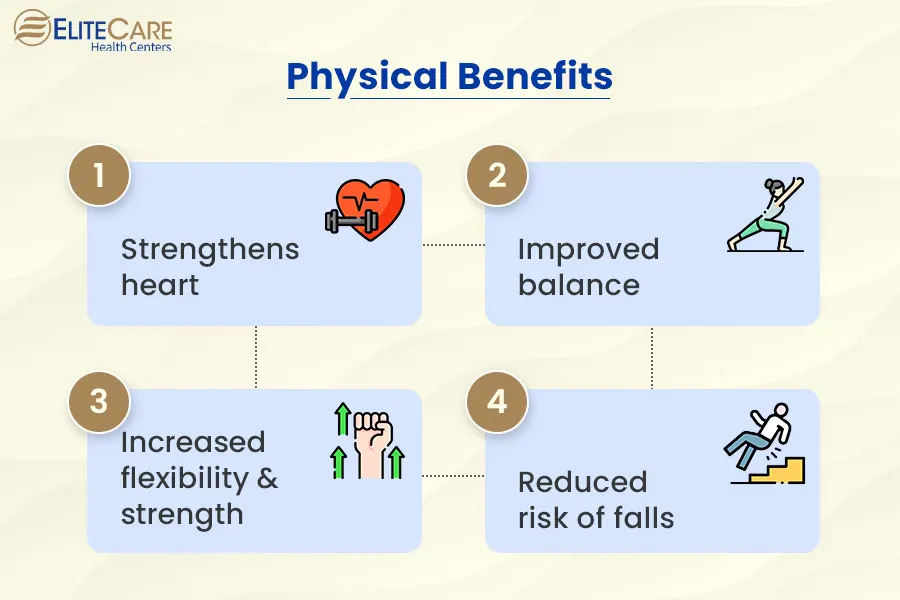
Beyond calorie burning, regular gardening contributes to increased bone density and improved grip strength, particularly in older adults. The repetitive nature of these tasks encourages flexibility and balance, which are critical for injury prevention. To maximize these physical benefits, consider the following routine:
- Warm up with light stretching before starting to prevent muscle strain.
- Rotate tasks every 20 minutes to avoid repetitive stress on specific joints.
- Use ergonomic tools with long handles to reduce the need for excessive bending or kneeling.
Why is gardening good for mental health?
The practice of gardening is widely recognized for its ability to lower cortisol levels, the body’s primary stress hormone. Spending time in a green environment triggers a psychological response known as biophilia, which promotes feelings of tranquility and focus. Research conducted by various health institutions indicates that even short periods of interaction with soil and plants can alleviate symptoms of anxiety and depression while boosting mood.
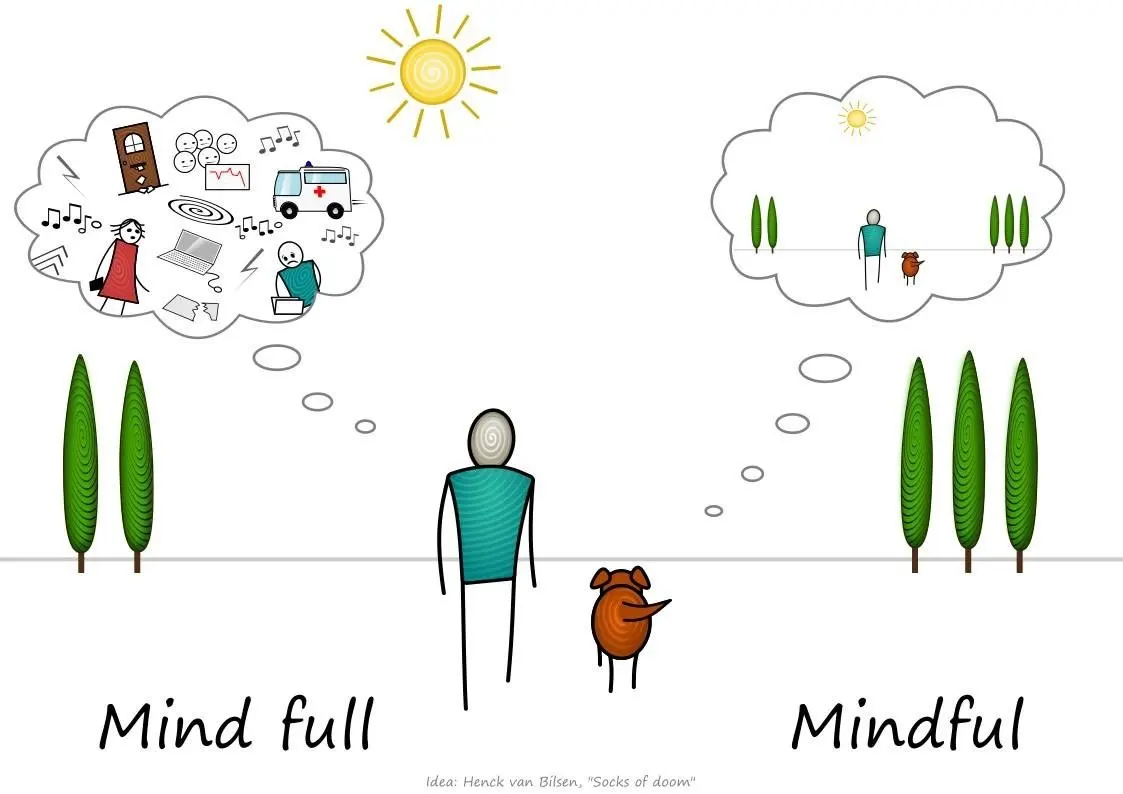
The sensory experience of gardening—the smell of soil, the texture of leaves, and the visual reward of blooming flowers—acts as a form of mindfulness. This engagement helps pull the mind away from daily stressors and anchors it in the present moment. Many practitioners report a sense of accomplishment when nurturing a plant from seed to harvest, which builds self-esteem and provides a sense of purpose. This therapeutic effect is often referred to as horticultural therapy and is increasingly used in clinical settings to support mental well-being.
How to start a garden for beginners?
Starting a garden does not require a large plot of land; even a small collection of containers on a balcony can yield significant results. The most effective approach for beginners is to start small, focusing on one or two types of plants that are known for being resilient. Herbs like basil, mint, and chives, or vegetables such as cherry tomatoes and lettuce, are excellent choices because they grow quickly and provide immediate feedback.
To ensure your first garden is successful, follow these foundational steps:
- Assess your sunlight: Most vegetables require at least six to eight hours of direct sunlight daily.
- Prepare the soil: Use high-quality potting mix for containers or enrich garden soil with organic compost to provide essential nutrients.
- Establish a watering schedule: Check the moisture level of the soil daily, ensuring it remains damp but not waterlogged.
- Choose the right season: Consult local planting calendars to understand the frost dates in your specific climate zone.
Common mistakes when gardening
One of the most frequent errors for new gardeners is over-watering, which can lead to root rot and fungal diseases. Many beginners assume that more water is always better, but plants often suffer when their roots are deprived of oxygen in saturated soil. Another common pitfall is planting too densely; while it is tempting to fill a bed quickly, plants need adequate airflow to prevent the spread of pests and diseases.
Neglecting soil health is another mistake that limits plant growth. Soil is a living ecosystem, and without proper organic matter, plants struggle to access the nutrients they need to thrive. Avoid using harsh synthetic chemicals immediately, as these can disrupt the natural balance of beneficial insects and microorganisms. Instead, focus on building healthy soil through composting and mulching. By observing your plants daily, you can catch issues like yellowing leaves or pest infestations early, preventing them from becoming unmanageable problems that ruin the harvest.
What are the nutritional benefits of gardening?
Growing your own food provides direct access to produce at its peak ripeness, which is when nutrient density is at its highest. Store-bought produce is often harvested before it is fully mature to survive long-distance transportation, which can result in a loss of vitamins and minerals. By harvesting vegetables like peppers, tomatoes, and leafy greens just minutes before consumption, you ensure that you are receiving the maximum possible nutritional value from your food.
Furthermore, gardening encourages a diet rich in fruits and vegetables, which is linked to lower risks of chronic illnesses such as heart disease and type 2 diabetes. When you invest time in growing your own food, you are more likely to incorporate those vegetables into your daily meals. This direct connection to the food source also fosters a greater appreciation for seasonal eating and reduces the environmental impact associated with food packaging and long-distance shipping. Gardening ultimately transforms your relationship with food from a passive consumer experience into an active, rewarding, and healthy lifestyle choice.
Key facts
- Gardening can burn between 200 and 400 calories per hour depending on the intensity of tasks like digging or weeding.
- Exposure to Mycobacterium vaccae, a healthy soil bacterium, has been shown in studies to increase serotonin levels and reduce anxiety.
- Growing your own produce can reduce household grocery bills by an estimated $600 per year for a typical family garden.
- Vegetables harvested at peak ripeness contain higher nutrient densities than store-bought varieties that are often picked early for shipping.
- A 2017 meta-analysis found that gardening significantly reduces symptoms of depression and anxiety across various age groups.
- To avoid back strain, always use long-handled tools and keep your knees slightly bent while working at ground level.
The bottom line
Gardening is a multifaceted activity that enhances physical health, mental well-being, and nutritional intake. By engaging in regular outdoor labor, you gain access to fresh, nutrient-dense food while lowering stress levels through connection with nature. Whether you have a large backyard or a few containers on a balcony, starting a garden provides a rewarding, cost-effective way to improve your lifestyle and foster environmental stewardship.
People also ask
What is the easiest vegetable for a beginner to grow?
Radishes are widely considered the easiest vegetable because they grow rapidly, often reaching harvest size in just 25 to 30 days. They require minimal space and can be planted directly into the soil as soon as it thaws in the spring.
How much sunlight do most garden plants need?
Most vegetables and flowering plants require at least six to eight hours of direct sunlight per day to thrive. Before planting, observe your yard throughout the day to identify which areas receive full sun versus partial shade.
How often should I water my garden?
Most gardens require about one inch of water per week, delivered deep into the soil rather than just wetting the surface. It is best to water in the early morning to minimize evaporation and prevent fungal diseases caused by overnight moisture.
What are the most common mistakes beginners make?
The most frequent errors include overwatering, planting too closely together, and failing to test soil quality before starting. Overcrowding plants restricts airflow and sunlight, which significantly increases the risk of pests and diseases.
Do I need expensive equipment to start?
You can start a successful garden with just a hand trowel, a pair of sturdy gloves, and a watering can. Avoid purchasing high-end machinery until you have determined the scale and specific needs of your garden plot.
How can I keep pests away without chemicals?
You can manage pests naturally by encouraging beneficial insects like ladybugs and lacewings that prey on aphids. Additionally, using physical barriers like row covers or companion planting—such as marigolds to deter nematodes—provides effective, non-toxic protection.
This answer was created with the help of AI research tools and reference sources. Spotted an error? Let us know — we correct mistakes quickly. See our editorial policy.