What is evolution?
Short answer
Evolution is the process by which populations of living organisms change over successive generations through genetic variation and natural selection. It explains the diversity of life on Earth, showing how all species share common ancestors. This biological mechanism drives adaptation to changing environments, resulting in the complex life forms observed today.
On this page
How does evolution work?
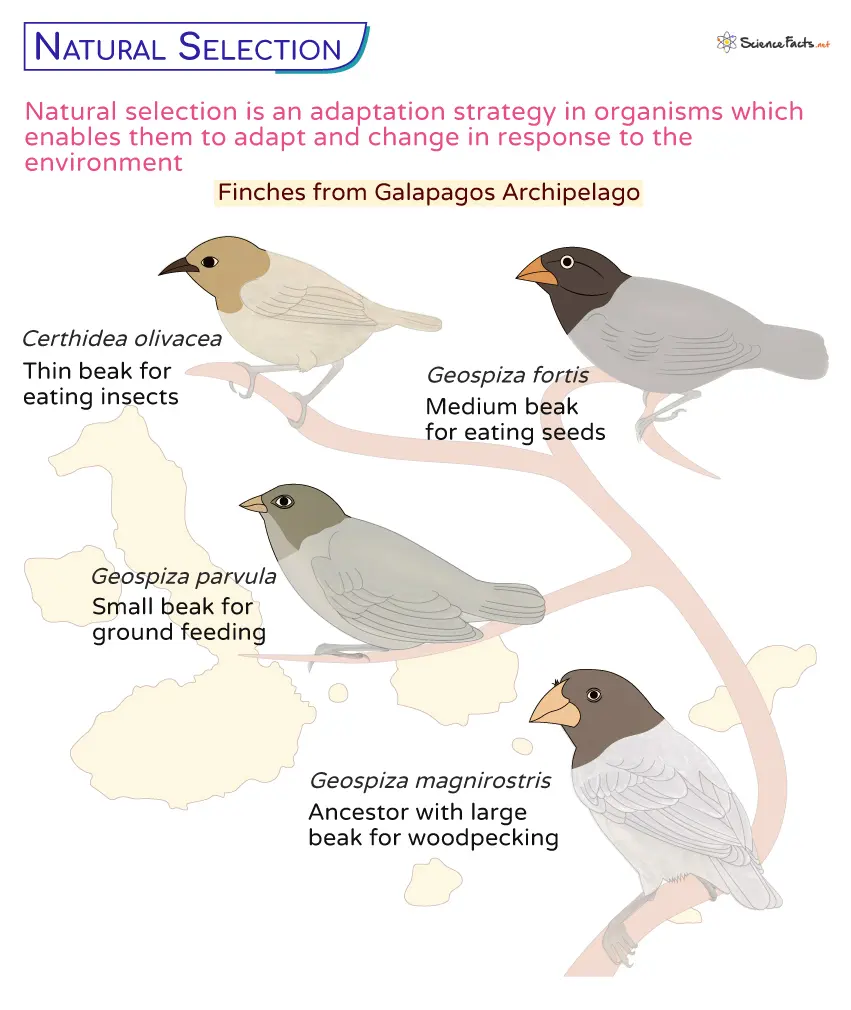
Evolution functions primarily through the mechanism of natural selection, a concept famously articulated by Charles Darwin in his 1859 work, On the Origin of Species. Every individual within a population possesses unique genetic variations caused by random mutations in their DNA. When these variations provide a survival or reproductive advantage, the individuals carrying them are more likely to pass those traits to their offspring.
Over many generations, these advantageous traits become more common within the population, while less favorable traits decrease in frequency. This process is not a conscious choice by the organism but a statistical outcome of environmental pressures. Genetic drift and gene flow also play supporting roles, shifting the proportions of genes within a group due to chance events or the migration of individuals between populations.
How long does it take to evolve?
The speed of evolution varies drastically depending on the generation time of the species and the intensity of environmental pressure. Bacteria can evolve resistance to antibiotics in a matter of days or weeks because they reproduce rapidly, sometimes dividing every twenty minutes. In contrast, large mammals like elephants or humans evolve over thousands or millions of years because their reproductive cycles are much longer.
Evolution is rarely a visible, day-to-day process for humans, which makes it difficult to observe in real-time. However, scientists track these changes through the fossil record and genomic sequencing. The following factors influence how quickly a species changes:
- Generation time: Shorter lifespans allow for more rapid accumulation of genetic changes.
- Population size: Smaller populations are more susceptible to rapid shifts in genetic makeup.
- Environmental stability: Sudden climate shifts or habitat loss force faster adaptation.
Why does evolution happen?
Evolution occurs because environments are constantly changing, and organisms must adapt to survive these shifts. Resources such as food, water, and shelter are finite, leading to competition among individuals. Those best suited to extract resources or avoid predators have a higher probability of reaching reproductive age. This ensures that the genetic information contributing to their success continues into the next generation.
Furthermore, sexual reproduction introduces new combinations of genes, increasing the diversity within a population. This diversity acts as a biological insurance policy; if a disease or climate event occurs, some individuals may possess the specific traits needed to survive. Evolution is essentially the result of life’s persistence in the face of constant ecological challenges. It is the cumulative effect of millions of years of successful survival and reproduction across every lineage on the planet.
Common mistakes when understanding evolution
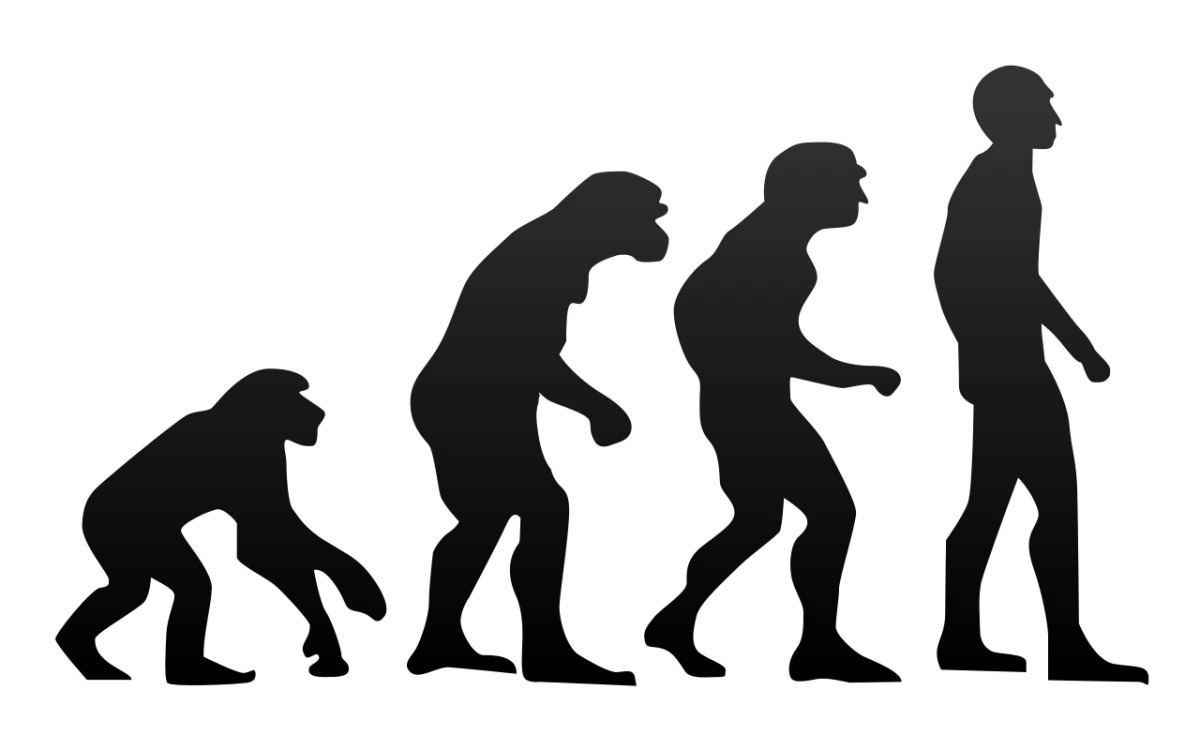
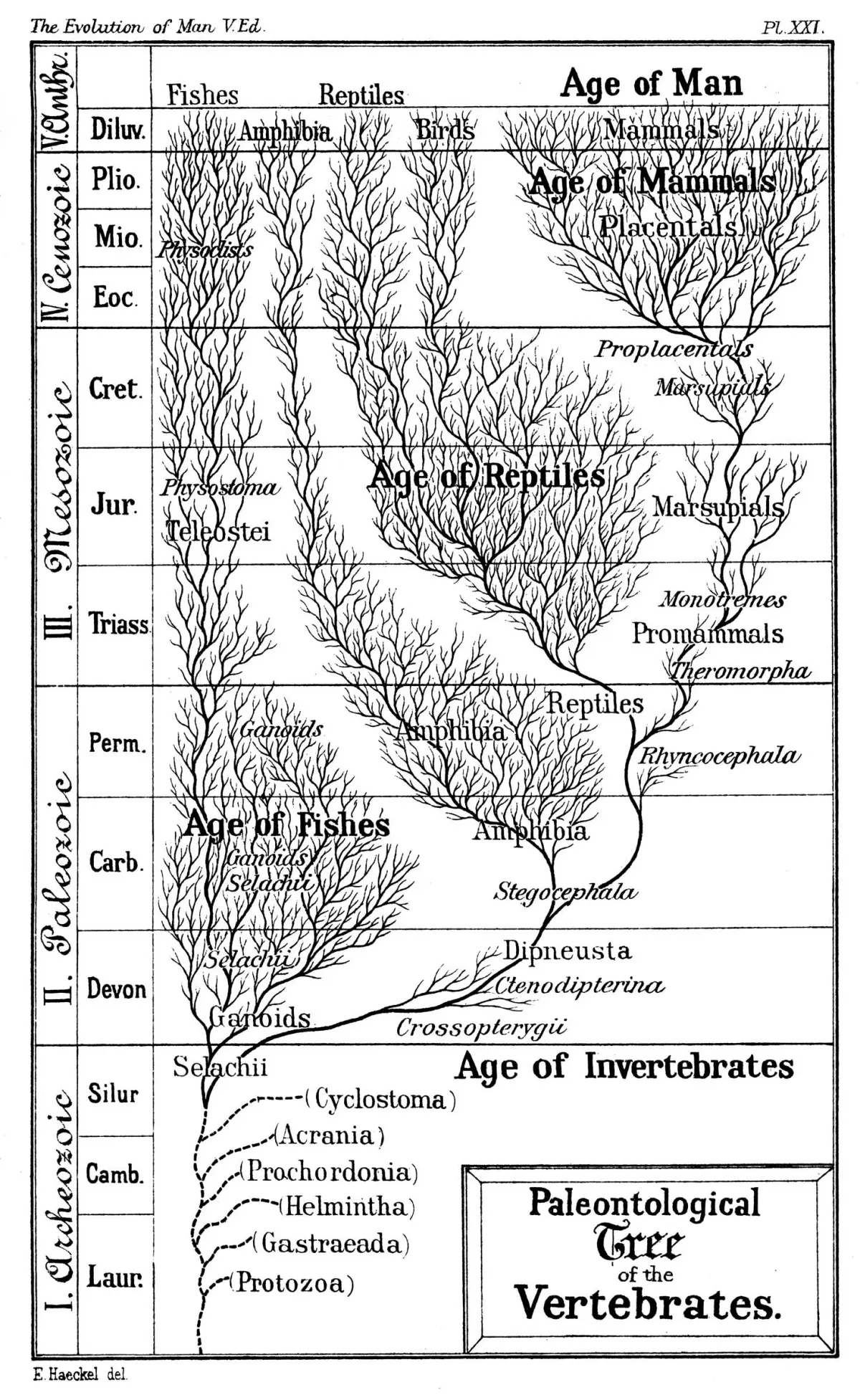
A frequent misunderstanding is the belief that evolution is a linear progression toward a "perfect" or "more advanced" organism. In reality, evolution is a branching process that favors traits suited to a specific environment at a specific time. A trait that is beneficial today might become a liability if the environment changes, meaning there is no ultimate goal or endpoint.
Another common error is the assumption that individuals can evolve during their own lifetimes. Evolution only occurs at the population level over generations. If an individual changes its behavior or physical state, such as building muscle or learning a skill, those changes are not encoded in its germline DNA and cannot be passed to offspring. To avoid these misconceptions, remember these key points:
- Evolution is about populations, not individual organisms.
- Natural selection is not a conscious, purposeful force.
- Evolution does not always result in increased complexity or intelligence.
Best ways to study evolution for beginners
To gain a practical understanding of evolution, start by observing the natural world through the lens of adaptation. Look at local wildlife and consider why certain features, such as the shape of a bird's beak or the color of a moth's wings, might help that creature survive in its specific habitat. This observational approach bridges the gap between abstract theory and physical reality.
Engaging with scientific literature and digital resources can provide deeper context. Focus on these foundational areas:
- Comparative anatomy: Compare the skeletal structures of different mammals to see shared evolutionary origins.
- Fossil records: Research the transition of species, such as the evolution of whales from land-dwelling ancestors.
- Genomic analysis: Explore how DNA similarities between species reveal their relatedness.
By focusing on evidence-based examples rather than theoretical speculation, you can build a robust understanding of how life on Earth continues to change and diversify every single day.
Key facts
- Evolution is the process by which the inherited traits of a population change over successive generations.
- Charles Darwin introduced the theory of natural selection in his 1859 book, On the Origin of Species.
- Mutations in DNA provide the genetic variation that allows populations to adapt to changing environments.
- Natural selection favors individuals with traits that improve their chances of survival and reproduction.
- Evolution does not occur within a single individual's lifetime; it happens to populations over long periods.
- Avoid the common mistake of thinking evolution has a specific "goal" or that it always leads to increased complexity.
The bottom line
Evolution is the fundamental process driving the diversity of life on Earth through genetic variation and natural selection. It is not a random accident, but a structured response to environmental pressures that favor successful reproduction. Understanding this mechanism helps us grasp how organisms adapt, how diseases evolve, and how all living things are interconnected through a vast, shared history spanning billions of years of biological change.
People also ask
Is evolution just a theory?
In science, a theory is a well-substantiated explanation based on evidence, not a mere guess. The theory of evolution is supported by vast amounts of data from genetics, paleontology, and comparative anatomy.
Did humans evolve from monkeys?
Humans did not evolve from modern monkeys or apes. Instead, humans and modern primates share a common ancestor that lived millions of years ago.
How long does it take for a new species to form?
Speciation can take thousands to millions of years depending on the species and environmental pressures. Some organisms, like bacteria, can show observable evolutionary changes in only a few days.
Does evolution explain the origin of life?
Evolution explains how life changes and diversifies once it already exists. The study of how life first began from non-living matter is a separate field known as abiogenesis.
Can an individual choose to evolve?
Individuals cannot choose to evolve or pass on acquired characteristics, such as muscles built through exercise. Only genetic traits present at birth can be passed to the next generation.
Is natural selection the only mechanism of evolution?
While natural selection is the primary driver, other mechanisms include genetic drift, gene flow, and mutation. These processes work together to shape the genetic makeup of populations over time.
This answer was created with the help of AI research tools and reference sources. Spotted an error? Let us know — we correct mistakes quickly. See our editorial policy.