What is Venice known for?
Short answer
Venice is globally renowned for its unique urban geography, consisting of 118 small islands linked by over 400 bridges across a central lagoon. It serves as a living museum of Renaissance architecture, historic maritime power, and artistic mastery, famously navigated by canals rather than roads and celebrated for its annual Carnival.
On this page
Why is Venice built on water?
Venice was founded in the 5th century as a refuge for mainlanders fleeing barbarian invasions. Settlers chose the marshy islands of the Venetian Lagoon for their natural defensive advantages, as the shallow waters were difficult for enemy ships to navigate. To stabilize heavy stone buildings on the soft, waterlogged ground, builders drove millions of wooden piles—mostly larch and oak—deep into the clay beneath the mud.
These wooden foundations have remained remarkably preserved for centuries because they are submerged in an anaerobic environment, meaning there is no oxygen to cause rot. Over time, the wood petrified, turning into a rock-like substance that supports the city’s massive palaces and churches. Today, the city faces the ongoing challenge of acqua alta, or high water, caused by tides and rising sea levels.
- The city spans approximately 160 canals.
- There are over 400 pedestrian bridges connecting the islands.
- The Grand Canal serves as the primary "main street" for water traffic.
What is the best way to get around Venice?
Walking is the most efficient and authentic way to explore Venice, as the city is entirely pedestrianized. Because the historic center is compact, you can cross from one side to the other in about an hour if you do not get lost. For longer distances or to reach outer islands like Murano or Burano, the vaporetto (water bus) is the standard public transport system.
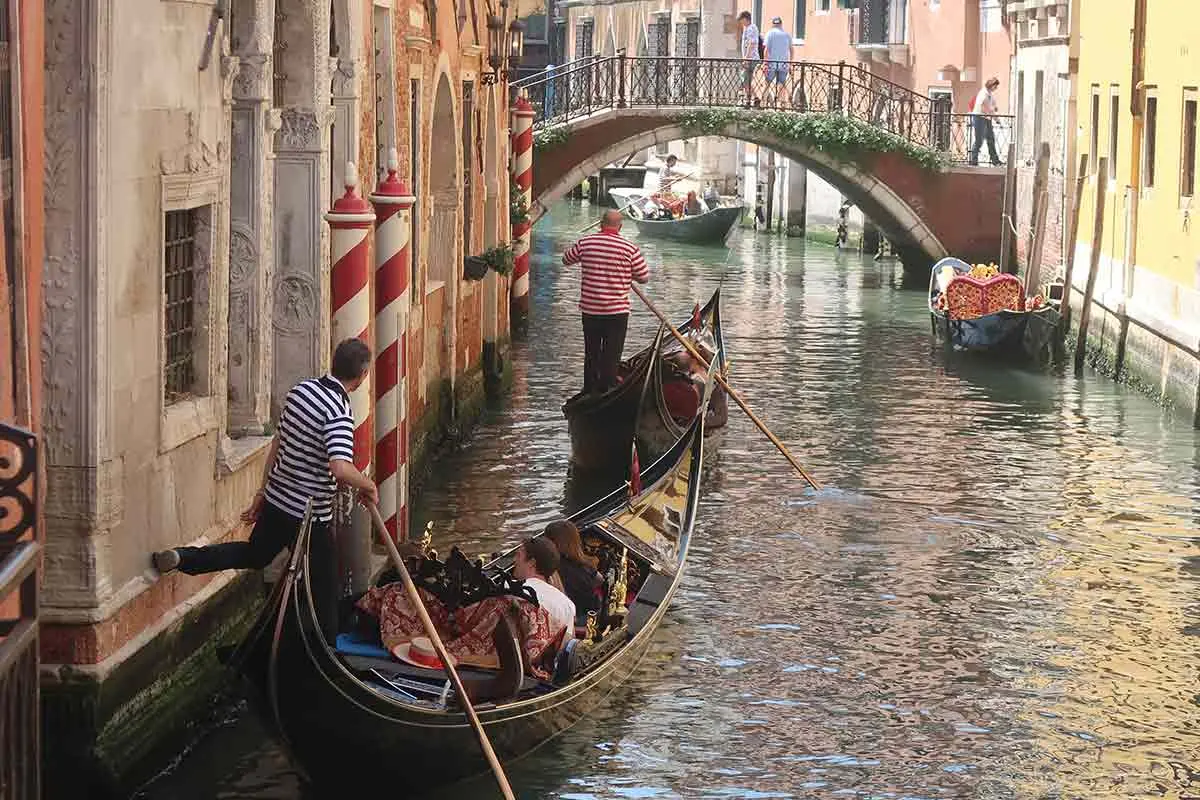
Taxis and private water transport are available but are significantly more expensive than public options. Gondolas are primarily reserved for leisurely sightseeing rather than practical commuting. When navigating, rely on physical landmarks or the yellow signs painted on buildings, as GPS signals often fail within the narrow, high-walled alleys known as calli.
- Purchase a multi-day vaporetto pass to save money on individual fares.
- Use the "Traghetto" service to cross the Grand Canal at points where no bridges exist.
- Wear comfortable, broken-in shoes, as you will likely walk several miles daily.
- Avoid carrying large, wheeled suitcases, as lifting them over the city's many bridges is exhausting.
What are the must-see sights in Venice?
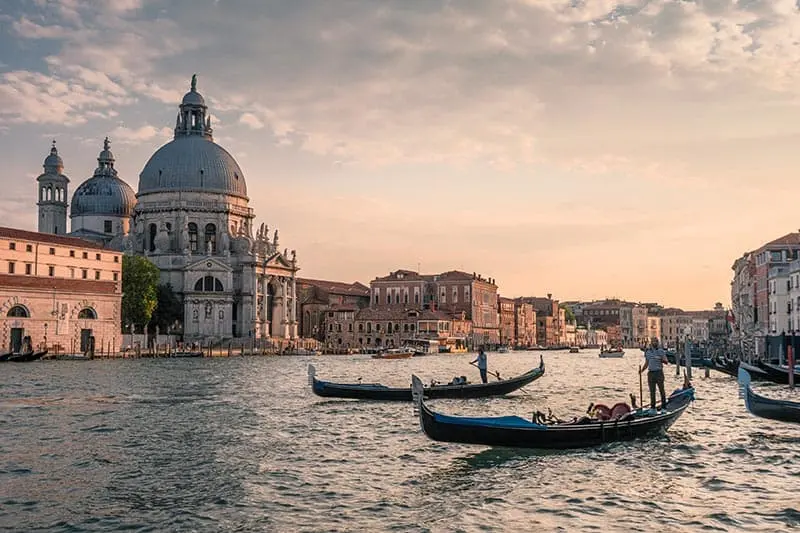
St. Mark’s Square, or Piazza San Marco, serves as the heart of the city and houses the iconic St. Mark’s Basilica and the Doge’s Palace. The Basilica is famous for its opulent Byzantine mosaics and gold-leaf interiors, while the Doge’s Palace offers insight into the political history of the Venetian Republic. Nearby, the Rialto Bridge remains the most famous crossing point over the Grand Canal, offering classic views of passing gondolas.
Beyond the main square, the Gallerie dell'Accademia showcases pre-19th-century Venetian art, including works by Titian and Tintoretto. For a change of pace, visit the island of Murano to watch traditional glassblowing demonstrations or Burano to see its vibrant, multicolored houses. These islands provide a quieter look at the lagoon’s culture away from the dense crowds of the main island.
- St. Mark’s Basilica: Known for its gold mosaics.
- Doge’s Palace: The former seat of Venetian government.
- Rialto Market: A historic site for fresh produce and fish.
- Peggy Guggenheim Collection: A premier museum for modern art.
Common mistakes when visiting Venice
Many visitors make the mistake of attempting to see the entire city in a single day. This often leads to rushing through major sites and missing the quieter, more authentic neighborhoods like Cannaregio or Dorsoduro. Another frequent error is eating at restaurants directly overlooking St. Mark’s Square; these establishments are often overpriced and cater exclusively to tourists rather than providing high-quality Venetian cuisine.
Furthermore, travelers often fail to respect local etiquette. It is considered rude to sit on the steps of bridges or monuments to eat, and there are strict fines for feeding pigeons or swimming in the canals. Always dress modestly when entering churches, covering your shoulders and knees to avoid being denied entry. Finally, do not assume that every gondolier will sing; singing is not a standard part of the service and is usually an extra request.
How to experience Venice like a local
To truly experience the city, embrace the local tradition of cicchetti. These are small, snack-sized portions of food, similar to Spanish tapas, served in local bars known as bacari. Pair your snacks with a glass of local wine or an Aperol Spritz while standing at the bar with residents. This social ritual is a staple of Venetian life and offers a much more affordable and authentic dining experience than formal sit-down restaurants.
Additionally, try to visit during the shoulder seasons of spring or autumn to avoid the peak summer heat and massive cruise ship crowds. If you visit during the winter, you might witness the famous Carnival, characterized by elaborate masks and historical costumes. By moving away from the main tourist arteries and wandering into the residential districts, you will discover the quiet courtyards and hidden artisan workshops that define the true character of this extraordinary floating city.
Key facts
- Venice is built on 118 small islands separated by over 150 canals and linked by more than 400 bridges.
- The city has no cars; transportation relies entirely on walking, water buses (vaporetti), or private water taxis.
- St. Mark’s Basilica is a masterpiece of Italo-Byzantine architecture, famous for its 85,000 square feet of gold-ground mosaics.
- The Venetian Lagoon is a UNESCO World Heritage site, recognized for its unique historical urban structure and artistic legacy.
- To avoid "Acqua Alta" (high tide flooding), check the Centro Maree website before visiting and carry waterproof footwear during autumn and winter.
- Purchase a multi-day ACTV transport pass to save money, as individual water bus tickets are significantly more expensive.
The bottom line
Venice remains a singular global destination, defined by its intricate network of canals and profound architectural history. While its unique geography requires careful planning—especially regarding transport and seasonal flooding—the city rewards visitors with unparalleled art, cuisine, and atmosphere. By respecting local customs and navigating beyond the primary tourist thoroughfares, you can experience the authentic, enduring charm of this historic maritime power.
People also ask
When is the best time to visit Venice to avoid crowds?
Late autumn and early spring offer the fewest tourists, though the weather can be damp. Avoid visiting during the Carnival in February or the peak summer months if you prefer a quieter experience.
Is it true that Venice is sinking?
Yes, the city faces a combination of natural soil subsidence and rising sea levels. The MOSE project, a system of mobile barriers, was installed to protect the city from extreme flooding events.
What is the traditional way to travel through the canals?
A gondola is the traditional, though expensive, choice for a scenic tour. For practical daily transit, locals and savvy travelers use the vaporetto, which functions like a city bus on water.
What are the must-try foods in Venice?
Sample cicchetti, which are small snacks similar to tapas, often served in local bars called bacari. Popular dishes include sarde in saor (sweet and sour sardines) and risi e bisi (rice and peas).
How should I navigate the city without getting lost?
Venice is a labyrinth, so relying on GPS can be frustrating due to signal interference in narrow alleys. Follow the yellow signs painted on buildings that point toward major landmarks like "San Marco" or "Rialto."
Are there any specific rules for tourists to follow?
Visitors must respect local regulations, such as not sitting on bridges or steps of monuments to eat. These rules are strictly enforced with fines to maintain the cleanliness and accessibility of the historic center.
This answer was created with the help of AI research tools and reference sources. Spotted an error? Let us know — we correct mistakes quickly. See our editorial policy.