What is the smallest country in the world?
Short answer
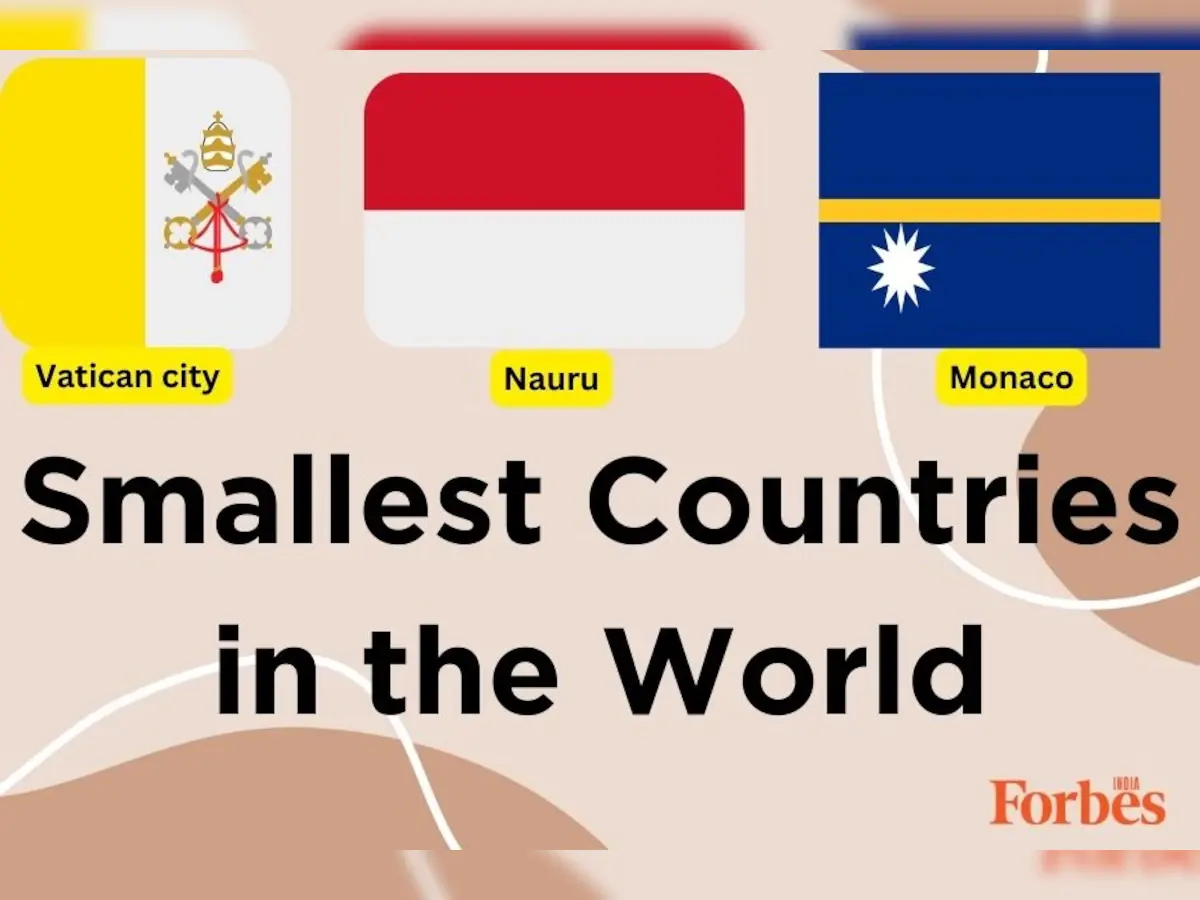
Vatican City is the smallest country in the world by both land area and population. Located entirely within the city of Rome, Italy, it covers approximately 0.44 square kilometers (about 109 acres). It serves as the sovereign headquarters of the Roman Catholic Church and is governed by the Holy See.
On this page
What is the history of Vatican City?
Vatican City became an independent city-state on February 11, 1929, following the signing of the Lateran Treaty between the Holy See and the Kingdom of Italy. Before this agreement, the papacy had lost its former territorial holdings during the unification of Italy in the 19th century, leading to a period known as the "Roman Question." The treaty finally resolved these tensions by recognizing the pope’s sovereignty over a small portion of Rome.
The territory itself has deep historical roots, serving as the site of the Circus of Nero and the burial place of Saint Peter. Over centuries, it evolved into a center of religious, artistic, and political influence. Today, it operates as an independent state with its own postal system, radio station, and security force, the Swiss Guard. It maintains diplomatic relations with many nations, functioning as a unique entity that balances spiritual leadership with the formal requirements of international statehood.
How do you visit Vatican City?
Visiting Vatican City is a straightforward process, though it requires some planning due to the immense popularity of its landmarks. The primary attractions for visitors are St. Peter's Basilica, the Vatican Museums, and the Sistine Chapel. Access to the basilica is generally free, but you must pass through security checkpoints located in St. Peter's Square. The museums and the Sistine Chapel require paid tickets, which are best purchased in advance to avoid long queues.
To ensure a smooth visit, follow these practical steps:
- Book your museum tickets online through the official Vatican website weeks ahead of your travel date.
- Dress modestly, as there is a strict dress code covering shoulders and knees for all visitors.
- Arrive early in the morning, ideally before 8:00 AM, to beat the largest crowds.
- Check the official calendar for papal audiences or religious holidays that may restrict access to certain areas.
What is the population of Vatican City?
The population of Vatican City is unique because it is not based on birthright or permanent residency in the traditional sense. It consists of approximately 800 citizens, most of whom are clergy, diplomats, or members of the Swiss Guard. Citizenship is granted based on appointment to a specific role within the Holy See and is typically revoked once that role concludes. This makes the country's demographics highly transient compared to other nations.
Because the population is so small and specialized, the state does not have a typical school system, hospital, or residential infrastructure for families. Most people who work in the Vatican live outside the walls in Rome and commute daily. The state functions more like an administrative hub than a residential community. This arrangement highlights the distinction between the Holy See as an international legal entity and the physical territory of the Vatican itself.
Why is it considered a country?
Vatican City meets the standard international criteria for statehood, such as having a defined territory, a permanent population, and a government capable of entering into relations with other states. While it is tiny, it possesses full sovereignty, meaning it is not subject to the laws of Italy. It issues its own passports, prints its own stamps, and uses the euro as its currency under a special agreement with the European Union.
The government is an absolute monarchy led by the pope, who holds full legislative, executive, and judicial power. The administrative functions are managed by the Pontifical Commission for Vatican City State. This structure allows the Vatican to maintain its neutrality and independence in global affairs. Its recognition by the United Nations as a non-member observer state further solidifies its status as a distinct, sovereign nation on the world stage.
Common mistakes when visiting Vatican City
Many tourists fail to account for the sheer size and complexity of the Vatican Museums, leading to exhaustion and missed highlights. A common error is attempting to see everything in a single, rushed afternoon without a clear plan. Because the museums house thousands of artifacts, it is helpful to prioritize specific galleries or historical periods beforehand. Another frequent mistake is ignoring the strict security protocols, which can result in being denied entry if you are carrying prohibited items like large backpacks or tripods.
To avoid these pitfalls, keep these tips in mind:
- Do not underestimate the walking distance, as the museums are vast and require significant physical stamina.
- Avoid purchasing tickets from unofficial street vendors, as these are often overpriced or fraudulent.
- Remember that the Vatican is a religious site; maintain a respectful volume and behavior throughout your visit.
- Do not forget to bring a valid photo ID, as security may check it against your pre-booked tickets.
By preparing for these logistical challenges, you can fully appreciate the historical and artistic treasures preserved within this unique, tiny nation.
Key facts
- Vatican City is the world's smallest independent state, covering only 0.17 square miles (0.44 square kilometers).
- It is an enclave located entirely within the city of Rome, Italy.
- The country has a population of approximately 500 to 800 residents, primarily clergy and the Swiss Guard.
- Visitors do not need a passport to enter, as there are no formal border controls between the Vatican and Rome.
- The state is governed by the Pope, who holds absolute legislative, executive, and judicial power.
- When visiting, dress conservatively; shoulders and knees must be covered to enter St. Peter's Basilica or the Vatican Museums.
The bottom line
Vatican City stands as a unique geopolitical entity, serving as the spiritual and administrative center of the Roman Catholic Church. Despite its tiny size, it functions as a fully independent sovereign state with its own government, security, and infrastructure. For travelers, it offers a dense concentration of historical art and architecture, making it one of the most significant and frequently visited cultural destinations in the world.
People also ask
Is Vatican City considered a country?
Yes, it is a sovereign city-state recognized internationally. It maintains its own postal system, radio station, currency, and diplomatic relations with other nations.
Can anyone become a citizen of Vatican City?
Citizenship is not based on birth or residency but is granted to those who work for the Holy See. Citizenship is usually revoked once the individual ceases their professional service to the state.
What language do they speak in the Vatican?
Italian is the primary language used for daily administration and communication. Latin remains the official language for legal documents and formal church proceedings.
Does the Vatican have its own military?
The Swiss Guard is the official security force responsible for the protection of the Pope. They are highly trained soldiers who have served the Vatican since 1506.
Is the Vatican a member of the United Nations?
The Holy See maintains permanent observer status at the United Nations. This allows it to participate in sessions and contribute to international debates without being a full voting member.
What is the main source of income for the Vatican?
Revenue is generated through museum ticket sales, the sale of postage stamps and commemorative coins, and voluntary contributions from Catholics worldwide.
This answer was created with the help of AI research tools and reference sources. Spotted an error? Let us know — we correct mistakes quickly. See our editorial policy.