What is Quebec City known for?
Short answer
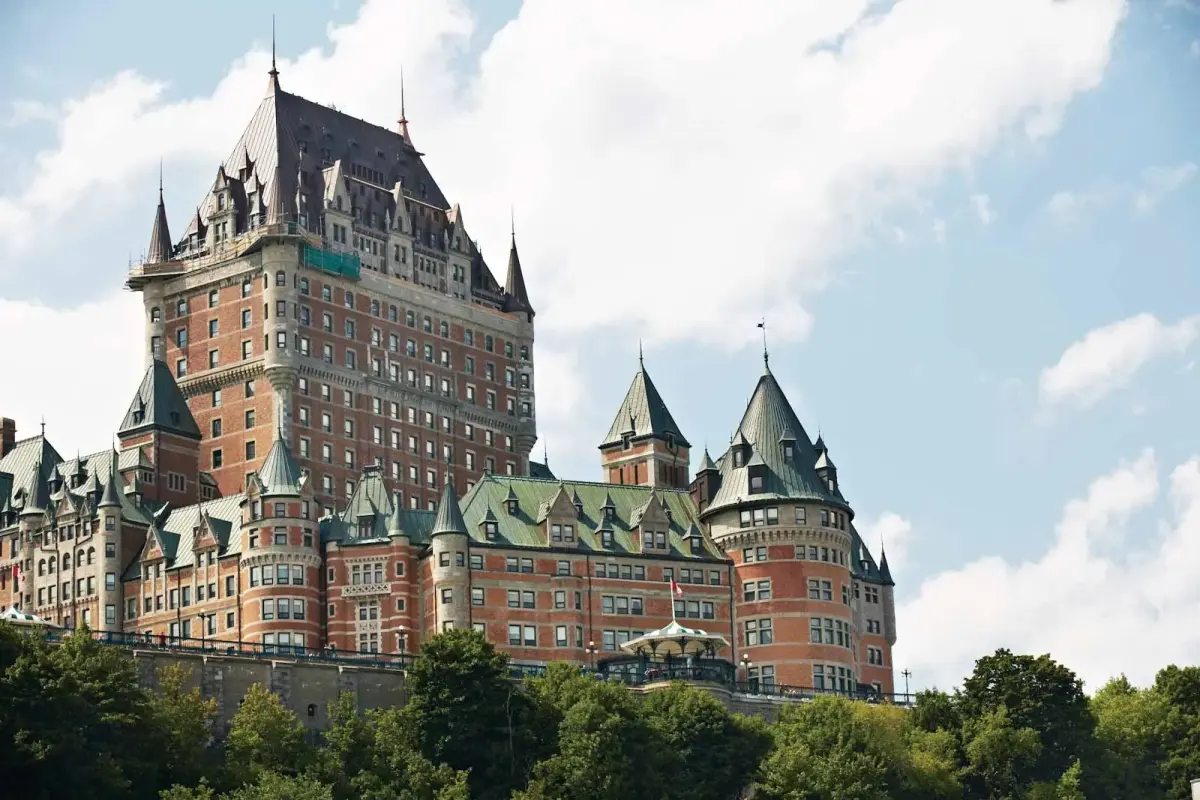
Quebec City is world-renowned for its status as the only fortified city north of Mexico, featuring the historic Old Quebec district, a UNESCO World Heritage site. It is celebrated for its preserved 17th-century colonial architecture, vibrant French-Canadian culture, the iconic Château Frontenac, and its picturesque setting overlooking the St. Lawrence River.
On this page
What is the history of Old Quebec?
Founded by Samuel de Champlain in 1608, Quebec City serves as the cradle of French civilization in North America. The city’s historic core, known as Old Quebec, is divided into the Upper Town and the Lower Town. The Upper Town was historically the administrative and military center, protected by massive stone walls that still stand today. These fortifications, maintained by Parks Canada, are the primary reason the district was designated a UNESCO World Heritage site in 1985.
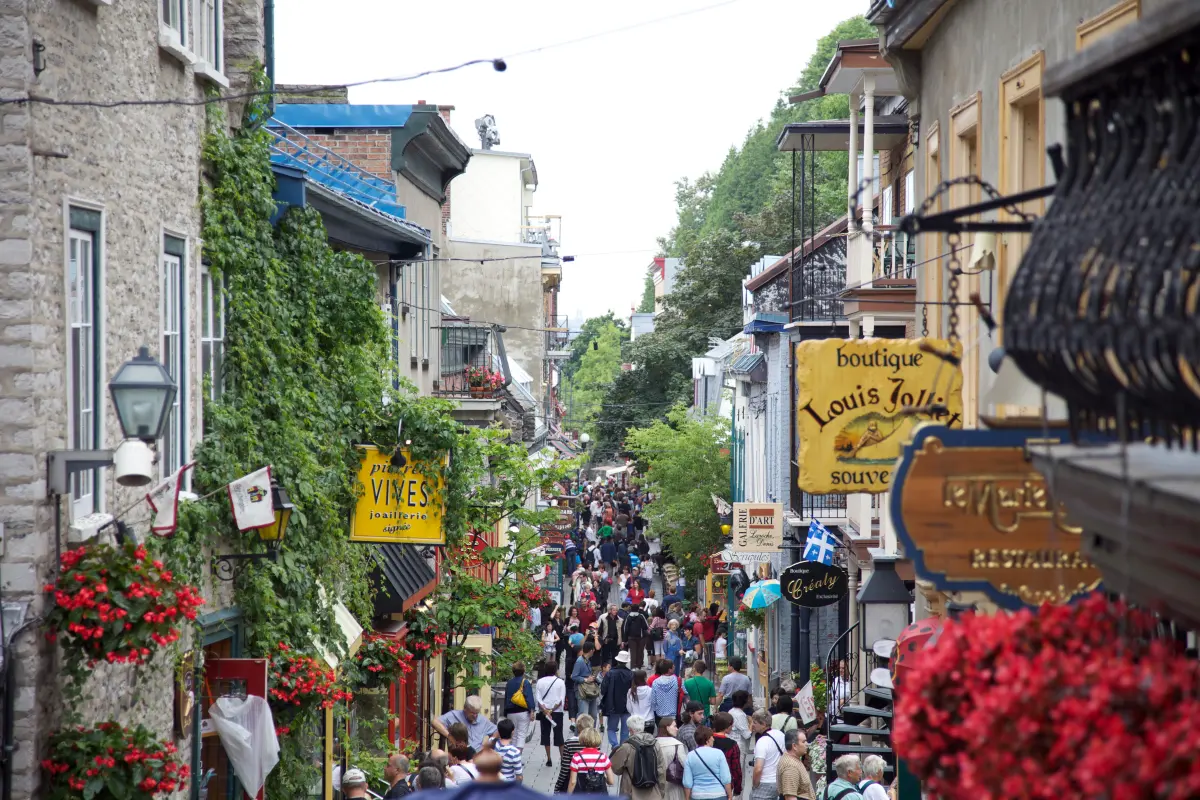
Walking through the narrow, winding streets of the Petit-Champlain district in the Lower Town feels like stepping into a European village. The area is famous for its stone buildings, steep staircases, and the Place Royale, where the city’s first permanent structures were built. Visitors can explore the history of the region through several key landmarks:
- The Citadelle of Quebec: An active military installation and the official residence of the Governor General.
- The Plains of Abraham: The site of the 1759 Battle of Quebec, now a massive urban park.
- Notre-Dame de Québec Basilica-Cathedral: The oldest parish north of Mexico, dating back to 1647.
Best things to do in Quebec City
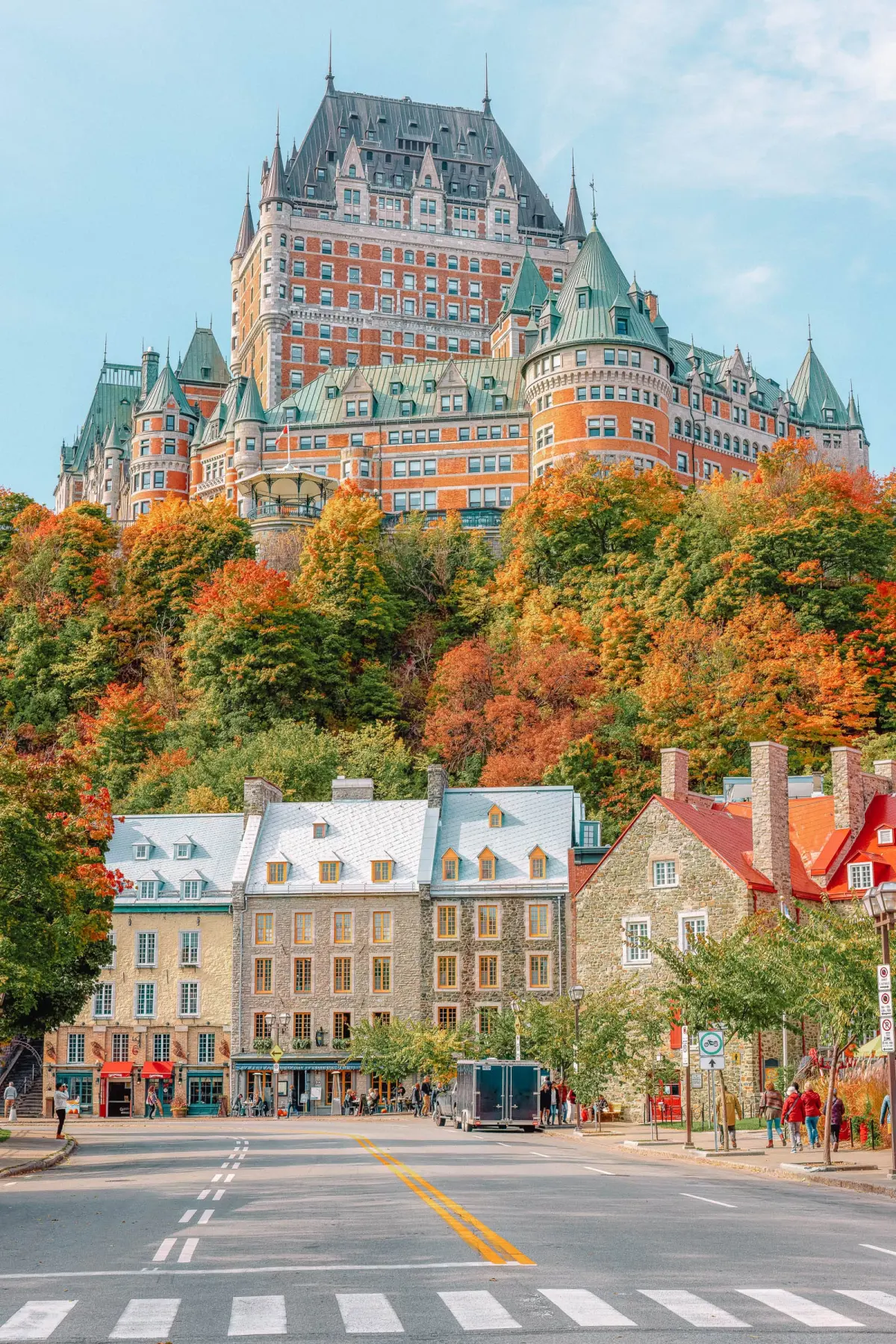
Quebec City offers a unique blend of historical immersion and modern urban leisure. Most visitors begin their journey at the Dufferin Terrace, a long wooden boardwalk that offers sweeping views of the St. Lawrence River and the iconic Château Frontenac. This hotel, often cited as the most photographed in the world, dominates the skyline and serves as a central meeting point for tourists and locals alike.
For those looking to experience the city’s culture, the following activities are highly recommended:
- Ride the Funicular: This historic cable railway connects the Upper and Lower towns, saving visitors from a steep climb.
- Visit the Musée de la civilisation: An interactive museum that explores the history and anthropology of the province.
- Explore the Quartier Petit-Champlain: Famous for its boutique shops, art galleries, and cozy bistros.
- Take a ferry to Lévis: The short crossing provides the best panoramic view of the Quebec City skyline.
How long does it take to explore the city?
While many travelers attempt to see the highlights in a single day, a minimum of three days is recommended to fully appreciate the city's atmosphere. A one-day trip often forces visitors to rush through the main sites without experiencing the culinary scene or the quieter, residential streets. If you have three days, you can dedicate one day to the historic fortifications, one to the museums and shopping, and a final day for excursions to nearby natural wonders.
If you have additional time, consider venturing outside the city walls to see the Montmorency Falls. These falls are 83 meters high, making them significantly taller than Niagara Falls. During the winter months, the spray from the falls freezes to form a massive "sugar loaf" of ice at the base, which is a popular site for local ice climbers. A half-day trip to the nearby Île d’Orléans is also ideal for those wanting to sample local cider, wine, and fresh strawberries.
Common mistakes when visiting Quebec City
A frequent error is underestimating the hilly terrain of the city. Old Quebec is built on a cliffside, meaning that walking between the Upper and Lower towns requires navigating steep hills and long staircases. Travelers with mobility issues or those wearing uncomfortable footwear often find the geography challenging. Always check the weather forecast, as the river winds can make the temperature feel significantly colder than the inland regions.
Another common mistake is assuming that English is the primary language of daily life. While most employees in the tourism and hospitality sectors are bilingual, French is the official language and the heart of the local culture. Learning a few basic phrases like "Bonjour" and "Merci" is highly appreciated by residents. Additionally, avoid staying only in the hotel districts; the city’s true character is found in neighborhoods like Saint-Roch, which features modern coffee shops and a vibrant local art scene.
Why visit during the winter season?
Quebec City is arguably at its most magical during the winter, despite the sub-zero temperatures. The city embraces the cold with the annual Winter Carnival, or Carnaval de Québec, which has been held since 1955. This event features ice sculptures, night parades, and the famous mascot, Bonhomme. During this time, the streets are illuminated with festive lights, and the city takes on a cozy, European-style charm that is distinct from any other North American destination.
To ensure you have a comfortable winter visit, follow these essential tips:
- Wear thermal base layers, a windproof parka, and insulated, waterproof boots.
- Book your accommodation well in advance if you plan to visit during the Winter Carnival in February.
- Rent a pair of skates to use the outdoor rink at Place d'Youville, which is located right in the heart of the historic district.
- Try a "queue de castor" (beaver tail), a fried dough pastry that is a staple of Canadian winter street food.
Key facts
- Quebec City is the only fortified city north of Mexico, with walls dating back to the 17th century.
- The historic district, Old Quebec, was designated a UNESCO World Heritage site in 1985.
- The iconic Château Frontenac is widely considered the most photographed hotel in the world.
- French is the primary language, spoken by over 95% of the local population.
- The city hosts the Quebec Winter Carnival, one of the largest and oldest winter festivals globally.
- Avoid visiting during peak summer weekends if you dislike crowds; aim for mid-week stays to secure better hotel rates.
The bottom line
Quebec City offers a unique blend of European charm and North American convenience, serving as a living museum of French colonial history. From the imposing ramparts of the Citadelle to the quaint boutiques of the Petit-Champlain district, the city provides a distinct cultural experience. Visitors should prioritize walking the historic streets, sampling traditional Québécois cuisine, and embracing the city's festive atmosphere regardless of the season.
People also ask
Is it necessary to speak French to visit Quebec City?
While French is the official language, the city is highly accustomed to tourists. Most staff in hotels, restaurants, and shops are bilingual and will switch to English immediately upon hearing you speak.
What is the best way to get around the city?
Old Quebec is best explored on foot due to its narrow, cobblestone streets and steep hills. For longer distances, use the efficient public bus system or a taxi, as parking in the historic center is limited and expensive.
When is the best time of year to visit?
Summer offers vibrant outdoor terraces and festivals, while winter provides a magical, snowy atmosphere perfect for skating and carnival activities. Late spring and early autumn are ideal for avoiding extreme temperatures and peak tourist surges.
What are the must-try local foods?
You should sample poutine, a dish of fries, cheese curds, and gravy, as well as tourtière, a traditional meat pie. Maple-based sweets and local craft beers are also staples of the regional culinary scene.
How many days do I need to see the main sights?
Three days is typically sufficient to cover Old Quebec, the Plains of Abraham, and the nearby Montmorency Falls. If you plan to explore the surrounding countryside or islands, add one or two extra days.
Is Quebec City safe for solo travelers?
Yes, the city consistently ranks as one of the safest urban destinations in North America. Standard precautions for urban travel apply, but the streets are well-lit and welcoming even for those traveling alone.
This answer was created with the help of AI research tools and reference sources. Spotted an error? Let us know — we correct mistakes quickly. See our editorial policy.