How long do honeybees live?
Short answer
Honeybee lifespans vary significantly based on their role in the hive and the time of year. Worker bees typically live for six weeks during the active summer season, while queens can live for several years. Drones generally survive only a few months, dying shortly after mating or when expelled before winter.
On this page
How long do worker honeybees live?
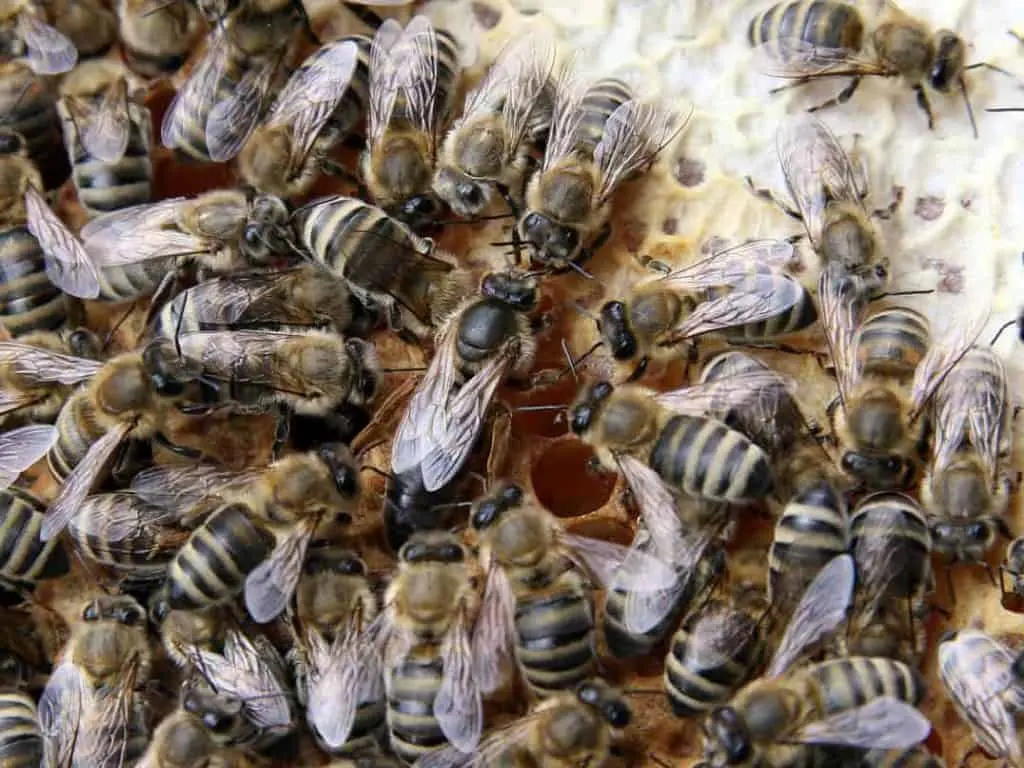
The lifespan of a worker honeybee is dictated by the intensity of her labor and the season of her birth. During the peak foraging season in spring and summer, a worker bee lives for approximately six weeks. Her life is physically demanding, involving tasks that progress from cleaning cells and nursing larvae to guarding the hive and finally foraging for nectar and pollen. The constant flight and wing wear during these final weeks eventually lead to her death.
In contrast, bees born in late autumn are known as "winter bees." These individuals have a much slower metabolism and do not engage in the intensive foraging required of summer bees. Because they do not wear out their bodies through constant flight, they can survive for four to six months. Their primary purpose is to maintain the cluster temperature and protect the queen until the following spring, when they are replaced by a new generation of workers.
How long does a queen honeybee live?
The queen is the longest-lived member of the colony, often surviving for two to three years. Unlike the workers, she does not perform labor-intensive tasks like foraging or cleaning. Her sole responsibility is to lay eggs, which can number up to 2,000 per day during the height of the season. Because she is protected and fed by her attendants, she avoids the physical hazards that shorten the lives of other bees.
However, a queen’s productivity typically declines after her second year. Beekeepers often monitor the health and egg-laying patterns of the queen to determine if she needs to be replaced. If a queen becomes sick or her pheromone production drops, the colony may attempt to supersede her by raising a new queen. Factors that influence her longevity include:
- Genetic quality and resistance to diseases.
- The overall health and nutrition of the colony.
- Environmental stressors such as pesticide exposure or extreme weather.
How long do drone honeybees live?
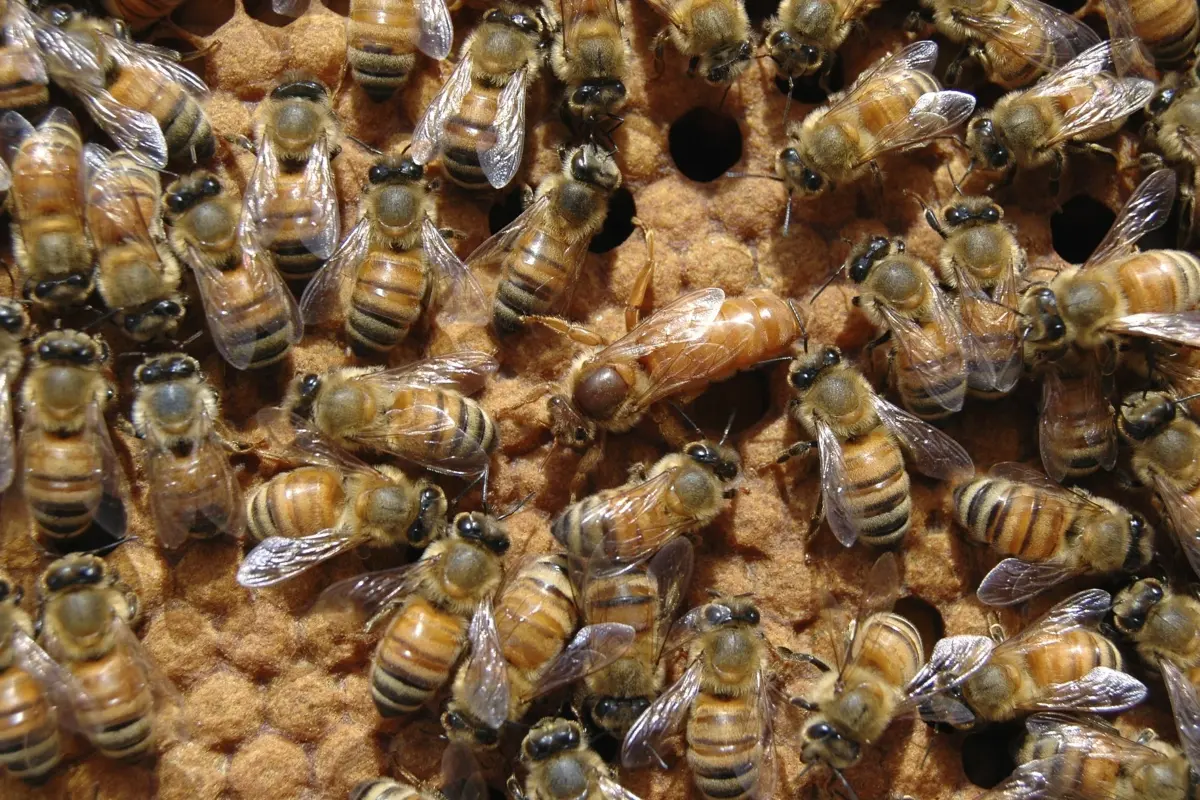
Drones are male honeybees whose primary biological function is to mate with a virgin queen from another colony. Their lifespan is highly dependent on the success of this mission and the needs of the hive. A drone typically lives for about 8 to 12 weeks, though they are rarely allowed to live out their full natural potential if resources become scarce.
If a drone successfully mates with a queen, he dies immediately because his reproductive organs are torn away during the act. For those that do not mate, their fate is often decided by the colony's survival instincts as autumn approaches. When nectar sources dwindle and the hive prepares for winter, the workers take specific measures:
- They stop feeding the drones to conserve honey stores.
- They physically drag the drones out of the hive entrance.
- They prevent the drones from re-entering, leading to their starvation or death from cold.
Common mistakes when observing bee lifespans
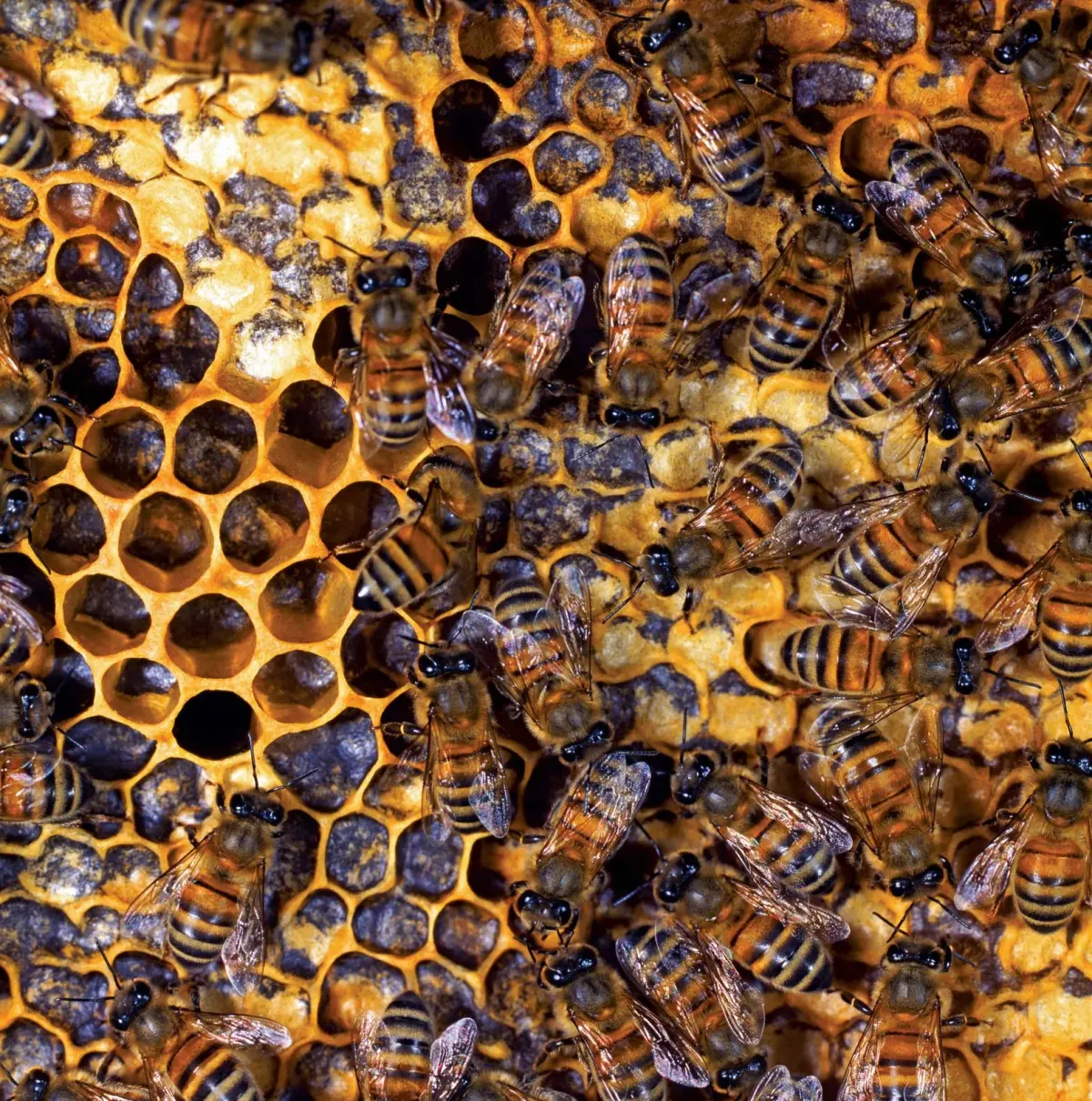
Many people mistakenly assume that all bees live for the duration of a single season or that they hibernate like bumblebees. Honeybees do not hibernate; they remain active throughout the winter by clustering together and vibrating their wing muscles to generate heat. A common error is failing to realize that the population of a hive is constantly turning over. A beekeeper might see a thriving hive in June and assume the same bees will be there in August, but the entire population will have been replaced at least once.
Another mistake is attributing a colony's decline solely to the age of the bees. While natural aging is a factor, environmental stressors often mask the expected lifespan. If you are observing a hive, keep these points in mind:
- Do not confuse the presence of dead bees at the hive entrance with a colony collapse; a small number of deaths is normal.
- Avoid using chemical pesticides nearby, as these can kill foragers prematurely and distort your observations of natural aging.
- Recognize that nutritional droughts, such as a lack of late-summer blooms, can shorten the lifespan of the entire colony.
Best ways to support honeybee longevity
To ensure that honeybees live as long as their biology allows, they require a stable, healthy environment. The most effective way to support them is to provide a consistent source of diverse, pesticide-free forage throughout the entire growing season. Bees that are well-nourished are more resilient to the diseases and parasites that typically shorten their lives. Beekeepers should prioritize hive health by monitoring for Varroa mites, which are a leading cause of premature death in both workers and queens.
If you are interested in helping bees thrive, consider these practical steps:
- Plant native flowers that bloom at different times of the year to ensure a continuous food supply.
- Provide a clean water source, such as a birdbath with pebbles for the bees to land on, to prevent them from drowning.
- Avoid the use of systemic insecticides in your garden, as these chemicals can remain in pollen and nectar for extended periods.
- Maintain a clean environment around the hive to reduce the spread of pathogens that compromise the bees' immune systems.
Key facts
- Worker bees born in the summer typically live for only 6 weeks because they work themselves to death foraging.
- Winter worker bees live much longer, often surviving for 4 to 6 months to keep the queen warm.
- A queen honeybee lives for 2 to 5 years, making her the longest-lived member of the colony.
- Drones, or male bees, usually live for about 8 weeks but die immediately after mating or are expelled before winter.
- To help local bees, avoid using pesticides in your garden, as these chemicals significantly shorten their lifespan.
- Provide a shallow water source with stones for bees to land on, as dehydration is a common cause of premature death.
The bottom line
The lifespan of a honeybee is highly dependent on its role and the season. While summer workers exhaust themselves in weeks, winter workers and queens enjoy significantly longer lives. Understanding these cycles helps beekeepers manage hive health effectively. By providing clean water and avoiding toxic chemicals, you can support the longevity of local bee populations, ensuring they remain productive and healthy throughout their natural life stages.
People also ask
Why do winter bees live longer than summer bees?
Winter bees do not spend energy foraging for nectar or raising brood, which reduces physical wear on their bodies. Their primary role is to cluster together to maintain the hive's temperature throughout the cold months.
How can you tell the age of a honeybee by looking at it?
Younger bees often have fuzzy, bright hair, while older bees appear shiny and bald because they have lost their hair from constant activity. You can also observe their behavior, as young bees perform hive duties while older bees forage outside.
Does a queen bee die after she lays her eggs?
No, a queen bee is essential to the colony’s survival and can lay up to 2,000 eggs per day for several years. She only dies when she is superseded by a younger queen or the colony fails.
Do honeybees die after they sting someone?
Yes, honeybees are the only bees that die after stinging a human because their barbed stingers get stuck in thick skin. When the bee pulls away, it leaves behind its stinger and part of its digestive tract, which is fatal.
What is the most common cause of honeybee death in a hive?
Aside from natural aging, the Varroa mite is the leading threat to honeybee longevity. These parasites feed on the bees' fat bodies, weakening their immune systems and spreading lethal viruses throughout the colony.
Can you keep bees alive longer by feeding them sugar water?
Sugar water is a temporary emergency measure for starving bees, but it lacks the essential nutrients found in natural pollen. Relying on it long-term can lead to nutritional deficiencies and a shortened lifespan for the colony.
This answer was created with the help of AI research tools and reference sources. Spotted an error? Let us know — we correct mistakes quickly. See our editorial policy.