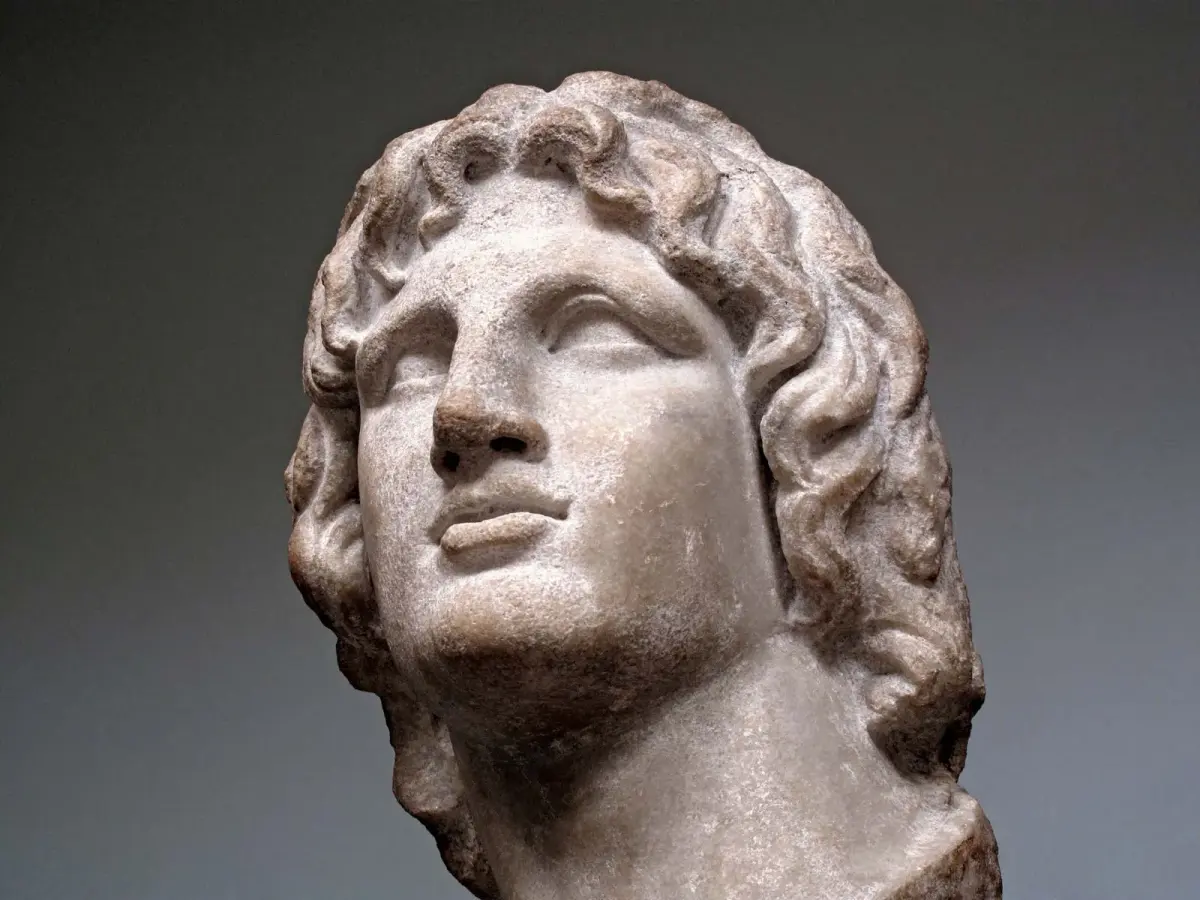
Who was Queen Victoria?
Short answer
Queen Victoria was the monarch of the United Kingdom of Great Britain and Ireland from 1837 to 1901. Her 63-year reign, known as the Victorian Era, oversaw massive industrial expansion, the height of the British Empire, and significant social reform. She became a symbol of national stability and traditional family values during a transformative century.
On this page
Who was Queen Victoria?
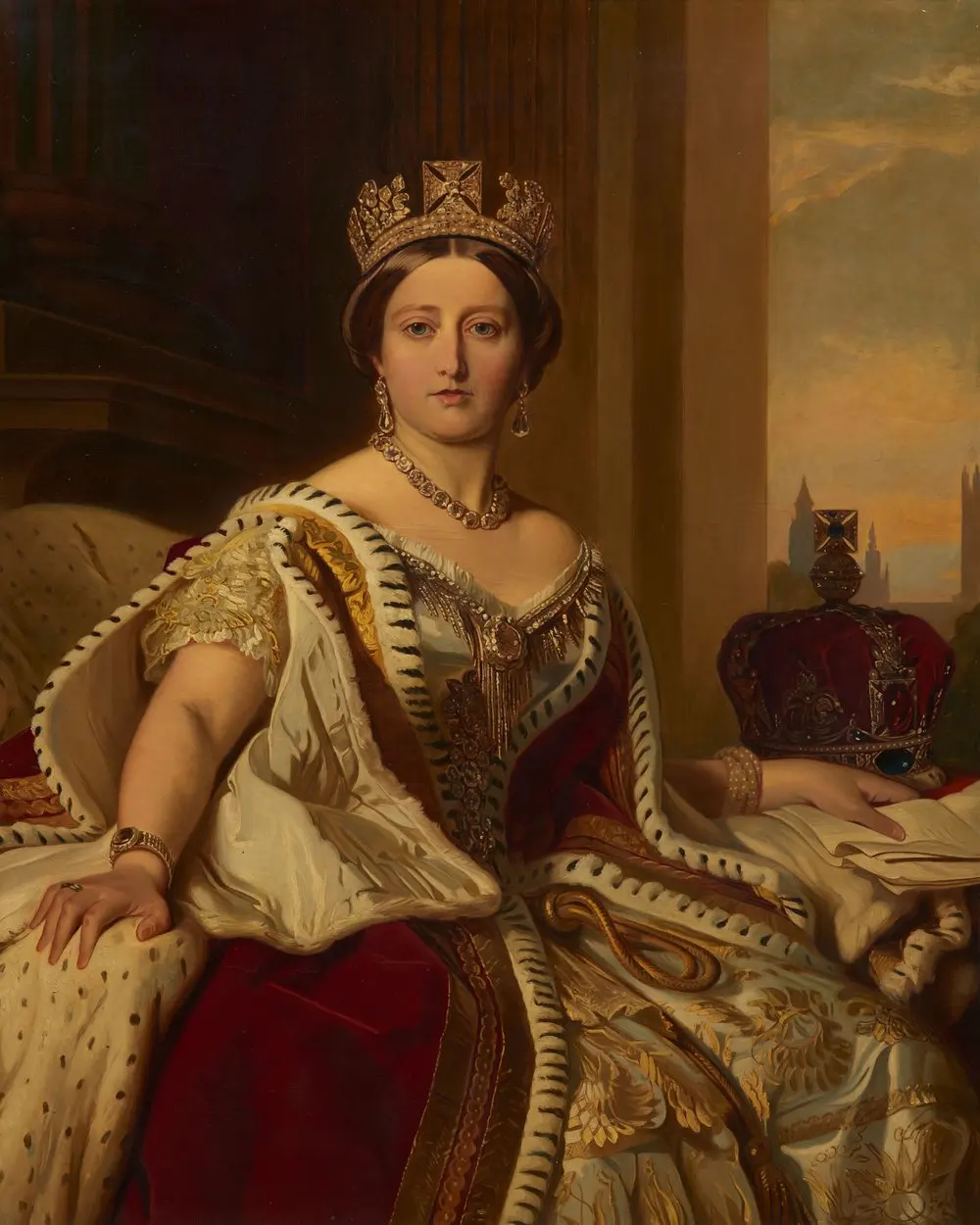
Victoria was born Alexandrina Victoria on May 24, 1819, at Kensington Palace. She was the only child of Prince Edward, Duke of Kent, and Princess Victoria of Saxe-Coburg-Saalfeld. Following the death of her father and her uncle, King William IV, she ascended to the throne at age 18 in 1837. Her early years were marked by a sheltered upbringing under the "Kensington System," which strictly controlled her interactions with others.
Upon becoming queen, she asserted her independence from her mother and her mother’s advisor, John Conroy. She relied heavily on her first Prime Minister, Lord Melbourne, who acted as a mentor during her transition into royal duties. In 1840, she married her first cousin, Prince Albert of Saxe-Coburg and Gotha. Their partnership became the cornerstone of her reign, influencing her political decisions and defining the public image of the monarchy for decades.
How long did Queen Victoria reign?
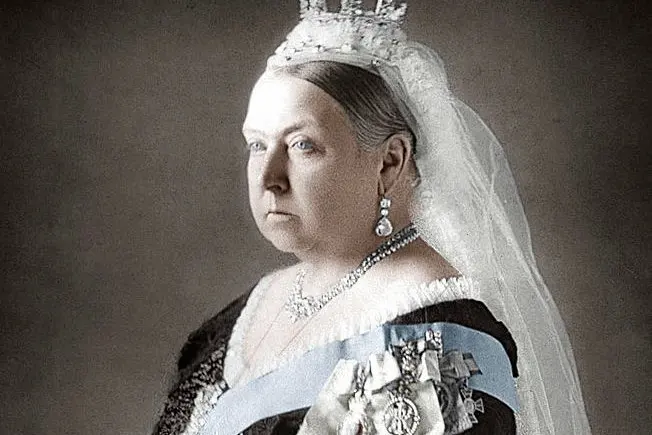
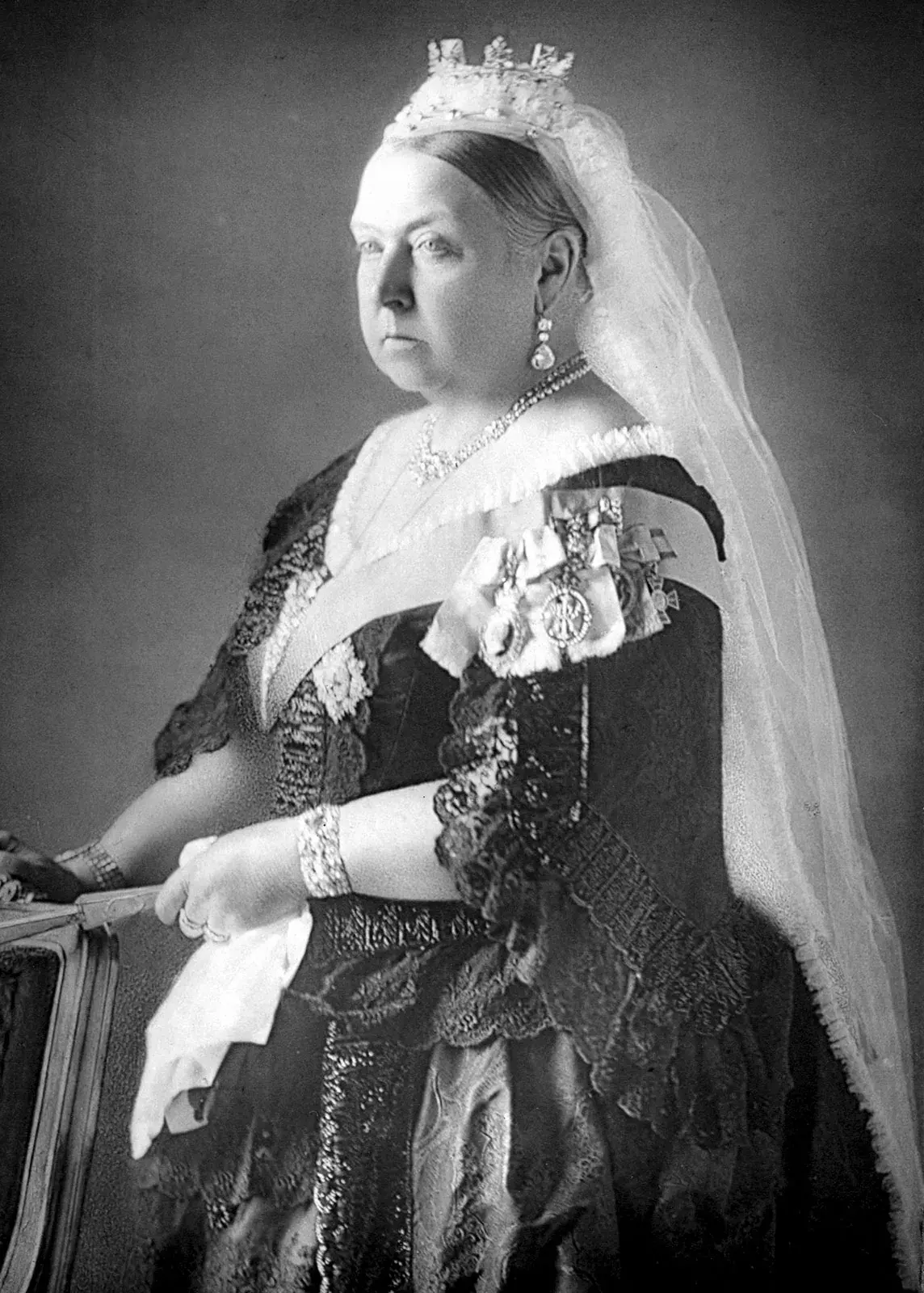
Victoria reigned for 63 years, seven months, and two days, making her the longest-serving British monarch until she was surpassed by Queen Elizabeth II in 2015. Her time on the throne spanned from June 20, 1837, until her death on January 22, 1901. This period, now synonymous with the Victorian Era, saw Britain evolve from a largely agrarian society into the world’s leading industrial power.
The era was characterized by rapid technological progress and colonial expansion. Victoria’s influence was felt globally as the British Empire grew to encompass nearly a quarter of the Earth's land surface. Her reign is often divided into distinct phases:
- The early years of youth and marriage to Prince Albert.
- The period of deep mourning following Albert’s death in 1861.
- The later years of the "Golden" and "Diamond" Jubilees, where she became a global icon of imperial stability.
Why was the Victorian Era significant?
The Victorian Era was a time of profound cultural, scientific, and social change. The Industrial Revolution accelerated, leading to the construction of vast railway networks and the rise of massive urban centers. Scientific advancements, most notably the publication of Charles Darwin’s On the Origin of Species in 1859, challenged traditional religious views and sparked intense intellectual debate across the country.
Socially, the period saw the beginning of significant legislative reforms. The government passed laws to improve working conditions, expand voting rights, and regulate child labor. However, these advancements often masked deep inequalities. While the middle class thrived, many working-class families lived in extreme poverty. Notable developments included:
- The Great Exhibition of 1851, which showcased British industrial might.
- The expansion of the British Empire into Africa and Asia.
- The emergence of the women’s suffrage movement toward the end of the century.
Common mistakes when studying Queen Victoria
One common error is assuming Victoria was a passive figurehead who held no real political power. In reality, she was deeply involved in government affairs, frequently corresponding with her ministers and expressing strong opinions on foreign policy. She took her constitutional role seriously and often acted as a mediator between opposing political factions. Another mistake is viewing her strictly as a somber, humorless widow. While she remained in mourning for 40 years after Albert’s death, she was known to be passionate, opinionated, and deeply devoted to her nine children.
When researching her life, avoid these pitfalls:
- Confusing her personal mourning period with the entire Victorian Era.
- Assuming the "Victorian" moral code was universally practiced by all social classes.
- Overlooking the influence of Prince Albert in shaping government and cultural policy.
- Ignoring the complex colonial realities that defined the expansion of the British Empire during her later years.
How to learn more about Queen Victoria
To gain a practical understanding of her life, start by examining her personal journals, which are now digitized and available for public viewing. These documents provide an unfiltered look at her daily thoughts, political frustrations, and family life. Visiting historical sites such as Osborne House on the Isle of Wight or Kensington Palace offers a tangible connection to the spaces she inhabited. These locations provide context for her domestic life and the architectural aesthetics of the 19th century.
If you are beginning your research, consider these steps:
- Read a balanced biography that covers both her political influence and her private family dynamics.
- Watch documentaries that utilize primary source letters and diary entries to reconstruct her perspective.
- Analyze the political landscape of the 19th century to understand the challenges faced by her Prime Ministers.
- Explore the role of the monarchy in the context of the growing democratic movements of the era.
By focusing on primary sources rather than popular dramatizations, you will develop a nuanced appreciation for one of history's most consequential leaders.
Key facts
- Victoria reigned as Queen of the United Kingdom of Great Britain and Ireland from June 20, 1837, until her death on January 22, 1901.
- She was the longest-reigning British monarch until her record was surpassed by her great-great-granddaughter, Queen Elizabeth II, in 2015.
- In 1876, she was proclaimed Empress of India, reflecting the vast expansion of the British Empire during her 63-year tenure.
- She married her first cousin, Prince Albert of Saxe-Coburg and Gotha, in 1840; they had nine children who married into royal families across Europe.
- Following Albert’s death in 1861, Victoria entered a state of mourning and wore black for the remaining 40 years of her life.
- To understand the era, study the "Victorian" values of industrial progress, strict social morality, and colonial expansion that defined the 19th century.
The bottom line
Queen Victoria was a transformative figure whose 63-year reign defined an entire century of British history. By evolving from a young, spirited monarch into the "Grandmother of Europe," she stabilized the throne and oversaw the peak of the British Empire. Her legacy remains embedded in modern global politics, industrial progress, and the enduring image of the British monarchy as a symbol of national identity and moral continuity.
People also ask
How did Queen Victoria influence the British monarchy?
She transformed the monarchy from a political force into a symbolic institution focused on moral leadership and family values. By maintaining a distance from partisan politics, she helped preserve the crown's stability during a time of rapid social change.
Why is the period of her reign called the Victorian Era?
The term refers to the profound cultural, industrial, and political changes that occurred in Britain between 1837 and 1901. It was characterized by the expansion of the British Empire, the rise of the middle class, and significant scientific advancements.
Did Queen Victoria have a difficult relationship with her children?
She often had a strained, demanding relationship with her eldest son, the future King Edward VII. She blamed him for his father’s exhaustion and death, which created a lifelong tension between them.
What was the significance of her marriage to Prince Albert?
Albert acted as her closest advisor and played a vital role in organizing the Great Exhibition of 1851. His sudden death in 1861 devastated the Queen, leading her to withdraw from public life for many years.
How many countries did the British Empire control under her rule?
By the end of her reign, the British Empire covered approximately one-quarter of the Earth's land surface. It included territories across Africa, Asia, North America, and Oceania, making her the monarch of roughly 400 million people.
What common mistake do people make when researching Queen Victoria?
A common error is assuming she was a grumpy, reclusive figure throughout her entire reign. In reality, she was a vibrant, passionate, and politically active woman who only adopted her reclusive lifestyle after the death of her husband.
This answer was created with the help of AI research tools and reference sources. Spotted an error? Let us know — we correct mistakes quickly. See our editorial policy.