How long do porcupines live?
Short answer
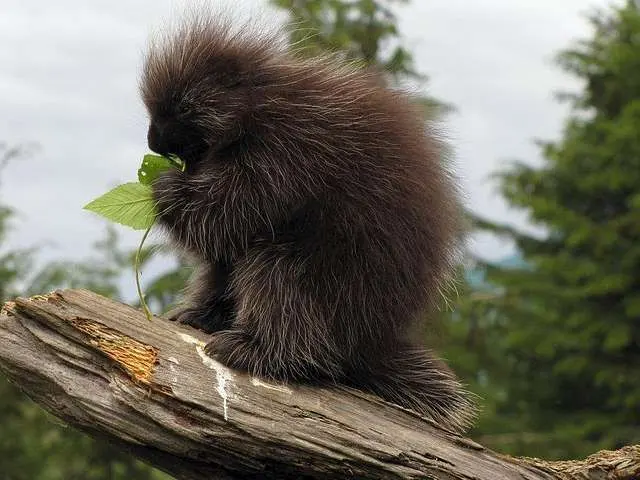
Porcupines typically live between five and seven years in the wild, though their lifespans vary significantly by species and environment. North American porcupines often reach 10 years in their natural habitat, while individuals kept in captivity under professional veterinary care have been known to live for 20 years or longer.
On this page
How long do porcupines live in the wild?
The lifespan of a wild porcupine is heavily influenced by environmental pressures, predation, and the availability of food. While they possess a formidable defense mechanism in their sharp, barbed quills, they are not invincible. Young porcupines, known as porcupettes, face the highest mortality rates during their first year of life due to predators like fishers, mountain lions, and bobcats. Those that survive to adulthood often live between five and seven years, though some robust individuals may reach a decade if they successfully avoid major threats.
Environmental factors play a critical role in determining these outcomes. Harsh winters can lead to starvation, especially for younger animals that have not yet mastered the art of foraging for high-quality bark and cambium. Furthermore, habitat fragmentation forces many porcupines to cross roads, making vehicle collisions a leading cause of premature death. Because they are slow-moving and rely on their quills rather than speed to deter threats, they are particularly vulnerable to human-related accidents.
Why do captive porcupines live longer?
Porcupines housed in zoos or wildlife rehabilitation centers often live significantly longer than their wild counterparts, frequently reaching 15 to 20 years of age. This discrepancy is primarily due to the absence of natural predators and the consistent availability of a nutrient-dense diet. In captivity, keepers monitor the animals for signs of illness or dental issues, which are common health concerns that can lead to death in the wild. By eliminating the daily struggle for survival, these animals can dedicate their energy to longevity rather than defensive maintenance.
Veterinary intervention also plays a major role in extending their lifespan. Captive porcupines receive preventative care, such as routine check-ups and vaccinations, which are impossible to provide in a wild setting. Furthermore, the environment is temperature-controlled, protecting them from the extreme physiological stress of severe winter weather. The following factors contribute to their success in captivity:
- Consistent, balanced nutrition tailored to their specific species requirements.
- Regular dental monitoring to prevent complications from overgrown incisors.
- Immediate access to medical treatment for infections or injuries.
- Protection from environmental hazards like predators and vehicular traffic.
How do you identify the age of a porcupine?
Determining the exact age of a wild porcupine is notoriously difficult because they do not exhibit obvious physical markers that change predictably over time. Researchers often rely on dental analysis to estimate age, as the wear patterns on a porcupine’s molars change as they consume tough bark and woody vegetation throughout their lives. By examining the degree of tooth eruption and the level of enamel wear, biologists can categorize individuals into age groups such as juvenile, sub-adult, or mature adult.
For those interested in studying or observing porcupines, it is helpful to understand the life stages they pass through. Observing their size and behavior can provide clues about their maturity level. The following stages define their development:
- Birth: Porcupettes are born with soft quills that harden within hours.
- Weaning: Young porcupines begin eating solid food at about two weeks old.
- Independence: Most offspring leave their mothers between six and eight months of age.
- Sexual Maturity: Most individuals reach reproductive maturity by their second or third year.
Common mistakes when estimating porcupine health
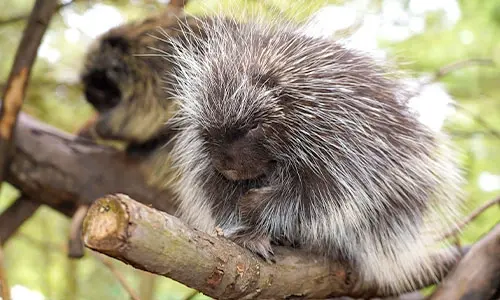
One common mistake is assuming that a slow-moving or solitary porcupine is elderly or sick. Because porcupines are naturally crepuscular and solitary, seeing one sitting still in a tree for an extended period is normal behavior, not necessarily a sign of failing health. Observers often misinterpret their defensive "hunching" posture as lethargy, when in reality, the animal is simply preparing to protect itself from a perceived threat. Misunderstanding these natural behaviors can lead to unnecessary interventions that may stress the animal.
Another error is ignoring the signs of dental distress. Because porcupines are rodents, their teeth grow continuously throughout their lives. If they are unable to gnaw on hard materials, their teeth can become misaligned or overgrown, leading to an inability to eat. If you encounter a porcupine that appears to be struggling to chew or has visible facial swelling, these are indicators of a serious health issue rather than natural aging. Avoid approaching or attempting to feed these animals, as they are capable of delivering painful quills when they feel threatened or distressed.
Best practices for supporting local porcupine populations
Supporting the health and longevity of local porcupine populations starts with habitat preservation. These animals rely on specific types of forest cover for both food and shelter. By protecting large tracts of mature trees, you ensure that porcupines have access to the winter food sources they need to survive the coldest months of the year. Additionally, maintaining corridors of vegetation allows them to move safely through their territory without having to cross busy roads or open, exposed areas where they are vulnerable.
If you live in an area with a porcupine population, consider these practical steps to minimize human-wildlife conflict:
- Secure trash cans and compost bins to prevent them from becoming habituated to human food sources.
- Use motion-activated lights or fencing to discourage them from nesting under porches or sheds.
- Drive cautiously at night in forested areas to avoid vehicle-related fatalities.
- Avoid using rodenticides, as these poisons can move up the food chain and inadvertently harm porcupines.
By respecting their natural space and reducing human interference, you help ensure that these unique creatures can live out their full natural lifespans in the wild.
Key facts
- Wild North American porcupines typically live between 5 and 7 years.
- In captivity, protected from predators and disease, these rodents can live up to 15 to 20 years.
- Their lifespan is significantly shortened by predation from fishers, mountain lions, and coyotes.
- Porcupines are solitary animals, which helps them avoid some social stressors but limits their ability to defend against group predators.
- A common mistake is assuming porcupines throw their quills; they actually detach upon contact, and the animal must regrow them.
- Providing a safe environment for injured porcupines in rehabilitation centers can double their natural life expectancy.
The bottom line
The lifespan of a porcupine is largely determined by its environment, ranging from roughly five years in the wild to two decades in protected captivity. While they are resilient creatures capable of surviving harsh winters, their vulnerability to specialized predators like fishers keeps their natural life expectancy relatively low. Understanding these biological constraints is essential for appreciating the survival strategies of this unique, quill-bearing North American rodent.
People also ask
Do porcupines lose their quills permanently?
No, porcupines regrow their quills throughout their lives. Once a quill is lost, a new one begins to grow from the follicle, usually reaching full length within a few months.
What is the primary cause of death for wild porcupines?
Predation is the leading cause of death, particularly by fishers, which have evolved to flip porcupines over to attack their vulnerable, quill-free undersides. Disease, starvation, and vehicle collisions also contribute to mortality rates.
At what age do porcupines reach sexual maturity
Most porcupines reach sexual maturity between 1.5 and 2.5 years of age. Females typically produce only one offspring, called a porcupette, per year.
Can porcupines survive in urban environments?
While they prefer forested areas, porcupines can survive in suburban settings if there are enough trees for food and shelter. However, they face higher risks from domestic dogs and road traffic in these areas.
How do porcupines protect themselves from the cold?
They possess a dense undercoat of woolly fur beneath their long guard hairs. This insulation allows them to remain active throughout the winter, foraging for bark and needles in freezing temperatures.
Do porcupines hibernate during the winter?
Porcupines do not hibernate and remain active all year round. During severe weather, they may stay in their dens for several days to conserve energy and stay warm.
This answer was created with the help of AI research tools and reference sources. Spotted an error? Let us know — we correct mistakes quickly. See our editorial policy.