What is the immune system?
Short answer
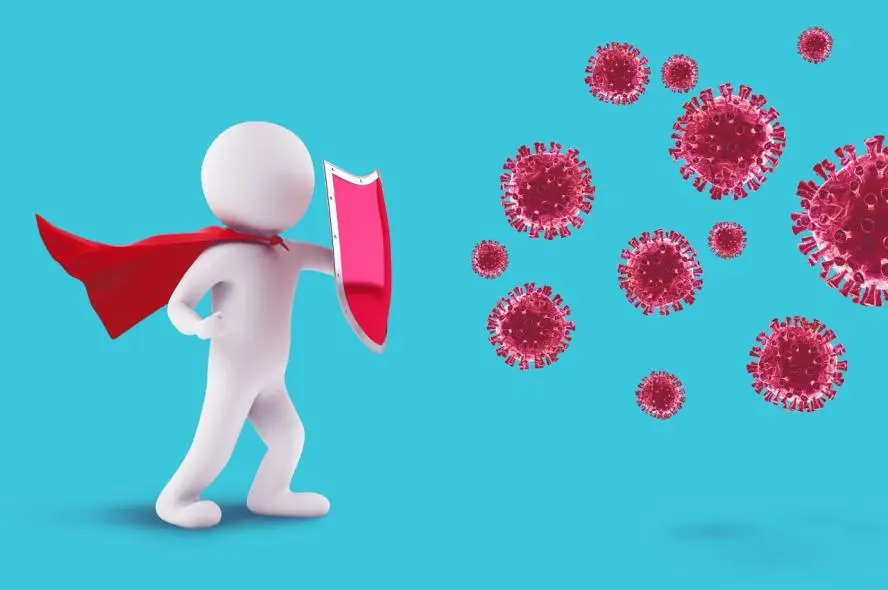
The immune system is a complex network of cells, tissues, and organs that defend the body against harmful invaders like bacteria, viruses, and parasites. It distinguishes between the body’s own healthy cells and foreign threats, launching targeted responses to neutralize pathogens and maintain internal stability to keep you healthy.
On this page
How does the immune system work?
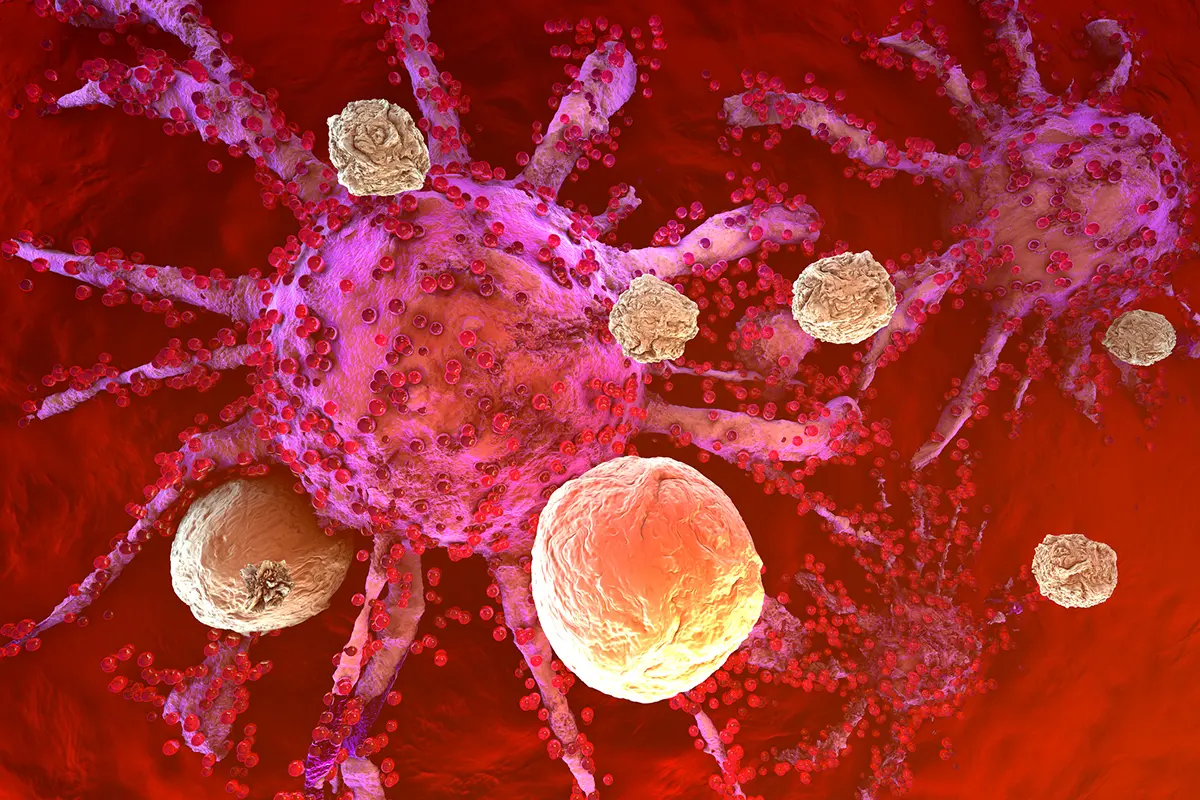
The immune system functions as a sophisticated internal security force distributed throughout the body. It relies on a communication network involving white blood cells, the lymphatic system, and specialized proteins to identify and eliminate threats. When a pathogen enters the body, the immune system triggers a series of chemical signals that recruit defensive cells to the site of infection.
This process is divided into two primary lines of defense: the innate and adaptive systems. The innate system provides immediate, non-specific protection, acting as a first responder to any foreign material. The adaptive system is more specialized, developing a "memory" of specific pathogens encountered previously. This allows the body to recognize and react more effectively if the same invader attempts to infect the system again.
- White blood cells (leukocytes) circulate through the bloodstream to hunt for pathogens.
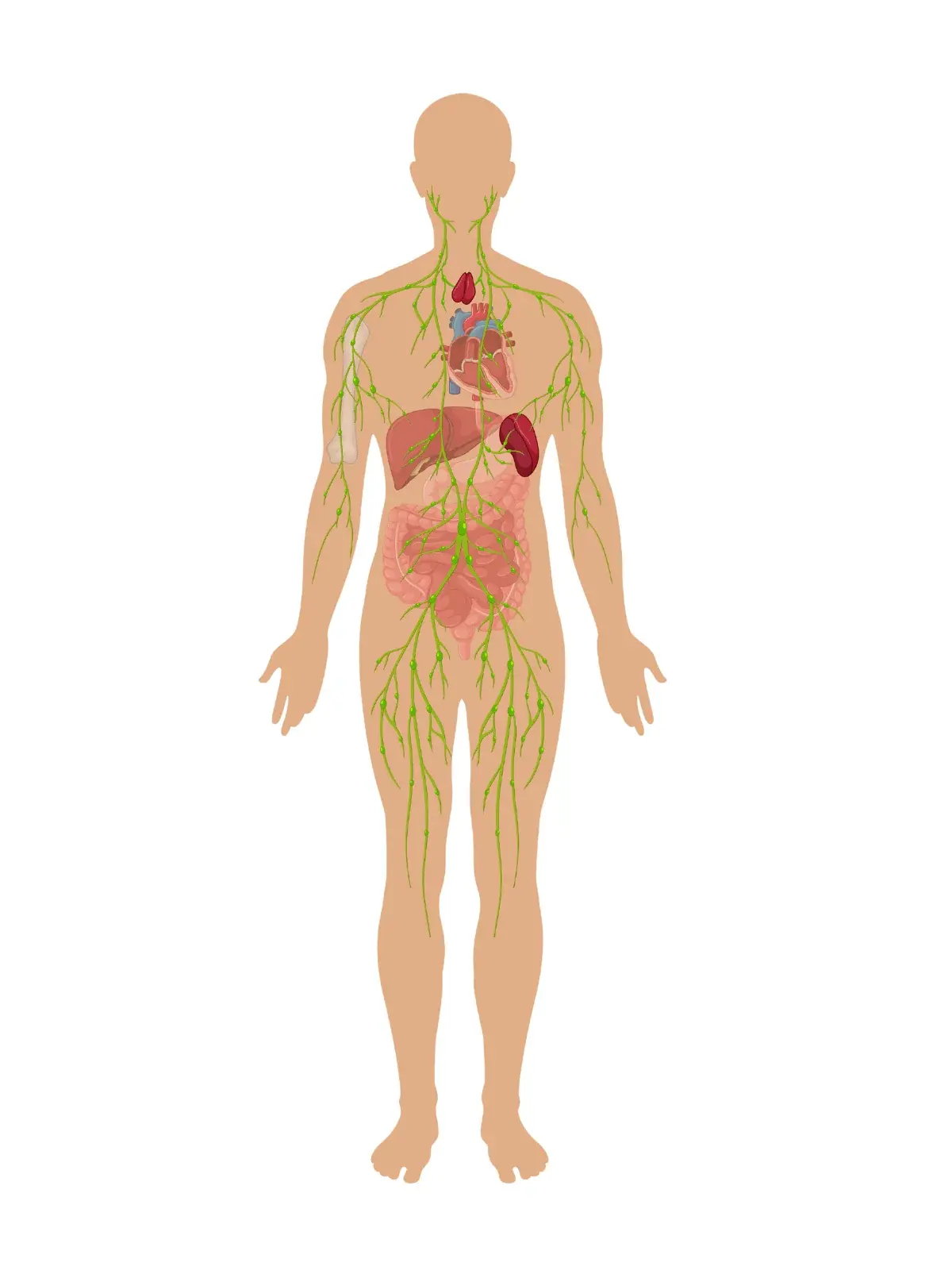
- The lymphatic system acts as a drainage network, filtering fluid and housing immune cells.
- The spleen and bone marrow serve as production and storage hubs for these defensive cells.
Why does the immune system get weak?
A weakened immune system, or immunodeficiency, occurs when the body’s ability to defend itself is compromised. This can be caused by chronic stress, poor nutrition, or underlying health conditions like diabetes or HIV. When the body is consistently under duress, it diverts resources away from immune maintenance, leaving the system vulnerable to opportunistic infections that a healthy body would typically repel.
Lifestyle factors play a significant role in determining the strength of your immune response. Lack of sleep is a primary culprit, as the body performs critical repair work and protein synthesis during deep rest. Similarly, a diet lacking in essential vitamins—such as C, D, and zinc—can hinder the production and activity of white blood cells. Environmental toxins and prolonged exposure to certain medications can also suppress immune function over time.
- Prioritize seven to nine hours of quality sleep to allow for cellular recovery.
- Maintain a balanced diet rich in antioxidants and lean proteins.
- Manage chronic stress through regular exercise or mindfulness techniques.
- Stay updated on recommended vaccinations to train the adaptive immune system.
What are common signs of an immune response?
When your immune system is actively fighting an infection, you often experience symptoms that are actually signs of the body’s defensive strategy. Fever is one of the most common indicators; by raising the body's internal temperature, the immune system creates an environment where many bacteria and viruses struggle to survive or replicate. This heat also accelerates the metabolic activity of immune cells, making them more efficient.
Inflammation is another hallmark of an active immune system. When tissues are damaged or invaded, the body releases chemicals that increase blood flow to the area, resulting in redness, swelling, and warmth. While uncomfortable, this process brings necessary white blood cells and healing nutrients to the site of injury. Other common responses include the production of mucus to trap pathogens and the activation of lymph nodes, which swell as they work to filter out debris.
- Fever: Increases body temperature to inhibit pathogen growth.
- Inflammation: Increases blood flow to deliver defensive cells to the site of infection.
- Swollen lymph nodes: Indicates that immune cells are proliferating to fight an active threat.
- Fatigue: Signals that the body is diverting energy toward immune defense.
Common mistakes when trying to boost immunity
A frequent error is the belief that "boosting" the immune system is a simple matter of taking high-dose supplements. In reality, the goal should be to support the system rather than overstimulate it, as an overactive immune system can lead to autoimmune reactions where the body mistakenly attacks its own healthy tissues. Relying solely on pills instead of a balanced lifestyle often leads to a false sense of security.
Another common mistake is neglecting gut health, which is home to approximately 70% of the body’s immune cells. Consuming excessive processed sugars or failing to include fiber-rich foods can disrupt the microbiome, which is essential for training the immune system to distinguish between harmless substances and dangerous threats. Additionally, many people ignore the importance of hydration, which is necessary for the production of lymph, the fluid that carries immune cells throughout the body.
- Avoid megadosing on vitamins without medical guidance, as this can cause toxicity.
- Do not ignore persistent symptoms, as these may indicate an immune system that is struggling.
- Refrain from using antibiotics for viral infections, as they do not kill viruses and can disrupt gut flora.
How long does it take to strengthen the immune system?
Building a robust immune system is not an overnight process but rather the result of consistent, long-term healthy habits. While acute changes like hydration or a single nutritious meal provide immediate benefits, the maturation of immune cells and the development of immunological memory take weeks or months. For instance, the adaptive immune response requires time to "learn" the structure of a new pathogen and produce specific antibodies.
If you are recovering from a period of illness or significant stress, give your body at least four to six weeks of consistent self-care to see a measurable difference in your resilience. During this time, focus on incremental improvements rather than radical changes that are difficult to sustain. By maintaining a stable environment for your immune system to function, you provide the necessary foundation for it to protect your health effectively for years to come.
Key facts
- The immune system is a complex network of cells, tissues, and organs that work together to defend the body against invaders like bacteria, viruses, and parasites.
- White blood cells, specifically lymphocytes like T cells and B cells, act as the primary soldiers that identify and eliminate pathogens.
- Your skin serves as the body’s first line of physical defense, acting as a waterproof barrier that prevents most germs from entering the bloodstream.
- Vaccines work by training your immune system to recognize a specific pathogen, allowing it to mount a faster and stronger defense if you are exposed later.
- Chronic stress and lack of sleep can suppress immune function, making it harder for your body to fight off infections effectively.
- A balanced diet rich in vitamins C, D, and zinc supports immune health, but taking excessive supplements without a deficiency can be counterproductive.
The bottom line
The immune system is your body’s sophisticated internal security force, constantly monitoring for threats to maintain your health. By protecting yourself through hygiene, vaccinations, and healthy lifestyle choices, you provide the necessary resources for this system to function optimally. While you cannot artificially enhance its power, supporting its natural processes ensures that you remain resilient against the constant barrage of pathogens encountered in daily life.
People also ask
How does the immune system distinguish between "self" and "foreign" cells?
Every cell in your body carries unique surface proteins called antigens that act as identification tags. The immune system recognizes these as "self" and ignores them, while attacking any cells that display foreign antigens.
What happens when the immune system overreacts?
An overactive immune system can lead to allergies, where the body attacks harmless substances like pollen or peanuts. In more severe cases, it can trigger autoimmune diseases, where the body mistakenly attacks its own healthy tissues.
Can you actually "boost" your immune system?
You cannot boost the immune system in the way you might increase a car's speed, as an overactive system is dangerous. Instead, you should aim to support it by maintaining healthy habits like regular exercise and proper nutrition.
Why do we get a fever when we are sick?
A fever is a deliberate defense mechanism where the body raises its temperature to create an environment that is hostile to bacteria and viruses. This heat also speeds up the production of white blood cells to fight the infection.
What is the difference between innate and adaptive immunity?
Innate immunity is the general, immediate defense you are born with, such as skin and inflammation. Adaptive immunity is the specialized defense that develops over time as your body learns to recognize and remember specific germs.
How do antibodies work?
Antibodies are Y-shaped proteins produced by B cells that lock onto specific antigens on a pathogen's surface. Once attached, they neutralize the invader or mark it so that other immune cells can easily find and destroy it.
This answer was created with the help of AI research tools and reference sources. Spotted an error? Let us know — we correct mistakes quickly. See our editorial policy.