Why do we stretch in the morning?
Short answer
We stretch in the morning, a process known as pandiculation, to counteract muscle stiffness accumulated during sleep. Stretching increases blood flow, lubricates joints with synovial fluid, and resets the nervous system. This involuntary physical response helps transition the body from a dormant state to full alertness while improving range of motion.

On this page
Why does morning stiffness happen?
During sleep, the body enters a state of relative inactivity for several hours. Muscles remain in a relaxed, shortened position, and the production of synovial fluid—the lubricant that keeps joints moving smoothly—slows down significantly. As a result, the connective tissues, or fascia, can feel tight or "glued" together when you first wake up.
Furthermore, the body’s core temperature drops during the night, which increases the viscosity of the fluids surrounding your muscles and joints. This physiological cooling makes tissues less pliable. When you wake up, your brain sends signals to the muscles to contract and lengthen, which helps warm the body, stimulates circulation, and prepares your musculoskeletal system for the demands of the upcoming day.
How to stretch safely in bed
You can begin your morning mobility routine before your feet even touch the floor. Gentle movements help wake up the nervous system without placing excessive strain on cold, unconditioned muscles. Focus on slow, controlled motions rather than aggressive pulling or bouncing, which can lead to micro-tears in the muscle fibers.
- Reach your arms overhead and point your toes to create a full-body elongation.
- Gently draw one knee toward your chest and hold for ten seconds to release the lower back.
- Perform a light spinal twist by dropping your knees to one side while keeping your shoulders flat.
- Rotate your wrists and ankles in circular motions to lubricate the distal joints.

What are the benefits of morning stretching?
Regular morning stretching offers cumulative benefits that extend beyond simple comfort. By increasing blood flow to the muscles and brain, you effectively reduce the "sleep inertia" that often leaves people feeling groggy. This practice also improves posture by lengthening muscles that may have tightened due to poor sleeping positions, such as curling into a fetal position.
Beyond physical perks, stretching serves as a mindfulness exercise. Taking two minutes to focus on your breath and your body’s sensations can lower cortisol levels, the hormone associated with stress. This creates a psychological buffer against the pressures of the day, helping you feel more centered and prepared for your morning tasks.
Common mistakes when stretching
Many people approach morning stretching with too much intensity, treating it like a high-performance athletic warm-up. Attempting to force a deep stretch while your muscles are still cold is a primary cause of strain. Instead, treat this time as a gentle transition. Avoid holding your breath, as this triggers the body's fight-or-flight response, which causes muscles to tighten rather than relax.
- Bouncing during a stretch, which triggers the stretch reflex and causes muscles to contract.
- Holding stretches for too long, which can lead to overstretching ligaments.
- Ignoring pain signals, which are your body's way of indicating a potential injury.
- Focusing only on one muscle group while ignoring the rest of the body.
Best morning stretches for beginners
For those looking to build a consistent routine, prioritize movements that engage the spine and major muscle groups. A balanced routine should take no longer than five minutes. If you have chronic neck or back pain, consult a physical therapist before starting, as some stretches may exacerbate specific conditions. Consistency is far more important than the depth of your reach.
- Neck rolls: Slowly drop your chin to your chest and roll your head from side to side to release tension.
- Cat-cow stretch: On your hands and knees, alternate between arching and rounding your back to mobilize the vertebrae.
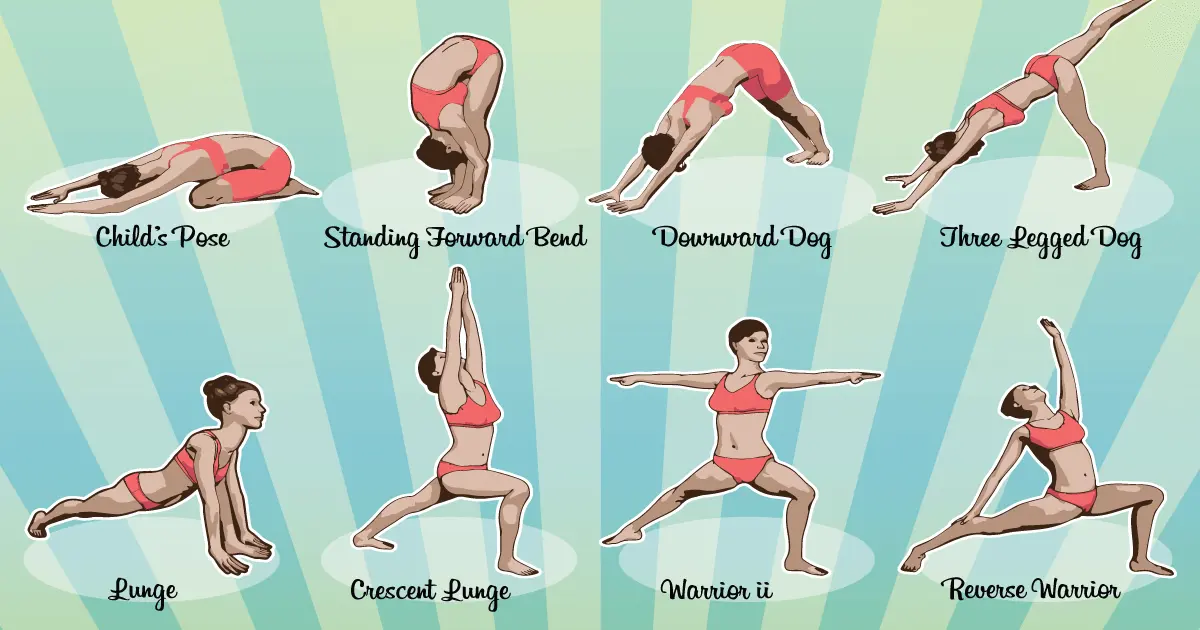
- Child’s pose: Kneel on the floor, sit back on your heels, and reach your arms forward to elongate the entire spine.
- Standing side reach: Stand tall and reach one arm over your head to stretch the intercostal muscles between your ribs.
By incorporating these simple, low-impact movements into your daily schedule, you provide your body with the necessary tools to function efficiently from the moment you rise. This ritual acts as a biological reset button, ensuring that your muscles are primed for movement and your joints remain healthy throughout your life.
Key facts
- Morning stretching is scientifically known as pandiculation, an instinctive behavior shared by most vertebrates.
- During REM sleep, your muscles experience temporary paralysis, leading to stiffness that stretching helps reverse.
- Stretching increases blood flow to muscles and joints, delivering oxygen and nutrients to tissues after hours of inactivity.
- A morning routine should focus on gentle movements for 5 to 10 minutes to safely wake up your nervous system.
- Avoid ballistic or "bouncing" stretches, as these can cause micro-tears in cold, tight muscle fibers.
- Focus on deep, rhythmic breathing while stretching to signal your parasympathetic nervous system to reduce cortisol levels.
The bottom line
Morning stretching is a vital biological response that helps transition your body from the immobility of sleep to the demands of the day. By gently lengthening your muscles, you improve circulation, reduce stiffness, and prepare your nervous system for movement. Incorporating a short, mindful stretching routine into your wake-up process is a simple, effective way to enhance your physical comfort and long-term joint health.
People also ask
Is it better to stretch before or after getting out of bed?
Stretching while still in bed is ideal because it allows you to gradually increase your range of motion before putting weight on your joints. It helps transition your body from a state of rest to activity without sudden strain.
Can morning stretching help with chronic back pain?
Yes, gentle morning stretches can alleviate stiffness in the lumbar spine that often accumulates overnight. Consistent, low-impact movements help maintain spinal flexibility and reduce the risk of injury during daily tasks.
Should I stretch if I feel sharp pain?
No, you should never push through sharp or stabbing pain during a stretch. If you feel discomfort, ease back immediately, as this is a sign that you are overextending your muscles or tendons.
How long should I hold each morning stretch?
Aim to hold each position for 15 to 30 seconds to allow the muscle fibers to relax and lengthen effectively. Holding for less time may not provide the full benefit of increased flexibility.
Does stretching help wake up the brain?
Stretching stimulates the nervous system and increases blood circulation, which helps reduce feelings of sleepiness. This physical activation provides a natural boost to your alertness and mental clarity for the day ahead.
Can I stretch too much in the morning?
It is possible to overstretch, especially when your muscles are cold and less pliable. Focus on gentle tension rather than maximum intensity to prevent strain or joint instability.
This answer was created with the help of AI research tools and reference sources. Spotted an error? Let us know — we correct mistakes quickly. See our editorial policy.