Who was Sir John A. Macdonald?
Short answer
Sir John A. Macdonald was the primary architect of Canadian Confederation and served as the first Prime Minister of Canada. A skilled lawyer and politician, he led the Conservative Party for decades, oversaw the expansion of the country from sea to sea, and established the national railway system that unified the nation.
On this page
Who was Sir John A. Macdonald?
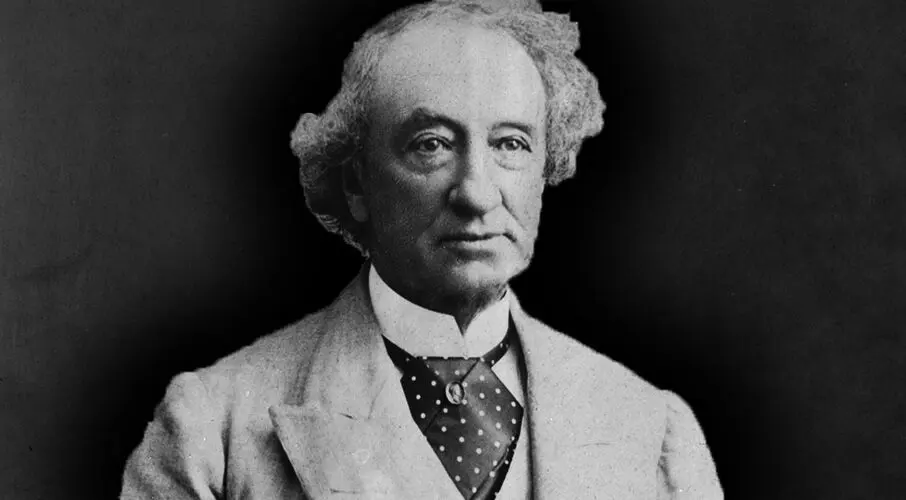
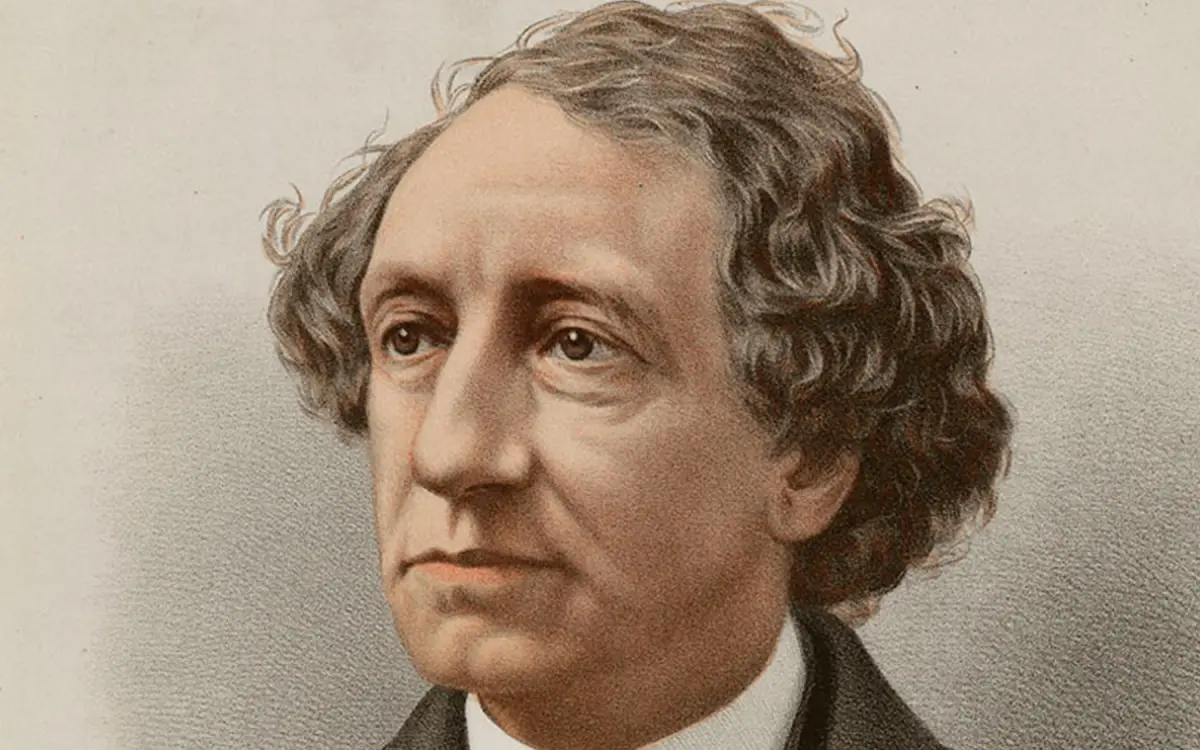
Born in Glasgow, Scotland, in 1815, John Alexander Macdonald immigrated to Upper Canada as a child. He settled in Kingston, where he established a successful legal practice before entering politics in 1844. Macdonald was a central figure in the mid-19th-century movement to unite the British North American colonies into a single, self-governing dominion.
His political career was defined by his pragmatic approach to governance and his ability to build coalitions among diverse interests. As a founding father, he played a critical role in the Charlottetown and Quebec Conferences of 1864, which laid the groundwork for the British North America Act of 1867. This legislation officially created the Dominion of Canada, with Macdonald serving as its inaugural leader.
What were his biggest accomplishments?
Macdonald’s tenure as Prime Minister was marked by ambitious nation-building projects designed to secure Canada's sovereignty against American expansionism. His most significant achievement was the construction of the Canadian Pacific Railway, a transcontinental line that physically connected the disparate provinces and territories. This infrastructure project was essential for fulfilling the promises made to British Columbia upon its entry into Confederation.
Beyond transportation, Macdonald focused on economic and territorial integration through several key initiatives:
- The National Policy, which implemented high tariffs to protect Canadian manufacturing from foreign competition.
- The acquisition of Rupert’s Land and the North-Western Territory from the Hudson’s Bay Company.
- The creation of the North-West Mounted Police to establish law and order in the newly acquired western territories.
- The negotiation of treaties that expanded the reach of the federal government across the vast northern landscape.
Why is his legacy controversial?
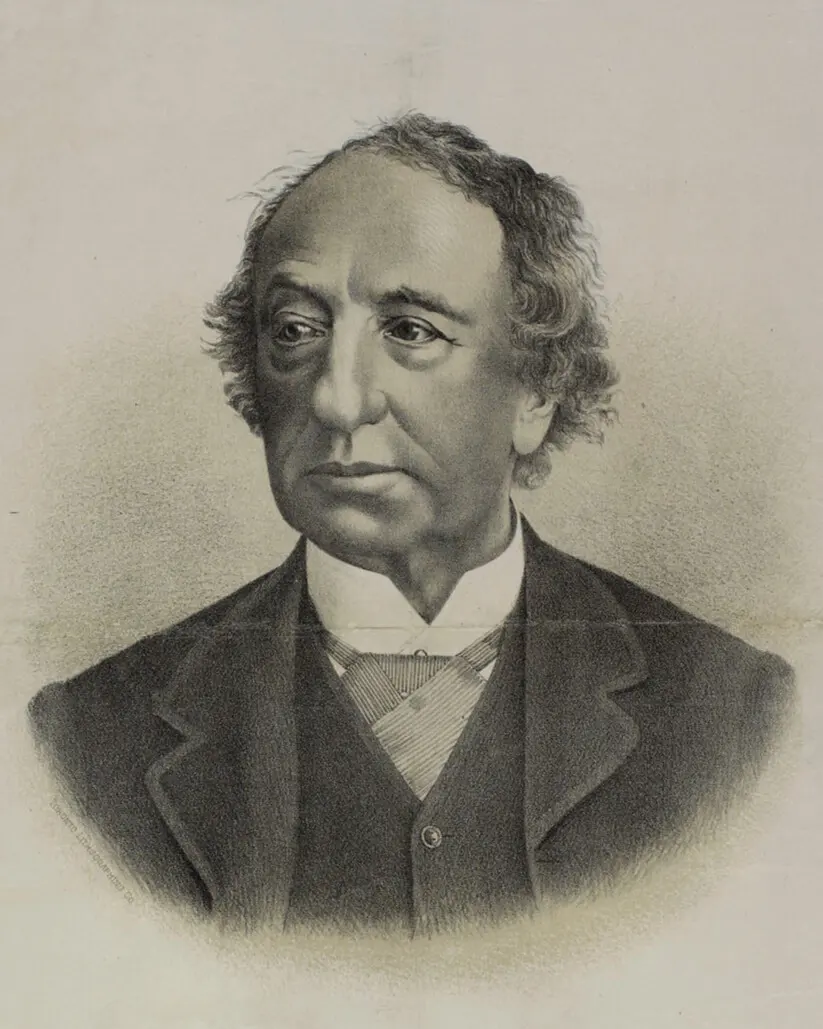
While Macdonald is celebrated for his role in founding Canada, his legacy is deeply complicated by his policies regarding Indigenous peoples. His administration implemented the Indian Act, which aimed to assimilate First Nations people into European-Canadian society. This policy framework facilitated the establishment of the residential school system, which caused profound and lasting trauma for generations of Indigenous children and families.
Modern historians and the public often debate how to memorialize a leader who founded the country while simultaneously overseeing systemic cultural suppression. Critics point to his role in the execution of Louis Riel following the North-West Resistance of 1885 as a pivotal moment that alienated French-speaking Canadians and deepened regional divisions. These actions remain central to contemporary discussions regarding reconciliation and the historical interpretation of Canadian state-building.
How to study his political career
To gain a balanced understanding of Macdonald's life, students should approach his career through a multi-faceted lens. It is helpful to analyze both his legislative successes and the social costs of his governance. When researching his impact, follow these steps to ensure a comprehensive perspective:
- Review the primary documents from the 1867 Confederation debates to understand the initial goals of the Dominion.
- Read contemporary biographies that contrast his political genius with the harsh realities of his policies toward Indigenous populations.
- Examine the economic data associated with the National Policy to see how it influenced the industrialization of central Canada.
- Compare his leadership style with that of his contemporaries, such as George Brown and Wilfrid Laurier, to see how political discourse evolved in the 19th century.
Common mistakes when evaluating Macdonald
A frequent error is viewing Macdonald solely as a hero or solely as a villain. Historical figures are products of their time, and simplifying his life into a binary narrative often ignores the complexities of the political pressures he faced. Avoid assuming that his 19th-century decisions were made with the same social awareness or ethical frameworks that exist in the 21st century.
Another mistake is ignoring the regional tensions that defined his era. Macdonald had to balance the interests of Ontario and Quebec while managing the concerns of the Maritime provinces and the expanding West. Failing to account for these competing regional demands leads to a misunderstanding of why he made certain compromises. By focusing on the specific political, economic, and social constraints of his time, you can develop a more nuanced and accurate assessment of his enduring impact on the Canadian state.
Key facts
- Sir John A. Macdonald was the primary architect of Canadian Confederation and served as the country's first prime minister from 1867 to 1873 and again from 1878 to 1891.
- He was born in Glasgow, Scotland, on January 11, 1815, and immigrated to Kingston, Upper Canada, with his family when he was five years old.
- Macdonald played a decisive role in the construction of the Canadian Pacific Railway, which physically linked the country from the Atlantic to the Pacific.
- He was a central figure in the creation of the North-West Mounted Police in 1873, the predecessor to the modern Royal Canadian Mounted Police.
- A common historical critique to avoid is ignoring his implementation of the Indian Act and the residential school system, which caused profound, lasting harm to Indigenous peoples.
- When researching his life, distinguish between his political achievements in nation-building and the controversial policies that marginalized minority groups during his tenure.
The bottom line
Sir John A. Macdonald remains a pivotal, albeit controversial, figure in Canadian history. As the nation's founding prime minister, he successfully navigated the complex negotiations required to unite diverse provinces into a single country. However, his legacy is inseparable from the devastating impact of his policies on Indigenous communities. Understanding Macdonald requires balancing his role as a nation-builder with the significant moral failures of his administration.
People also ask
What was the National Policy introduced by Macdonald?
The National Policy was an economic program implemented in 1879 that featured high protective tariffs to encourage Canadian domestic manufacturing. It also prioritized the completion of the transcontinental railway and promoted Western settlement through immigration.
How did Macdonald die?
Macdonald suffered a stroke in May 1891 shortly after winning a federal election. He passed away in Ottawa on June 6, 1891, while still serving as prime minister.
Was Macdonald involved in the Pacific Scandal?
Yes, he was forced to resign in 1873 after it was revealed his government accepted campaign funds from businessmen seeking the contract to build the Canadian Pacific Railway. He successfully returned to power five years later.
What is Macdonald’s legacy regarding Indigenous relations?
His legacy is deeply polarized due to his government’s role in establishing the residential school system and enforcing policies that led to the starvation and displacement of Indigenous populations. These actions are now recognized as foundational to the systemic injustices faced by Indigenous peoples in Canada today.
How many terms did Macdonald serve as prime minister?
He served two distinct periods as prime minister, totaling nearly 19 years in office. His first term lasted from 1867 to 1873, and his second term lasted from 1878 until his death in 1891.
Where can I visit sites related to his life?
Bellevue House in Kingston, Ontario, is a National Historic Site where Macdonald lived during the 1840s. It is maintained by Parks Canada and offers insights into his early legal career and personal life.
This answer was created with the help of AI research tools and reference sources. Spotted an error? Let us know — we correct mistakes quickly. See our editorial policy.