Who invented the yo-yo?
Short answer
The yo-yo has no single inventor; it evolved from ancient toys used across diverse cultures over thousands of years. While its exact origins remain obscure, archaeological evidence suggests it existed in Greece by 500 BCE. Pedro Flores later popularized the modern version in the United States during the late 1920s.
On this page
Where did the yo-yo originate?
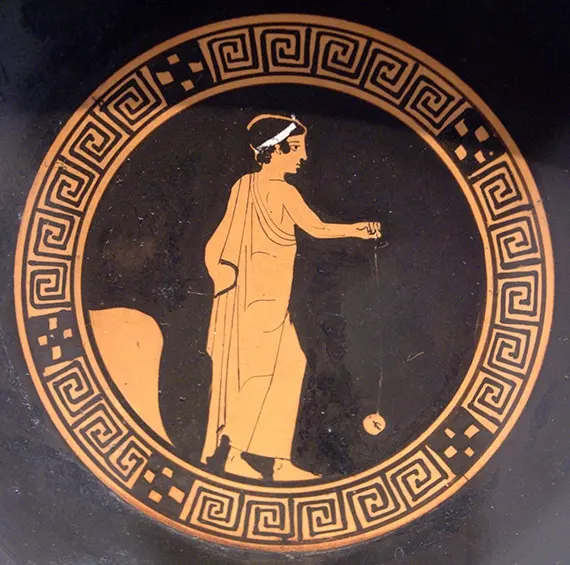
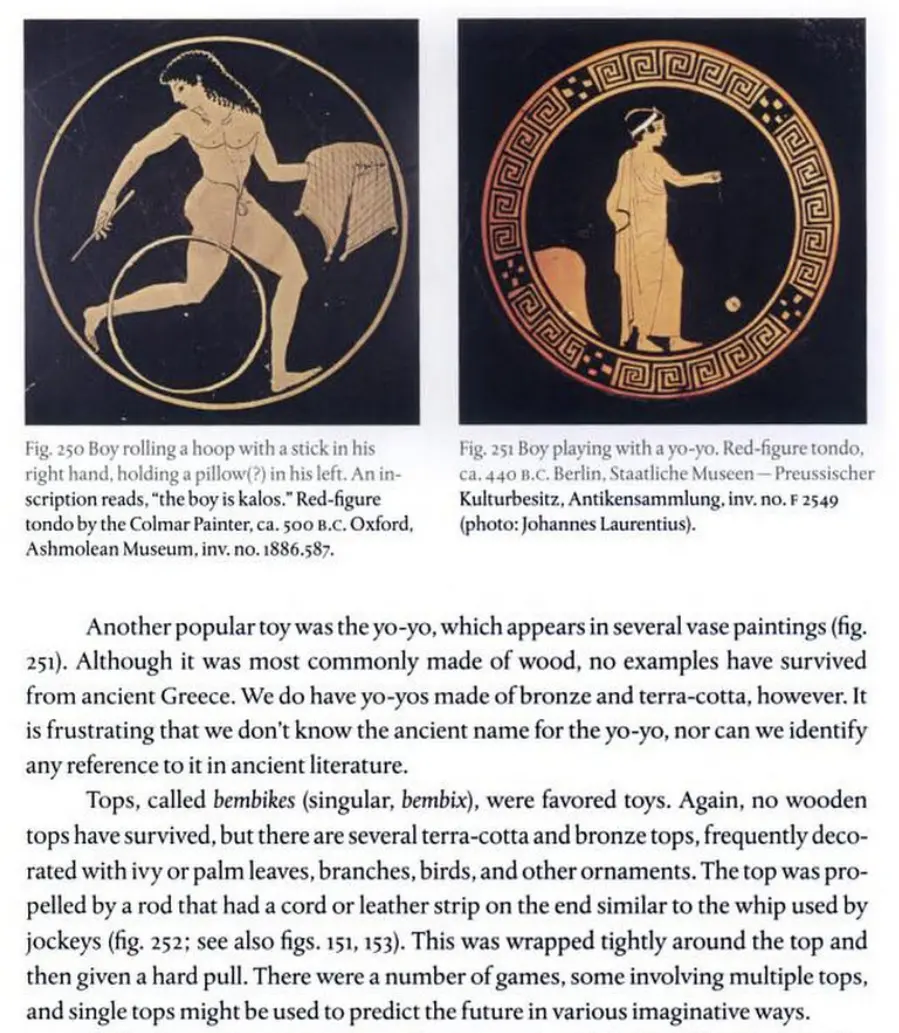
Historical evidence indicates that the yo-yo is one of the oldest known toys in human history. Terra-cotta discs dating back to 500 BCE have been discovered in Greece, depicting children playing with objects that function exactly like modern yo-yos. These early versions were typically crafted from wood, metal, or painted terra-cotta.
Beyond Greece, historians have identified similar artifacts in ancient China and the Philippines. Some theories suggest that the device may have originated as a hunting tool, though most experts categorize it primarily as a leisure object. Because the design is mechanically simple—relying on gravity and momentum—it likely emerged independently in various regions across the globe rather than spreading from one specific point of origin.
How did the yo-yo become popular?
The modern commercial yo-yo industry began in the 1920s thanks to Pedro Flores, a Filipino immigrant living in California. Flores opened a small factory in Santa Barbara to manufacture toys based on a traditional design from his homeland. His marketing strategy focused on holding local contests, which created a massive craze among American youth.
In 1928, entrepreneur Donald Duncan purchased the Flores Yo-Yo Company and expanded its reach significantly. Duncan utilized the growing power of radio advertising and organized national tours to demonstrate professional tricks. This aggressive marketing transformed the yo-yo from a regional hobby into a global cultural phenomenon. By the 1960s, the toy had become a staple in households worldwide, securing its place in the history of recreational play.
How to perform a basic throw
Mastering the yo-yo requires understanding the "sleeper" technique, which allows the toy to spin at the end of the string before returning to the hand. Follow these steps to execute a clean throw:
- Place your middle finger in the slipknot of the string, ensuring it is tightened securely near the first knuckle.
- Hold the yo-yo in your palm with your palm facing upward, then flip your wrist forward as if you are throwing a ball.
- Keep your arm steady and allow the yo-yo to unwind completely while maintaining a light tension on the string.
- Give the string a gentle upward tug once the yo-yo reaches the bottom of its descent to engage the axle mechanism.
Practice this motion repeatedly until you can release the yo-yo with enough force to keep it spinning steadily. Consistent tension is the key to a successful return.
Common mistakes when using a yo-yo
Many beginners struggle with the yo-yo because of improper string maintenance or poor technique. One frequent error is failing to wind the string tightly enough, which causes the yo-yo to wobble or lose energy prematurely. Always ensure the string is wrapped neatly around the axle to prevent tangles that can damage the internal mechanism.
Another common mistake involves the "tug" motion used to return the toy. Beginners often jerk the string too violently, which can cause the yo-yo to snap back toward the hand unpredictably or hit the floor. Instead, focus on a quick, sharp flick of the wrist. Additionally, avoid using cheap, frayed strings, as they create excessive friction and prevent smooth operation. Regularly inspect your string for wear and replace it if you notice any thinning or loose fibers.
Best yo-yo types for beginners
When starting out, choosing the right equipment is essential for learning fundamental tricks. Modern yo-yos are categorized by their response systems and weight distribution, which significantly affect how they handle during play. Consider these three types for your first purchase:
- Fixed-Axle Yo-yos: These use a traditional wooden or plastic axle that is permanently attached to the body, making them perfect for learning basic loops.
- Responsive Ball-Bearing Yo-yos: These contain a bearing that allows for longer spin times while still returning to the hand with a simple tug.
- Unresponsive Yo-yos: Designed for advanced players, these require a "bind" trick to return to the hand and are not recommended for absolute beginners.
Focusing on a responsive ball-bearing model will provide the best balance of ease and performance. As you progress, you can experiment with different shapes and materials to find the style that best suits your personal throwing technique and rhythm.
Key facts
- The yo-yo is one of the world's oldest toys, with origins dating back to ancient Greece around 500 BCE.
- Archaeological evidence includes Greek vases depicting youths playing with terracotta disks attached to string.
- Pedro Flores, a Filipino immigrant, opened the first yo-yo factory in the United States in 1928.
- Entrepreneur Donald Duncan popularized the toy in the 1930s by organizing national yo-yo contests and demonstrations.
- To perform a basic throw, ensure the string loop is tight around your middle finger and palm-up before releasing.
- Avoid "sleeping" the yo-yo too long if it is not ball-bearing equipped, as friction will prevent it from returning.
The bottom line
While no single person can be credited with inventing the yo-yo, it evolved from an ancient Greek pastime into a global cultural phenomenon through the marketing genius of the 20th century. By combining historical longevity with mass-production techniques, the toy transitioned from simple wooden disks to precision-engineered instruments. Whether for casual play or professional competition, the yo-yo remains a fascinating study in physics and skill.
People also ask
What is the difference between a responsive and unresponsive yo-yo?
A responsive yo-yo returns to your hand with a simple tug on the string. An unresponsive yo-yo requires a special trick called a "bind" to return, allowing it to spin freely for longer periods.
What materials were early yo-yos made from?
Ancient yo-yos were typically crafted from wood, metal, or painted terracotta clay. Modern versions predominantly use high-grade plastics, aluminum alloys, or polycarbonate for better balance and durability.
How do I properly wind the string onto the yo-yo?
Always wind the string in the direction that allows the yo-yo to spin naturally when thrown. If the string is wound incorrectly, the yo-yo will fail to "sleep" and may snap back prematurely.
Why does my yo-yo keep hitting the ground instead of returning?
This usually happens because the string is too loose or the yo-yo lacks enough rotational energy. Ensure your throw is firm and straight to maintain the momentum needed for the return mechanism to engage.
Are there professional yo-yo competitions today?
Yes, the World Yo-Yo Contest is held annually, featuring complex freestyle routines set to music. Competitors are judged on technical execution, showmanship, and the difficulty of their string tricks.
How often should I replace the yo-yo string?
Replace the string every few hours of play or whenever it begins to fray. A worn string can snap during a trick, potentially damaging the yo-yo or causing injury to the user.
This answer was created with the help of AI research tools and reference sources. Spotted an error? Let us know — we correct mistakes quickly. See our editorial policy.