Who invented the skateboard?
Short answer
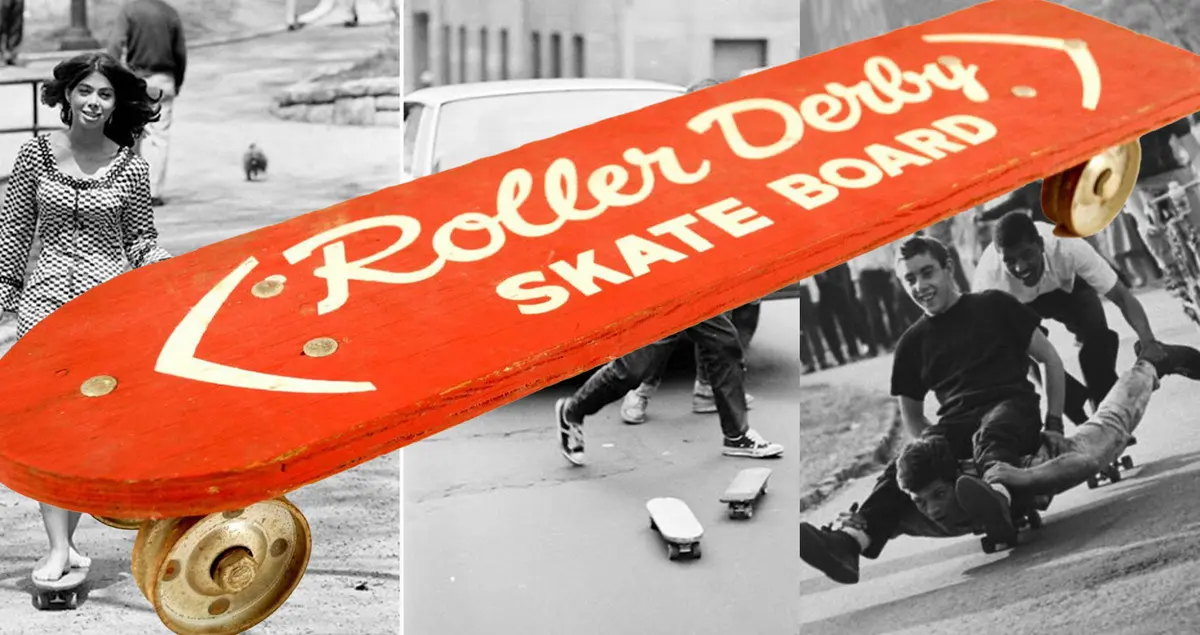
The skateboard was not invented by a single individual but evolved in the 1950s from "sidewalk surfing." Surfers in California attached roller skate wheels to wooden crates or boards to practice their maneuvers on land. This grassroots innovation emerged simultaneously across coastal communities, eventually transitioning from makeshift toys into manufactured sporting equipment.
On this page
Who actually invented the skateboard?
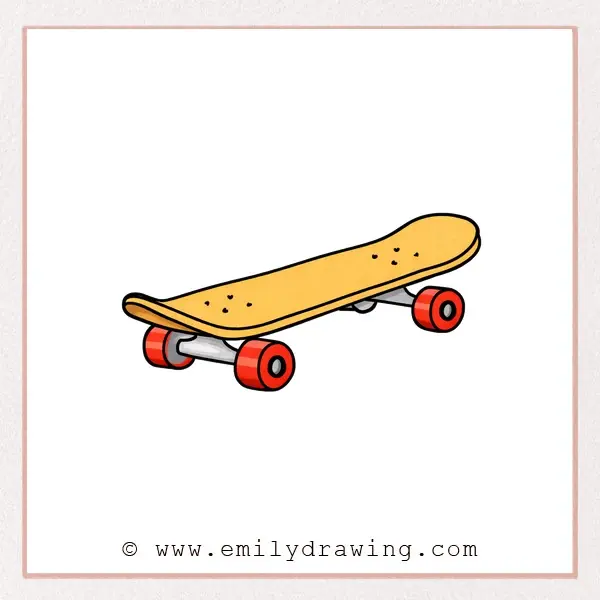
The origins of the skateboard are rooted in the surf culture of the 1950s. Rather than a solitary invention, it was a collective evolution driven by surfers seeking a way to replicate the feeling of riding waves on asphalt when the ocean was flat. These early pioneers, often referred to as "sidewalk surfers," began by dismantling metal-wheeled roller skates and nailing them to wooden planks or small crates.
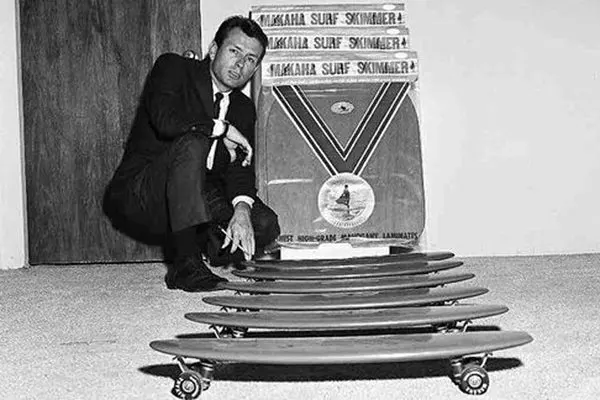
There is no single patent holder for the first skateboard because the concept was essentially a DIY experiment performed by countless anonymous teenagers. By the late 1950s, companies began to take notice of this trend. Bill Richard, a shop owner in Dana Point, California, is often credited with one of the first commercial attempts in 1958, when he asked the Makaha company to provide roller skate wheels for his surfboards. This marked the transition from homemade contraptions to mass-produced recreational items.
How did skateboards evolve over time?
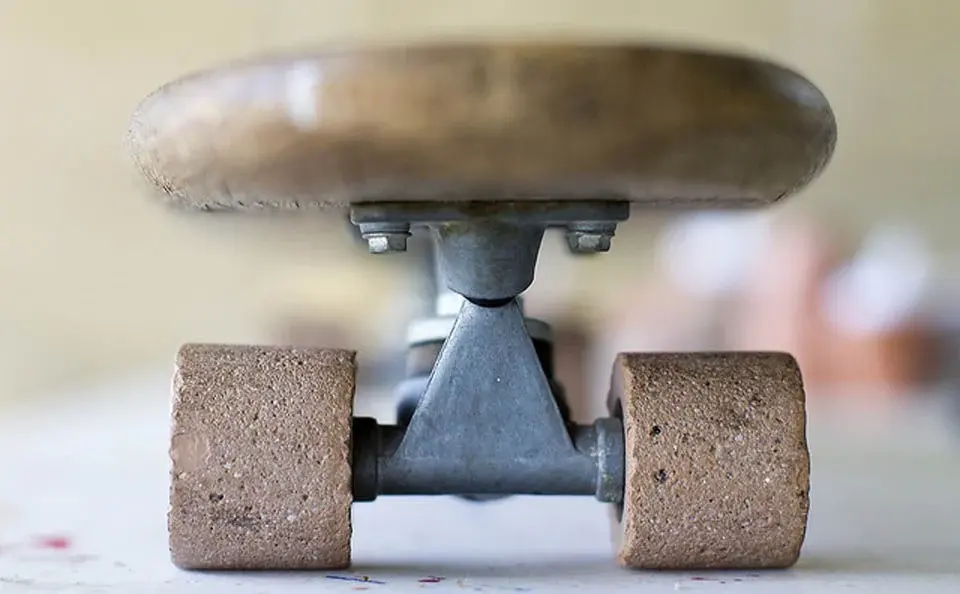
The technology behind the skateboard has undergone several radical shifts since its inception. Early boards featured heavy, crude metal or clay wheels that offered little traction and made for a jarring, dangerous ride. In the 1960s, the introduction of clay wheels improved the experience slightly, but it was not until the 1970s that the industry truly transformed.
The invention of the polyurethane wheel by Frank Nasworthy in 1972 changed everything. These wheels provided superior grip and a smoother ride, allowing skaters to perform more complex maneuvers. This innovation paved the way for the modern era of skateboarding. The evolution continued with the development of specialized decks, concave shapes, and high-performance trucks that allow for the technical tricks seen in professional competitions today.
- 1950s: Surf-inspired DIY boards using roller skate parts.
- 1960s: First commercial boards with clay wheels emerge.
- 1972: Polyurethane wheels are introduced, revolutionizing stability.
- 1980s: Wide decks and specialized shapes for ramp skating.
- 1990s-Present: Refined seven-ply maple decks and high-tech bearings.
How to choose your first skateboard
Selecting a skateboard involves matching the board’s dimensions to your body type and intended use. For beginners, a "complete" setup—a pre-assembled board—is the most practical choice. Look for a deck width between 7.75 and 8.25 inches, which provides a stable platform for learning basic balance and foot placement.
When shopping, consider the following components to ensure a quality ride:
- Deck: Seven-ply Canadian maple is the industry standard for durability.
- Trucks: Ensure the width of the trucks matches the width of the deck.
- Wheels: Softer wheels (85a-95a) are better for cruising, while harder wheels (99a-101a) are better for tricks.
- Bearings: Look for an ABEC rating of 5 or 7 for a good balance of speed and longevity.
Avoid purchasing "toy store" boards, as these often use plastic components that break easily and do not roll smoothly. Investing in a reputable brand from a dedicated skate shop will provide a much safer and more enjoyable learning experience.
Common mistakes when learning to skate
New skaters often struggle because they attempt advanced tricks before mastering the fundamentals of movement. The most common error is failing to learn how to push and turn correctly. Many beginners lean too far back, which causes the board to shoot out from under them. Always keep your weight centered over the bolts, which are the points where the trucks attach to the deck.
Another frequent mistake is neglecting safety gear. Falling is an inevitable part of the learning process, and wearing a helmet, wrist guards, and knee pads can prevent serious injuries. Furthermore, beginners often try to skate on surfaces that are too rough or cracked. Seek out smooth, flat pavement, such as a tennis court or a dedicated skate park, to practice your balance. Consistency is key, so aim for short, frequent practice sessions rather than one long, exhausting day.
- Standing with your feet too close together, which reduces stability.
- Looking down at your feet instead of looking ahead at your path.
- Attempting to "ollie" before you can comfortably ride and turn.
- Skating in high-traffic areas where cars and pedestrians create hazards.
- Ignoring the importance of foot positioning during turns.
Why skateboarding remains a popular sport
Skateboarding has transcended its origins as a niche hobby to become a global cultural phenomenon and an Olympic sport. Its appeal lies in its accessibility and the freedom it offers to the individual. Unlike team sports that require a specific number of players and a field, skateboarding requires only a board and a patch of concrete. This autonomy allows skaters to progress at their own pace and develop a unique style.
The community aspect of skateboarding also plays a massive role in its enduring popularity. Skate parks serve as social hubs where people of all backgrounds share techniques, encourage one another, and foster a sense of belonging. As the sport continues to evolve, it remains a powerful form of self-expression and physical activity. Whether you are cruising through a city or learning technical maneuvers at a park, the act of skateboarding connects you to a rich history of innovation that started with a simple wooden plank and a pair of roller skates.
Key facts
- Skateboarding emerged in the 1950s in California, created by surfers looking for a way to "surf" the pavement when the ocean was flat.
- Early skateboards were often homemade using wooden crates or planks attached to metal roller skate wheels.
- The first commercially produced skateboards appeared in 1959, sold by companies like Makaha and Hobie.
- Larry Stevenson, founder of Makaha, is credited with inventing the kicktail in the 1960s, which allowed for better maneuverability and tricks.
- Frank Nasworthy revolutionized the sport in 1972 by introducing polyurethane wheels, which provided significantly better grip and a smoother ride.
- To learn safely, always wear a helmet, knee pads, and elbow pads, and practice on flat, smooth surfaces away from traffic.
The bottom line
There is no single inventor of the skateboard, as it evolved from the collective ingenuity of 1950s California surfers. While early pioneers like Larry Stevenson advanced the design with kicktails, the sport truly flourished through iterative improvements in materials, such as polyurethane wheels. Today, skateboarding stands as a global cultural phenomenon, blending athletic skill, artistic expression, and technical innovation into a widely practiced recreational activity.
People also ask
Why did surfers invent skateboarding?
Surfers wanted to replicate the feeling of riding waves during periods of low tide or calm seas. They called the activity "sidewalk surfing" and used it to practice balance and carving maneuvers on land.
What was the primary material used for early skateboard decks?
Early decks were typically made from solid wood planks or repurposed wooden crates. These were heavy and lacked the flexibility and durability of modern laminated maple decks.
Who popularized the first professional skateboarding team?
Larry Stevenson formed the Makaha Skateboard Team in 1963 to showcase the sport's potential. This helped transition skateboarding from a casual hobby into a recognized competitive discipline.
Why were polyurethane wheels so important?
Before 1972, wheels were made of clay or metal, which offered poor traction and were easily stopped by small pebbles. Polyurethane wheels gripped the pavement, allowing riders to perform sharper turns and maintain higher speeds safely.
What is the most common mistake for beginners?
The most common mistake is failing to learn how to fall properly or neglecting safety gear. Beginners should practice "rolling out" of a fall rather than catching themselves with stiff arms, which often leads to wrist injuries.
When did skateboarding become an Olympic sport?
Skateboarding made its official debut as an Olympic sport at the 2020 Tokyo Games, held in 2021. It featured both street and park competition formats for men and women.
This answer was created with the help of AI research tools and reference sources. Spotted an error? Let us know — we correct mistakes quickly. See our editorial policy.