What do hawks eat?
Short answer
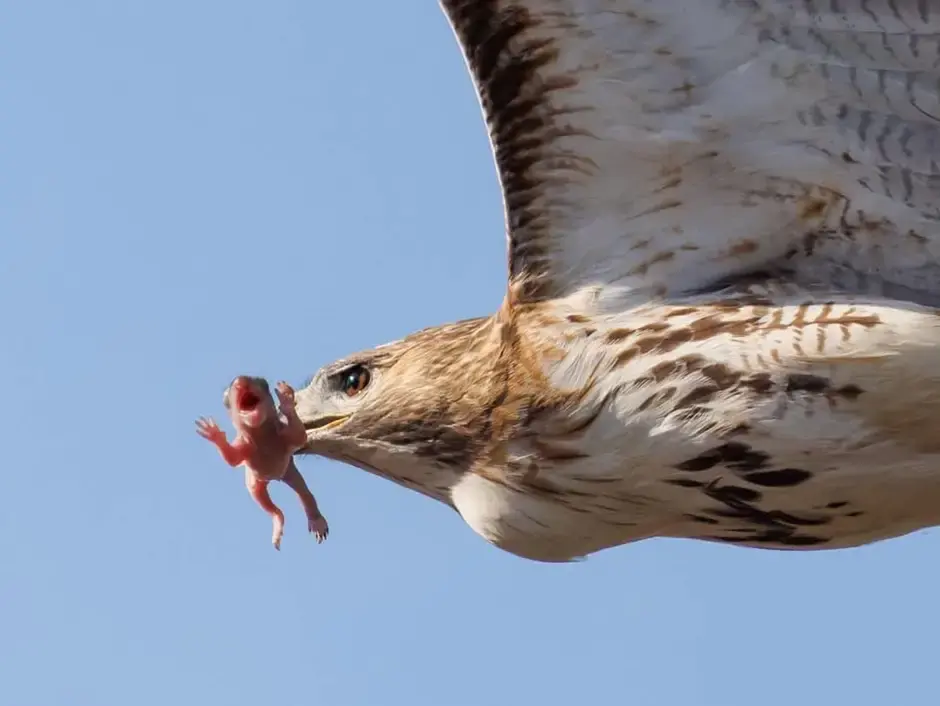
Hawks are opportunistic carnivores that consume a diverse diet of small mammals, birds, reptiles, and insects. Their specific prey depends on their species, habitat, and the season. Generally, they hunt creatures smaller than themselves, utilizing sharp talons and keen eyesight to capture, kill, and consume their meals quickly and efficiently.
On this page
What do different types of hawks eat?
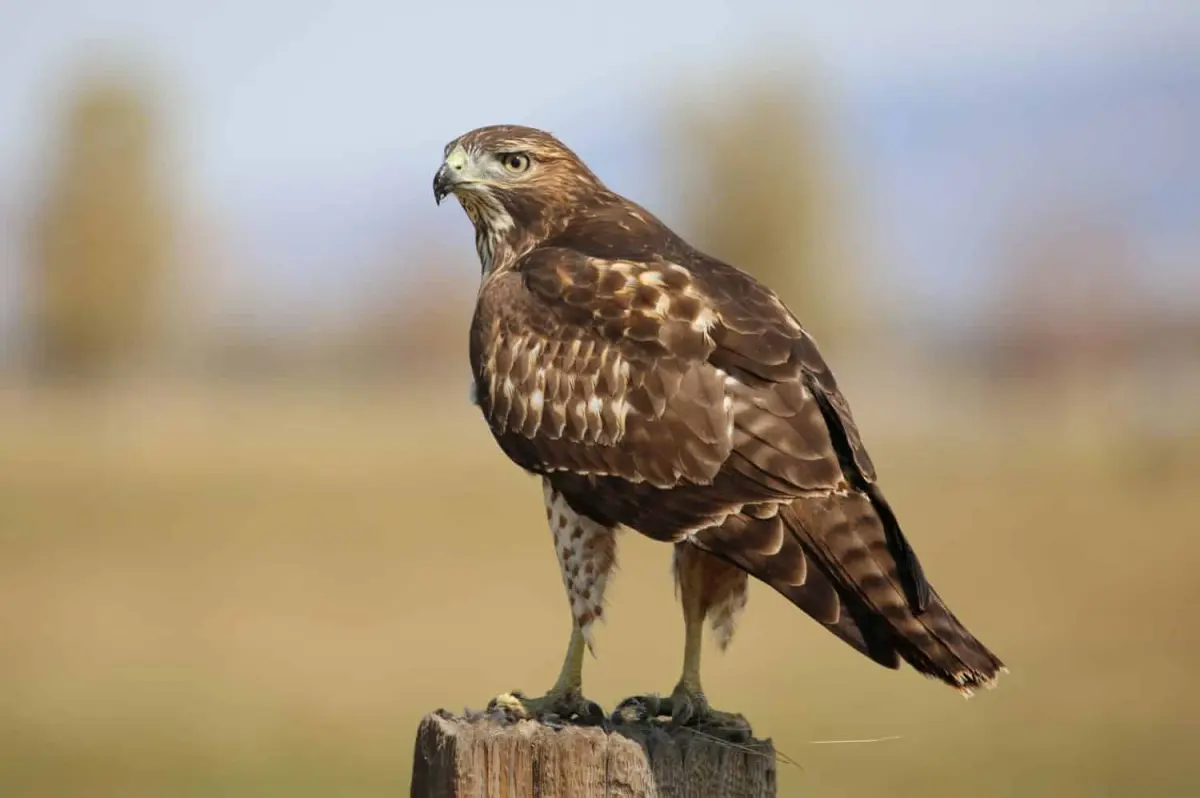
Hawks are classified into several groups, such as accipiters, buteos, and falcons, each with distinct hunting preferences. Buteos, like the Red-tailed Hawk, are bulky birds that often hunt from perches or while soaring, focusing heavily on small mammals. Their diet consists primarily of voles, mice, rabbits, and ground squirrels. Because they are broad-winged, they are well-suited for patrolling open fields where these rodents are abundant.
Accipiters, such as the Sharp-shinned Hawk and Cooper’s Hawk, are specialized hunters that navigate dense forests with agility. They primarily target other birds, ranging from small songbirds to larger species like mourning doves or northern flickers. These hawks rely on surprise attacks, using their speed to overtake prey in flight or within thick brush. While they occasionally take small mammals, their anatomy is evolved for avian predation.
- Red-tailed Hawks: Voles, mice, rabbits, and snakes.
- Cooper’s Hawks: Starlings, robins, jays, and small songbirds.
- Northern Harriers: Mostly small rodents and occasionally ground-nesting birds.
- Broad-winged Hawks: Insects, frogs, lizards, and small mammals.
How do hawks hunt and capture prey?
The hunting strategy of a hawk is a masterclass in biological efficiency, relying on exceptional visual acuity. Hawks have eyes that are significantly larger relative to their head size than human eyes, allowing them to detect movement from over a mile away. Once prey is spotted, the hawk initiates a high-speed dive or a stealthy approach, depending on the terrain. They do not use their beaks to kill; instead, they use their powerful, needle-sharp talons to pierce vital organs.
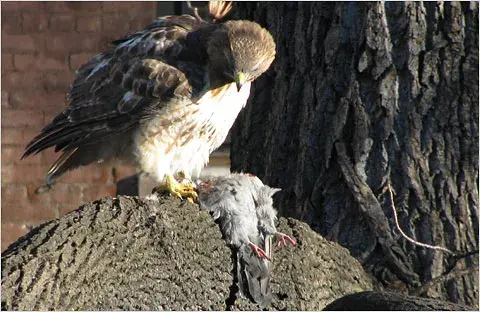
After the strike, the hawk typically relocates to a secure perch to feed. This behavior protects them from larger predators and scavengers that might attempt to steal their meal. During the feeding process, they use their hooked beaks to tear flesh into manageable pieces. Because they cannot digest bones, feathers, or fur, they later regurgitate these indigestible materials in the form of a compressed pellet.
- Scanning: The hawk perches or circles to locate potential prey movement.
- The Strike: The hawk dives, often reaching high speeds to surprise the target.
- The Capture: Talons are used to grip and immobilize the prey instantly.
- Consumption: The hawk tears the prey into pieces, leaving behind inedible parts.
Where do hawks find their food?
Hawks are highly adaptable and can be found hunting in environments ranging from deep forests to suburban backyards. Their presence in a specific area is almost always dictated by the availability of prey. In agricultural regions, hawks are often seen near harvested fields where rodents are exposed. In suburban areas, they are frequently attracted to bird feeders, which act as magnets for the smaller birds they hunt.
Water sources also play a significant role in a hawk’s hunting grounds. Wetlands and marshes are prime locations for species like the Northern Harrier or the Osprey, which specializes in fish. Even in urban centers, hawks have adapted to hunt pigeons and rats, demonstrating their role as apex predators in diverse ecosystems. They are not strictly territorial regarding food unless they are actively nesting, meaning they will follow seasonal migrations of prey across vast distances.
What are common mistakes when observing hawks?
Many well-meaning observers inadvertently interfere with a hawk’s hunting success. One common mistake is approaching a hawk that is actively feeding or perched with prey. Doing so forces the bird to abandon its meal to ensure its safety, causing it to waste valuable energy. If you spot a hawk with prey, maintain a significant distance and use binoculars or a camera lens to observe the behavior without causing stress.
Another error is assuming that hawks are "pests" because they hunt birds at backyard feeders. While it can be distressing to watch a songbird be taken, this is a natural ecological process. Attempting to discourage hawks by removing feeders or using deterrents is often ineffective and disrupts the natural balance of the local habitat. Instead, focus on providing native cover, such as dense shrubs, which allows smaller birds a natural way to escape predators without human interference.
Why do hawks eat what they eat?
The dietary choices of hawks are governed by the need for high-protein sustenance to fuel their high-metabolism lifestyles. Flight is an incredibly energy-intensive activity, and hawks must consume enough calories to maintain their body temperature and muscle function. Small mammals like mice and voles are ideal prey because they are calorie-dense and relatively easy to catch in open environments. Insects are also consumed by younger or smaller hawks, as they provide a quick source of protein with minimal risk of injury during the hunt.
Seasonal availability also dictates shifts in diet. During the winter, when insect populations decline and some bird species migrate, hawks become more reliant on mammals that remain active year-round. This flexibility is the primary reason hawks have been so successful across various global climates. By adjusting their diet based on what the environment provides, they ensure their survival throughout the year, maintaining their position as essential regulators of prey populations in every ecosystem they inhabit.
Key facts
- Hawks are obligate carnivores, meaning they must consume animal protein to survive.
- Red-tailed hawks primarily hunt small mammals like voles, mice, and rabbits.
- Sharp-shinned hawks specialize in catching small songbirds mid-flight.
- Hawks use their exceptional eyesight to spot prey from heights of up to 100 feet.
- Avoid leaving pet food outdoors, as it attracts rodents that draw hawks to residential yards.
- Never attempt to feed wild hawks by hand, as this disrupts their natural hunting behaviors.
The bottom line
Hawks are highly adaptable predators that play a vital role in controlling rodent and insect populations. By focusing on small mammals, birds, and occasionally reptiles, they maintain ecological balance within their habitats. While they are fascinating to observe, it is best to appreciate them from a distance and avoid interfering with their natural hunting patterns to ensure their long-term health and survival in the wild.
People also ask
Do hawks eat snakes?
Yes, many species, such as the red-tailed hawk and the Swainson's hawk, frequently consume snakes. They often drop the reptile from a height to stun or kill it before consuming it on the ground.
Will a hawk attack a small dog or cat?
While rare, large hawks like the red-tailed hawk may occasionally target very small pets weighing under five pounds. Owners should supervise small animals closely in areas with high hawk activity.
Do hawks eat carrion?
Some hawks, particularly the red-tailed hawk and the northern harrier, will scavenge for roadkill if live prey is scarce. They are opportunistic feeders that prioritize energy efficiency.
How much does a hawk eat in a day?
A hawk typically consumes about 10 to 15 percent of its body weight daily. This amount varies depending on the species, the ambient temperature, and the bird's activity level.
Do hawks eat insects?
Yes, smaller hawk species and juveniles often supplement their diet with large insects like grasshoppers, crickets, and beetles. These provide essential nutrients and are easier to catch than mammals.
How do hawks digest bones and fur?
Hawks cannot digest hair, feathers, or bones, so they compress these materials into a dense mass called a pellet. They regurgitate this pellet through their mouth several hours after eating.
This answer was created with the help of AI research tools and reference sources. Spotted an error? Let us know — we correct mistakes quickly. See our editorial policy.