What do rhinos eat?
Short answer
Rhinoceroses are strictly herbivorous mammals that consume a variety of plant matter depending on their specific species. While some rhinos graze primarily on grasses, others browse on leaves, twigs, and shrubs. They require massive quantities of vegetation daily to sustain their large body mass and maintain their complex digestive systems in wild habitats.
On this page
What do different rhino species eat?
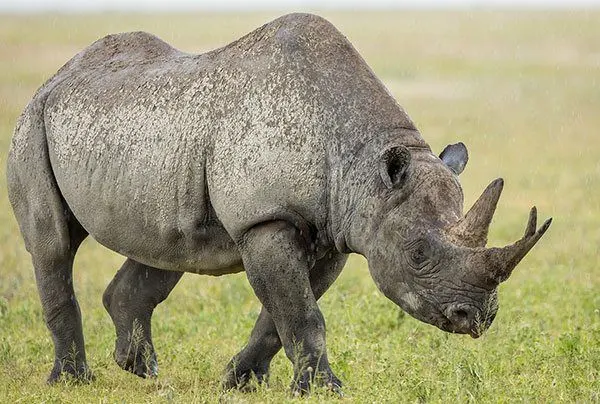
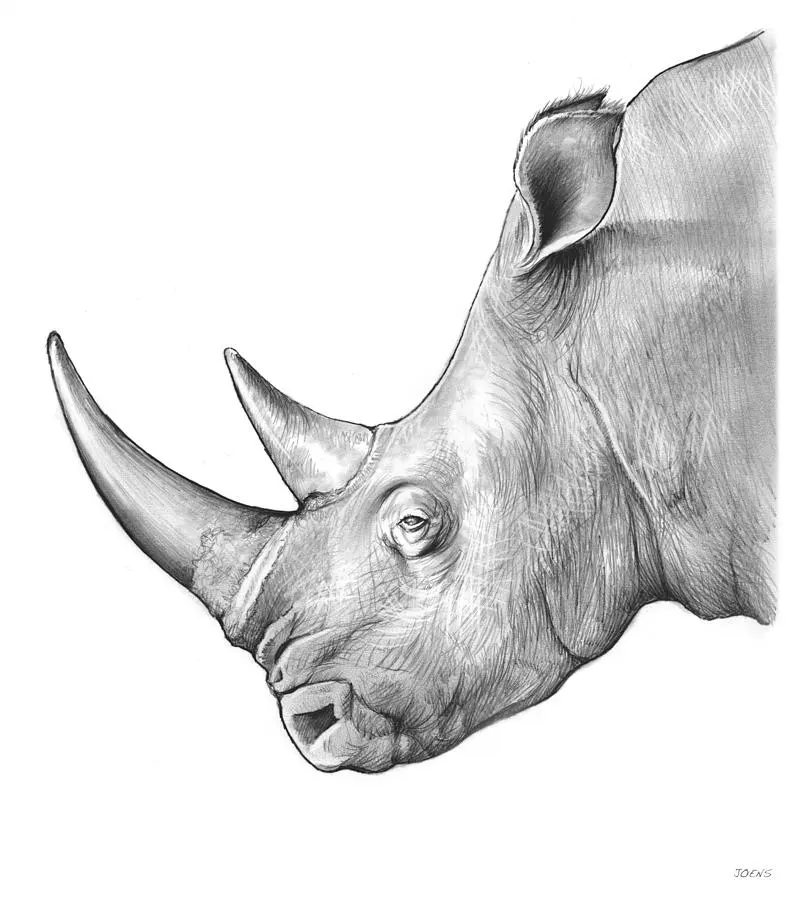
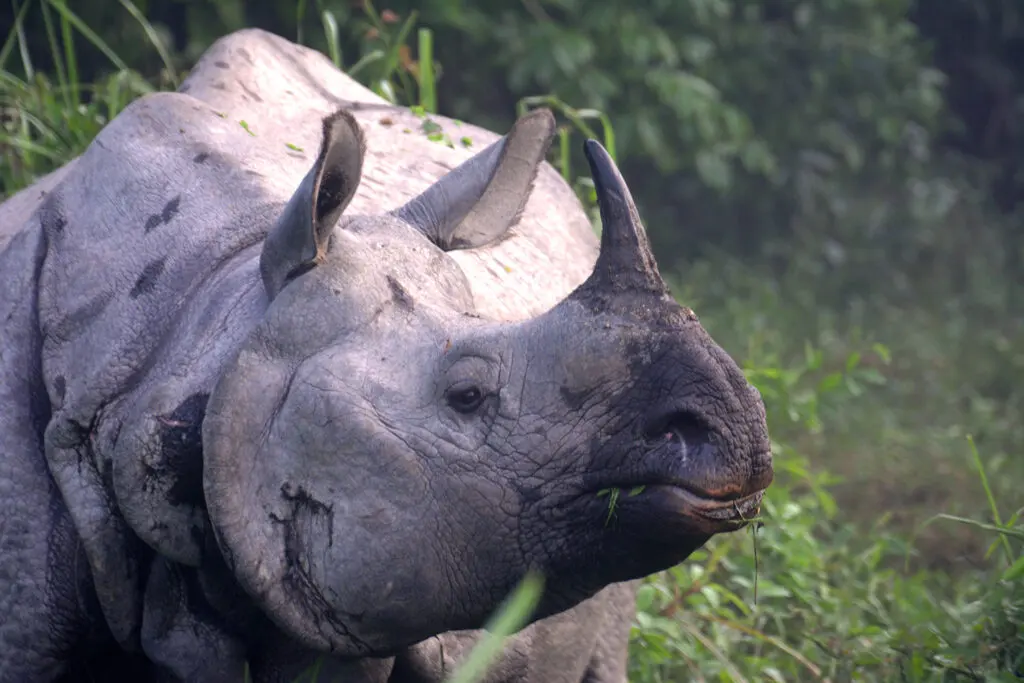
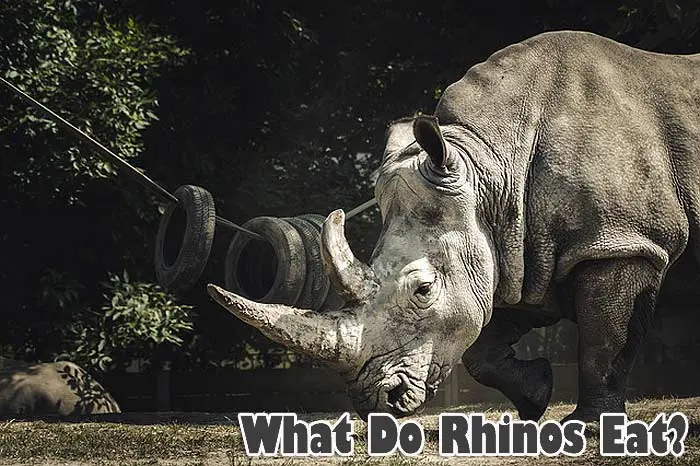
The dietary habits of the five extant rhinoceros species are primarily dictated by the shape of their mouths and lips. The white rhinoceros, for instance, possesses a wide, square-shaped lip specifically adapted for grazing on short grasses in open savannas. In contrast, the black, Indian, Javan, and Sumatran rhinos have pointed or prehensile upper lips that allow them to grasp and manipulate leaves, branches, and fruit from trees and bushes.
These distinct physiological differences mean that rhinos occupy different ecological niches within their environments. By specializing in either grazing or browsing, multiple species can often coexist in the same geographic region without competing directly for the same food source. Their digestive systems are hindgut fermenters, meaning they break down tough plant fibers through microbial fermentation in their large cecum and colon. This process is less efficient than ruminant digestion, which explains why rhinos must consume such high volumes of forage to meet their energy requirements.
How much do rhinos eat every day?
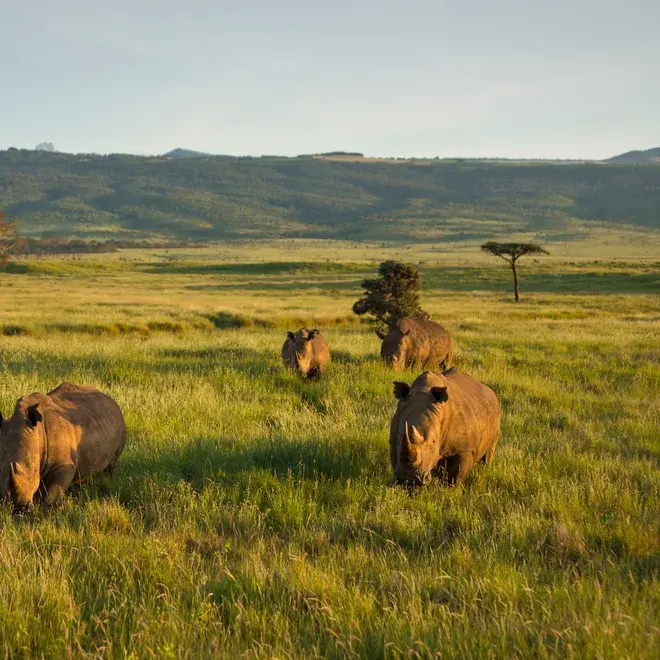
A rhinoceros is a massive animal that requires a significant caloric intake to maintain its metabolism. An adult white rhino can consume up to 120 pounds of grass in a single day. Because grasses are often low in nutritional density, these animals spend the majority of their waking hours—sometimes up to 14 hours a day—actively foraging and grazing to satisfy their hunger.
For browsing species like the black rhino, the diet is more varied but equally demanding. They consume a wide array of woody plants, including succulents and thorny shrubs that other herbivores might avoid. Their daily intake is measured not just by weight but by the diversity of plants required to obtain necessary minerals and proteins. To ensure they get enough nutrients, they often move across large territories, selecting specific parts of plants that offer the highest concentration of vitamins and moisture.
- White Rhinos: Primarily grass-eaters (grazers).
- Black Rhinos: Primarily leaf and twig-eaters (browsers).
- Indian Rhinos: Mix of grasses, aquatic plants, and fruits.
- Javan Rhinos: Browsers of young shoots and fallen fruits.
- Sumatran Rhinos: Browsers of leaves, twigs, and fruit.
Where do rhinos find their food?
Rhinos are found in a variety of habitats, ranging from the dense tropical rainforests of Southeast Asia to the expansive grasslands of sub-Saharan Africa. The availability of food in these regions is heavily influenced by seasonal rainfall patterns. During the wet season, lush vegetation is abundant, allowing rhinos to feed easily and gain weight. However, during the dry season, food sources become scarce, forcing rhinos to travel longer distances to find water and edible plants.
In addition to terrestrial plants, some species, such as the Indian rhinoceros, have adapted to consume aquatic vegetation. They frequently wade into marshes and rivers to feed on tall grasses and water hyacinths. This dietary flexibility is crucial for their survival, especially in regions where land-based food sources may be depleted by drought or competition with other large herbivores. By utilizing both land and water resources, they maximize their chances of finding sufficient sustenance throughout the year.
- Identify the primary vegetation type in the rhino's specific habitat.
- Monitor seasonal changes to understand shifts in food availability.
- Observe the rhino's lip shape to determine if it is a grazer or browser.
- Track movement patterns to see how they rotate through different feeding grounds.
Why is a rhino's diet important for the ecosystem?
Rhinos act as essential "ecosystem engineers" through their feeding habits. By grazing on tall grasses, white rhinos prevent the overgrowth of savanna vegetation, which helps maintain open grasslands that are vital for many other species. This grazing activity also stimulates new plant growth, which provides fresh, nutrient-rich forage for smaller herbivores like zebras and gazelles. Their movement through the landscape creates paths and clearings that benefit the overall biodiversity of their environment.
Browsing rhinos play a similarly critical role by pruning trees and shrubs. This activity encourages the growth of new, healthy branches and prevents certain plant species from dominating the landscape. Furthermore, rhinos are significant seed dispersers. As they move across their range, they consume fruits and seeds, which are later deposited in their dung in different locations. This process helps propagate various plant species and maintains the structural complexity of their forest or savanna homes. Without the rhino's constant foraging, these ecosystems would experience significant shifts in vegetation composition.
Common mistakes when observing rhino feeding
One common mistake is assuming that all rhinos have the same dietary needs or feeding behaviors. Visitors to wildlife parks often expect to see rhinos grazing in open fields, but this only applies to the white rhino. If you are watching a black rhino, you will likely see it standing near thickets or shrubs, using its upper lip to strip leaves from branches. Misinterpreting these behaviors can lead to a misunderstanding of how the animal interacts with its environment.
Another error is underestimating the distance rhinos travel to find food. Many people assume they stay in one spot, but rhinos are highly mobile and will traverse several miles in a single day to find high-quality forage. Additionally, it is a mistake to feed rhinos human food. Providing supplemental food not only disrupts their natural digestive processes but can also lead to dependency and dangerous interactions with humans. Always maintain a respectful distance and observe their natural foraging habits without interference to ensure their long-term health and safety in the wild.
Key facts
- Rhinoceroses are strictly herbivorous, meaning they eat only plant matter such as grasses, leaves, shrubs, and fruit.
- The shape of a rhino's mouth is a direct indicator of its diet; broad, flat lips are for grazing, while pointed, prehensile lips are for browsing.
- White rhinos are "grazers" that use their wide mouths to crop short grasses close to the ground.
- Black, Indian, Javan, and Sumatran rhinos are "browsers" that use their upper lips to pluck leaves and twigs from trees and bushes.
- An adult rhino can consume between 50 and 120 pounds of vegetation in a single day to maintain its massive body weight.
- Rhinos require a consistent water source and will often travel long distances to reach pools, especially during the dry season.
The bottom line
Rhinos are specialized herbivores that have evolved distinct mouth shapes to exploit specific food sources. Whether grazing on grasses or browsing on woody shrubs, these animals must consume vast quantities of vegetation daily to sustain their immense size. Understanding their dietary needs highlights why habitat preservation is critical; without access to their specific food plants and reliable water, rhino populations cannot thrive in the wild.
People also ask
Do rhinos eat meat if they are starving?
No, rhinos are biologically incapable of digesting meat. Their digestive systems are specifically evolved to break down high-fiber plant cellulose through a process called hindgut fermentation.
How much water does a rhino need daily?
A rhino typically drinks between 10 and 20 gallons of water per day. If water is scarce, they may dig in dry riverbeds to find moisture or rely on the water content found in succulent plants.
Do rhinos have teeth for chewing plants?
Yes, rhinos possess large, flat molars at the back of their mouths designed for grinding tough vegetation. They lack front incisors, instead using their lips or lower teeth to pull and tear plant material.
Do different rhino species compete for the same food?
Generally, no, because they occupy different ecological niches. White rhinos focus on grasses, while black rhinos prefer woody plants, allowing them to coexist in the same habitat without direct competition.
Can rhinos eat poisonous plants?
Rhinos are generally good at identifying and avoiding toxic plants through smell and taste. However, they can occasionally suffer from poisoning if their habitat is degraded and they are forced to eat unfamiliar vegetation.
Why do rhinos spend so much time eating?
Because plant matter is relatively low in calories and nutrients, rhinos must spend up to 12 hours a day feeding to meet their massive energy requirements. This constant foraging is essential for their survival and growth.
This answer was created with the help of AI research tools and reference sources. Spotted an error? Let us know — we correct mistakes quickly. See our editorial policy.