What do ladybugs eat?
Short answer
Most ladybugs are voracious predators that primarily eat soft-bodied insects like aphids, scale insects, and mites. While some species consume plant matter or fungi, the vast majority of common garden ladybugs are beneficial insects that help control agricultural pests by consuming dozens of these small insects every single day.
On this page
What do ladybugs eat in the garden?
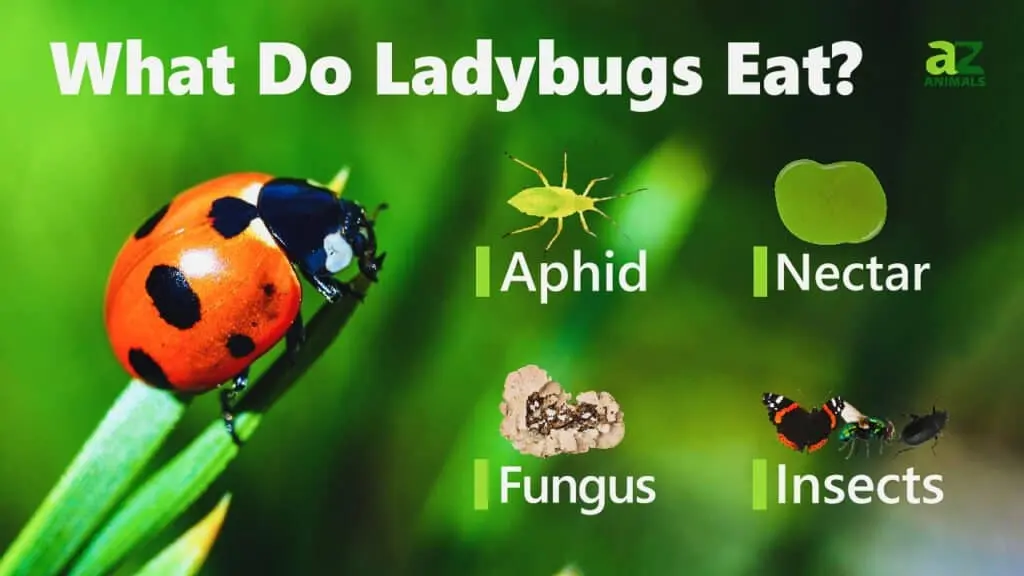
The primary diet of the ladybug, or lady beetle, consists of small, sap-sucking insects that damage garden plants. Aphids are their favorite food source, but they also hunt mealybugs, whiteflies, and spider mites. A single ladybug can consume up to 5,000 aphids during its lifetime, making them one of the most effective forms of natural pest control available to gardeners. By patrolling leaves and stems, these beetles keep pest populations from reaching levels that would destroy flowers or vegetables.
Beyond insects, some ladybug species supplement their diet with other resources found in the environment. They often feed on nectar and pollen, which provide essential sugars and proteins for energy and reproduction. This dual-diet strategy is why a garden filled with diverse flowering plants is more likely to attract and sustain a healthy ladybug population. When pest numbers are low, they rely on these floral resources to survive until the next infestation of prey arrives.
How to attract ladybugs to your yard
To bring ladybugs into your garden, you must provide a consistent food supply and a hospitable environment. Planting a variety of flowers that produce nectar and pollen is the most effective method for long-term success. Focus on plants with small, shallow blooms that are easy for beetles to access. Avoid using broad-spectrum chemical pesticides, as these will kill the ladybugs along with the pests you are trying to eliminate.
Consider incorporating these specific plants to create a ladybug-friendly habitat:
- Dill, fennel, and cilantro
- Yarrow and tansy
- Marigolds and sweet alyssum
- Calendula and coreopsis
By maintaining a diverse ecosystem, you ensure that ladybugs have a place to live even when aphid populations fluctuate. Providing a shallow water source, such as a birdbath with pebbles for the beetles to land on, also helps during dry spells.
What do ladybug larvae eat?
Ladybug larvae look quite different from the adults, often resembling tiny, spiky alligators. They are even more aggressive eaters than their adult counterparts, as they require significant energy to fuel their rapid growth and eventual metamorphosis. A single larva can consume hundreds of aphids during its development phase, which typically lasts about two to three weeks. They are highly efficient hunters that move along stems, seeking out clusters of prey to satisfy their constant hunger.
Because the larvae are flightless, they must be born directly on or near a food source to survive. Female ladybugs typically lay their eggs in clusters near aphid colonies, ensuring that the hatchlings have an immediate supply of food. If you see these strange-looking, dark-colored creatures on your plants, do not mistake them for pests. They are the most productive stage of the ladybug life cycle and are actively cleaning your garden of harmful insects.
Common mistakes when trying to feed ladybugs
Many people make the mistake of trying to feed ladybugs sugar water or fruit in their homes. While ladybugs might briefly investigate these items, they are not a nutritional substitute for their natural prey. Providing artificial food sources often leads to the beetles becoming lethargic or dying prematurely. Additionally, attempting to keep ladybugs as pets in small containers is generally unsuccessful because they require a large territory to hunt and specific humidity levels to thrive.
Another common error is purchasing ladybugs from garden supply stores and releasing them into a yard that lacks an existing pest problem. If there is no food available, the ladybugs will simply fly away to find a better location. To avoid these issues, follow these steps for successful introduction:
- Identify a genuine pest infestation in your garden before purchasing beetles.
- Release the ladybugs at dusk or dawn when they are less likely to fly away immediately.
- Water your plants lightly before release to encourage the beetles to stay and drink.
- Ensure your garden has plenty of hiding spots like mulch or tall grass.
Are there any vegetarian ladybugs?
While most ladybugs are carnivorous, a small subset of the family Coccinellidae feeds strictly on plant material. The most notable example is the Mexican bean beetle, which is a significant agricultural pest that eats the leaves of bean plants. Unlike the beneficial species that gardeners love, these vegetarian cousins can cause extensive damage to crops. It is important to distinguish between the two types before taking action, as you do not want to remove the beneficial predators that are helping your garden grow.
The vegetarian species are generally larger and often have a different color pattern than the common red-and-black spotted ladybug. If you observe beetles causing holes in your vegetable leaves, identify them carefully before applying any treatment. Most beneficial ladybugs will never touch your plants, so if you see a beetle eating a leaf, it is likely a species you should manage. By learning to identify the beneficial predators versus the plant-eating pests, you can maintain a balanced and healthy garden ecosystem throughout the entire growing season.
Key facts
- Most ladybugs are voracious predators that consume thousands of aphids, scale insects, and mites during their life cycle.
- A single ladybug larva can eat up to 50 aphids per day, making them highly effective natural pest controllers for gardeners.
- Some species, such as the Mexican bean beetle, are herbivores that feed on plant leaves rather than garden pests.
- Ladybugs supplement their diet by drinking nectar and pollen, which provides the necessary moisture and energy for flight.
- Avoid using broad-spectrum chemical pesticides in your garden, as these kill ladybugs along with the pests they eat.
- To attract ladybugs, plant diverse flowers like dill, fennel, or yarrow to provide the pollen they need when prey is scarce.
The bottom line
Ladybugs are primarily beneficial garden allies that feast on destructive pests like aphids and mites. By maintaining a garden with diverse pollen-rich plants and avoiding harsh chemical sprays, you create a sustainable habitat that encourages these beetles to thrive. While a few species are herbivorous, the vast majority act as natural protectors, helping to keep your plants healthy and free from common insect infestations throughout the season.
People also ask
Do ladybugs eat plants?
While most ladybugs are beneficial predators, a small minority of species are herbivorous. These specific beetles, such as the squash beetle, can become garden pests by chewing holes in leaves.
Can I buy ladybugs to release in my garden?
Yes, you can purchase ladybugs from garden centers or online retailers to control aphid infestations. However, they often fly away shortly after release unless your garden has enough food and water to keep them settled.
Do ladybugs drink water?
Ladybugs require moisture to survive and will drink water droplets from leaves or flowers. In dry conditions, providing a shallow dish with pebbles and water allows them to drink safely without drowning.
What do ladybug larvae eat?
Larvae have an even higher appetite than adults and focus almost exclusively on soft-bodied insects. They are particularly fond of aphids and will hunt them aggressively across plant stems and undersides of leaves.
Will ladybugs eat ants?
Ladybugs generally do not eat ants, as ants are often aggressive and protective of the aphids they "farm" for honeydew. In fact, ants may actively defend aphids from ladybugs to protect their food source.
How can I tell if a ladybug is a pest or a friend?
Beneficial ladybugs are typically bright red or orange with black spots and feed on insects. If you notice beetles causing significant damage to your bean or squash plants, they are likely the herbivorous variety that should be managed.
This answer was created with the help of AI research tools and reference sources. Spotted an error? Let us know — we correct mistakes quickly. See our editorial policy.