Where do hyenas live?
Short answer
Hyenas are primarily found across sub-Saharan Africa, inhabiting diverse environments ranging from savannas and grasslands to dense woodlands and mountainous regions. The spotted hyena is the most widespread species, while the striped hyena also occupies parts of North Africa, the Middle East, and India. They avoid only the most extreme desert interiors.
On this page
Where do hyenas live in the wild
Hyenas are remarkably adaptable predators that thrive in a variety of African ecosystems. The spotted hyena, the most populous species, is found throughout most of sub-Saharan Africa, excluding the deep rainforests of the Congo Basin and the driest portions of the Namib Desert. They are most commonly spotted in open plains, scrublands, and savannas where prey density is high.
These animals are not restricted to a single type of terrain, which contributes to their success as apex predators. They occupy diverse habitats including:
- Open savannas and grasslands
- Semi-arid scrublands
- Rocky hills and mountainous regions
- Forest edges and dense woodlands
- Coastal areas in some regions
While they are often associated with the classic African savanna, their range is quite expansive. They are highly mobile creatures, capable of traversing large distances to find food or water. Their ability to survive in both arid and temperate climates allows them to maintain stable populations across a vast geographic footprint.
Which countries have hyena populations
The geographic distribution of hyenas spans across the African continent and extends into parts of Asia. Spotted hyenas are found in approximately 40 countries, with significant populations residing in nations such as Tanzania, Kenya, Botswana, South Africa, and Zambia. These countries provide the massive protected areas necessary for large clans to hunt and raise their young.
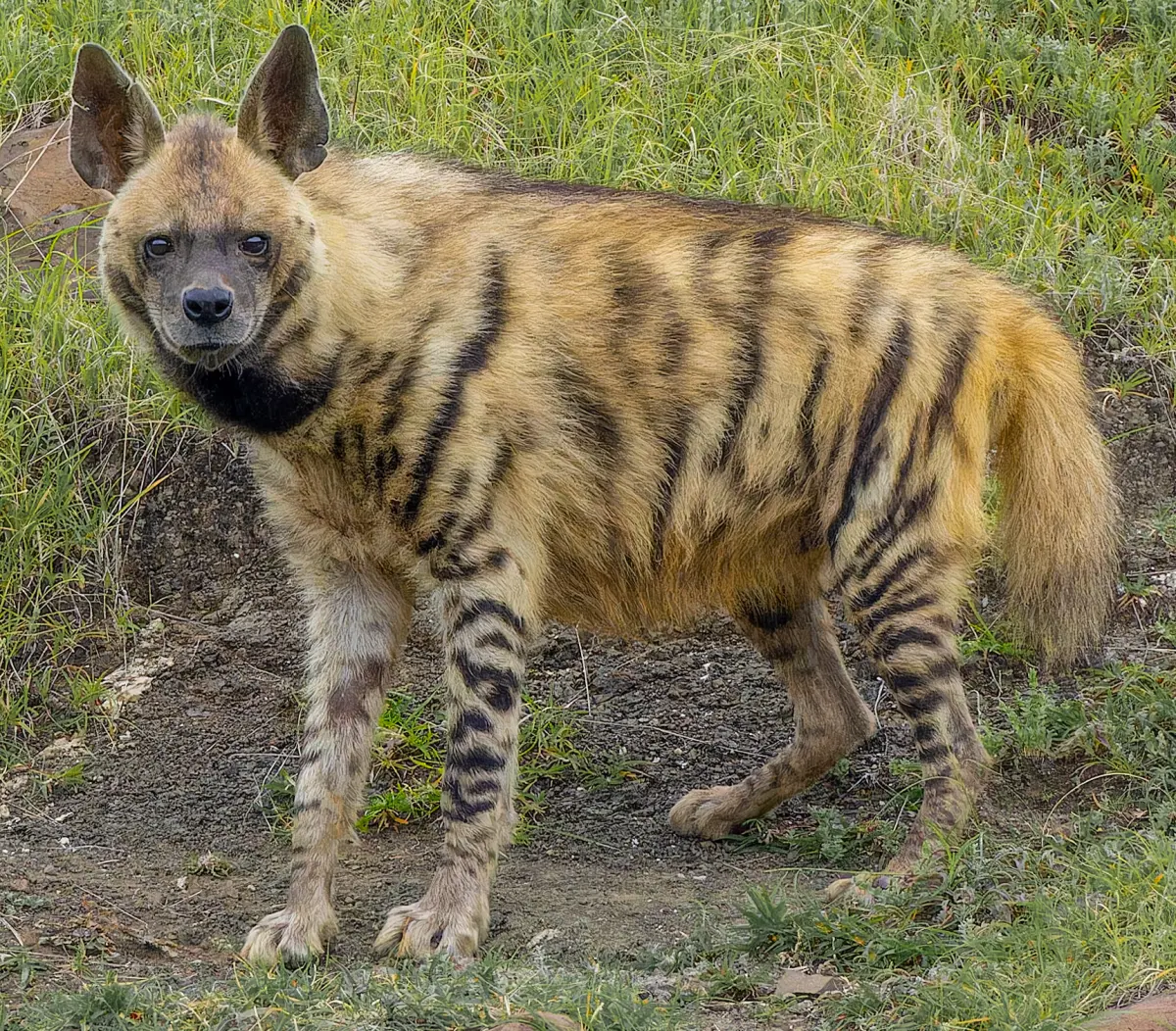
The striped hyena, which is smaller and more solitary, has a different distribution pattern. Its range includes:
- Northern and Eastern Africa (including Egypt and Ethiopia)
- The Middle East (including Israel, Jordan, and Saudi Arabia)
- Central Asia (including parts of Iran and Afghanistan)
- The Indian subcontinent
Because these animals are often nocturnal and elusive, their exact numbers in certain regions remain difficult to track. However, they remain widespread in protected reserves and national parks. Human encroachment continues to shrink their available territory, forcing some populations into closer proximity with agricultural settlements, which often leads to increased human-wildlife conflict.
How to identify hyena habitats
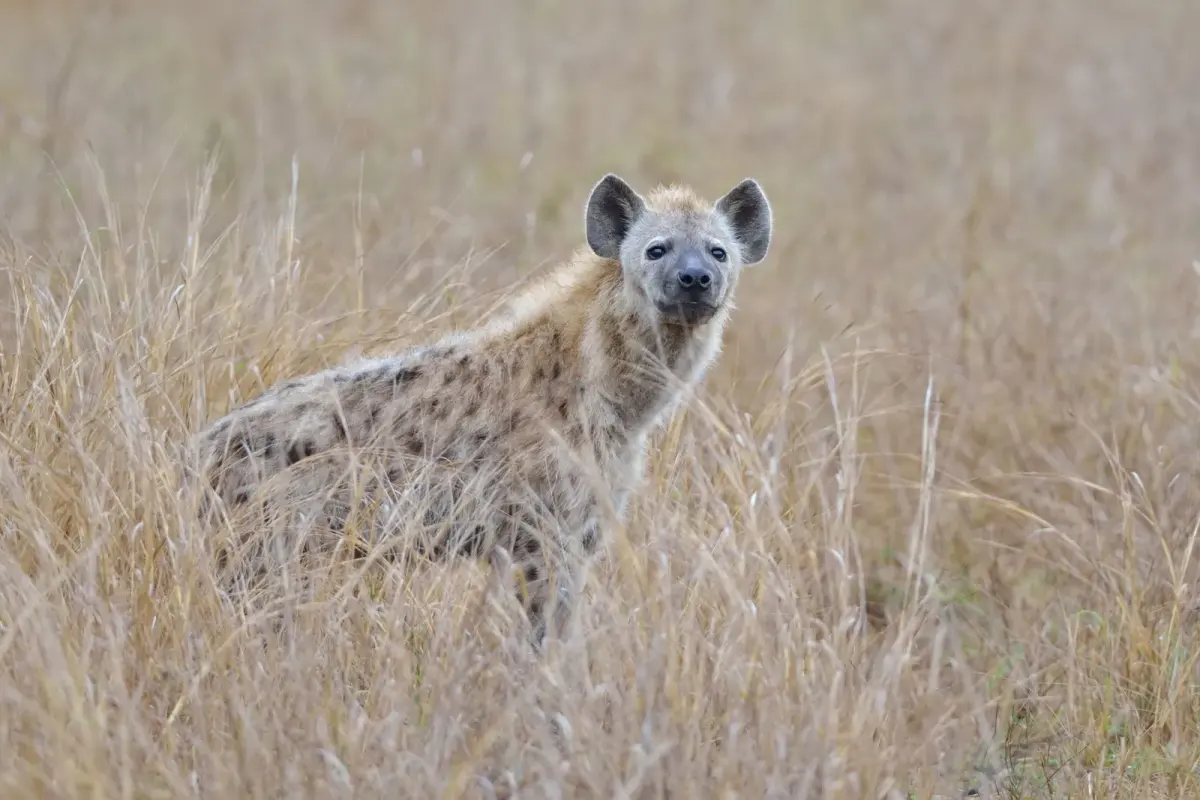
Identifying a hyena habitat involves looking for specific environmental cues. Hyenas prefer areas that offer both concealment for their dens and access to open hunting grounds. They often utilize abandoned dens of other animals, such as aardvarks, or create their own burrows in rocky outcrops or thickets. These den sites are central to the social structure of spotted hyena clans.
When scouting for potential hyena activity, experts look for the following indicators:
- Large, communal den entrances in rocky or sandy soil
- Distinctive "whooping" vocalizations during the night
- Scat deposits, which are often white due to the high calcium content from consumed bones
- Tracks showing four toes with non-retractable claws
- Remains of prey carcasses in the vicinity of denning areas
Avoiding areas with high human activity is a primary survival strategy for hyenas. They are naturally wary of humans and typically establish their homes in locations that provide a buffer from urban or agricultural development. If you are in a wild area, spotting these signs suggests a resident clan is nearby.
Common mistakes when looking for hyenas
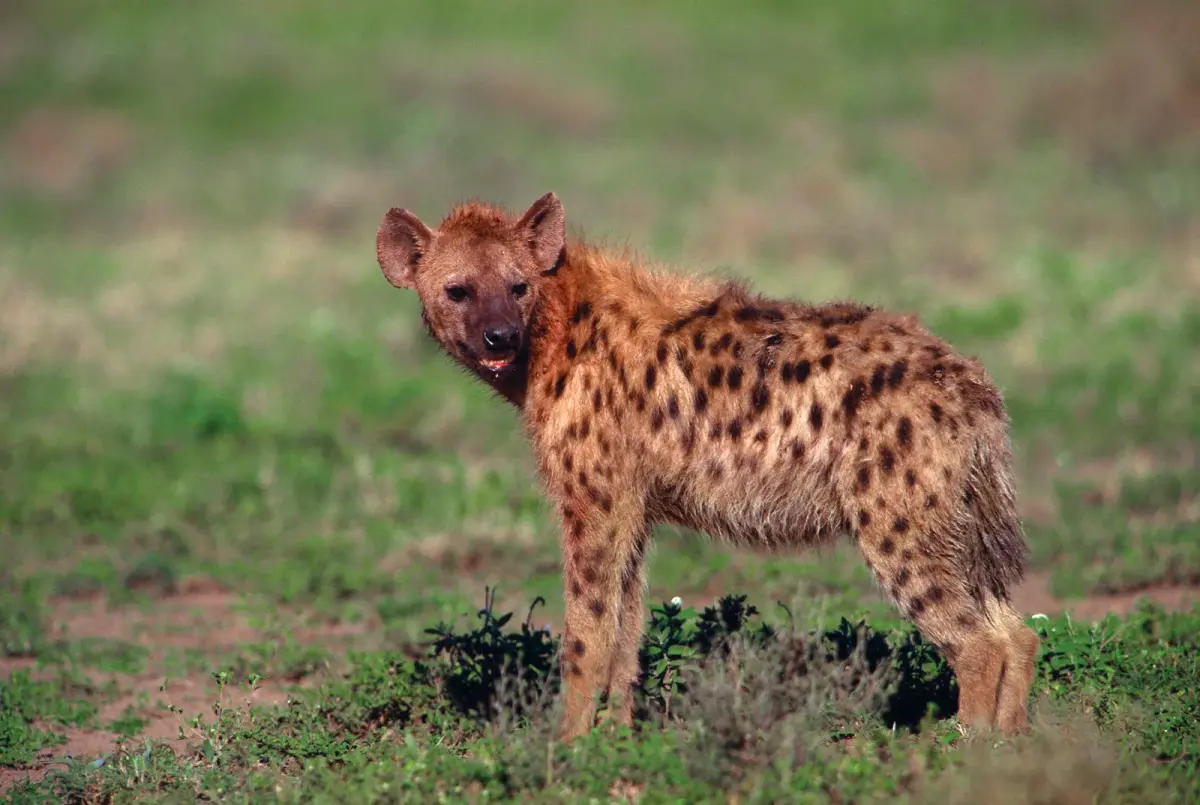
A frequent error for wildlife enthusiasts is assuming that hyenas are strictly scavengers that only congregate near carcasses. While they are opportunistic feeders, they are also highly skilled hunters that actively patrol their territories. Looking for them only at kill sites often leads to disappointment, as they spend significant time resting in dens during the heat of the day.
Another common mistake is searching for them in the wrong types of vegetation. People often assume that because hyenas are "African animals," they must live in the middle of vast, featureless plains. In reality, they frequently utilize:
- Dense riverine thickets for shade and protection
- Rocky ridges that provide elevated vantage points
- Tall grass areas that offer camouflage during a hunt
Travelers should also avoid approaching den sites on foot. Hyenas are highly protective of their cubs, and a mother may perceive a human presence as a direct threat. Always maintain a safe distance and use binoculars or a telephoto lens to observe their behavior without interfering with their natural routines.
Why hyenas move between territories
Hyena movement is driven by the seasonal availability of prey and water. In many parts of Africa, the wet and dry seasons dictate the migration patterns of ungulates like wildebeest and zebra. As these herds move across the landscape, hyena clans often follow, shifting their hunting grounds to remain near their primary food sources.
Social dynamics also play a significant role in their movement. Spotted hyena clans are hierarchical and can range from a few individuals to over one hundred members. A clan's territory can span hundreds of square kilometers, and the animals must constantly patrol these boundaries to defend against rival clans. This constant movement serves several purposes:
- Maintaining control over critical water holes
- Protecting the clan's core denning sites
- Ensuring access to migratory prey herds
- Establishing dominance in contested border zones
By understanding these movement patterns, researchers can better predict where hyenas will be during different times of the year. Their survival is entirely dependent on this flexibility, allowing them to endure the harsh, unpredictable conditions of the African wilderness.
Key facts
- Spotted hyenas primarily inhabit sub-Saharan Africa, ranging from open savannas to dense woodlands.
- Striped hyenas have a broader distribution, found across North Africa, the Middle East, and parts of India.
- Brown hyenas are restricted to the southern regions of Africa, specifically the Kalahari and Namib deserts.
- Aardwolves, the smallest hyena species, live in two distinct populations in eastern and southern Africa.
- Hyenas avoid dense tropical rainforests and extremely arid interiors of the Sahara Desert.
- When tracking hyenas, look near water sources or rocky outcrops where they often den during the day.
The bottom line
Hyenas are highly adaptable predators found across diverse landscapes in Africa and parts of Asia. While the spotted hyena is the most famous for its complex social clans in the savanna, other species like the striped and brown hyena prefer solitary or desert lifestyles. Understanding their specific regional habitats and nocturnal habits is essential for anyone interested in observing these fascinating, misunderstood animals in the wild.
People also ask
Do hyenas live in packs?
Spotted hyenas live in complex social groups called clans, which can contain up to 90 individuals. Other species, like the striped or brown hyena, are generally solitary or live in much smaller family units.
Can you find hyenas in the wild in Asia?
Yes, the striped hyena is the only species found outside of Africa. Its range extends through the Middle East, the Caucasus, and into the Indian subcontinent.
Are hyenas nocturnal animals?
Most hyenas are primarily nocturnal or crepuscular, meaning they are most active at night or during twilight hours. This behavior helps them avoid the heat of the day and reduces competition with other large predators.
Do hyenas build their own dens?
Hyenas rarely dig their own dens from scratch. They typically occupy abandoned burrows previously dug by warthogs, aardvarks, or jackals, which they then enlarge to suit their needs.
How much territory does a hyena clan control?
A spotted hyena clan may defend a territory ranging from 40 to 1,000 square kilometers depending on prey density. They mark these boundaries using scent glands located near their tails.
Are hyenas dangerous to humans?
While hyenas are generally wary of humans, they can be dangerous if threatened or if they become habituated to human food sources. It is important to maintain distance and never attempt to feed them in the wild.
This answer was created with the help of AI research tools and reference sources. Spotted an error? Let us know — we correct mistakes quickly. See our editorial policy.