What is electricity?
Short answer
Electricity is the flow of electric charge, typically carried by electrons moving through a conductor. It is a fundamental physical phenomenon caused by the presence and motion of matter that has an electric charge. This energy powers our modern world by converting electromagnetic forces into heat, light, motion, and digital information.
On this page
What is electricity made of?
At the most fundamental level, electricity is the movement of subatomic particles called electrons. All matter is composed of atoms, which contain a central nucleus surrounded by a cloud of electrons. In conductive materials like copper or aluminum, some electrons are loosely bound and can easily move from one atom to the next. When these electrons flow in a directed path, they create an electric current.
This flow is driven by a difference in electric potential, commonly known as voltage. Think of voltage as the "pressure" that pushes electrons through a wire, similar to how water pressure moves liquid through a pipe. The rate of this flow is measured in amperes (amps), while the total energy potential is measured in volts. Without this potential difference, electrons would remain in a state of random motion, failing to produce the useful energy we rely on daily.
How does electricity travel through wires?
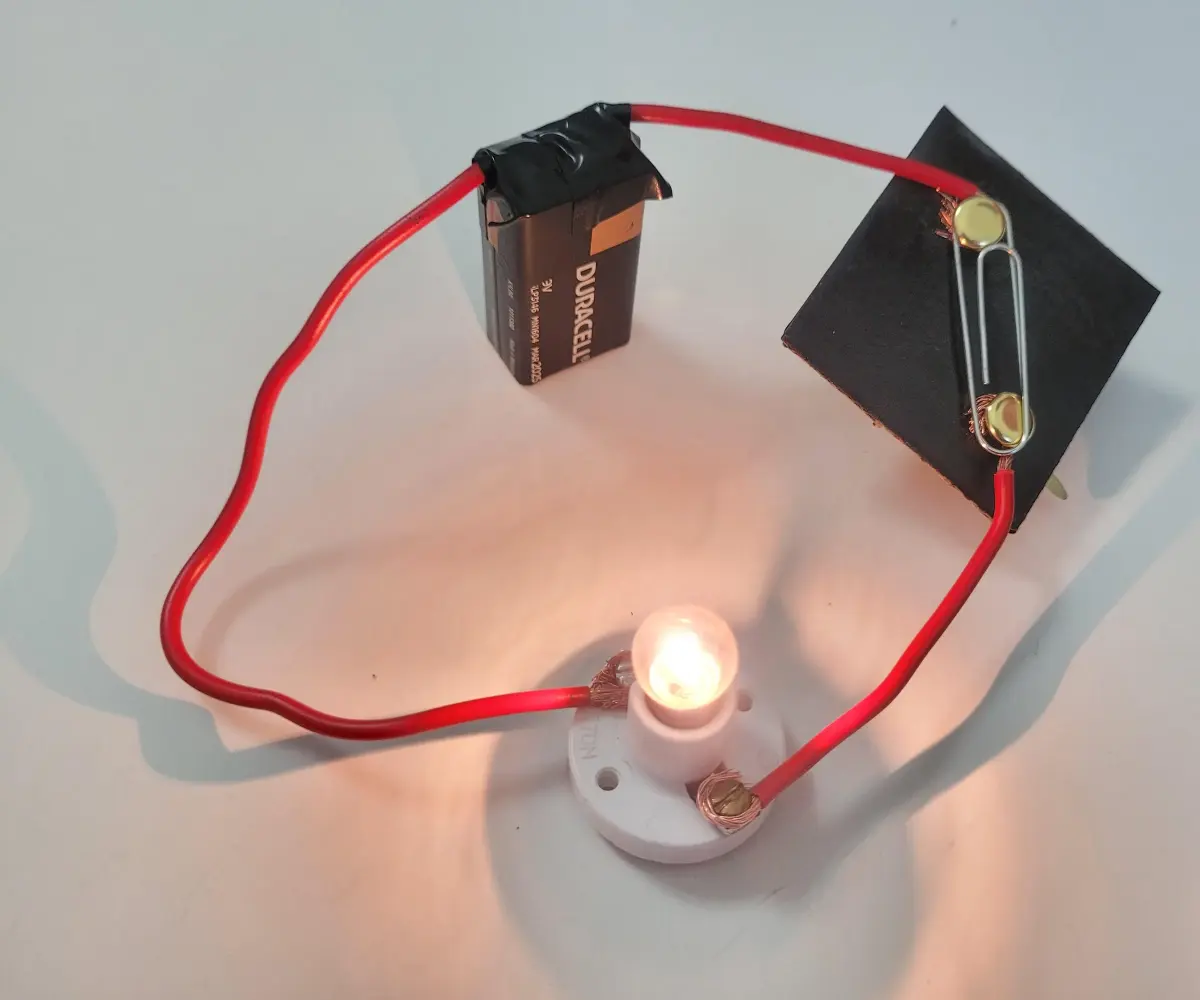
Electricity travels through circuits, which are closed loops that allow electrons to flow from a power source to a device and back again. A circuit must be complete for electricity to work; if there is a break in the path, such as a flipped switch or a severed wire, the flow stops immediately. This is why light bulbs turn off when you disconnect them from their power source.
To understand how this movement occurs, consider these three essential components of a circuit:
- The Power Source: A battery or power plant that provides the voltage to push electrons.
- The Conductor: A material, usually metal wire, that offers a low-resistance path for electrons.
- The Load: A device, such as a motor or light bulb, that consumes the energy to perform work.
Resistance is a crucial factor in this process, representing the material's opposition to the flow of current. Materials like rubber or plastic have high resistance and act as insulators, preventing electricity from escaping the conductor. This is why electrical wires are coated in plastic, keeping the current contained and safe for human use.
Why does electricity produce heat and light?
Electricity generates heat and light through the interaction of moving electrons with the atoms in a conductor. As electrons race through a wire, they frequently collide with the atoms of the material. These collisions cause the atoms to vibrate, which increases the kinetic energy of the material, manifesting as heat. This principle is the foundation of incandescent light bulbs and electric heaters.
In a filament light bulb, the wire is made of tungsten, which has high resistance. When electricity forces its way through the thin tungsten wire, the intense friction generates enough heat to make the metal glow white-hot, producing light. Modern LED technology works differently, using semiconductors to release energy as photons when electrons drop to lower energy states. This process is significantly more efficient because it produces light without generating excessive waste heat.
How to measure electricity safely
Measuring electricity is essential for understanding how much power your devices consume or for troubleshooting household wiring. The three primary units of measurement are volts, amps, and watts. Volts measure the pressure, amps measure the volume of flow, and watts represent the total power being used. You can calculate power using the formula: Watts = Volts × Amps.
If you are using a multimeter to test a circuit, follow these safety steps to ensure accurate readings:
- Set the multimeter to the correct mode, such as AC voltage for wall outlets.
- Ensure the probes are inserted into the correct ports on the device.
- Touch the probes to the terminals or wires while keeping your fingers behind the safety guards.
- Read the display carefully to confirm the circuit is energized or de-energized.
Never attempt to measure the current of a high-voltage source like a main breaker panel without professional training. Always inspect your test equipment for frayed leads or cracked casings before use, as damaged tools can lead to accidental shocks or short circuits.
Common mistakes when working with electricity
Working with electrical systems requires strict adherence to safety protocols to prevent injury or fire. One of the most common mistakes is failing to verify that a circuit is truly "dead" before beginning repairs. Never assume that turning off a wall switch is enough to stop the flow of electricity; always use a non-contact voltage tester to confirm the power is off at the source.
Another frequent error involves overloading circuits by plugging too many high-draw appliances into a single power strip. This creates excessive heat within the wiring, which can melt insulation and trigger electrical fires. To keep your home safe, follow these guidelines:
- Avoid daisy-chaining multiple extension cords together.
- Ensure all outlets are properly grounded to prevent surges.
- Replace any wires that show signs of fraying, discoloration, or exposed copper.
- Never use water to extinguish an electrical fire, as it conducts electricity and can cause a lethal shock.
By respecting the power of electricity and understanding how it behaves, you can manage your home’s energy systems effectively and safely. Always consult a licensed electrician if you are unsure about the integrity of your wiring or if you encounter recurring issues like flickering lights or tripped breakers.
Key facts
- Electricity is the flow of electrons through a conductive material, such as copper wire.
- Benjamin Franklin famously conducted his kite experiment in 1752 to show that lightning is a form of electricity.
- Voltage measures the "pressure" pushing electrons, while current measures the actual rate of flow.
- Always turn off the circuit breaker before attempting to replace a light fixture or wall outlet.
- Never touch electrical wires with wet hands, as water significantly lowers skin resistance and increases shock risk.
- Standard household outlets in the United States operate at 120 volts, while many European countries use 230 volts.
The bottom line
Electricity is the fundamental movement of electrons that powers modern civilization, from lighting our homes to running complex digital infrastructure. By understanding the basic relationship between voltage, current, and resistance, you can better manage your energy usage and maintain safety in your household. Always respect the power of electrical systems by following proper installation protocols and avoiding common hazards like water exposure and overloaded circuits.
People also ask
What is the difference between AC and DC electricity?
Alternating Current (AC) periodically reverses direction and is the standard for power grids because it travels long distances efficiently. Direct Current (DC) flows in one direction and is used by batteries and most electronic devices.
How does a battery store electricity?
A battery stores chemical energy and converts it into electrical energy through an electrochemical reaction. When connected to a circuit, ions move between electrodes, creating a flow of electrons.
Why do birds sit on power lines without getting shocked?
Birds do not get shocked because they are not touching the ground or another object at a different electrical potential. Since the current has no path to flow through the bird to the earth, the bird remains safe.
What is a short circuit?
A short circuit occurs when electricity follows an unintended, low-resistance path, often bypassing the intended load. This causes excessive current flow that can melt wires or start fires.
What is the purpose of a ground wire?
A ground wire provides a safe path for electricity to return to the earth in the event of a fault. This prevents the metal casing of an appliance from becoming energized and shocking the user.
How is electricity measured?
Electricity is measured in watts for power, volts for pressure, and amperes for current flow. The total energy consumed over time is typically measured in kilowatt-hours (kWh) for billing purposes.
This answer was created with the help of AI research tools and reference sources. Spotted an error? Let us know — we correct mistakes quickly. See our editorial policy.